Is Tap Water Really Dehydrating You? Exploring the Claims
Summary
In sports nutrition, proper hydration is often misunderstood. The video challenges the idea that plain tap water is enough for hydration, suggesting it may deplete electrolytes instead. While some health claims are debunked, the video's expert emphasizes the importance of balanced electrolyte intake, especially for those who sweat a lot. This article delves into these claims, backed by scientific research.

Understanding Hydration: More Than Just Water
In the realm of sports nutrition, hydration is not a simplistic equation of merely drinking water. The video underlines that consuming plain tap water might not adequately hydrate you. This claim stems from the idea that while water is crucial, it can sometimes lead to the depletion of essential electrolytes if consumed in excess without proper balance.
Did You Know? Electrolytes are charged ions in your body that play a critical role in maintaining fluid balance and muscle function.
The video suggests that filtering tap water is beneficial, citing concerns about potential contaminants. While our bodies are equipped with organs to filter out unwanted substances, the question remains: is tap water alone sufficient for hydration?
The Role of Electrolytes in Hydration
Electrolytes, including sodium, potassium, and magnesium, are vital for maintaining the body's fluid balance, especially during intense physical activities. The video highlights the importance of consuming electrolytes with a purpose, particularly for those who engage in activities that cause significant sweating.
According to a 2023 study from the NIH, electrolytes are crucial for nerve function and muscle contraction. However, the video cautions against the overconsumption of sodium, which is prevalent in many diets.
The expert in the video argues that unless you're sweating a lot, additional electrolyte supplementation may not be necessary. This assertion aligns with research findings from JAMA, which suggest that typical diets already provide sufficient sodium.
Debunking Myths: Tap Water and Health Claims
The video challenges the notion that plain tap water provides complete hydration. It also critiques the health claims around additives like colostrum and cranberry juice. The expert suggests that while these additives can be tasty, their purported health benefits might not be as significant as advertised.
Important: Always verify health claims with scientific research before incorporating new substances into your diet.
Colostrum is often marketed for its benefits to immunity and gut health, but such claims require more scientific backing. Similarly, while cranberry juice is popular for reducing bloating, the expert warns against accepting these claims without evidence.
Comparing Hydration Strategies
When it comes to hydration, various strategies exist. The video recommends:
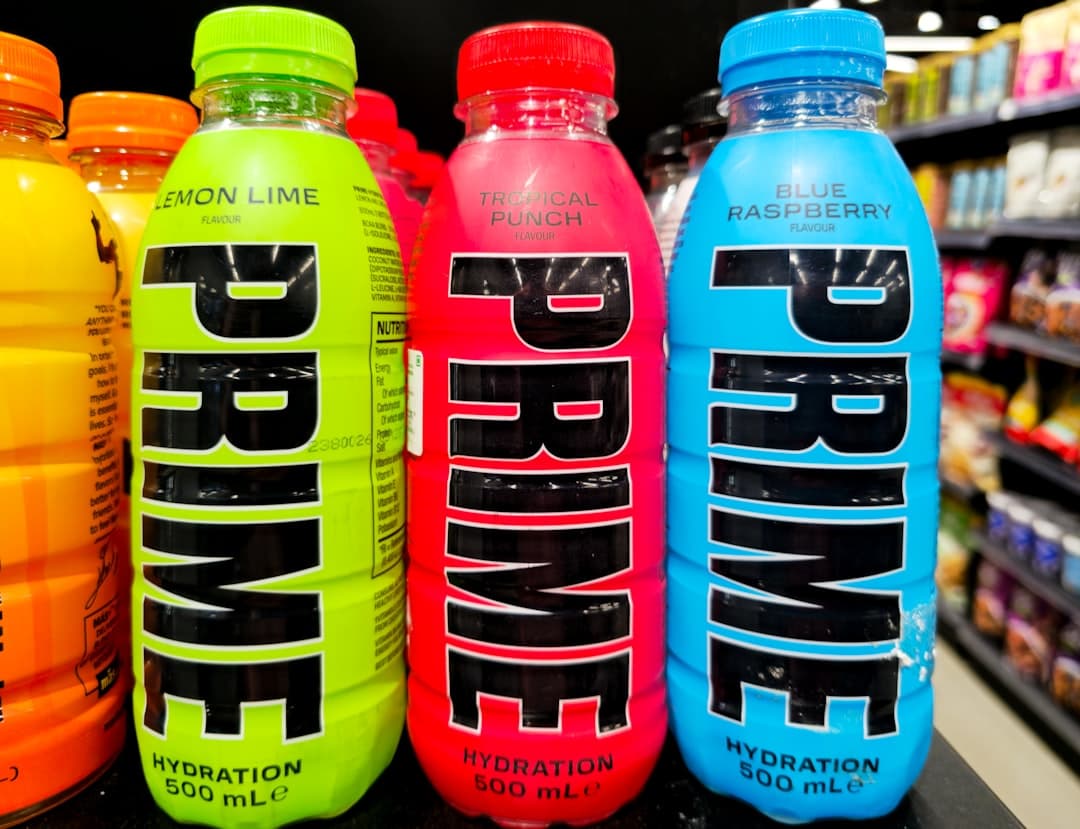
In contrast, some people might opt for sports drinks, which are often rich in electrolytes. However, these can also be high in sugars, which might not be ideal for everyone.
Research Insights on Hydration
Scientific research supports the need for balanced hydration. A narrative review in the Journal of Nutrition emphasizes the balance of water and electrolytes for optimal health outcomes.
The NIH study mentioned earlier also discusses how different fluids, including water and electrolyte solutions, affect hydration levels. It confirms the video's claim that while water is essential, it is not the only factor in maintaining hydration.
Practical Tips for Effective Hydration
For effective hydration, consider these tips:
Pro Tip: Listen to your body. Thirst is a natural indicator that you need more fluids.
Common Mistakes in Hydration Practices
One common mistake is assuming that more water is always better. Overhydration can dilute electrolytes, leading to imbalances. The video stresses the importance of balance and cautions against blindly following trends without understanding the science.
Another mistake is relying too heavily on commercial sports drinks without considering their sugar content. These drinks can contribute to excessive calorie intake, which might not align with everyone's health goals.
Concluding Thoughts on Hydration
Hydration is a complex but essential aspect of health, especially in sports nutrition. While tap water is generally safe, it is not the sole solution for proper hydration. The video's expert insights, supported by scientific research, highlight the importance of a balanced approach to hydration that considers both water and electrolytes.
Consult a healthcare provider to tailor hydration strategies to your individual needs, especially if you have specific health conditions or dietary requirements.
Sources & References
Frequently Asked Questions
- Is tap water enough for hydration?
- Tap water can hydrate, but excessive consumption without electrolytes might lead to imbalances.
- When should I use electrolytes?
- Use electrolytes during intense activities that cause significant sweating to replenish lost minerals.
- Are health claims about colostrum and cranberry juice valid?
- While they may have benefits, the video suggests verifying claims with scientific research before use.
- Can drinking too much water be harmful?
- Yes, overhydration can dilute electrolytes, leading to imbalances, so balance is key.
Get Evidence-Based Health Tips
Join readers getting weekly insights on health, nutrition, and wellness. No spam, ever.
No spam. Unsubscribe anytime.