Can Protein Mimic Ozempic for Appetite Control?
Summary
You know the feeling, you eat “normally” all day, then 9 p.m. hits and the fridge starts calling. This video’s core idea is that you do not need to shut hunger off, you need to steer it. The strategy is protein first, paired with fiber, plus resistance training, to reduce cravings, stay fuller for hours, and protect muscle while losing fat. The speaker frames this as a natural way to support GLP-1 signaling and avoid the common pitfall of rapid weight loss that includes significant lean mass loss. The practical plan is specific: aim for 1 gram of protein per pound of target body weight, prioritize 40-gram “bumper meals” at breakfast and dinner, and hit 30-plus grams of fiber daily.
🎯 Key Takeaways
- ✓This perspective argues you do not want “zero hunger”, you want controlled hunger, so you can lose fat without wrecking metabolism.
- ✓Protein is positioned as a three-part appetite tool, it may reduce *ghrelin*, support *leptin* signaling over time, and raise *PYY* to slow digestion and increase fullness.
- ✓A concrete protocol is emphasized: 1 gram of protein per pound of target body weight daily, with 40 grams at breakfast and 40 grams at dinner to curb cravings and late-night snacking.
- ✓Pairing protein with fiber is presented as the “magic combo” to support GLP-1 release and gut microbiome health, with a daily fiber target of 30-plus grams.
- ✓Protecting or building muscle is treated as non-negotiable, high protein plus lifting heavy three times per week is the foundation for better insulin sensitivity and long-term fat loss.
You finish dinner, you clean up, you promise yourself you are done for the day.
Then the dessert thought shows up. Then the snack thought. Then the “just a little something” thought.
This video takes that familiar moment and flips the script. Instead of trying to crush hunger into silence, the framing is that you want hunger you can live with, hunger that is present but not driving the car. And the tool the speaker keeps coming back to is not a supplement stack or a new “hack”, it is protein, especially from steak, salmon, and other highly bioavailable sources.
The late-night fridge problem, and why “no hunger” can backfire
A big theme here is caution around extreme appetite suppression. The discussion highlights what many people do not expect when they lose weight very fast, a meaningful portion of the weight can come from lean mass, including skeletal muscle.
“Forty percent or more” is the figure mentioned in the video as a potential share of weight loss coming from lean mass when appetite is heavily suppressed.
Why does that matter? Because muscle is not just for aesthetics. Muscle helps regulate metabolism and insulin sensitivity, and losing it can leave you in what the speaker calls a “metabolic hole”, where weight regain tends to come back as fat.
This is one place where the video’s perspective is distinct. It is not anti-medication, it explicitly speaks to people who are on GLP-1 drugs, people who want to lower a dose, and people who want to “titrate off” with their clinician’s help. The argument is that your goal is not to shut hunger off altogether, it is to rein it in while protecting muscle.
Important: If you are using a prescription GLP-1 medication (or planning to change your dose), involve your prescribing clinician. Appetite changes, nausea, and rapid weight loss can affect hydration, nutrition, and how other medications work.
How protein “reins in” appetite, the 3-part hormone story
Protein is framed as nature’s appetite lever.
Then the video gets specific about why.
1) Ghrelin goes down, and fullness lasts longer
The first claim is that protein “slashes” the hunger hormone ghrelin for 3-plus hours, helping you feel satisfied longer by slowing stomach emptying.
That “3-plus hours” detail is practical because it implies a meal strategy. If your breakfast is protein-light, hunger can boomerang quickly. If breakfast is protein-forward, the morning may feel calmer.
2) Leptin signaling may improve over time
Next is leptin, a hormone involved in longer-term energy balance and fullness signaling. The video notes that leptin is influenced more by body fat than by a single meal, so you might not “feel” leptin changes right away.
Still, the idea is that protein-supported fat loss over time may help improve leptin sensitivity, meaning the brain may respond better to fullness signals.
3) PYY rises, digestion slows
The third hormone the speaker highlights is peptide YY (PYY), which can slow digestion and promote fullness. The video adds a nuance that many people with obesity have a blunted PYY response, and that higher protein intake may help normalize it.
There is also a cravings angle. Protein provides amino acids needed to build neurotransmitters, including dopamine and serotonin. The speaker describes the lived experience: you eat a big steak, the dessert cart rolls by, and it is not just that you are full, you also do not feel the same pull.
Did you know? Higher-protein diets often lead to spontaneous calorie reduction because many people feel fuller and snack less. This is one reason clinical weight-loss trials frequently test protein-forward approaches, including in guidance summarized by the International Society of Sports NutritionTrusted Source.
The Ozempic-mimicking protein protocol (practical targets)
This is where the video becomes very “do this, not that.” It is not a vague “eat more protein” message.
The core daily target is:
On top of that, the speaker emphasizes “bumper meals”, your first and last meals of the day.
Why the 40-gram “bumper meals” matter
The video’s anchor number is 40 grams of protein at breakfast and 40 grams of protein at dinner.
Breakfast is framed as setting your metabolic tone for the day. Dinner is framed as a behavioral tool, a way to “shut the refrigerator” and reduce evening grazing.
Here is how that might look in real life (not medical advice, just translation of the approach):
Pro Tip: If 40 grams feels like a lot at first, build toward it over 1 to 2 weeks. Many people underestimate portions, so weighing protein for a short period can be eye-opening.
The “magic combo”, protein plus fiber for GLP-1 support
Protein plus fiber is presented as the amplifier.
The speaker calls fiber the “magic ingredient” to pair with protein, because together they support the release of GLP-1. GLP-1 is the same general signaling pathway targeted by medications like semaglutide, although food does not replicate drug-level effects.
Fiber also shows up here for two additional reasons: microbiome support and blood sugar stability.
A practical target is given:
And the speaker is direct about tracking. Use an app (Chronometer is mentioned) and use a food scale, because eyeballing is unreliable.
Why the video pushes back on “all plant protein” for fat loss
A unique, and somewhat controversial, point in the video is the argument that trying to hit high protein targets using only minimally processed plant foods can push calories and carbs too high for some fat-loss goals.
Two examples are given:
The takeaway is not “never eat lentils or quinoa.” It is that these foods may work best as part of the protein plus fiber combo, rather than as the primary protein engine, especially if you are aiming for 150 grams of protein per day.
What the research shows: Higher-protein diets can support fat loss while helping preserve lean mass, especially when paired with resistance training. Position stands from the International Society of Sports NutritionTrusted Source discuss protein intakes above the RDA for active individuals and body composition goals.
Protein’s metabolism angle, thermic effect and muscle as “metabolic spanx”
Appetite is only half of the argument. The other half is metabolism.
Protein is described as the most thermic macronutrient, meaning your body uses more energy to digest and assimilate it.
The video gives a clear comparison:
That is the thermic effect of food in plain language. More protein can modestly increase daily energy expenditure compared with equal calories from carbs or fat.
Then comes the speaker’s favorite metaphor: muscle is your “metabolic spanx.” It is a vivid way to say that muscle supports higher baseline calorie burn, better insulin sensitivity, and better metabolic flexibility.
Another memorable line is that muscle is a “sugar sponge.” When you include carbs as part of the protein plus fiber combo, having more muscle gives those carbs somewhere to go, into muscle glycogen, instead of being more easily stored as fat.
This aligns with broader evidence that resistance training helps preserve lean mass during weight loss, and that higher protein supports that goal. For a general overview of protein’s role in health and body composition, see the Harvard T.H. Chan School of Public Health protein guideTrusted Source.
Putting it together, lift heavy, track honestly, stay consistent
This approach is not “eat protein and sit on the couch.” The video is blunt about that.
Resistance training is presented as the missing piece that helps you keep muscle while losing fat, and ideally even build some muscle during fat loss (often called recomposition).
How to do the plan (step-by-step)
Set your protein target using your target body weight. Aim for 1 gram per pound of target or ideal body weight per day. If you have kidney disease or other medical conditions, ask your clinician what is appropriate before increasing protein.
Build two bumper meals. Hit 40 grams of protein at breakfast and 40 grams at dinner. The goal is appetite control early, and fewer cravings late.
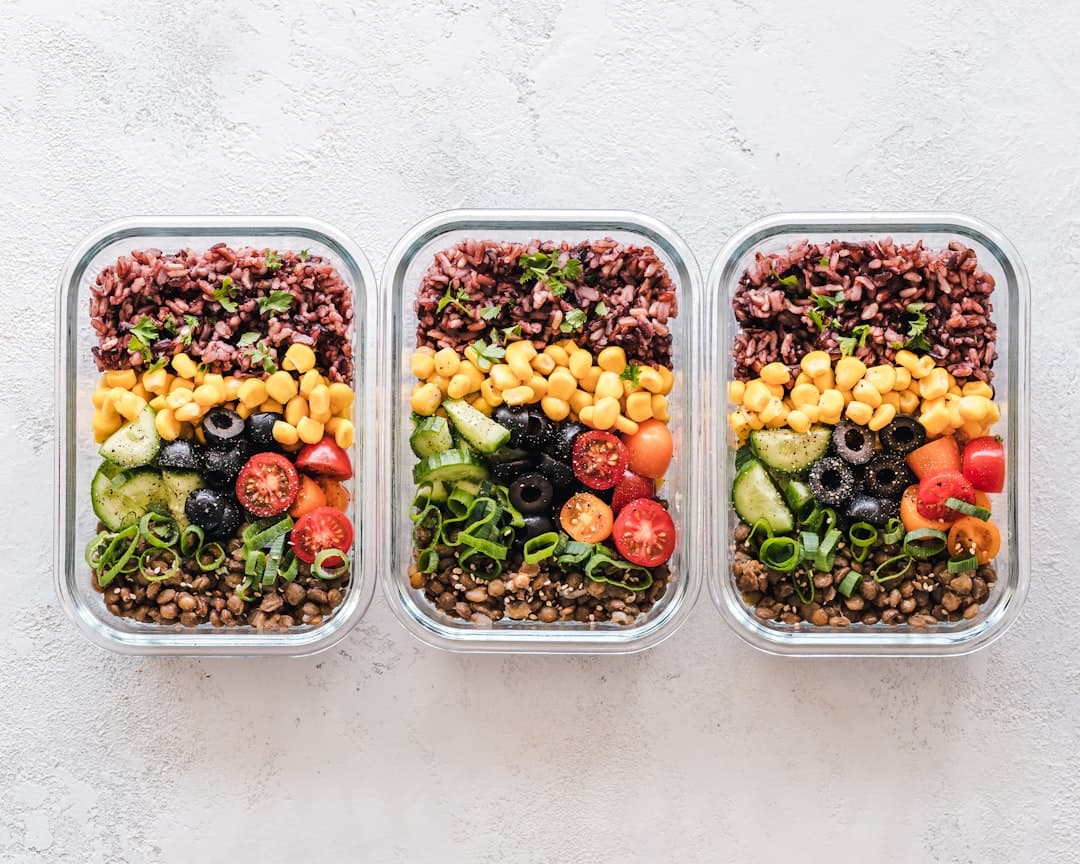
Add fiber intentionally. Aim for 30-plus grams of fiber daily, using foods you tolerate well. If you are currently low fiber, increase gradually and hydrate, sudden jumps can cause bloating.
Lift heavy three times a week. The video recommends big compound moves like squats, push-ups, bent-over rows, and overhead presses. If you are new to lifting or have pain, a qualified trainer or physical therapist can help you scale safely.
Track for accuracy, not perfection. The speaker recommends using Chronometer and a food scale, at least temporarily, to learn what 40 grams of protein actually looks like.
A brief supplement mention appears in the video, creatine combined with magnesium and taurine, described as “non-bloating.” Creatine monohydrate is widely studied for strength and lean mass support, and is generally considered safe for many healthy adults, but it is still smart to check with a clinician if you have kidney disease, are pregnant, or take medications that affect kidney function. For an evidence-based overview, see the NIH Office of Dietary Supplements creatine fact sheetTrusted Source.
Q: If I am using a GLP-1 medication, is high protein still important?
A: Many people on GLP-1 medications eat less overall, which can make it easier to fall short on protein. This perspective argues that prioritizing protein can be especially helpful to support fullness and protect lean mass during weight loss.
It is still important to personalize the plan with your clinician, especially if nausea, reflux, constipation, or rapid weight loss make it hard to eat balanced meals.
Jordan Hill, RD (Sports Nutrition)
»MORE: If you want a simple starting point, create a “protein first” checklist for your two bumper meals, then add one fiber goal for the day (for example, one cup of lentils or a large salad). Keep it on your phone notes so it is easy to follow at the grocery store.
One more note about the video’s tone. It uses provocative language like “big pharma hates this,” and it compares steak or salmon to Ozempic. It is a motivating framing, but it helps to keep expectations realistic. Protein and fiber can meaningfully support appetite and body composition, but they do not replace medical care for diabetes, obesity, or other metabolic conditions.
Key Takeaways
Frequently Asked Questions
- How much protein did the video recommend per day?
- The video’s main target is 1 gram of protein per pound of your target or ideal body weight each day. It also emphasizes getting at least 40 grams of protein at breakfast and 40 grams at dinner.
- Why does the video focus on protein at breakfast and dinner?
- Breakfast is framed as setting the metabolic tone and reducing cravings for the rest of the day. Dinner is framed as a practical way to increase satiety and reduce late-night snacking.
- What is the “magic combo” mentioned in the video?
- The video describes pairing clean, lean protein with fiber as the “magic combo.” This pairing is presented as supportive for GLP-1 release, microbiome health, and blood sugar stability.
- Does the video say plant-based proteins cannot work?
- No. The video argues that relying only on minimally processed plant foods to hit high protein targets can raise calories and carbs quickly for some people, but it still includes foods like lentils and quinoa as useful fiber partners alongside animal protein.
- What kind of exercise does the video recommend with this approach?
- The video recommends resistance training, specifically lifting heavy three times per week using compound movements like squats, push-ups, bent-over rows, and overhead presses.
Get Evidence-Based Health Tips
Join readers getting weekly insights on health, nutrition, and wellness. No spam, ever.
No spam. Unsubscribe anytime.