Sports Nutrition
Sports Nutrition focuses on optimizing dietary intake for athletes and active individuals to enhance performance, recovery, and overall health. This niche covers topics such as macronutrient balance, hydration strategies, nutrient timing, supplementation, and dietary strategies for specific sports or training goals. It also addresses conditions like energy deficits, muscle recovery, and gastrointestinal issues related to exercise.
All Articles
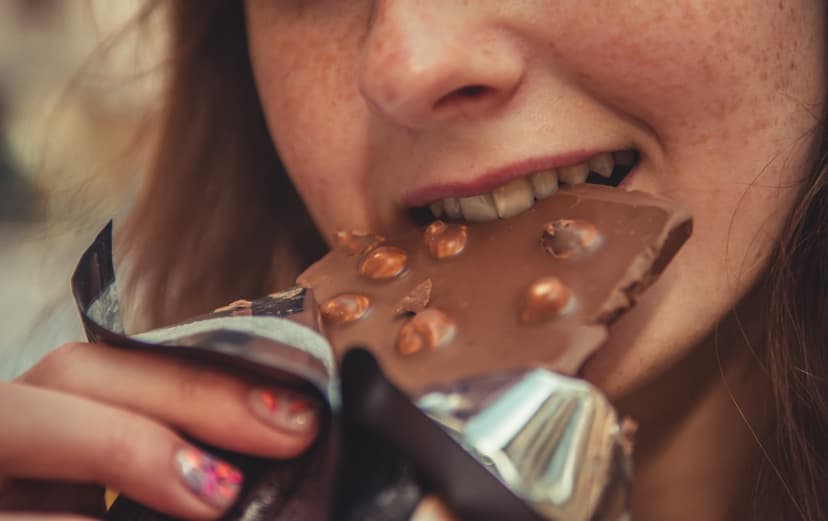
Fat Loss Diet for Women, Yes You Can Keep Chocolate
If fat loss usually feels like a long list of “no,” this video’s perspective flips it into a smarter “yes, but with structure.” The core idea is body recomposition: lose fat while holding on to, or even building, muscle. Dark chocolate (70% or higher, ideally no added sugar) can fit daily, but portion control matters. The foundation is protein first (about 0.7 to 1.0 g per pound of target body weight), then supportive fats and fiber-rich carbs, plus attention to alcohol, sleep, stress, and movement. Tracking intake and body composition can break plateaus without extreme dieting.
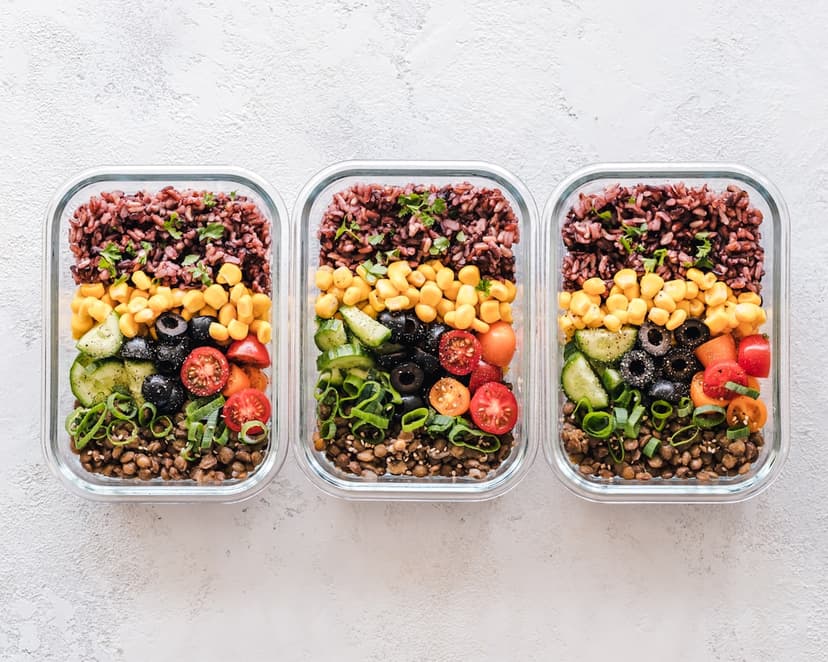
Can Protein Mimic Ozempic for Appetite Control?
You know the feeling, you eat “normally” all day, then 9 p.m. hits and the fridge starts calling. This video’s core idea is that you do not need to shut hunger off, you need to steer it. The strategy is protein first, paired with fiber, plus resistance training, to reduce cravings, stay fuller for hours, and protect muscle while losing fat. The speaker frames this as a natural way to support GLP-1 signaling and avoid the common pitfall of rapid weight loss that includes significant lean mass loss. The practical plan is specific: aim for 1 gram of protein per pound of target body weight, prioritize 40-gram “bumper meals” at breakfast and dinner, and hit 30-plus grams of fiber daily.
The Protein Debate, Layman vs Gardner on “Enough”
Many people think extra protein is simply “wasted” or automatically converted to carbs once you hit a low daily requirement. In this video reaction, Dr. Donald Layman argues that idea is built on misunderstandings about nitrogen balance studies, how the body turns over protein daily, and what the protein RDA actually represents. He challenges the claim that average Americans already eat around 1.2 g/kg, critiques nitrogen balance as an outdated and error-prone method, and reframes “excess protein” as part of normal daily metabolism, not a simple overflow into sugar. This article translates that perspective into everyday guidance.

Stop Overcomplicating Nutrition, Start With Protein
This video’s core message is refreshingly simple: stop trying to perfect everything at once. Instead, run a short, week-by-week nutrition reset that starts with protein, then layers in vegetables and fruit, then narrows carbohydrate quality and quantity, and only then fine-tunes fats. The unique twist is watching what “falls into place” when protein comes first, including fewer cravings, better fullness, and more vegetable intake. The approach also uses specific numeric targets, like 100 to 130 grams of carbs, 30 to 50 grams of fiber (with 50 as a “star student” goal), and roughly 60 grams of fat as a starting point, while acknowledging personal trade-offs.
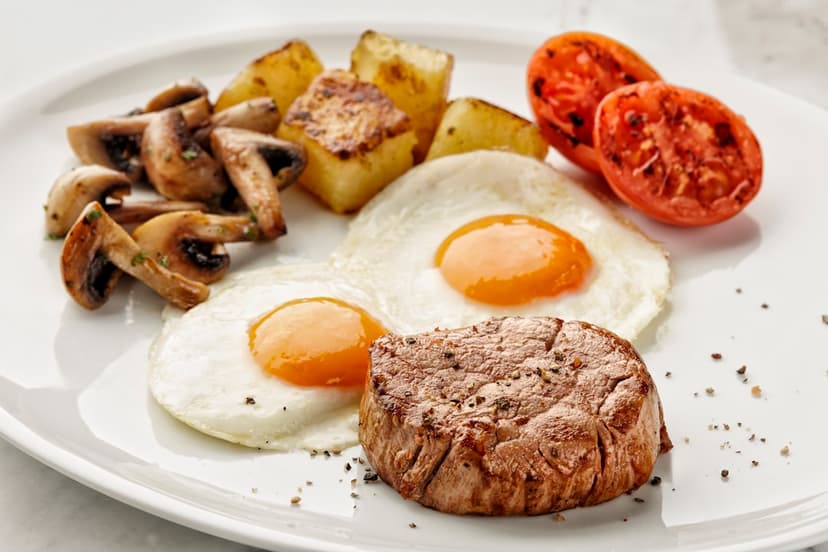
How to Hit 40g Protein in One Meal, Accurately
A common mistake is thinking you are eating “enough protein” because your plate looks protein-heavy. This approach argues that guessing is exactly why many women end up under-eating protein, even if calories are high. The fix is practical: use a food scale and a tracking app long enough to learn what 40 grams of protein actually looks like. The video’s example shows how 4.6 ounces of chicken thigh lands at about 40 grams of protein, while also accounting for fat. Once you learn the visual, you can rely less on tools.

Muscle-Building Diet Over 50, A Nutritionist’s Day
If you are over 50 and feel like fat loss is harder while energy and muscle are slipping, this nutritionist’s approach focuses on two levers, protein and timing. The day starts with a high-protein breakfast (not skipping), then a simple leftover-based lunch built around protein, vegetables, healthy fats, and a small amount of slow carbs. Dinner is a smaller repeat of lunch, finished early enough to protect sleep and blood sugar. The “satiety trifecta” (protein, fat, fiber) and a consistent 12 to 14 hour overnight fast are the backbone, with practical rules for caffeine, wine, and shutting the kitchen down.

Skipping Breakfast May Cost Muscle After 50
Skipping breakfast can feel like a simple weight loss hack, but this video’s perspective argues it may backfire for adults over 50, especially women 40 plus, by undercutting muscle, workout quality, and daily energy burn. The core idea is not that time-restricted feeding is always bad, but that skipping the first meal often makes it harder to hit protein targets and may increase catabolic time after an overnight fast. A protein-rich breakfast (often 30 to 40 grams, higher if plant-based) paired with resistance training and a daylight-aligned eating window is presented as a more muscle-protective strategy.
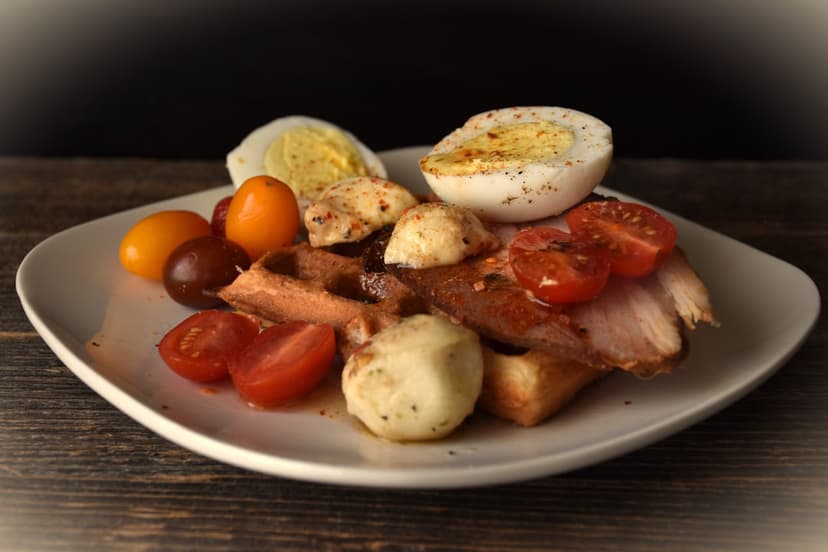
Stop Skipping Breakfast: Protein First for Athletes
Picture the classic “skinny latte and muffin” breakfast, it feels light, but it often sets you up to feel hungrier later. This video’s core message is practical: do not skip breakfast, and do not make it mostly fast carbs. Instead, start the day with a high-protein breakfast (about 30 to 40 grams), ideally eaten after you wake, get some light, and give your body time to fully “turn on.” The goal is steadier appetite, fewer cravings, and a day that is easier to manage, especially if you train or want to age with strength.
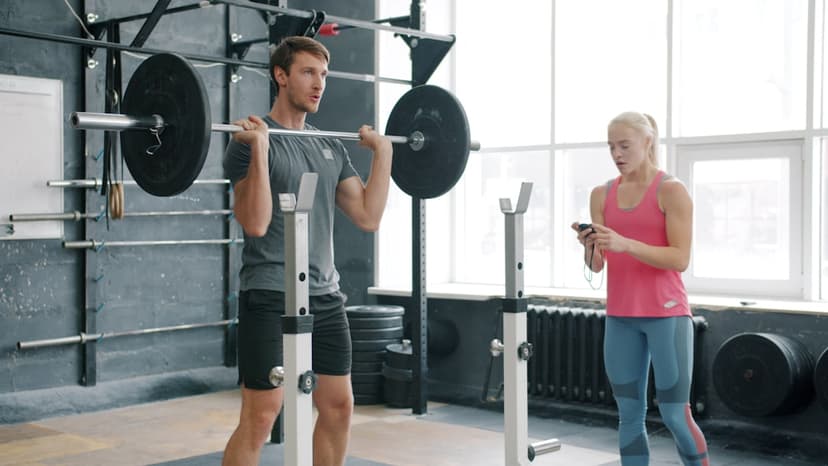
Creatine vs BCAAs for muscle recovery: key differences
Creatine is usually the better-studied option for improving training performance and supporting strength gains, which can indirectly help recovery by letting you do higher-quality work. BCAAs may be more useful when your overall protein intake is low or you train fasted, but many people get enough BCAAs from food or complete protein powders.
Doctor’s Take on Viral Health Hacks in Sports Nutrition
Most viral health advice fails in one predictable way, it takes a real body system and turns it into a shortcut. In this reaction-style breakdown, a clinician critiques TikTok claims about aluminum deodorant, lemon “deodorant,” sparkling water chugging, electrolyte stacking, cranberry “detox,” cold water fertility hacks, and pricey full body scans abroad. The throughline is simple: context matters. Your goals, symptoms, sweat losses, and risk tolerance determine whether something is helpful, neutral, or harmful. Use the video’s framework to spot red flags, avoid unnecessary testing and supplement hype, and focus on habits that actually support performance and overall wellbeing.
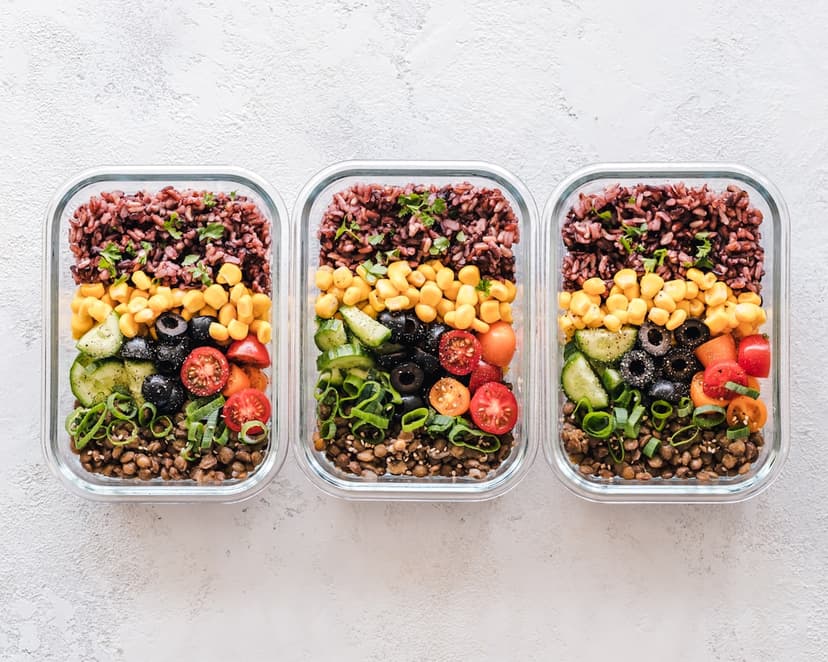
How to Lose 10 Pounds Without Starving or Living in the Gym
Trying to lose 10 pounds can feel like a puzzle, especially when you do not want to starve or spend hours at the gym. This video’s approach is refreshingly practical: start with a strong “why,” build a lifeline for tough days, then use a real monitoring system so you can adjust based on data, not emotions. The core habits are simple but specific: weigh daily and use weekly averages, track waist and hips, eat protein first and fiber second, stop eating a few hours before bed, increase daily steps, protect sleep, and add tiny “exercise snacks” after meals.

Lose Fat, Gain Muscle: Alan Aragon’s Nutrition Lens
This article follows Alan Aragon’s signature approach from the Huberman Lab conversation: stop majoring in the minors. The core priorities are total daily protein, total daily calories, and training consistency. Meal timing matters far less than most people think, especially if you ate within a few hours of training. “Only 30 grams of protein per meal” is framed as a misunderstanding of muscle protein synthesis versus whole-body protein use, and newer studies show higher doses can still stimulate muscle building in the right context. Fasted training can increase fat burning during the workout, but it often evens out over the full day when diet is matched.
What a Good Breakfast Looks Like for Athletes
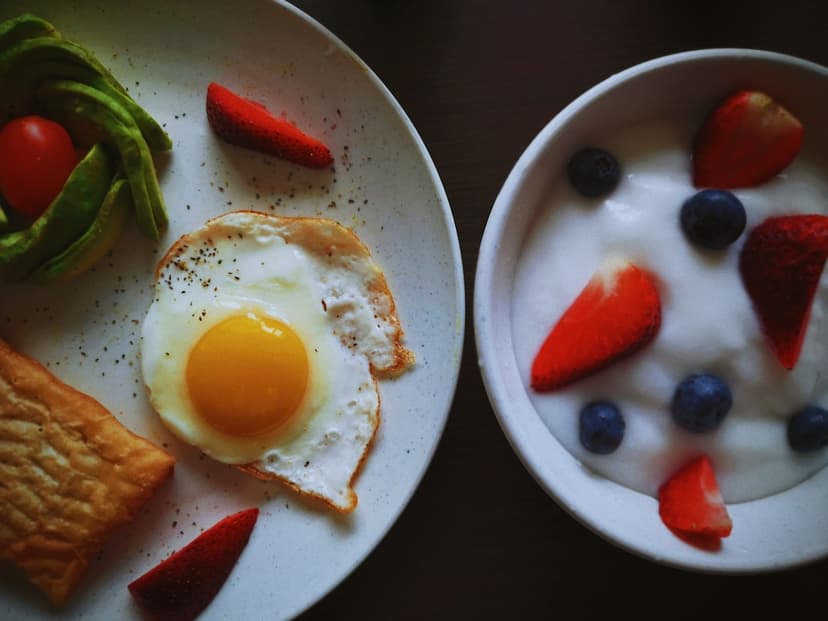
Many popular breakfasts, like avocado toast, fruit, sweetened yogurt, cereal with milk, or a muffin and latte, can look healthy but still leave out a key piece: protein. This video’s core message is simple, break your overnight fast with protein, ideally around 30 grams, to support muscle protein synthesis, feel fuller, and keep blood sugar steadier for more consistent energy. This article unpacks that perspective, shows practical ways to reach 30 grams, and covers edge cases like early workouts, low appetite mornings, and medical considerations.
Creatine vs Protein Powder for Muscle Gain
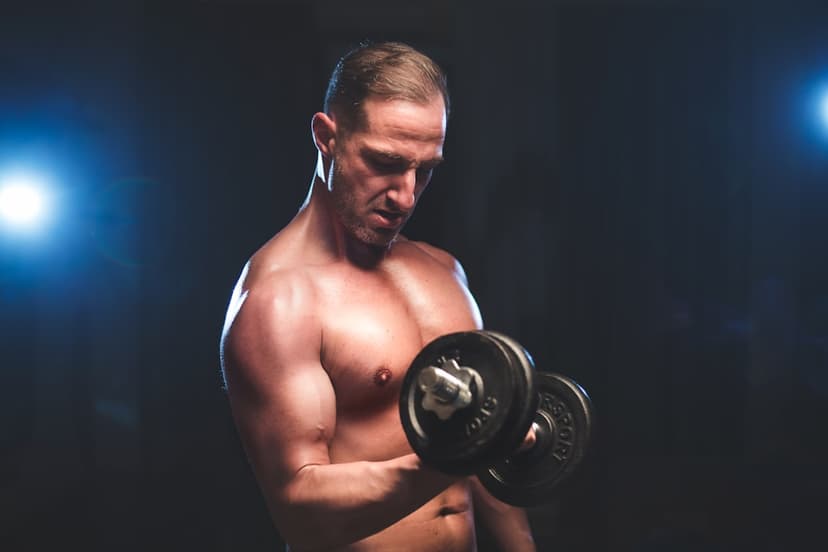
Creatine and protein powder help muscle gain in different ways: creatine mainly supports higher training output, while protein powder helps you meet daily protein needs for muscle repair and growth. Many people use one or both, depending on diet quality, training style, and tolerance. If you have kidney disease, are pregnant, or take regular medications, check with a healthcare professional before starting supplements.

Beat Weight Loss Resistance After 40: A Simple Plan
If fat loss feels harder after 40, this video’s core message is to stop chasing smaller numbers and start building a muscle-first metabolism. The blueprint is simple but not easy: eat by the plate (protein first, then non-starchy veggies, then smart fats and slow carbs) and by the clock (eat earlier, stop 2 to 4 hours before bed, avoid snacking). Pair that with daily steps, consistent resistance training, and true HIIT only twice weekly. Finally, protect sleep and manage stress, because cortisol and poor recovery can undermine everything. Track your food, steps, sleep, and body composition, then change one big rock at a time.
Is Tap Water Really Dehydrating You? Exploring the Claims
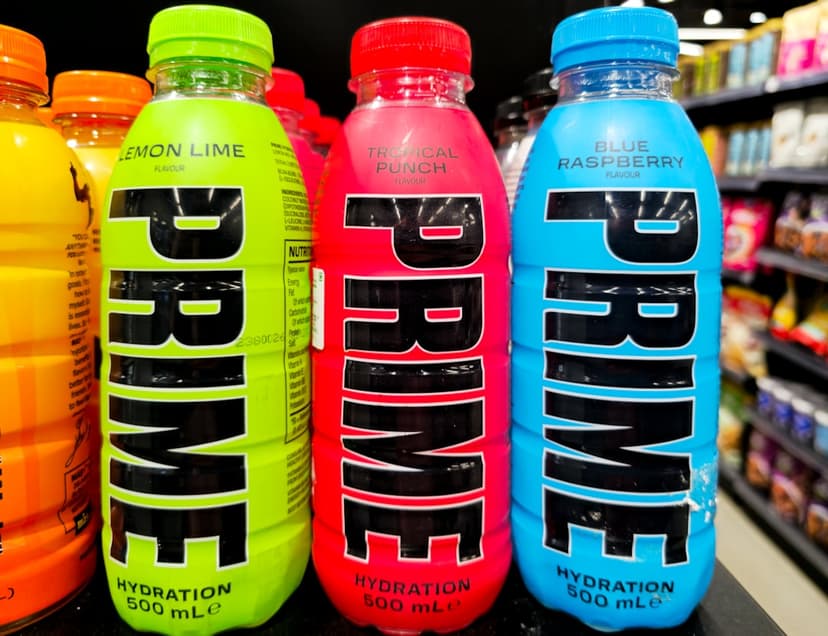
In sports nutrition, proper hydration is often misunderstood. The video challenges the idea that plain tap water is enough for hydration, suggesting it may deplete electrolytes instead. While some health claims are debunked, the video's expert emphasizes the importance of balanced electrolyte intake, especially for those who sweat a lot. This article delves into these claims, backed by scientific research.