Doctor’s Take on Viral Health Hacks in Sports Nutrition

Summary
Most viral health advice fails in one predictable way, it takes a real body system and turns it into a shortcut. In this reaction-style breakdown, a clinician critiques TikTok claims about aluminum deodorant, lemon “deodorant,” sparkling water chugging, electrolyte stacking, cranberry “detox,” cold water fertility hacks, and pricey full body scans abroad. The throughline is simple: context matters. Your goals, symptoms, sweat losses, and risk tolerance determine whether something is helpful, neutral, or harmful. Use the video’s framework to spot red flags, avoid unnecessary testing and supplement hype, and focus on habits that actually support performance and overall wellbeing.
What Most People Get Wrong About TikTok Health Advice
Most viral medical and sports nutrition content fails at the same step: it skips context.
A clip grabs one real concept, like electrolytes matter when you sweat, or testicles run cooler than core body temperature, then turns it into a universal rule and a fast “hack.” The result is advice that can sound confident while being disconnected from physiology, risk, and basic clinical reasoning.
The video’s unique lens is not “never try anything new.” It is a clinician’s frustration with how online health claims are packaged as certainty, especially when they are actually guesses, jokes, or product pitches. The discussion keeps returning to a grounded idea: your body is already built with safety systems, and you can overwhelm those systems with unnecessary interventions.
This perspective also ties sports nutrition to broader wellbeing. Hydration advice is not just about gym performance, it influences blood pressure, sleep, reflux symptoms, and how you feel day to day. “Clean” lifestyle claims are not just moral language, they can create anxiety and shame that drives worse choices.
Important: If a tip claims to “detox,” “balance hormones,” or “fix inflammation” without specifying who it is for, what dose, what time frame, and what risks exist, treat it as untested marketing, not training science.
“Natural” Does Not Mean Harmless: Deodorant, Aluminum, and Lemon Hacks
The video opens with a surprisingly common internet pattern: someone confidently claims that conventional deodorants “contain aluminum,” labels aluminum a “known neurotoxin,” and then offers a cheap natural swap.
Two separate issues get tangled here. First is the difference between deodorant and antiperspirant. Antiperspirants may use aluminum salts to reduce sweating, deodorants typically focus on odor. Second is the leap from “a chemical exists” to “it is toxic in this use case.” Toxicity depends on dose, route, and exposure, not vibes.
Then comes the proposed alternative: cut a lemon in half and rub it under your arms, with the claim that half a lemon can last a week.
That is where the clinician’s warning becomes practical: lemon juice is acidic, and repeated application on sensitive underarm skin can irritate the skin barrier and trigger contact dermatitis (skin inflammation from irritation or allergy). In sports settings, that risk can rise because sweat, friction, and shaving already stress the skin. A rash there is not just uncomfortable, it can disrupt training, sleep, and even increase infection risk if the skin breaks.
The “eat clean and you will not smell” claim
A bonus tip in the clip suggests that if you “eat cleanly,” you will have less body odor.
What’s tricky is that body odor is influenced by many factors: sweat composition, skin bacteria, hygiene routines, fabrics, stress hormones, and sometimes diet. Certain foods can change odor in some people, but “clean eating” is not a medical category. The video highlights how vague terms can be used to imply superiority without giving a usable definition.
There is also a subtle wellbeing point here. When health advice uses moral language, clean versus dirty, it can push people toward restrictive eating patterns. That is not a performance upgrade for most athletes.
Pro Tip: If you want a “simpler ingredient” deodorant, patch test first. Put a small amount on one underarm for a few days before switching fully, especially if you train frequently or have sensitive skin.
What the research shows: Irritant and allergic contact dermatitis are common reasons people develop underarm rashes, and fragrance, preservatives, and topical acids can be triggers. If you develop a persistent rash, a clinician can help identify whether it is irritation, allergy, or infection. For background on contact dermatitis and triggers, see the American Academy of Dermatology overviewTrusted Source.
Carbonation, Burping, and Reflux: A Performance Problem in Disguise
One of the most memorable moments in the video is the sparkling water challenge: chug it and do not burp.
The reaction is immediate. Holding in gas is not a health flex, it is a setup for discomfort.
The deeper point is about reflux. For some people, rapid intake, carbonation, and pressure changes can increase the chance of stomach contents moving upward. The clinician goes beyond the usual “heartburn” framing and calls out laryngopharyngeal reflux (LPR), where refluxate reaches the throat area.
That matters because LPR can look like something else. People may notice chronic cough, sore throat, hoarseness, or mucus in the back of the throat, and assume it is infection or allergies. In athletes, that confusion can lead to unnecessary supplements, unnecessary antibiotics requests, or training through symptoms that are actually reflux driven.
A practical sports nutrition angle is timing. Carbonated drinks right before training, during intense sessions, or close to bedtime can be more likely to cause symptoms in sensitive people. That does not mean carbonation is “bad,” it means you should match it to your body and schedule.
Did you know? Reflux is common enough that many people self-treat without realizing that throat symptoms can be reflux related. If you have persistent cough or throat clearing, a clinician can help you sort out reflux versus asthma, allergies, or infection.
For a medically grounded overview of reflux and LPR style symptoms, see the National Institute of Diabetes and Digestive and Kidney Diseases on GERDTrusted Source.
Cold Water Fertility Claims and the Bigger Picture of Recovery
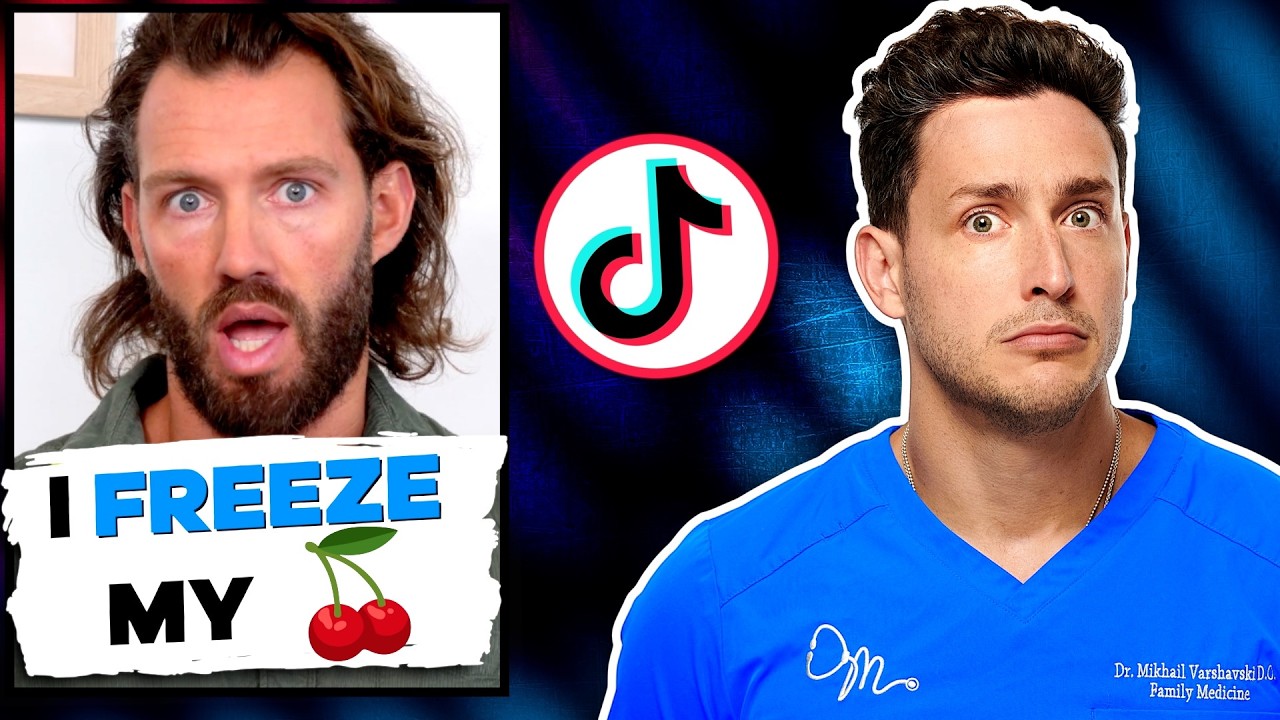
The video reacts to a clip claiming: “I put my balls into ice cold water for 3 minutes every single day to enhance my fertility.”
The clinician’s response is both blunt and physiologic. Testicles are designed to be a few degrees cooler than core body temperature, which is why they sit outside the body cavity. That does not mean freezing them improves fertility.
This is a useful moment for sports audiences because it shows how biohacking culture often confuses a directionally true concept with an extreme dose. Yes, overheating can impair sperm quality in some contexts, and prolonged heat exposure is a known concern. But “cooler than core temperature” is not the same as “ice bath the genitals daily.” Extreme cold exposure could cause pain, skin injury, or vasoconstriction related issues, and it is not a standard fertility intervention.
The bigger takeaway is the one the clinician states directly: fertility and sperm quality depend heavily on overall health. Sleep, alcohol intake, smoking, body weight, certain medications, infections, and heat exposure patterns can all matter. For athletes, chronic energy deficiency and overtraining can also disrupt reproductive hormones.
If fertility is a real goal, it is reasonable to speak with a qualified clinician rather than experimenting with extremes.
Q: If testicles are supposed to be cooler, does cold plunging improve fertility?
A: Cooler than core temperature is normal physiology, but it does not automatically follow that ice cold exposure improves sperm parameters. Fertility is influenced by overall health, hormones, sleep, heat exposure, and medical conditions, so a targeted evaluation is usually more informative than extreme hacks.
If you are trying to conceive and are concerned about fertility, consider talking with a clinician who can review medications, lifestyle factors, and whether any testing is appropriate.
Dr. Pasha, clinician perspective from the video
For evidence-based fertility background, including how lifestyle factors can influence reproductive health, see the CDC fertility resourcesTrusted Source.
Training “Unpredictable” Can Become Unnecessary Injury Risk
Not all bad health advice comes in supplement form.
Some of it shows up as “hardcore” training content that is really just risk content.
The video reacts to a basketball drill involving water on the floor and unstable movement, framed as training in the unpredictable. The clinician’s point is simple: slick surfaces and high speed cutting are a recipe for falls, ankle sprains, knee injuries, and head impacts.
This connects to overall wellbeing because injuries are not isolated events. A significant injury can disrupt sleep, increase stress, alter eating patterns, and reduce social activity. For competitive athletes, it can also trigger a cycle of pain management decisions, including unnecessary imaging, unnecessary injections, or rushed return to play.
A quick note on “don’t round your back” content
The video also includes a quick jab at a clip warning about rounding the back and putting pressure on discs.
Spine mechanics are real, but simplistic fear-based cues can be unhelpful. Many people can flex their spine safely in daily life, and some training approaches intentionally include spinal flexion under controlled loads. The bigger point is that technique cues should match the person, the load, the fatigue level, and the goal, not become universal panic.
What the research shows: Injury risk increases when you combine speed, fatigue, and unstable or slippery environments. For general injury prevention principles and safe training progression, the American College of Sports MedicineTrusted Source provides position stands and educational resources that emphasize progressive overload, adequate recovery, and appropriate technique.
The Full Body Checkup Trap: When More Testing Helps Less
A major segment of the video critiques a “VIP full body checkup” marketed as a luxury experience in Turkey.
The framing is important. The tests look thorough, and the price looks like a bargain compared with the United States. But the clinician highlights a core screening principle: you do not run broad diagnostic tests on healthy people just because you can.
Here is why. When you test large numbers of low-risk people, you will find incidental abnormalities that may never cause harm. Those findings can trigger follow-up scans, invasive procedures, or repeated labs. That cascade can cause real physical harm, financial harm, and health anxiety.
This is not an argument against preventive care. It is an argument for evidence-based screening, meaning tests that have been shown to improve outcomes in certain age groups or risk profiles.
The video also flags a practical safety concern about medical tourism. The clinician mentions a warning and emphasizes planning carefully, ideally speaking with a medical expert at home first. They also note that legal recourse for malpractice can be limited, and if something goes wrong without appropriate insurance coverage, getting out of the situation can be difficult.
Important: A “full body scan” is not the same thing as preventive care. Preventive care is targeted, age and risk based, and designed to reduce illness and death, not to generate more findings.
For a mainstream overview of why some screenings are recommended and others are not, see the US Preventive Services Task Force recommendationsTrusted Source.
Hydration Content That Sells Products: Electrolytes, Colostrum, Cranberry
The hydration segment in the video is a perfect example of how sports nutrition gets hijacked by marketing.
The claim begins with a provocative line: if you are drinking plain water, you are probably not properly hydrated. Then it escalates into warnings about “depleting electrolytes and minerals” if you drink tap water, plus suggestions to filter water due to “weird stuff.” Finally, it lands on a stack: electrolytes, colostrum for immunity and gut health, and cranberry for bloating and water retention.
The clinician’s critique is not that electrolytes are useless. It is that they should be used with a purpose.
When electrolytes can make sense
Electrolytes, especially sodium, help maintain fluid balance and support nerve and muscle function. They can be useful when sweat losses are high, such as long endurance sessions, hot environments, or heavy sweaters with visible salt on clothing.
But the video points out a reality many people ignore: most people already consume plenty of sodium in their daily diet. Adding electrolyte products on top of a high-sodium diet can be unnecessary, and for some individuals, it may be counterproductive for blood pressure management.
A simple way to think about it is replacement. If you are not losing much through sweat, you may not need much replacement.
For science-based hydration guidance, including sodium considerations for athletes, see the American College of Sports Medicine hydration guidanceTrusted Source.
Colostrum and “grass-fed” framing
Colostrum is marketed heavily for immunity and gut health. The video’s tone here is skeptical, especially about the “grass-fed” qualifier being used as a signal of detoxifying superiority.
Research on bovine colostrum is mixed and context dependent. Some studies suggest potential benefits in certain athletic or gut permeability contexts, but it is not a universal need, and product quality varies. If you are considering it, it is worth discussing with a clinician or sports dietitian, especially if you have dairy allergies, immune conditions, or are subject to tested sport rules.
For an evidence-oriented overview of supplement safety and contamination risks, see the NIH Office of Dietary SupplementsTrusted Source.
Cranberry for bloating and “water retention”
Cranberry is best known for its relationship to urinary tract health, not as a general bloating cure. Many cranberry products also contain significant added sugar, which the clinician highlights as a major practical issue. When a drink is sold as “hydration” but delivers a sugar load, you may be solving one problem while creating another.
This is where sports nutrition connects to overall wellbeing. Extra sugar intake can be appropriate around intense training for some athletes, but it should be intentional, not hidden behind wellness language.
What the research shows: Added sugars are easy to overconsume because they are often delivered in drinks. The American Heart Association guidance on added sugarsTrusted Source explains why many people benefit from keeping added sugar modest, especially outside of training needs.
A Better Filter for Health Claims: Practical Rules You Can Use Today
The video includes a sharp analogy about distrusting medical professionals. The clinician compares it to refusing to trust pilots and deciding to fly the plane yourself.
The point is not blind trust. It is that expertise matters, and internet confidence is not a substitute for training.
Here is a practical filter that matches the video’s energy, skeptical of hype but still action oriented.
How to sanity-check a viral health tip
Ask, “Is this a screening test or a diagnostic test?” Screening tests are for people without symptoms, diagnostic tests are for people with symptoms. The “VIP full body checkup” issue is often a misuse of diagnostic testing as entertainment.
Look for a clear mechanism and a clear limit. “Electrolytes help hydration” is a mechanism. The limit is that you need them primarily when losses are high. If a clip has no limit, it is usually selling something.
Check whether the advice increases risk without increasing benefit. Lemon underarms increases irritation risk. Chugging sparkling water without burping increases reflux risk. Slippery-floor drills increase injury risk.
Notice when language is vague on purpose. “Detox,” “clean,” “weird stuff,” and “boost immunity” can be used to avoid measurable claims.
Prefer habits over hacks. The clinician repeatedly returns to basics: balanced lifestyle, hydration that matches sweat, exercise, and seeing a physician when something is wrong.
»MORE: If you want a simple self-check worksheet, create a “Hype vs Help” note on your phone with three lines: What is the claim, what is the risk, what would change my mind. Use it before buying a supplement or copying a hack.
A small, weird exception that proves the rule
The video mentions a quirky example: kidney stones and roller coasters. A small study suggested that the jarring motion of certain rides might help move a stone into a position that makes passage more likely.
That anecdote is not a recommendation for self-treatment. It is a reminder that real medicine is specific: stone size, location, symptoms, infection risk, and pain control all matter. If you suspect a kidney stone, it is safer to get medical guidance rather than experimenting with high-speed rides.
For kidney stone basics and when to seek care, see the NIDDK kidney stones overviewTrusted Source.
Q: Do I really need to “take control” of my healthcare by ignoring experts?
A: Taking control usually means asking good questions, understanding your options, and making shared decisions, not replacing trained expertise with search results. A strong approach is to bring your goals, symptoms, and concerns to a clinician, then use reputable sources to understand the plan.
If a recommendation feels extreme or sales-driven, it is reasonable to seek a second opinion, especially for expensive tests, supplements, or procedures.
Clinician reasoning emphasized in the video
Key Takeaways
Frequently Asked Questions
- Are electrolyte packets necessary if I work out most days?
- They can be useful if you sweat heavily, train long, or exercise in heat, because sodium losses can be meaningful. If your sessions are shorter and you eat a typical diet, plain water plus regular meals is often enough, and it can be worth tailoring to your sweat rate and medical history.
- Can rubbing lemon under my arms replace deodorant?
- It may reduce odor for some people, but the acidity can irritate underarm skin and trigger contact dermatitis, especially with shaving, friction, and sweat. If you want to try it, patch test first and stop if redness, burning, or rash develops.
- Why can reflux cause throat mucus or cough without heartburn?
- Reflux can sometimes reach the throat area, which may irritate tissues and lead to cough, hoarseness, or throat clearing even without classic burning pain. Persistent symptoms are worth discussing with a clinician to rule out other causes and identify triggers.
- Is a cheap full body scan package abroad a smart preventive move?
- It can uncover incidental findings that lead to more testing and anxiety, and the right screening depends on your age, risk factors, and symptoms. If you are considering it, review the exact tests with a clinician at home first and understand follow-up logistics and insurance coverage.
- Does cold water exposure improve male fertility?
- Normal physiology involves testicles being slightly cooler than core body temperature, but that does not mean ice cold exposure improves fertility. If fertility is a concern, a targeted medical evaluation and lifestyle review is typically more informative than extreme hacks.
Get Evidence-Based Health Tips
Join readers getting weekly insights on health, nutrition, and wellness. No spam, ever.
No spam. Unsubscribe anytime.