Stop Skipping Breakfast: Protein First for Athletes

Summary
Picture the classic “skinny latte and muffin” breakfast, it feels light, but it often sets you up to feel hungrier later. This video’s core message is practical: do not skip breakfast, and do not make it mostly fast carbs. Instead, start the day with a high-protein breakfast (about 30 to 40 grams), ideally eaten after you wake, get some light, and give your body time to fully “turn on.” The goal is steadier appetite, fewer cravings, and a day that is easier to manage, especially if you train or want to age with strength.
🎯 Key Takeaways
- ✓This perspective treats breakfast as the day’s metabolic “tone setter,” especially when it is protein-forward.
- ✓Skipping breakfast, or choosing a high-carb coffee-and-pastry style meal, is framed as a higher-risk pattern for weight gain than a high-protein breakfast.
- ✓A practical target from the video is 30 to 40 g of protein at breakfast, with a push toward the higher end if you are over 50 or eating more plant-based.
- ✓Pairing protein with healthy fats and fiber can support satiety and a slower, steadier blood sugar response.
- ✓Eating earlier in the day and avoiding heavy late-night eating aligns with circadian rhythm, and may support metabolic health.
The example is familiar: you rush out the door, grab a skinny latte and a muffin, and call it breakfast.
This video argues that this pattern, or skipping breakfast entirely, is exactly what many active people should stop doing.
The “skinny latte and muffin” problem
The central claim is blunt: breakfast is the most important meal of the day. Not because of tradition, but because the first meal tends to shape what happens next.
The discussion highlights a study finding that people who skipped breakfast or ate a high-carb breakfast had a higher risk of obesity compared with people who ate a high-protein breakfast. In other words, in this framing, “no breakfast” is not automatically better than “some breakfast.” A protein-forward breakfast is presented as the more protective option.
What is unique here is the practical target and the “why.” The point is not that carbs are “bad,” it is that a coffee-and-pastry style breakfast can be easy to overdo, easy to digest quickly, and easy to follow with cravings.
What the research shows: Higher-protein breakfasts are consistently associated with greater fullness and lower hunger later in the day in many controlled feeding studies, compared with lower-protein breakfasts. A review in the American Journal of Clinical Nutrition discusses how higher protein intakes can increase satiety and support weight management in some people (Higher protein diets and satietyTrusted Source).
Why protein at breakfast changes the rest of your day
Protein is described as the satiety macronutrient, meaning it tends to help you feel full longer and may reduce cravings.
The “first meal effect” and appetite momentum
The video uses the phrase first meal effect, the idea that what you eat first sets a metabolic and behavioral tone for the day. Practically, that means a protein-based breakfast can make your second meal easier to manage, because you are not walking into lunch overly hungry.
This is not just willpower. Satiety is influenced by stomach stretch, gut hormones, and how quickly a meal raises and then drops blood sugar. Research suggests protein can increase satiety hormones and reduce hunger compared with carbohydrate or fat in many contexts (Protein and appetite regulationTrusted Source).
The video’s “satiety trifecta” is protein, fats, and fiber. The suggestion is that when you combine these, you get a slower, steadier rise in blood sugar, and fewer “spikes and dumps.” That steadier pattern may be especially helpful if you train, have long workdays, or struggle with late-morning snacking.
Pro Tip: If you tend to snack at 10 or 11 a.m., do not only add calories. Add protein at breakfast first, then reassess hunger. Many people simply were under-proteined early in the day.
Catabolic vs anabolic: why the morning target is 30 to 40 g
A distinctive element of this talk is the body-composition lens. Overnight, you are in a fasting state and, in simplified terms, more catabolic (breaking down). The goal of breakfast, in this view, is to help shift you toward anabolic (building up), especially if you want to maintain muscle as you age.
The practical recommendation is 30 to 40 grams of protein at breakfast, leaning toward the higher end if you are over 50 or if you eat a more plant-based diet. That second point matters because some plant proteins are less concentrated in essential amino acids per serving, so it can take more total protein to reach a similar amino acid “signal.” For readers focused on strength and performance, this aligns with broader sports nutrition guidance that distributing protein across the day can support muscle protein synthesis, particularly when total daily protein is adequate (International Society of Sports Nutrition position standTrusted Source).
Important: If you have kidney disease, are on dialysis, or have been told to limit protein, ask your clinician or dietitian before aiming for 30 to 40 g at breakfast. Protein targets should be individualized.
Timing matters: eat with your circadian rhythm
This approach is not only about what you eat, but also when you eat.
The video emphasizes eating during the normal circadian rhythm, meaning most calories earlier in the day, when you are active and when the body is more prepared to handle incoming energy.
A simple morning timeline from the video
The practical routine goes like this.
Wake up and give your body time to wake up. Getting outside and seeing sunshine is framed as a way to lower melatonin and raise cortisol, helping you feel alert.
Let your body “get ready” for food. The speaker specifically mentions getting the pancreas ready to secrete insulin, which is part of normal glucose handling.
Eat breakfast about 2 hours after waking. This timing is presented as a realistic compromise between rushing and waiting too long.
Light exposure in the morning is also supported by sleep and circadian research. Morning light helps anchor circadian rhythms, which can influence sleep timing and metabolic regulation (Light and circadian rhythmsTrusted Source).
The philosophy is summed up with the old saying: eat breakfast like a king, lunch like a prince, dinner like a pauper. The practical takeaway is to avoid doing the opposite, which is eating lightly all day and then having a large late-night meal.
What to eat: build a high-protein breakfast you will repeat
The video is clear: rule number one is a high-protein bonanza. Do not skip it.
It also offers a concrete example that matches the “protein, fats, fiber” framework: Greek-style yogurt with bone broth protein powder, freshly ground flaxseed meal, and berries.
Here are a few ways to translate that into repeatable breakfasts.
Yogurt bowl (video-inspired). Start with Greek-style yogurt, stir in a protein powder you tolerate, add freshly ground flaxseed for fiber and fats, then top with berries. This is designed to digest steadily and keep you full.
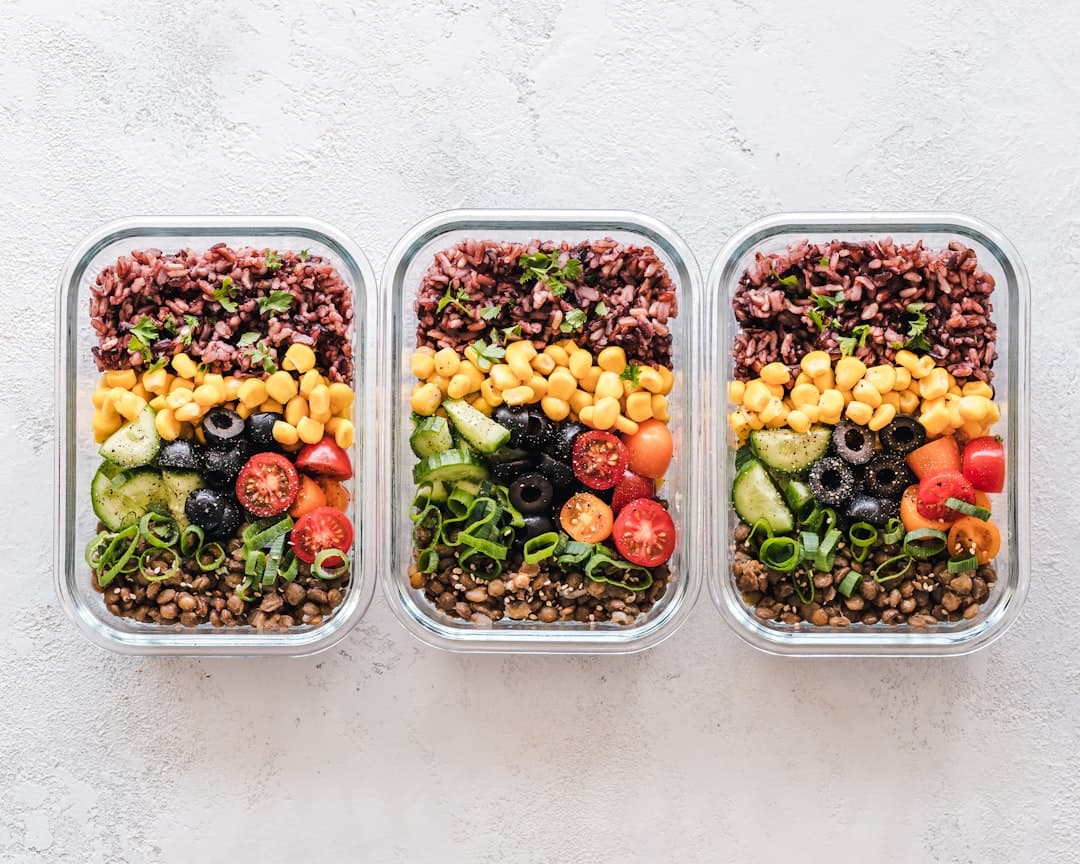
Egg-based plate. Build around eggs or egg whites plus a whole-food fat source (like avocado), then add fiber from vegetables or a small portion of slow-digesting carbs (like beans). The goal is still 30 to 40 g protein, which may mean 2 to 4 eggs plus an additional protein.
Plant-forward option. Use soy yogurt or tofu scramble as the base, then add seeds and berries or vegetables. Because plant proteins can be less concentrated per serving, you may need a larger portion, or a second protein source, to reach the 30 to 40 g target.
Shortcuts matter, because mornings are real life.
»MORE: Create a one-page “Breakfast Protein Planner” with 5 go-to meals, each with a protein estimate, a fiber add-on, and a grocery list. Keep it on your fridge so you are not making decisions at 7 a.m.
Make breakfast and dinner your “bumper meals”
A useful framing from the video is to treat breakfast and dinner as bumper meals, meals that protect your daily protein intake when life gets busy. If lunch becomes a meeting, a commute, or a random snack, you still have two anchors that help you hit a meaningful protein total.
Expert Q&A
Q: What if I am not hungry in the morning, should I still eat breakfast?
A: This video’s approach would first look at your rhythm and routine: get morning light, give yourself time to wake, then try eating about 2 hours after waking, rather than immediately. If you still cannot tolerate a full meal, consider starting smaller but protein-forward, like yogurt or a shake, and discuss persistent appetite changes with a clinician.
Sports nutrition educator featured in the video
Expert Q&A
Q: Is a high-carb breakfast always a bad idea for athletes?
A: Not necessarily. Many athletes use carbohydrates strategically around training. The specific point here is that a coffee-and-muffin style breakfast can be low in protein and fiber, and may leave you hungrier later. If you do emphasize carbs in the morning, consider pairing them with a solid protein dose to support satiety and recovery.
Sports nutrition educator featured in the video
Key Takeaways
Frequently Asked Questions
- How much protein should I aim for at breakfast?
- The video recommends about 30 to 40 grams of protein at breakfast. If you are over 50 or eat mostly plant-based, you may benefit from aiming toward the higher end, ideally with guidance from a clinician or dietitian.
- Is skipping breakfast worse than eating a high-protein breakfast?
- In the video’s framing, yes. It references research suggesting people who skip breakfast may have higher obesity risk than those who eat a high-protein breakfast, although individual needs vary.
- When should I eat breakfast if I follow circadian rhythm ideas?
- The suggested routine is to wake, get morning light, and eat breakfast about 2 hours later. This is presented as a way to align eating with your body’s natural wake cycle.
- What is a simple high-protein breakfast idea from the video?
- A Greek-style yogurt bowl with protein powder, freshly ground flaxseed meal, and berries is the featured example. It is designed to combine protein, healthy fats, and fiber for better satiety.
Get Evidence-Based Health Tips
Join readers getting weekly insights on health, nutrition, and wellness. No spam, ever.
No spam. Unsubscribe anytime.