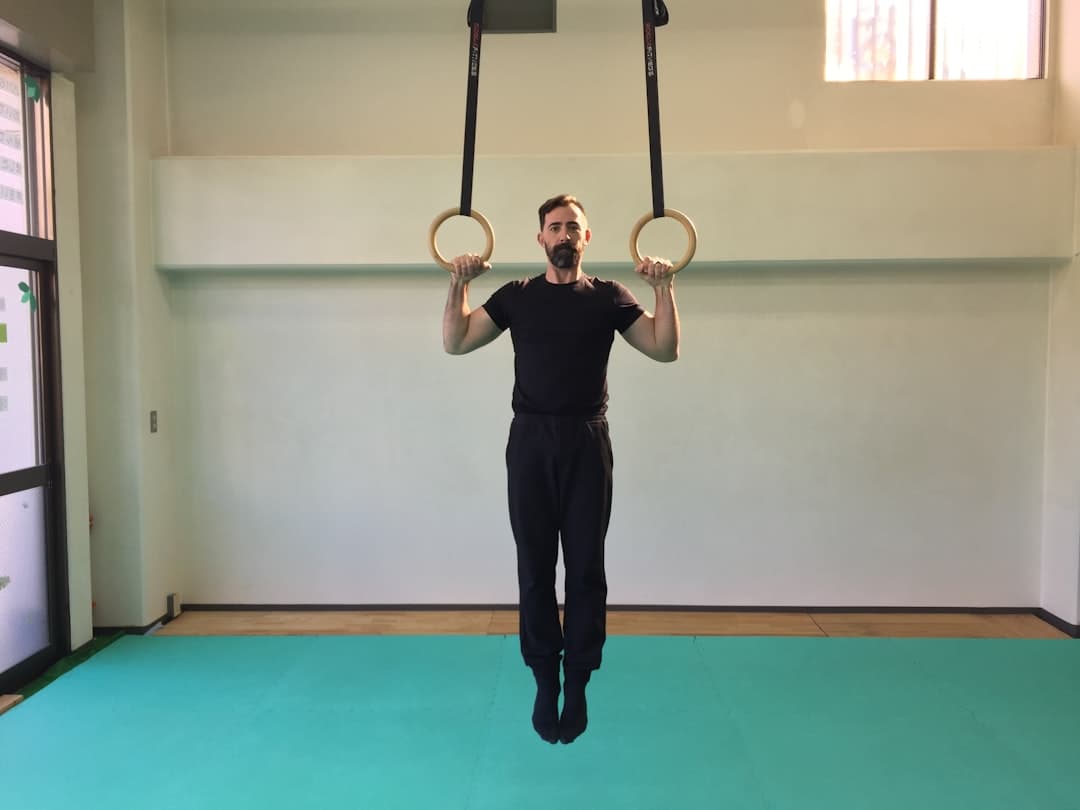
Muscle Health for Longevity, Metabolism, and Brain Power

Summary
This article unpacks Dr. Gabrielle Lyon’s muscle-centric medicine perspective, the idea that skeletal muscle is not just for aesthetics, it functions like a powerful health organ that shapes aging, metabolism, and even cognitive speed. The discussion links stronger muscles with better survivability, highlights why muscle becomes more “anabolic resistant” with age, and explains practical levers: resistance training (at least 2 days, ideally 3), weekly high intensity intervals for cognitive velocity, and protein targets closer to 1 gram per pound of ideal body weight. It also covers creatine (5 g for strength, 10 to 12 g for cognition) and fish oil as brain and muscle supports.
🎯 Key Takeaways
- ✓This muscle-centric framing treats skeletal muscle like a key health organ that influences aging trajectory, metabolic markers, and brain function.
- ✓Strength is positioned as a survivability skill, with resistance training (2 to 3 days per week) as the foundation.
- ✓As muscle becomes more *anabolic resistant* with age, many people may need higher protein per day and enough protein per meal to stimulate muscle.
- ✓High intensity interval training once weekly is highlighted for “cognitive velocity,” the speed of thinking and processing.
- ✓Creatine is presented as a clear mind muscle bridge, 5 g/day for strength support, and 10 to 12 g/day associated with cognitive benefits in some research contexts.
A third of cancer patients die from loss of skeletal muscle mass.
That single line from the conversation reframes “fitness” as something far bigger than aesthetics. In this muscle-centric view, skeletal muscle is not merely tissue you build for the mirror, it is a driver of survivability, metabolic resilience, and even how well your brain performs as you age.
The goal is not to become a bodybuilder. It is to build and maintain healthy, well-developed muscle so you can think clearly, move powerfully, and keep options open later in life.
Did you know? Muscle loss is not only about weakness. In clinical settings, low muscle mass and poor muscle quality are linked with worse outcomes during illness and recovery, which is one reason clinicians increasingly track muscle as a marker of overall health. This aligns with the broader concept of sarcopenia (age-related muscle loss), discussed by groups like the National Institute on AgingTrusted Source.
Muscle as the “health organ” hiding in plain sight
The central perspective here is bold: muscle is one of the most powerful health organs in the body.
Not because it looks impressive, but because it changes what the body can do. Healthy skeletal muscle helps regulate blood sugar handling, influences inflammation, supports physical independence, and creates a buffer when life hits hard, whether that is illness, injury, surgery, or simply the wear and tear of aging.
This is why the discussion keeps returning to a simple, almost uncomfortable truth: the stronger you are, the greater your survivability.
That statement is not about becoming extreme. It is about having enough strength to keep your balance, get up off the floor, carry groceries, recover from a hospitalization, or tolerate a demanding treatment. Strength becomes a form of “health insurance” you build in advance.
What’s interesting about this framing is that it shifts the usual public health storyline. Instead of focusing only on “too much fat,” it asks whether the deeper issue for many people is too little muscle, or muscle that is undertrained, underfed, and metabolically unhealthy.
Important: If you have heart disease, uncontrolled high blood pressure, kidney disease, are pregnant, or take medications that affect fluid balance or heart rhythm, it is smart to talk with your clinician before starting high intensity training, major protein changes, or supplements like creatine.
Why muscle health is also brain health
A large portion of your brain is dedicated to movement.
That idea sounds simple, but it has big implications. If one reason you have a brain is to coordinate complex movement, then movement quality and intensity are not separate from cognition, they are deeply linked.
This perspective highlights a chain reaction: when the body moves, the brain “grooves.” Movement provides stimulus, novelty, and a reason for the nervous system to stay sharp. It also creates a demand for nutrition and recovery, which can reinforce healthier routines.
Body composition and brain function, the key observation
The clinician in the interview described research work in geriatrics and nutritional sciences that examined body composition and brain function. The standout pattern was striking: people with healthier body composition tended to have better brain function, while higher levels of overweight were associated with lower brain volume.
This does not mean body size alone determines brain health. It suggests that the metabolic environment that often accompanies excess fat and low muscle may be part of the story, including insulin resistance, inflammation, and reduced physical activity.
The headline claim from the conversation is direct: the number one thing someone can do for their brain is to have healthy skeletal muscle, and to use it well.
“Cognitive velocity” and why intensity matters
Endurance training is praised for cardiovascular benefits, and that matters. But a nuance is emphasized here: high intensity efforts appear especially relevant for “cognitive velocity,” the speed of thinking and processing.
High intensity in this context is practical, not fancy. It is “moving faster than you would like to,” long enough to feel the urge to quit, often within 30 seconds. The idea is not to suffer for suffering’s sake. It is to give the brain and body a stimulus strong enough to adapt.
What the research shows: Exercise is associated with brain benefits across the lifespan, including support for thinking and memory. Reviews from organizations like the Centers for Disease Control and PreventionTrusted Source summarize how physical activity supports brain health, mood, and sleep, all of which can influence cognitive performance.
Muscle-centric medicine, the origin story and the core claim
Muscle-centric medicine is not presented as a catchy slogan. It is presented as a response to a pattern seen in real people.
The origin story in the conversation is personal and clinical: working in a memory and aging clinic with patients facing Alzheimer’s disease, vascular dementia, and other neurodegenerative conditions. Then noticing a participant whose brain imaging looked like early Alzheimer’s, despite her efforts to follow standard advice like “eat less, exercise more.”
The key insight was that the problem did not look like “obesity” alone. It looked like unhealthy muscle, a body composition issue where muscle was underdeveloped or metabolically compromised.
This is the heart of the approach:
It is also a critique of overly simplistic health messaging. If someone cycles through losing and regaining the same 30 pounds, they may be losing muscle during each attempt, then regaining mostly fat. Over years, that can quietly erode strength and metabolic flexibility.
Protein and aging: the anabolic resistance problem
Muscle does not respond to food and training the same way forever.
Aging muscle can become more anabolic resistant (the first time you see this term, think: more resistant to growth and repair signals). In plain language, older muscle often needs a stronger signal to adapt.
Two major signals are highlighted:
Why protein needs may increase with age
A counterintuitive point is emphasized: many people may need more protein as they age, not less.
The usual guideline for adults, 0.8 g/kg/day, is described as a minimum to prevent deficiency, not a target for optimal aging or strength. For optimization, the conversation recommends approximately 1.6 g/kg/day, or close to 1 gram per pound of ideal body weight.
That is a high intake for some people, and it is not a mandate. But it is a clear “north star” in this framework.
A practical detail that makes this approach feel different is the focus on protein per meal, not only protein per day. The argument is that the body needs a discrete protein dose at a meal to stimulate muscle tissue. One example given is roughly 5 ounces of chicken in a meal, with other options like lean yogurt, lean beef, or fish.
Pro Tip: If you are trying to raise protein, start by upgrading one meal you already eat. Add a clear anchor, for example Greek yogurt, eggs, fish, chicken, tofu, or a protein-forward smoothie, then build from there.
Common nutrition myths that stall muscle progress
Nutrition advice often fails because it is built on fear.
This conversation calls out several beliefs that can keep people, especially women, from training and eating in a way that supports muscle.
These myths matter because they can lead to under-eating protein while also avoiding the very training that keeps muscle responsive.
Supplements through the muscle and brain lens
Supplements are not positioned as magic.
They are presented as tools that can support a foundation of training and nutrition, especially when it is hard to get enough of certain nutrients from food alone.
Creatine: the “mind muscle” bridge
Creatine is described as one of the most well-studied performance supplements for energy and force production.
The dosing details in the discussion are specific:
A practical point is also made: whether you take 10 grams all at once or split it (for example 5 and 5) is less important than what you can consistently do. “Whatever is easiest” is the adherence strategy.
This aligns with broader research interest in creatine for brain and muscle, including its role in cellular energy buffering. Reviews in journals such as those summarized by the International Society of Sports NutritionTrusted Source discuss creatine monohydrate’s safety and performance effects, primarily in muscle, with emerging discussion of possible cognitive contexts.
Important: Creatine can affect lab readings like serum creatinine (a kidney marker) without necessarily indicating kidney damage. If you use creatine and get bloodwork, tell your clinician so results are interpreted correctly.
Fish oil: inflammation, muscle, and brain structure
Fish oil is recommended from the memory and aging clinic context, which is a unique detail in the conversation.
The rationale is twofold:
It is also framed as difficult to eat enough omega-3s consistently, while supplementation makes the dose more predictable. For background on omega-3s and heart and brain related benefits, the NIH Office of Dietary SupplementsTrusted Source provides a balanced consumer overview.
Exercise priorities: train for life, not for the gym
“We’re not training to get better at exercise. We’re training to get better at life.”
That line is the practical philosophy of the entire episode. Exercise is judged by carryover, can you pick up a toddler, prevent a fall, recover from illness, keep your independence, and maintain cognitive sharpness.
This approach builds a hierarchy where strength sits at the base.
A simple weekly structure from the conversation
The recommendations are straightforward and repeatable.
The high intensity component can be done on a treadmill, air bike, rower, or any modality that lets you push safely.
Examples of “train for life” movements
The discussion highlights movements with functional crossover, including:
A memorable comparison is offered: many people will pick up a 40-pound toddler without hesitation, yet feel afraid to pick up a 40-pound weight in a gym. The argument is that training should match real life demands.
How to track muscle health with simple tests and labs
You do not need perfect metrics.
You need visible progress that keeps you engaged and honest.
This conversation separates tracking into two buckets: functional measures and bloodwork markers.
How to monitor progress in 2 categories
Here are examples named in the discussion, with practical context.
And the bloodwork markers highlighted include:
For readers who want more on how resistance training supports insulin sensitivity and cardiometabolic health, general summaries from the American Diabetes AssociationTrusted Source discuss the role of physical activity, including strength training, in glucose management.
»MORE: If you want a simple starting point, create a “muscle dashboard” with just 5 items: push-ups, loaded carry distance, weekly resistance sessions, weekly HIIT session, and daily protein estimate. Keep it visible for 8 weeks.
What’s next: hormones, tech-assisted contractions, and GLP-1 risks
The final part of the conversation looks forward, and it gets provocative.
The research interest named is andrology, the study of androgens like testosterone and other anabolic agents. The argument is not that everyone needs hormones. It is that there is a stigma mismatch in medicine.
Many people can request a medication to lose weight and face little stigma. But asking for help treating sarcopenia, or age-related muscle loss, can be viewed suspiciously, even though low muscle is strongly tied to frailty and loss of independence.
This future-facing view suggests muscle health may increasingly involve an integration of:
The conversation also raises a timely warning about GLP-1 medications. These drugs can be highly effective for weight loss, but the concern highlighted is that without a muscle-protective plan, rapid weight loss can accelerate muscle loss.
One striking claim is offered: in about 10 weeks, you could accelerate muscle aging by 20 years if weight loss is pursued without protecting lean mass. That is a viewpoint meant to provoke preparation, not panic.
If you are using GLP-1 medications or considering them, it is worth discussing muscle preservation directly with your clinician, including resistance training, protein targets, and monitoring of strength.
Expert Q&A
Q: If I’m losing weight, how do I avoid losing muscle too?
A: A muscle-protective plan usually includes progressive resistance training (at least 2 days per week), adequate protein distributed across meals, and tracking strength so you notice declines early. Rapid weight loss, low protein intake, and inactivity can increase the chance that some of the weight lost is lean mass.
If you are using medications that reduce appetite, it can be harder to eat enough protein. A clinician or dietitian can help you plan protein-forward meals that fit your appetite and medical needs.
Dr. Gabrielle Lyon, physician and researcher (as presented in the interview)
Expert Q&A
Q: Is creatine safe, and do I need 10 to 12 grams for my brain?
A: Creatine monohydrate is widely studied, and many healthy adults use 3 to 5 grams per day for performance support. Higher amounts like 10 to 12 grams were discussed in relation to cognitive benefits, but that does not mean everyone needs that dose, or that it is appropriate for every health situation.
If you have kidney disease, take diuretics, or are pregnant, ask your clinician before starting creatine. Also let your clinician know if you take creatine before lab tests, because it can affect creatinine readings.
Dr. Gabrielle Lyon, physician and researcher (as presented in the interview)
Key Takeaways
Frequently Asked Questions
- How often should I lift weights to support muscle and longevity?
- The approach discussed prioritizes resistance training at least 2 days per week, with 3 days per week as an ideal target. Emphasis is on full-body, compound movements that carry over to daily life.
- What does “anabolic resistance” mean in plain language?
- It means aging muscle may respond less strongly to the usual growth and repair signals from training and protein. Practically, many people need a clearer strength stimulus and more adequate protein intake as they get older.
- Do women get bulky from resistance training and higher protein?
- For most women, building noticeable muscle size requires sustained, progressive training and consistent nutrition over time. This perspective argues the more common problem is under-building muscle, not accidentally becoming bulky.
- Is it true you can only absorb 30 grams of protein per meal?
- The discussion challenges this as a myth, stating you absorb the protein you eat. The more nuanced issue is how much protein best stimulates muscle building at a meal, which can vary by age and context.
- What’s a simple way to track if my muscle is getting healthier?
- Use functional markers like push-ups, pull-ups or assisted pull-ups, and dead hang time, and try to improve gradually. You can also review metabolic labs like fasting insulin, triglycerides, A1C, and LDL with your clinician as part of a bigger picture.
Get Evidence-Based Health Tips
Join readers getting weekly insights on health, nutrition, and wellness. No spam, ever.
No spam. Unsubscribe anytime.