12 “Healthy” Foods With Hidden Sugar Traps
Summary
Many foods marketed as “healthy” can still behave like sugar once you eat them, even when the label says “no added sugar.” This investigative walkthrough follows Ryan, a UK nutritionist, through 12 common traps, including gluten-free wraps, keto-style protein bars, fruity yogurts, oat milk, sauces, soups, granola, and juice blends. The theme is not just grams of sugar, but how fast certain starches and sweeteners can turn into glucose and trigger a blood-sugar roller coaster. You will also find practical label-reading tips and realistic swaps that keep meals satisfying.
🎯 Key Takeaways
- ✓“No added sugar” can still mean a big glucose hit if the product is built from fast-digesting starches like tapioca, potato starch, or rice flour.
- ✓Several “diet” foods (protein bars, light dressings) often replace fat with sweeteners or highly processed fibers that may still act sugar-like in the body.
- ✓Liquid and warm foods (tomato soup, smoothies, juice blends) can deliver sugar quickly, which may worsen cravings and energy crashes for some people.
- ✓DIY swaps, like olive oil plus lemon dressing or homemade cauliflower crust with mozzarella, can reduce hidden sugars and ultra-processed ingredients.
- ✓Hidden sugars are framed as more than calories, they may affect mood, energy, cravings, skin, sleep, and perceived hunger.
A small handful of dried cranberries can top 20 g of sugar, which is framed as “more than a candy bar.”
That single comparison sets the tone for Ryan’s whole message: the biggest sugar traps are often hiding in foods that look virtuous, like gluten-free wraps, light salad dressings, and green juices.
This investigative approach is less about shaming any one ingredient and more about learning the pattern. Many products are engineered to taste good and stay shelf-stable, and sugar, syrup, fruit concentrate, and fast-digesting starches are common tools.
Did you know? Many health organizations advise keeping added sugars relatively low. For example, the American Heart Association suggests a limit of about 25 g per day for women and 36 g per day for men as a practical upper boundary for many adults (American Heart Association). A single “healthy” drink can exceed that.
The “healthy” label that hides a sugar story
The core idea here is simple: hidden sugar is not always listed as “sugar.” Sometimes it shows up as syrups, concentrates, or sweet sauces. Other times it is hiding in plain sight as starches that quickly break down into glucose.
Ryan’s framing emphasizes outcomes you can actually feel. The concern is not just weight gain or calories, it is the day-to-day experience of a blood sugar roller coaster: a quick lift in energy, then a drop into fatigue, irritability, cravings, and “false hunger.” He also links frequent spikes and crashes with brain fog, breakouts, poor sleep, and even aching joints.
That does not mean every person will react the same way to every food. Your activity level, sleep, stress, overall diet pattern, and medical conditions (like diabetes or insulin resistance) can change the picture. Still, the investigation is worth it because these products are common, and the marketing can be persuasive.
Important: If you have diabetes, prediabetes, or take glucose-lowering medications, sudden changes in carbohydrate intake can affect blood sugar. Consider checking with your clinician or dietitian before making major dietary shifts.
The starch problem, when “no sugar” still spikes glucose
This part of the discussion is a detective story about ingredients that do not look like sugar on the label but can behave similarly in the body.
1) Gluten-free wraps and breads
Gluten-free bread sounds like a clean swap. The twist is what often replaces wheat.
Ryan points to potato starch, tapioca starch, and rice flour as common foundations of gluten-free wraps and breads. His claim is blunt: these can break down rapidly into glucose and may spike blood sugar “faster than table sugar,” even when the package says no sugar.
From a physiology standpoint, it is true that many refined starches are quickly digested into glucose, and blood sugar responses vary by food processing, fiber, and what else you eat with it. A helpful way to think about it is that “sugar-free” does not automatically mean “low impact.” Carbohydrates are still carbohydrates.
What to do with this: if you rely on gluten-free products for medical reasons (like celiac disease), it may help to pair them with protein and fat, and to compare brands for fiber and ingredient quality. You can also experiment with naturally gluten-free whole foods (like beans, lentils, quinoa, or vegetables) if they fit your needs.
2) Cauliflower crusts and paleo crackers
The packaging often screams “low carb.” The ingredient list sometimes tells a different story.
The point raised is that many cauliflower crusts and paleo-style crackers use tapioca starch, cassava, or rice flour as binders. Ryan’s “in disguise” line is memorable: if it says cauliflower, you might still be eating mostly refined carbs.
He also ties this to insulin. The argument is that big blood sugar spikes can drive insulin higher, and higher insulin can make fat loss harder for some people.
Diet foods that quietly sweeten the deal
Some products are marketed directly at weight loss and low-carb eating. Ryan’s critique is that the “diet” halo can make people stop investigating.
3) Low-carb protein bars
These are often sold as keto, high protein, or low sugar.
The claim is that many are loaded with maltodextrin, tapioca syrup, and soluble corn fiber, and that these ingredients can act “just like sugar inside the body,” potentially slowing weight loss if you are dieting.
Here the bigger investigative lesson is ingredient intent. Bars are engineered to taste sweet, stay chewy, and last on shelves. That usually requires some form of sweetener, syrup, or processed fiber. If you eat them occasionally for convenience, that is one thing. If they are your daily “health food,” it is worth reassessing.
4) Fruity or low-fat yogurts
This one is a classic trap because yogurt is associated with gut health.
Ryan argues that even yogurts labeled no added sugar may include fruit purees or juice concentrates, and that this can add up to 15 to 25 g of sugar per pot, which he equates to dessert. He also claims many of the probiotics in these products do not survive stomach acid, leaving you with a “sugar bomb pudding” rather than a gut-healthy snack.
Research on probiotics is nuanced. Some strains can survive transit better than others, and effects depend on the specific strain and dose. Fermented foods can be helpful, but not every sweet yogurt cup is a probiotic powerhouse. For a general overview of probiotics and their potential benefits and limitations, see the National Center for Complementary and Integrative HealthTrusted Source.
Pro Tip: If you want yogurt but not the sugar hit, buy plain yogurt and add your own fruit. Whole berries add sweetness plus fiber, which can slow how quickly sugar is absorbed.
5) Granola and muesli
Granola looks like health food because it is associated with oats, nuts, and “natural” labels.
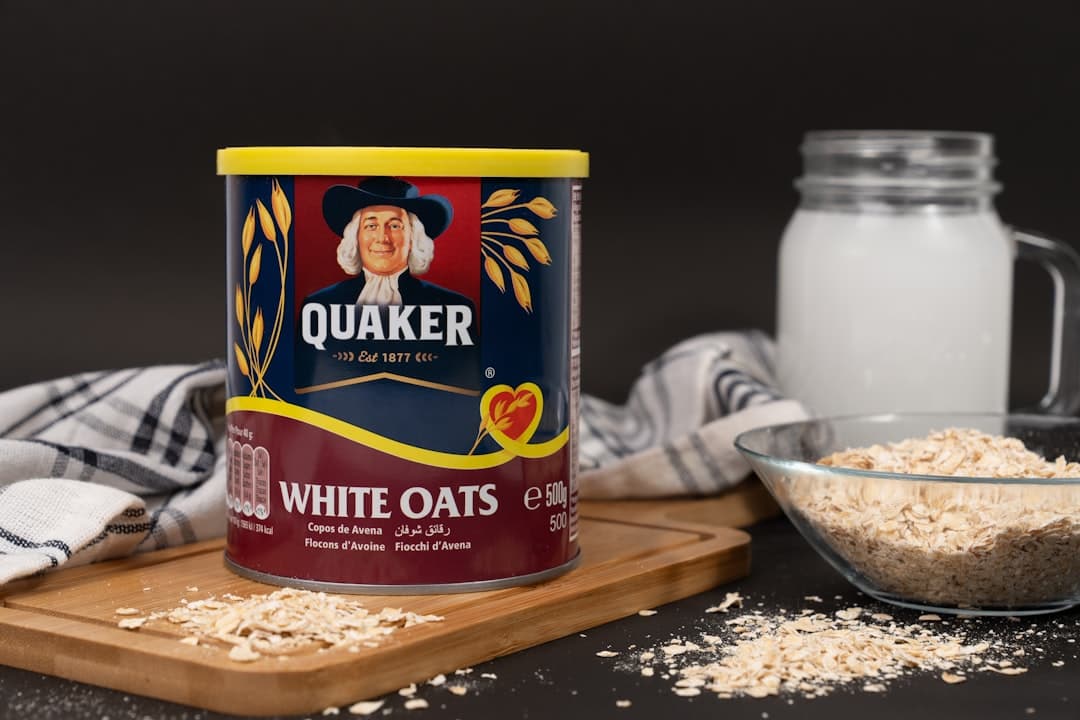
The critique here is that many granolas are packed with dried fruit and sweeteners, including “natural” and “organic” versions, with 15 to 20 g of sugar per serving before you add milk or yogurt. Ryan also calls them “crushed cereal bars in a bag” and adds a gut angle, describing them as “packed full of lectins” that can inflame the gut.
Lectins are a complex topic, and many lectin-containing foods are also nutritious, especially when cooked. Still, if a granola makes you hungrier, triggers cravings, or spikes your daily sugar, the practical takeaway stands.
Condiments and “light” add-ons that change the whole meal
Sometimes the hidden sugar is not in the main food. It is in what you pour on top.
6) Ketchup and barbecue sauce
Ryan highlights how quickly condiments add up.
A tablespoon here, a drizzle there, and suddenly a meal that felt balanced becomes dessert-adjacent.
7) Light salad dressings
“Light” often means less fat, not necessarily less sugar.
Ryan claims a small drizzle can add 6 to 8 g of hidden sugar, often from corn syrup, honey, or fruit juice. He also flags seed oils as potentially inflammatory, which is a debated area in nutrition. Regardless of where you land on seed oils, the sugar point is easy to verify by reading labels.
What the research shows: Added sugars are associated with higher cardiometabolic risk when consumed in excess, especially through sugar-sweetened beverages (CDC overviewTrusted Source). Dressings and sauces can contribute more than people expect.
8) Jarred pasta sauces
Even savory sauces can be sweetened to balance tomato acidity.
Ryan estimates many jarred sauces include 7 to 12 g of added sugar per small serving. If pasta night is frequent, this becomes a repeat exposure.
A quick investigative habit is to compare two jars side by side. Some brands truly have no added sugar, and others do not.
The liquid sugar effect, soups, oat milk, smoothies
Liquids can be a special case because they are easy to consume quickly, and they often deliver sugar without the chewing and fiber that slows things down.
9) Dried fruit
Dried fruit is not a liquid, but it behaves like a concentrated sweet.
The argument is straightforward: dehydration removes water and concentrates natural sugars, and some brands add extra sugar or syrup. Ryan’s standout example is dried cranberries, where a small handful can exceed 20 g of sugar.
If you love dried fruit for digestion, consider treating it like a sweetener, not a “free snack.” Ryan’s suggested alternative is fresh, low glycemic berries that bring more fiber with less sugar density.
10) Oat milk
This is presented as “one of the biggest sugar traps on the market.”
The key claim is processing: enzymes break down oat starch into glucose during manufacturing, meaning it can spike blood sugar “like a sugary soda,” even if it says no added sugar.
Not everyone will experience the same spike, and brands vary. If you use oat milk daily and struggle with cravings or energy dips, it may be worth experimenting with unsweetened almond milk or another unsweetened option, and checking labels carefully.
11) Tomato soup
Soup feels safe. Warm tomato soup feels even safer.
Ryan argues many brands add sugar to balance acidity from unripe tomatoes, and that a bowl can contain 15 to 20 g of sugar, similar to a chocolate bar. He also notes the “warm and liquid” format can hit the bloodstream fast.
12) Smoothies and juice blends
This is where the investigation turns into a broader critique of ultra-processed “health drinks.”
Ryan claims many supermarket smoothies and green juices are pasteurized, leaving “no live vitamin C at all.” He then argues that vitamin C is added back in a synthetic form made from highly processed corn starch using petroleum-based solvents. He also warns that a single green juice can contain up to 40 g of sugar, more than a can of soda, triggering spikes, crashes, and cravings.
It is true that pasteurization can reduce vitamin C, although amounts vary by processing and storage. It is also true that many bottled juices are high in sugar and low in fiber compared to whole fruit. If you are choosing between juice and whole produce, whole fruit is generally more filling.
For a big-picture view on limiting added sugar, the Dietary Guidelines for AmericansTrusted Source recommend keeping added sugars to less than 10 percent of daily calories for most people.
Q: Is “no added sugar” the same as low sugar?
A: Not necessarily. “No added sugar” can still mean the product contains fruit juice concentrate, purees, or fast-digesting starches that convert to glucose quickly. If blood sugar response matters to you, look at total carbohydrates, fiber, and the ingredient list, not just the front label.
Ryan, UK nutritionist (video perspective)
How to investigate your pantry like Ryan does
This is the practical heart of the video: build a repeatable method.
You do not need to ban every food listed. You do need to see the pattern, then decide what is worth it for your body and goals.
A quick 5-step label check
Scan for alternative sugar names. Look for syrups, concentrates, cane juice, molasses, and sweeteners that sound “natural” but still function as sugar.
Look for starch bases in “healthy” replacements. Gluten-free and paleo products often rely on tapioca starch, potato starch, cassava, or rice flour.
Watch the liquid calories. Bottled smoothies, green juices, and even soups can deliver sugar quickly because they are easy to consume fast.
Compare serving sizes to how you actually eat. One tablespoon of ketchup is one thing. A generous squeeze is another.
Ask what the food is replacing. A “light” dressing often replaces fat with sugar and additives. A protein bar often replaces a real meal.
»MORE: If you want a simple experiment, try a 7-day “swap test.” Keep your usual meals, but swap just one item (like oat milk to unsweetened almond milk, or sweet yogurt to plain). Track energy, cravings, and afternoon hunger.
Smart swaps that match the video’s logic
Q: Do I need to avoid these foods completely to be healthy?
A: Many people can include some of these foods occasionally and still have a balanced diet. The main point is awareness, if a “health” product is driving cravings, energy crashes, or making it hard to meet your goals, it may be worth swapping or reducing it.
Health writing team, aligned with the video’s investigative approach
Key Takeaways
Frequently Asked Questions
- Why can gluten-free bread spike blood sugar even if it has no sugar?
- Many gluten-free breads and wraps use refined starches like tapioca or potato starch. These starches can break down quickly into glucose, so the blood sugar effect can be significant even when “sugar” is not listed.
- Are protein bars always a bad choice?
- Not always, but many “low carb” bars include ingredients like maltodextrin or syrups that may behave sugar-like for some people. If you notice more cravings or stalled progress, try swapping bars for whole-food protein for a week.
- What is a simple low-sugar salad dressing I can make at home?
- A quick option from the video is one part lemon juice to two parts olive oil, plus salt and herbs. This avoids the hidden sugars that can show up in many low-fat or “light” bottled dressings.
- Is dried fruit healthier than candy?
- Dried fruit can provide some nutrients, but the sugar is concentrated when water is removed, and some brands add extra sugar. If you are watching sugar intake, fresh berries are often a more satisfying option.
Get Evidence-Based Health Tips
Join readers getting weekly insights on health, nutrition, and wellness. No spam, ever.
No spam. Unsubscribe anytime.