Castor Oil for Face and Hair: How to Use It Well
Summary
Is castor oil really “nature’s Botox”, or is it just a heavy moisturizer with good marketing? This article unpacks the video’s practical, quality-first approach: choose cold-pressed, organic, hexane-free castor oil, use only a few drops, and stay consistent for at least 6 weeks. You will learn why the oil’s unique fatty acid may help skin look plumper, how to use it around eyes without irritating them, when Jamaican black castor oil makes more sense for the scalp, and which popular claims (like cysts or “liver detox”) are not supported by evidence.
🎯 Key Takeaways
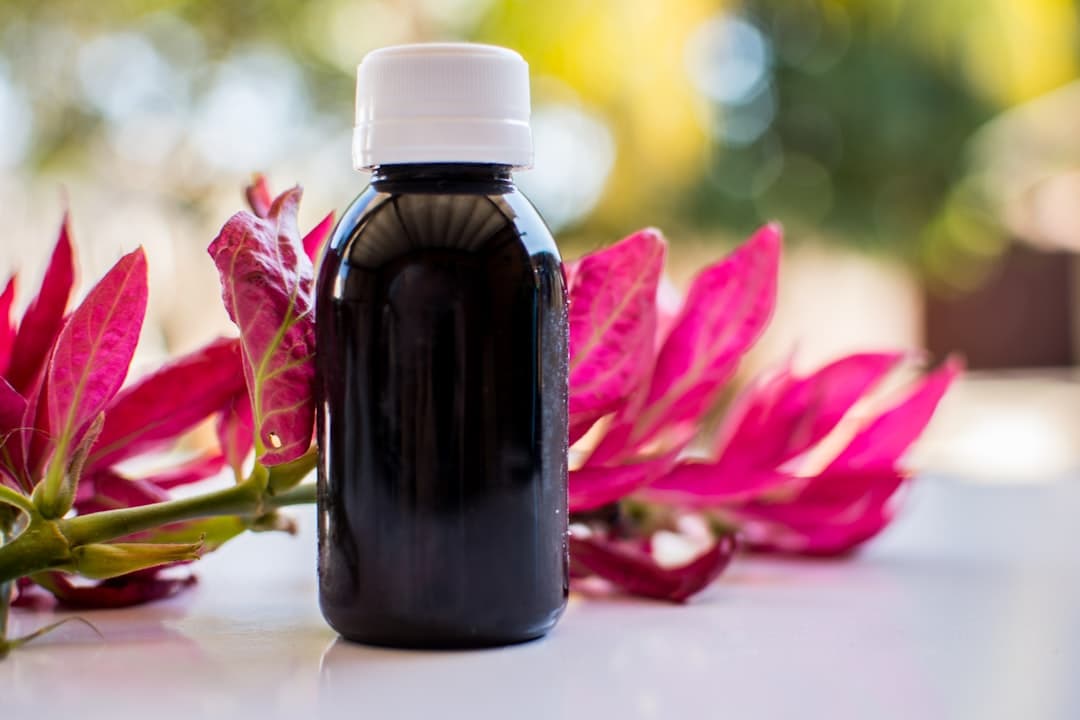
- ✓Quality matters: look for **cold-pressed, organic, hexane-free** castor oil in a **dark glass bottle** with a mild, nutty scent and thick texture.
- ✓The video’s core mechanism is **ricinoleic acid** (about 90% of castor oil), which may penetrate well and help skin hold onto water, supporting a plumper look.
- ✓For visible changes, the suggested routine is **3 to 4 drops**, massaged in, **at least 3 times per week for 6 weeks**, often best at night.
- ✓Castor oil may support the skin barrier and has antimicrobial activity, but it is **not a cure for acne**, which often has hormonal drivers.
- ✓Use **Jamaican black castor oil** mainly for the scalp, and use regular castor oil more cautiously around delicate eye skin, avoiding the eye itself.
Why do some people swear castor oil “works”, and others see nothing?
Is castor oil really the secret to youthful skin, or is it just another oily trend?
The video’s take is refreshingly practical: the biggest “mystery” is not the oil itself, it is quality and consistency. Many people try a cheap bottle once or twice, dislike the thick feel, and quit. Others use a higher-quality oil regularly and notice that fine lines look softer, especially in areas that tend to dehydrate quickly (like under the eyes and around the mouth).
There is also a long history angle here. Castor oil has been used for thousands of years in traditional beauty routines, including ancient Egyptian and Ayurvedic practices. That does not automatically mean it is a medical treatment, but it helps explain why it keeps reappearing as a home staple.
What’s interesting about this framing is that it treats castor oil less like a miracle “Botox alternative” and more like a barrier-supporting moisturizer that can change how skin looks when it is well hydrated.
Did you know? Castor oil is rich in ricinoleic acid (the video describes it as about 90% of the oil). This fatty acid is one reason castor oil behaves differently than lighter oils, because it is thick and tends to “sit” on skin longer.
Choosing castor oil that is actually worth putting on your skin
The video puts most of the emphasis here: if you buy the wrong product, you may never see the benefits people talk about.
A key concern raised is processing. Some cheaper commercial castor oils may be processed with hexane, a petroleum-derived solvent. For many people, the simple rule is: do not put solvents you do not need on your face.
Here is the checklist the video recommends, translated into an easy shopping guide:
One more practical point: castor oil is naturally sticky and heavy. That texture is part of why it can reduce the “tight, dry” feeling some people get after cleansing, but it also means a little goes a long way.
Important: If you have sensitive skin, eczema, or a history of reacting to new skincare, consider patch testing on a small area first and check in with a dermatologist if you are unsure.
How castor oil may make skin look smoother (the “plumper” effect)
The video’s central mechanism is simple: castor oil penetrates and helps the skin hold onto water.
Castor oil is dominated by ricinoleic acid, a fatty acid the video calls rare and uniquely abundant in castor oil. The claim is that it penetrates the outer layers of skin better than many other oils. Once there, the oil can support hydration by drawing water into the skin and locking it in, which may make skin look softer, more supple, and temporarily plumper.
That “plumper” look matters because fine lines often look deeper when the surface is dry. When the outer layer of the skin is better hydrated, light reflects differently, and the skin can appear smoother even if nothing structural has changed.
The second part of the mechanism is barrier support. The video highlights castor oil’s thick, sticky consistency as a way to mimic the skin’s natural barrier, acting like a shield that reduces moisture loss and irritation.
There is also a breakout-related angle. The discussion notes castor oil has shown antibacterial and antifungal activity, which may reduce overgrowth of microbes involved in pimples. Still, the video is careful on one point: acne is often driven by hormones, so castor oil is not positioned as a cure.
What the research shows: Plant oils used as moisturizers can support the skin barrier and reduce water loss, especially in dry skin. For background on how moisturizers support the skin barrier, see the American Academy of Dermatology’s guidance on dry skin and moisturizersTrusted Source.
How to use castor oil on face, under-eyes, lashes, and brows
This is where the video gets specific, and specificity is the whole point.
A simple face routine (the video’s timeline matters)
Do not expect a one-night transformation.
The suggested routine is 3 to 4 drops, massaged deeply into the skin, at least three times per week for a minimum of 6 weeks. Many people prefer using it at night, then washing the face in the morning.
A step-by-step approach that matches the video’s logic:
Pro Tip: If castor oil feels too heavy, mix one drop of castor oil with a lighter oil (the video suggests jojoba or rosehip) so it spreads more evenly and feels less sticky.
Under-eye puffiness and tired-looking eyes
The video’s idea is that thickness can be a feature, not a flaw. A small amount may hydrate and visually plump the under-eye area.
Use a tiny amount and keep it out of the eye itself. The speaker also mentions that pharmaceutical-grade castor oil eye drops exist for dry eyes, but emphasizes not using regular castor oil as an eye drop.
Q: Is it safe to put castor oil close to the eyes?
A: Many people apply a very small amount around the orbital bone (not into the eye) to reduce dryness and improve the look of fine lines. If you get stinging, redness, blurred vision, or the oil migrates into the eye, rinse with water and stop using it, and consider asking an eye care professional for guidance.
A. Health Writer, MSc (Health Science)
Lashes and brows
The video also recommends castor oil for lashes and brows, with gentle application to nourish follicles over time. The proposed mechanism is again penetration into the follicle area and improved conditioning.
If you try this, hygiene matters. Use a clean spoolie or cotton swab, use a tiny amount, and avoid the lash line if you are prone to styes or eye irritation.
Scalp, nails, scars, and sore joints: where the video sees extra value
Castor oil is framed as a multi-use tool, not just a face oil.
Scalp and hair, including Jamaican black castor oil
For scalp use, the video prefers Jamaican black castor oil. The reasoning is practical: it may be better suited for the scalp’s needs, including dryness.
The antimicrobial angle shows up again here. A dry, flaky scalp can have multiple causes, including irritation and certain skin conditions. A heavy oil may reduce dryness by slowing water loss, and antimicrobial properties might help some people, but persistent flaking or itching is worth discussing with a clinician.
Scars and marks
The video suggests castor oil may help fade scars and marks over time by penetrating the skin and supporting microcirculation, which could help deliver oxygen and nutrients to healing tissue. It also mentions fibroblasts, the cells involved in building connective tissue.
It is important to keep expectations realistic. Scar remodeling is slow, and results vary by scar type, skin tone, and how old the scar is.
Nails
Brittle nails are another niche use. The video points out castor oil contains vitamin E, which may help condition nails and cuticles, reducing splitting.
A tiny nightly habit can be enough: one drop massaged into nails and cuticles, then let it absorb.
Sore joints and “castor oil packs”
Many people use castor oil packs for discomfort, and the video mentions arthritis pain reduction as a common reason. A pack is typically cotton fabric soaked in castor oil placed over an area of discomfort.
The speaker shares a personal use case, applying it around the neck and shoulders after long periods of reading or working. If you try packs, be careful with heat (if you add a warm compress) to avoid burns, and talk with a clinician if pain is persistent, severe, or accompanied by swelling, redness, or fever.
Q: Can castor oil packs dissolve cysts or treat fibrocystic breasts?
A: The video is clear that there is no evidence supporting castor oil packs for dissolving cysts or treating fibrocystic breasts. If you notice a new lump, breast pain, or changes in breast tissue, it is safest to get individualized medical advice rather than relying on topical remedies.
A. Health Writer, MSc (Health Science)
Multipliers: cold water, blending oils, and “skin nutrition” from within
The video’s “multiplier” idea is that topical care works better when you also support circulation, barrier health, and collagen building.
One unusual tip is submerging your face in ice water before applying castor oil. The argument is that cold exposure may stimulate circulation, and paired with the occlusive nature of castor oil, it could improve the look of skin faster. If you have rosacea or very sensitive skin, extreme cold can be irritating, so consider a gentler cool rinse instead.
The video also recommends combining castor oil with jojoba or rosehip oil. This is partly about spreadability, and partly about adding antioxidants.
Then it zooms out to diet. The suggestions are very specific:
Finally, the video pushes back on a couple of popular internet claims. It notes that castor oil packs for “liver issues” are not the best-supported approach, and suggests lifestyle strategies like intermittent fasting and an antioxidant-rich diet instead. It also suggests that for estrogen balance concerns, other nutrition and supplement conversations (like iodine from sea kelp, maca root, and DIM) may be more relevant than topical castor oil, and should be discussed with a qualified clinician, especially if you have thyroid conditions, are pregnant, or take medications.
Key Takeaways
Frequently Asked Questions
- How long does it take to see results from castor oil on the face?
- The video suggests using 3 to 4 drops at least three times per week for a minimum of 6 weeks. Many people notice the biggest difference in dryness-related fine lines when they use it consistently, especially overnight.
- What type of castor oil is best for skin?
- The video recommends cold-pressed, organic, hexane-free castor oil. It should smell mildly nutty, feel thick, and ideally come in a dark glass bottle to protect it from light.
- Can castor oil help acne?
- This approach suggests castor oil may support the skin barrier and has antimicrobial activity, which could help reduce some breakouts. It is not positioned as a cure for acne, since acne often has hormonal drivers, and persistent acne deserves medical guidance.
- Is Jamaican black castor oil better than regular castor oil?
- The video prefers Jamaican black castor oil for the scalp, especially for dryness. For delicate under-eye skin, it recommends sticking with regular castor oil and being careful to keep it out of the eyes.
- Can I put castor oil directly into my eyes for dryness?
- No, regular castor oil is not meant to be used as an eye drop. The video notes that pharmaceutical-grade castor oil eye drops exist for dry eyes, and an eye care professional can help you choose a safe option.
Get Evidence-Based Health Tips
Join readers getting weekly insights on health, nutrition, and wellness. No spam, ever.
No spam. Unsubscribe anytime.