Keep Asking Why: Women’s Voices in Nutrition Science

Summary
When you feel dismissed in a doctor’s office, a classroom, or even your own kitchen, it can be tempting to stop asking questions. This article follows a scientist’s simple message to her younger self, keep pushing, keep asking why, and keep fighting for equality, especially when doors shut. We explore how that mindset connects to nutrition and wellbeing, why women’s voices have historically been underrepresented in research, and how to build support so you are not carrying it alone. You will also find practical, low-pressure steps for advocating for yourself and others.
When “Why?” Feels Risky, But Necessary
You are sitting in an appointment, or scrolling nutrition advice online, and something feels off.
You want to ask why, but you worry you will be labeled “difficult,” “emotional,” or “too much.”
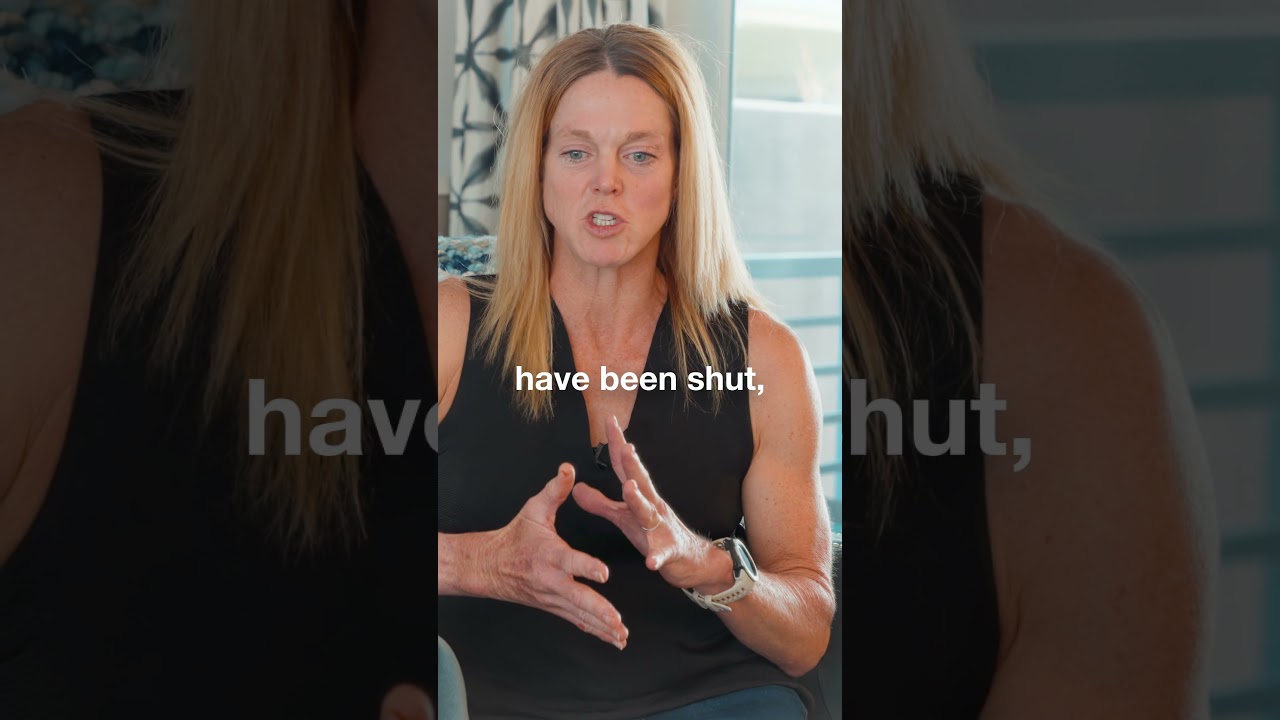
This is where the video’s perspective lands with unusual clarity: progress is not always an epiphany. Sometimes it is simply continuing to ask why, even during the darkest parts of life, and noticing when something feels unjust.
Did you know? Many areas of health research have historically underrepresented women, which can leave gaps in evidence and everyday guidance. The NIH Revitalization ActTrusted Source was a major policy step toward including women in clinical research.
The Video’s Core Ethos: Keep Pushing, Keep Fighting
The message to a younger self is almost stubborn in its simplicity: keep doing what you’re doing. Keep pushing. Keep asking why.
What stands out is the link between curiosity and equality. The argument is not only about personal ambition, it is about refusing to accept unfairness as normal.
“Doors shut, doors open” and what that does to wellbeing
The speaker describes a life with many doors shut and some doors opening, then shares a rule she now passes to PhD students, her daughter, her mom: when an opportunity comes up, she takes it because she does not want to fall backwards.
That mindset matters for health, too. When people feel powerless, stress can rise, sleep can suffer, and healthy routines can erode. A sense of agency, even small, can support wellbeing, and chronic stress is widely recognized as a health risk by organizations like the American Psychological AssociationTrusted Source.
Pro Tip: If nutrition advice feels dismissive, write down one sentence you want answered, for example “Why is this recommendation right for my body and my goals?” Then bring it to your next visit.
Why Women’s Voices Change Nutrition Science
This perspective pushes an investigative question: what happens to nutrition guidance when women’s experiences are minimized?
Research gaps can show up in subtle ways, like less precise recommendations across life stages, or fewer data on how symptoms and side effects differ. The NIH now emphasizes considering sex as a biological variable, a framework meant to improve rigor and relevance in research (NIH policy overviewTrusted Source).
A practical “ask why” checklist for food and health claims
Use this when you hear a strong nutrition claim.
Important: If you have symptoms like unexplained weight loss, persistent fatigue, fainting, or signs of an eating disorder, seek prompt medical help. Nutrition changes can interact with medications and health conditions.
Before vs After: What Changes When You Take the Chance
The video’s turning point is not a single triumph, it is a habit: taking the challenge so you can keep moving forward.
Before: You keep quiet, assume you are alone, and accept vague answers. Your health decisions get smaller.
After: You ask one more question, request clarity, and look for allies. The speaker’s reassurance is direct: you are not really in this alone, the supportive voices may simply not have come out yet.
Q: How can I advocate for myself about nutrition without sounding confrontational?
A: Try “curious language,” such as “Help me understand the reason for this recommendation,” or “What evidence is this based on, and what are alternatives?” This keeps the conversation collaborative while still insisting on clarity.
If you feel dismissed repeatedly, it can help to bring notes, ask for printed instructions, or request a referral to a registered dietitian for more detailed support.
Health writer summary of the video’s approach
Key Takeaways
Frequently Asked Questions
- Why does representation matter in nutrition research?
- If women are underrepresented, findings may not translate well across hormones, life stages, or symptom patterns. Policies like the NIH focus on sex as a biological variable aim to make results more applicable to everyone.
- What is a simple way to “keep asking why” in a medical visit?
- Bring one written question and ask for the rationale behind any major dietary change. You can also ask what signs would mean the plan is working, and when you should follow up.
- How do I find support if I feel alone in health or science spaces?
- Start small by naming one trusted person and one professional resource, such as a registered dietitian or patient advocate group. Community often builds gradually, and asking clearly can help supportive voices show up.
Get Evidence-Based Health Tips
Join readers getting weekly insights on health, nutrition, and wellness. No spam, ever.
No spam. Unsubscribe anytime.