Ultimate Bodybuilding Day: What Matters Most
Summary
A $10,000 “ultimate bodybuilding day” sounds like a shortcut, but the video’s twist is that money mainly buys convenience, not muscle. The day includes a Michelin-trained chef making high-protein Japanese oyakodon and a macro-friendly seafood risotto, a back session tuned by hypertrophy coach Joe Bennett (deadlift form, cable rows, brutal spinal erector intensity work), then a sensory deprivation float and deep tissue massage. The investigative question is what actually moves the needle. Research generally supports the basics: progressive resistance training, adequate protein, and enough total calories, plus sleep and stress management. The luxury add-ons can help consistency, but they do not replace the fundamentals.
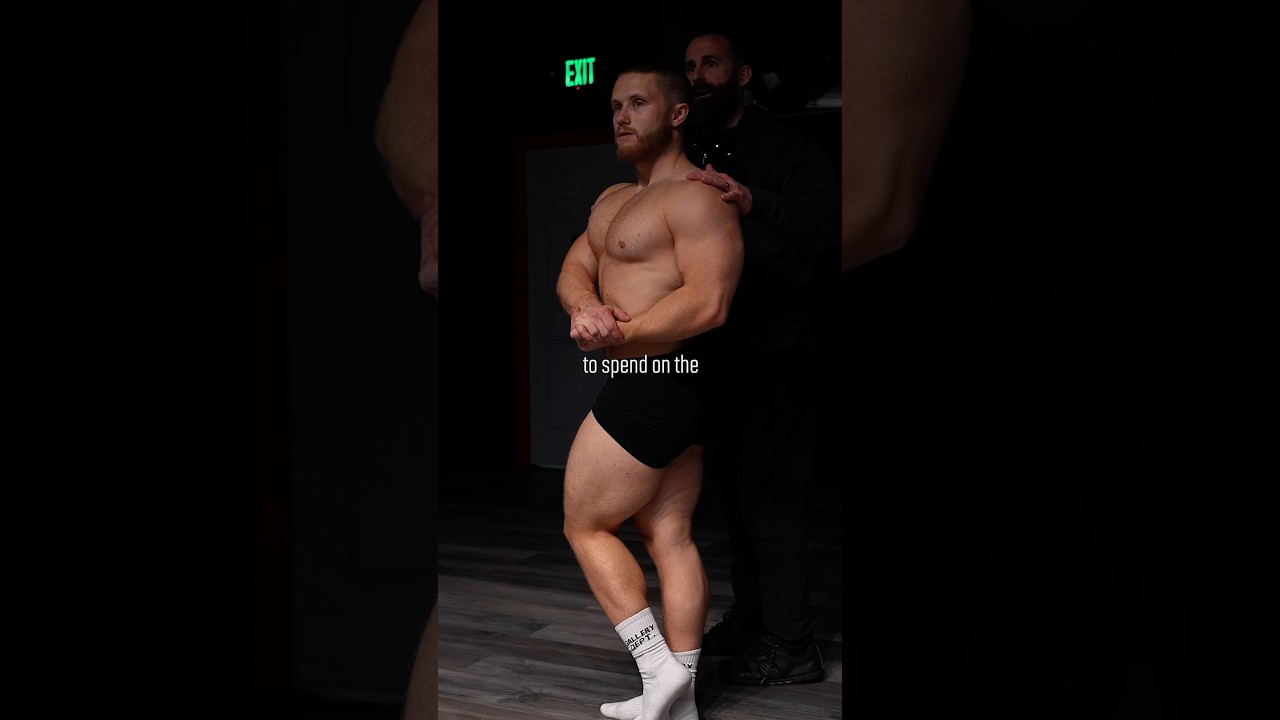
A $10,000 bodybuilding day, and the real point
The day starts like a flex: unlimited budget, then outsource everything.
A Michelin-trained, world record-breaking chef handles breakfast, a world-renowned hypertrophy coach fine-tunes the back session, then the evening is sensory deprivation floating plus a custom deep tissue massage. The surprising ending is not about luxury at all. The core claim is blunt: money can make bodybuilding easier, but getting jacked still comes down to training hard, training smart, and nailing nutrition.
Did you know? U.S. dietary data suggests many adults fall short of protein recommendations, especially at breakfast, which can make “high-protein mornings” feel unusually effective even when the real change is simply meeting needs. See the USDA Dietary GuidelinesTrusted Source for context on typical intake patterns.
Diet: the “macro-friendly” luxury that is not magic
The food choices are specific and telling: a high-protein Japanese breakfast of oyakodon (chicken, egg, and rice), then a macro-friendly pre-workout seafood risotto loaded with lobster, shrimp, and scallops.
What this approach gets right
Pro Tip: If you want the “chef effect” without the bill, pre-commit to two default high-protein breakfasts you actually enjoy, then rotate them for 2 to 4 weeks.
Training: what elite coaching changes in a back workout
The training centerpiece is not a new secret exercise. It is execution.
Coach Joe Bennett tweaks deadlift form, dials in cable rows, then uses a brutal intensity technique that “absolutely destroys” the spinal erectors. The investigative takeaway is that coaching often reduces wasted effort. Small form adjustments can shift load to the target muscles, standardize range of motion, and make progression trackable.
A practical “smart training” checklist (no hype)
What the research shows: Progressive resistance training and adequate volume are strongly linked with strength and hypertrophy, but more fatigue is not always more growth. Quality hard sets, recovered from well, tend to win long-term (ACSM resistance training position standTrusted Source).
Recovery: float tanks, deep tissue, and what to expect
Floating is described as “trippy at first” but super relaxing. That is a clue: the main effect may be downshifting stress.
Deep tissue massage after heavy pulling can feel like a reset, and some evidence suggests massage may reduce soreness perception and improve short-term recovery markers, though effects on performance are mixed (systematic review in Sports MedicineTrusted Source). Sensory deprivation float research is smaller, but relaxation and anxiety reduction are common themes in early studies (review in PLOS ONETrusted Source).
Important: If you are pregnant, have uncontrolled epilepsy, severe claustrophobia, open wounds, or active skin infections, check with a healthcare professional before using float tanks or shared facilities.
Key Takeaways
Frequently Asked Questions
- Do I need a chef to eat “macro-friendly” for muscle gain?
- No. The chef mainly improves consistency and convenience. You can get similar macro control by repeating a few protein-forward meals you like and tracking portions until you can eyeball them reliably.
- Are intensity techniques worth it for back training?
- They can be useful, but they also spike fatigue and can irritate sensitive backs if form breaks down. If you are new to lifting, returning from injury, or have persistent pain, it is smart to consult a qualified coach and, when needed, a clinician.
- Do float tanks or deep tissue massage speed muscle growth?
- They may help you relax and feel less sore, which can support consistency. The biggest growth drivers remain progressive resistance training, adequate protein, enough total calories, and sleep.
Get Evidence-Based Health Tips
Join readers getting weekly insights on health, nutrition, and wellness. No spam, ever.
No spam. Unsubscribe anytime.