What a 100-Day Macro Challenge Reveals About Fat Loss
Summary
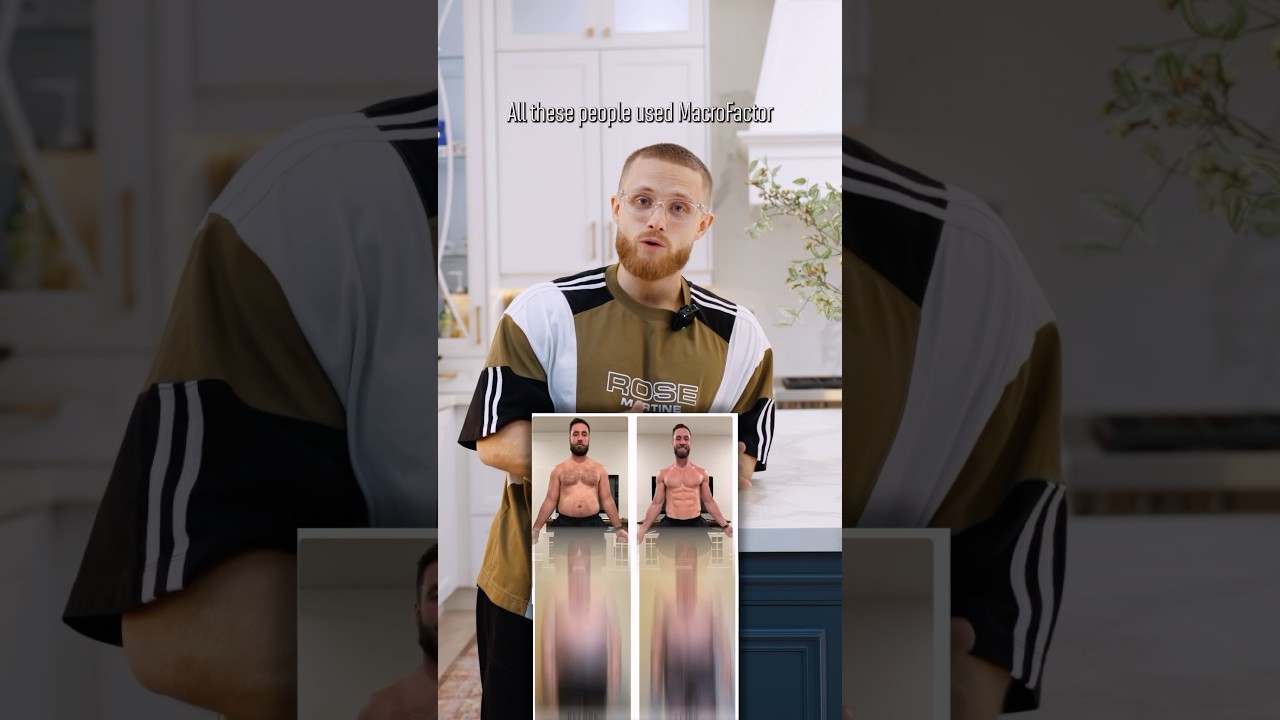
Most people think dramatic before and after results require extreme restriction or performance-enhancing drugs. This video’s angle is different: it spotlights a 100-day transformation built around consistent nutrition tracking with MacroFactor, including flexible foods like an ice cream bar and a photo-based logging feature. The winner, Kendall, also addresses “not natty” accusations and why he worries they can push younger viewers toward steroids. Below is a practical breakdown of the approach highlighted in the video, what macro tracking is actually doing behind the scenes, and how to use similar ideas in a safer, more sustainable way.
What most people get wrong about transformations
Most people assume a dramatic before and after requires either misery, magic supplements, or steroids.
This video pushes a different explanation: boring consistency, powered by tracking. The story opens with a $100,000 MacroFactor “100-day transformation challenge,” then zooms in on the grand prize winner, Kendall, who took home $50,000 after changing his physique in just 100 days.
What stands out is not a secret workout plan or a detox. It is the idea that repeated, trackable decisions add up fast when you actually measure them.
Did you know? Even modest, consistent calorie deficits can lead to meaningful fat loss over time, and tracking intake is one tool some people use to make that deficit more predictable, according to guidance on weight management from the CDCTrusted Source.
The video’s big idea: track macros, then trust the data
The framing here is simple: people used MacroFactor, tracked nutrition for 100 days, and got “real world results.” Kendall’s personal turning point was trust.
Once he started trusting the app’s macro targets, he describes a surprisingly freeing moment: “Wo, like I could eat this ice cream bar and still be good on my macros.” That is the video’s unique flavor of discipline, not perfection, but boundaries you can live with.
Why “macros” can feel easier than vague clean eating
Macros usually mean protein, carbohydrate, and fat targets. For many people, that structure reduces decision fatigue because you are not guessing whether a food is “good” or “bad.” It is more like budgeting.
What the research shows: Higher protein intakes during weight loss may help with fullness and preserving lean mass for some people, especially when combined with resistance training, as discussed in the International Society of Sports Nutrition position stand on proteinTrusted Source.
The photo feature, a friction-reducer
Kendall calls the picture feature his “best friend,” because he could take a photo and quickly see, “Oh, I’m good.” The point is not that photos are more accurate than weighing food, it is that lowering friction can improve follow-through.
Pro Tip: If detailed logging burns you out, try a “minimum viable” method first, like photo logging meals for a week, then add more detail only where you need it.
How to copy the 100-day approach without going extreme
A 100-day timeline can be motivating, but it can also tempt people into aggressive restriction. Keep the spirit of the challenge, not the extremes.
Important: Rapid body changes can sometimes reflect dehydration, under-fueling, or disordered patterns. If tracking becomes obsessive or distressing, consider pausing and seeking support.
The “not natty” conversation, and why it matters
The speaker asks Kendall how he feels about people saying he is “not natty.” Kendall’s answer is not just about his feelings, it is about influence.
He describes being “that kid scrolling through YouTube,” and he does not want a younger viewer to conclude, “Oh, you have to to look good,” and then “hop on steroids.” That is a key ethical point: transformation content can accidentally normalize risky shortcuts.
Q: If someone’s results look unbelievable, does that mean steroids were involved?
A: Not necessarily. Lighting, posing, time frame, prior training history, and strict consistency can all change how a body looks on camera. If you feel pressure to use drugs to keep up, it is a good moment to talk with a qualified clinician about safer expectations and goals.
Jordan Lee, RD (Registered Dietitian)
Key Takeaways
Frequently Asked Questions
- Is macro tracking necessary to lose fat?
- Not for everyone. Some people do well with portion guides or habit-based approaches, but tracking can make intake more measurable and consistent for those who like data.
- Can I include treats and still make progress?
- Often, yes, if overall intake and nutrition quality support your goals. The video’s example is fitting an ice cream bar within macro targets as a way to stay consistent long term.
- Is a 100-day transformation safe for everyone?
- It depends on your health status and how aggressive the approach is. If you have medical conditions, are under 18, or have a history of disordered eating, consult a clinician before pursuing rapid changes.
Get Evidence-Based Health Tips
Join readers getting weekly insights on health, nutrition, and wellness. No spam, ever.
No spam. Unsubscribe anytime.