Why Health Debates Get Politicized, and What Matters

Summary
Health topics like raw milk, fluoride, seed oils, and ultra processed foods are increasingly treated as political identity markers rather than practical risk discussions. In this video, the speaker critiques a New York Magazine series about the “Make America Healthy Again” (MAHA) movement, arguing that legitimate concerns about toxins and diet are being bundled with partisan narratives to discredit people and ideas. This article unpacks the video’s unique framing, then cross checks key claims with mainstream research on ultra processed foods, PFAS, pesticides, microplastics, and fluoride, highlighting trade offs, uncertainties, and safer, actionable steps.
🎯 Key Takeaways
- ✓The video’s core claim is that health debates are being “politicized,” which can distract from practical risk reduction around food quality and chemical exposures.
- ✓Ultra processed foods have strong evidence links to poorer health outcomes, and this is one area where most camps actually overlap.
- ✓For PFAS and some pesticide exposures, the concern is not fringe, major public health bodies acknowledge widespread exposure and potential harms.
- ✓Seed oil debates often mix short term cholesterol changes with long term outcomes, the trade off is that LDL can drop while other mechanisms (like oxidation) are debated.
- ✓Fluoride is framed as a systemic exposure with local dental benefits, the key trade off is cavity prevention versus concerns about overexposure in some settings.
Why this debate matters for public health, not politics
When nutrition and environmental health become partisan, people often stop asking the most useful question: what is the actual risk, and what is the most realistic way to reduce it?
The video’s unique perspective is not a defense of any one politician. It is a critique of how media framing can turn everyday health decisions into identity tests, like whether you avoid food dyes, filter your water, or question ultra processed foods.
This framing matters because the United States spends more per person on health care than peer countries, yet outcomes are often worse. The discussion highlights a “downstream vs upstream” tension: treating disease in the medical system versus reducing the exposures and dietary patterns that may contribute to chronic illness in the first place.
Did you know? In a large randomized trial, people eating an ultra processed diet consumed more calories and gained more weight than when the same people ate a minimally processed diet, even when meals were matched for presented calories, sugar, fat, and fiber in the design. That study is often cited as evidence that processing can change eating behavior and intake beyond simple macros, see the NIH trial summary in the paper by Hall et al., 2019Trusted Source.
The video’s central critique: a “hit piece” and a health culture map
The video breaks down a New York Magazine series about the “Make America Healthy Again” (MAHA) movement and calls it a thinly disguised hit piece. One detail the speaker keeps returning to is the cover image: children drinking fresh raw milk. In this view, the cover is not neutral, it signals to readers that the movement’s health ideas are suspect before the article even starts.
A key insight here is how the article, as described in the video, bundles together a wide range of people and topics into a single “Mahaverse” map. The speaker argues that this mapping tactic blurs meaningful differences: some figures are mainstream clinicians or researchers, others are controversial personalities, and the visual grouping encourages guilt by association.
The video also objects to the way historical figures like Linus Pauling are portrayed. The speaker sees the critique of Pauling as an attempt to delegitimize nutrition science and supplementation discussions by linking them to a “wellness to conspiratorial pipeline.” Whether or not every claim associated with Pauling holds up today, the video’s point is about rhetorical strategy: discredit the ancestor, then discredit the descendants.
What’s interesting about this approach is that it treats media narratives as a health variable. If people are persuaded that concerns about pesticides, PFAS, microplastics, or food dyes are “political,” they may stop engaging with practical steps that could reduce exposure.
Important: Media framing can influence behavior, but it does not replace risk assessment. If you are pregnant, immunocompromised, or choosing foods for infants and young children, discuss big dietary changes and food safety choices with a clinician.
Toxins, everywhere: what is solid, what is still evolving
The video’s Part Four focus is essentially: “toxins, toxins everywhere.” The speaker treats this as a legitimate worry, not paranoia, and points to modern findings like microplastics detected in human tissues.
Some of this concern is well supported at the exposure level. For example, PFAS are widely present in the environment and consumer products, and major agencies acknowledge their persistence and potential health effects. The U.S. Environmental Protection Agency has extensive background on PFAS, exposure routes, and evolving regulation at EPA PFASTrusted Source.
Microplastics are a newer area. Research has detected microplastics in human placenta and other tissues, but the clinical meaning is still being worked out. Detection does not automatically equal harm, yet it does justify precautionary steps, especially since exposure reduction often overlaps with other healthful behaviors like eating less packaged food.
The trade off is that “toxin talk” can become so broad that it feels hopeless. The video’s motivating angle is to treat it as solvable: reduce inputs where feasible instead of arguing about whether the inputs exist.
Where the evidence is strongest
A practical way to evaluate the “toxins everywhere” claim is to separate three layers.
First, do we have evidence of widespread exposure? For PFAS, yes, and for some pesticide residues, yes. Second, do we have plausible biological mechanisms? Often yes, such as endocrine disruption and immune effects discussed by professional societies, including the Endocrine Society’s scientific statementsTrusted Source on endocrine disrupting chemicals. Third, do we have clear outcome data in humans at real world doses? That is where uncertainty grows.
What the research shows: Many endocrine disrupting chemicals can interfere with hormone signaling in lab and observational human data, but the magnitude of risk varies by chemical, timing of exposure, and individual vulnerability, summarized by the Endocrine SocietyTrusted Source.
Ultra processed foods: the least controversial “MAHA” claim
The speaker sounds almost incredulous that ultra processed foods are treated as debatable. In the video’s telling, the article acknowledges harms but minimizes them, as if the concern is a cultural signal rather than a public health priority.
Ultra processed foods are not just “foods with ingredients.” They are industrial formulations that often combine refined starches, added sugars, seed oils, flavorings, emulsifiers, and packaging related exposures. They are engineered for convenience and palatability, which can make overeating easier.
A major reason this topic should be less political is that the evidence base is relatively consistent: higher ultra processed food intake is associated with higher risk of obesity, cardiometabolic disease, and other outcomes in many observational studies, and at least one tightly controlled inpatient trial found people ate more calories and gained weight on an ultra processed diet compared with an unprocessed diet, see Hall et al., 2019Trusted Source.
The video connects this to a structural argument: subsidies and the Farm Bill shape the price and availability of ingredients like corn and soy that become inputs for processed foods. That is not a claim about individual willpower. It is a claim about the food environment.
Why kids are at the center of the argument
The discussion repeatedly returns to children, from the raw milk cover image to chronic disease concerns. The speaker’s underlying point is that kids do not control their food environment, and chronic disease patterns in children should trigger upstream prevention.
That does not mean every additive is a catastrophe. It means the baseline diet pattern matters, and ultra processed foods can crowd out fiber, micronutrients, and protein quality.
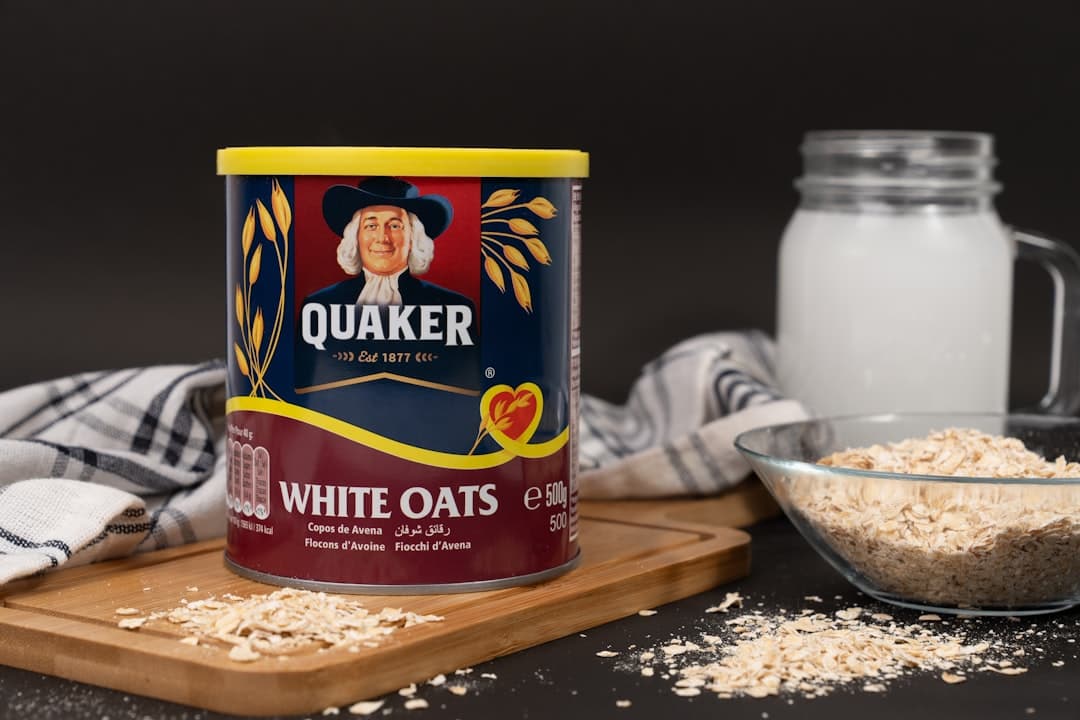
Pro Tip: If “eat less ultra processed food” feels too vague, start with one swap you can repeat daily, like replacing packaged breakfast pastries with eggs, yogurt, oats, or fruit plus nuts.
Seed oils vs beef tallow: the trade offs people miss
Seed oils are one of the most polarizing topics in nutrition media. The video argues that mainstream coverage often frames seed oils as clearly beneficial because they are unsaturated fats that can lower LDL cholesterol, while portraying beef tallow as harmful because it is higher in saturated fat.
The speaker’s counterargument has two parts. First, lowering LDL in short term studies does not automatically translate to fewer heart attacks or lower mortality. Second, higher linoleic acid intake may increase oxidized metabolites, which the speaker links to symptoms like migraines and sleep issues, referencing a randomized design he says he will review.
This is where an analytical approach helps. There are multiple “levels” of evidence, and they can point in different directions.
A diet higher in polyunsaturated fats can lower LDL cholesterol in many controlled feeding studies, and LDL is a well established risk marker. At the same time, long term outcomes depend on the replacement nutrient, overall diet quality, oxidation context, and whether the diet is built around whole foods or industrial formulations.
The trade off is not simply seed oils versus tallow. It is also deep frying versus home cooking, restaurant food frequency, and whether fats are repeatedly heated.
Important: If you have cardiovascular disease, diabetes, familial hypercholesterolemia, or are on lipid lowering therapy, do not make big dietary fat changes based on online debates alone. Review your overall pattern with a registered dietitian or clinician.
Fluoride, food dyes, and the “systemic vs local” argument
The video makes a very specific claim about fluoride: its primary benefit is local in the teeth, but fluoridated water is systemic exposure. Therefore, the speaker argues, fluoride belongs in toothpaste rather than in drinking water.
This is a values and trade offs discussion as much as a science discussion. Community water fluoridation is supported by many dental and public health groups as a population level cavity prevention strategy, particularly for communities with less access to dental care. The U.S. CDC summarizes benefits and implementation at its community water fluoridation pageTrusted Source.
At the same time, the video points to concerns about overexposure and neurodevelopment, citing court related discussion and IQ findings. The science here is contested and depends heavily on dose, timing, and baseline fluoride levels. If a household uses fluoridated water plus fluoride toothpaste plus fluoride treatments, total exposure can be higher.
The practical middle ground is to treat this as an exposure management problem. If your local water is fluoridated and you prefer to reduce ingestion, you can consider water filtration options that reduce fluoride, but you should confirm performance because not all filters remove it.
Food dyes are framed similarly. The video claims red dyes like Red 3 and Red 40 are linked with ADHD type symptoms and possibly cancer risk, and notes that some dyes face stricter rules in other countries. Evidence varies by dye and outcome, and some children may be more sensitive than others. If a child has attention or behavior concerns, a clinician can help evaluate diet changes as one piece of a bigger plan.
Q: Is it reasonable to filter water just because of fluoride concerns?
A: It can be reasonable if you are trying to reduce total ingestion exposure and you can afford a filter that is verified to reduce fluoride. The main trade off is cost and maintenance, plus the possibility of losing beneficial minerals if you use certain filtration systems.
If you have a child, are pregnant, or have kidney disease, it is especially important to discuss overall water safety and mineral intake with a clinician, and to review your local water quality report.
Jordan L. Gaines, MPH, Environmental Health Educator
Raw milk as a symbol, and the real safety question
Raw milk shows up in the video as a cultural flashpoint. The speaker argues it is being used as a political prop, a way to portray health skeptics as reckless.
But raw milk is also a straightforward food safety issue. Pasteurization reduces harmful pathogens. Public health agencies have long warned that raw milk can carry bacteria like Salmonella, E. coli, Campylobacter, and Listeria, which can be especially dangerous for children, pregnant people, and immunocompromised individuals. The U.S. FDA summarizes risks at FDA raw milk safetyTrusted Source.
The video’s broader point still stands: the cover image can be a rhetorical move. Yet the health decision itself should be separated from the rhetoric.
If someone is considering raw milk, the most responsible approach is to focus on risk tolerance, household vulnerability, and local regulations. It is also worth noting that “local farm” does not automatically mean “pathogen free.” Clean handling reduces risk but does not eliminate it.
Bird flu, recalls, and uncertainty
The transcript mentions raw milk being in the news with bird flu related concerns and recalls. Outbreak investigations evolve quickly, and guidance can change based on new evidence. For current outbreak related recommendations, it is best to check your state health department and the CDC or FDA updates rather than relying on social media summaries.
Quick Tip: If you want the nutritional profile of milk with fewer safety concerns, consider pasteurized milk or fermented dairy like yogurt and kefir, and choose options that fit your tolerance and health goals.
A practical, nonpartisan plan to lower exposure and eat better
The video ends with a macro level argument: if outcomes are poor despite high spending, it is time to look at inputs. That includes food, water, and environmental exposures, plus the economic structures that shape what is cheap and available.
You do not need to solve everything at once.
Here is a step by step plan that reflects the video’s priorities while staying grounded in practical trade offs.
How to act on the “inputs” idea without spiraling
Shrink ultra processed foods first, because it is the highest yield move. Aim to replace one daily ultra processed item with a minimally processed option you actually like. The strongest evidence for meaningful health impact is tied to overall dietary pattern, and the NIH trial suggests processing can influence calorie intake even when macros look similar on paper, see Hall et al., 2019Trusted Source.
Use packaging as a clue, not a moral judgment. Foods that live in wrappers, boxes, and bottles tend to bring more additives and more contact with plastics. This does not prove harm in every case, but it is a simple heuristic when you are shopping fast.
Target the most plausible chemical exposures. PFAS and certain endocrine disrupting chemicals have enough concern to justify avoidance where it is easy, like reducing stain resistant treatments, being cautious with old nonstick cookware, and checking local water advisories. The EPA overview is a solid starting point for understanding exposure routes, see EPA PFASTrusted Source.
Be strategic about organic spending. If budget is tight, prioritize organic for foods you eat often and that are more likely to carry residues, then buy conventional for lower residue items. Tools like the Environmental Working Group’s consumer guides are popular, but treat them as starting points rather than clinical directives, see EWGTrusted Source.
Handle the seed oil debate by focusing on cooking method and context. If most of your seed oil intake comes from restaurant fried foods and packaged snacks, cutting those will likely help regardless of your stance on linoleic acid. If you cook at home, rotate fats, avoid repeatedly overheating oils, and keep the rest of your diet whole food forward.
Decide on fluoride based on your household, not on headlines. If cavities are a major issue, fluoridated toothpaste and dental care matter. If you are trying to reduce ingestion exposure, check your water report and consider verified filtration, while keeping dental prevention strong. The CDC’s overview of benefits and safety considerations is here: CDC fluoridationTrusted Source.
Keep equity in the frame. The video emphasizes food deserts and the way cheap calories cluster in underserved communities. If your goal is “make America healthy,” it cannot be only a personal optimization project. It has to include access, pricing, and realistic cooking options.
»MORE: Want a simple shopping framework? Create a two list system: “daily staples” (eggs, beans, oats, frozen vegetables, fruit, yogurt) and “sometimes foods” (chips, soda, candy). The goal is not perfection, it is default choices.
Q: If everything is contaminated, is there any point in trying?
A: Yes, because exposure reduction is usually about lowering cumulative load, not achieving zero. Small changes like eating fewer packaged foods, improving ventilation when cooking, and choosing safer cookware can reduce multiple exposures at once.
The most sustainable approach is to pick two or three changes you can keep for months, then reassess with your clinician if you have specific conditions like thyroid disease, infertility concerns, or cardiovascular risk.
Alicia M. Ford, RD, Registered Dietitian
Key Takeaways
Frequently Asked Questions
- Are ultra processed foods really worse than regular foods?
- Research suggests higher ultra processed food intake is linked with worse health outcomes in many studies, and a controlled trial found people ate more calories and gained more weight on an ultra processed diet. The most practical step is replacing a few daily ultra processed items with minimally processed staples.
- Should I avoid seed oils completely?
- Not necessarily. Many people may benefit most from reducing fried restaurant foods and packaged snacks, which are common sources of seed oils, while focusing on an overall whole food diet. If you have cardiovascular risk factors, discuss fat changes with a clinician.
- Is filtering water worth it for PFAS or fluoride?
- It can be, but it depends on your local water report and the filter’s verified performance. Some filters reduce PFAS well, and fewer are effective for fluoride, so checking certifications and maintenance needs is important.
- Is raw milk safer if it comes from a trusted local farm?
- Local sourcing can improve handling practices, but it does not eliminate pathogen risk. Public health agencies still warn that raw milk can carry harmful bacteria, and the risk is higher for children, pregnant people, and immunocompromised individuals.
Get Evidence-Based Health Tips
Join readers getting weekly insights on health, nutrition, and wellness. No spam, ever.
No spam. Unsubscribe anytime.