Anemia or Low Iron? The Test Many People Miss

Summary
Most people think anemia is the first sign of low iron, but this video argues the opposite, many people feel awful while hemoglobin is still normal. The key step is checking ferritin, a marker of iron stores that is often skipped. This perspective also highlights who gets missed most often, especially menstruating and pregnant women, plus people with inflammation where ferritin can be misleading. You will learn the practical symptom checklist, the lab tests to ask about (CBC, ferritin, transferrin saturation), and a real-world comparison of oral iron options versus IV iron, including side effects and approximate costs.
🎯 Key Takeaways
- ✓Iron deficiency can cause fatigue and brain fog before hemoglobin drops into the anemia range.
- ✓Ferritin is the key test for iron stores, and it is often not ordered even when symptoms suggest low iron.
- ✓Inflammation can falsely raise ferritin, so transferrin saturation can help when ferritin looks normal but iron deficiency is still suspected.
- ✓Iron deficiency is very common in menstruating and pregnant women, and addressing it matters for energy and pregnancy outcomes.
- ✓Standard iron salts are cheap but often poorly absorbed and hard on the gut, while IV iron works fast but requires monitoring due to rare severe reactions.
What most people get wrong about “anemia”
Most people think the story starts with a low hemoglobin result.
This video flips that timeline. The central idea is that iron deficiency often comes first, and symptoms can show up while hemoglobin is still “normal.” In other words, you can feel wiped out, foggy, and run-down, get a routine complete blood count (CBC), and be told everything looks fine, even though your iron stores are already depleted.
The practical takeaway is simple: anemia is a late sign for many people. Iron deficiency is the earlier problem, and it needs its own test.
Hemoglobin is the oxygen-carrying protein in red blood cells, and it relies on iron. When iron stores run low, the body can sometimes maintain hemoglobin for a while by drawing down those stores. That is why the discussion keeps returning to ferritin, the marker that helps estimate stored iron.
Did you know? The World Health Organization estimates that anemia affects a large share of the global population, with figures commonly cited in the billions worldwide. See the WHO overview on anemia and iron deficiency for context: WHO nutrition guidance and anemia resourcesTrusted Source.
What is unique about this perspective is the “journey of discovery” framing: many people are not getting better because they are being evaluated for anemia only, not for iron deficiency that happens before anemia. If you have symptoms and a normal hemoglobin, the next step may not be reassurance, it may be better testing and a better explanation.
Your symptom clues, from “tired” to brain fog
Fatigue is the headline symptom.
In the video, the symptom list is intentionally plain and practical: people say they can barely get through the day, hate getting out of bed, and feel like their energy is simply gone. That matters because fatigue is also nonspecific, it can come from sleep problems, thyroid issues, depression, chronic infection, medication side effects, and more. The point here is not that fatigue always equals iron deficiency, but that iron deficiency is common enough that it should be actively considered.
The discussion also highlights symptoms that people often do not connect to iron, especially brain fog, difficulty concentrating, and a general sense that mental stamina is lower than it used to be.
What you might notice without a lab test
Some physical signs can show up, but they are often subtle.
Then there is the reality check: many people will have none of these visible signs. They just feel unwell.
Pro Tip: If you are going to see a clinician about fatigue, bring a one-week snapshot, sleep hours, menstrual bleeding pattern (if relevant), diet pattern, and any recent surgery or GI symptoms. It makes it easier to decide which labs are worth ordering.
The lab journey: CBC, ferritin, and when ferritin lies
A CBC is where most workups begin, and that is reasonable.
In the video, anemia is defined using the common hemoglobin cutoffs: below 120 g/L for women and below 130 g/L for men is typically considered anemia. Those numbers can vary slightly by lab and situation, but the bigger point is what happens next. If hemoglobin is normal, many people stop there.
This perspective argues that stopping there is exactly how people “fall between the cracks.”
Ferritin, the test that often gets skipped
Ferritin is described as the most important test for iron deficiency screening because it reflects iron storage and transport. The video also notes a policy shift: a revised ferritin threshold was raised to 30 micrograms per liter to capture more people with iron deficiency. Some research and specialty guidance use higher cutoffs in certain settings, but the actionable point is to ensure ferritin is actually checked when symptoms fit.
A useful public-facing overview of ferritin testing and iron deficiency is available from the U.S. National Library of Medicine: Ferritin blood test overviewTrusted Source.
When ferritin can be misleading (inflammation)
Here is the nuance that makes the testing strategy more human than a generic “just check ferritin.” Ferritin can rise with inflammation.
If you have inflammatory conditions or recent physiologic stress, ferritin may look normal or high even when functional iron availability is low. The video gives concrete examples: recent surgery, Crohn’s disease, rheumatoid arthritis, and other inflammatory states.
In that situation, transferrin saturation (TSat) becomes a helpful additional test. The discussion uses a practical threshold: TSat under 20 percent can support iron deficiency in the right context.
To understand why inflammation changes iron markers, it helps to know about hepcidin, a hormone that rises during inflammation and can reduce iron absorption and trap iron in storage sites. A readable overview is available here: Hepcidin and iron regulationTrusted Source.
How to talk to your clinician about labs (action-oriented)
If your symptoms fit and you want to avoid a dead end, consider asking:
Important: Do not self-diagnose iron deficiency based on symptoms alone. Iron overload and other causes of anemia exist, and taking iron when you do not need it can be harmful. The safer move is targeted testing and interpretation with a clinician.
Not all anemia is low iron: the quick map of causes
Iron deficiency is common, but it is not the whole picture.
The video estimates that iron deficiency accounts for about 75 percent of anemia, making it the dominant category. Still, the conversation quickly maps other major pathways because the “why” determines what you do next.
Here is the simplified map used in the discussion:
One practical point from the surgeon’s viewpoint is that anemia can be a clue to hidden bleeding, including bleeding from colon polyps or colon cancer. That does not mean anemia equals cancer, but it does mean unexplained anemia deserves careful evaluation.
For a general overview of anemia types and evaluation, see: NHLBI anemia overviewTrusted Source.
Why women fall through the cracks (and why it matters)
The video repeatedly returns to one group: menstruating and pregnant women.
The argument is not subtle. Many menstruating women are in a chronic negative iron balance, meaning they lose more iron than they can realistically absorb from diet alone, even with good habits. That becomes more pronounced with heavy periods.
A standout statistic is shared from Canadian research discussed in the video: about 38 percent of women of reproductive age in Canada are iron deficient, and close to three quarters of women in their third trimester are iron deficient. Even if exact percentages vary by study design and lab cutoffs, the theme is consistent across many regions: iron deficiency is common in reproductive years.
What the research shows: Iron deficiency in pregnancy is associated with higher risk of adverse outcomes, and treating iron deficiency anemia can improve maternal blood counts. For an evidence-based overview, see: ACOG guidance on anemia in pregnancyTrusted Source.
The discussion also highlights a social dimension: women’s symptoms may be under-investigated, and research funding often follows market incentives rather than burden of disability. Regardless of the “why,” the actionable message is to stop normalizing persistent exhaustion.
Why pregnancy gets special attention
Pregnancy raises oxygen demands, expands blood volume, and increases iron needs. If iron is low, the body has less flexibility. The video points to concerns about neurocognitive impacts in children and poorer pregnancy outcomes when maternal anemia is present.
If you are pregnant or trying to conceive, it is worth asking early what your hemoglobin and ferritin are, and what target range your prenatal team uses.
Expert Q&A
Q: If my hemoglobin is normal, can low ferritin still matter?
A: Yes. The key insight from this discussion is that iron deficiency can cause fatigue and brain fog before hemoglobin drops. A normal CBC can miss the problem if ferritin is not checked.
If you have ongoing symptoms, especially with heavy periods, pregnancy, or inflammatory conditions, it can be reasonable to ask whether ferritin and possibly transferrin saturation should be part of the workup.
Dr. Duncan Rosario, MD (as featured in the video)
Food and absorption: what helps, what blocks
Food is part of the solution, but it is not always enough.
The video takes a grounded approach: a well-balanced diet helps protect you, but if you are already deficient, diet alone may not catch up, especially if you are losing iron monthly through menstruation.
Heme vs non-heme iron (why it matters)
Iron from animal foods (meat, fish, chicken) is largely heme iron, which tends to be more bioavailable. Plant sources contain non-heme iron, which the body generally absorbs less efficiently.
Plant sources named or implied include green leafy vegetables, tofu, tempeh, beans, chickpeas, and lentils. These foods can absolutely be part of an iron-supportive diet, but the video’s practical warning is that plants hold onto their iron tightly, so absorption can be limited.
Simple absorption rules you can try today
A few levers can shift absorption in your favor:
»MORE: If you track symptoms, periods, and diet for two cycles, you will walk into your appointment with a clearer story. Consider creating a simple “Iron Clues” note on your phone: fatigue score, brain fog notes, period heaviness, GI symptoms, and what supplements you already take.
Treatment options, compared: oral iron vs IV iron
Treatment is not one-size-fits-all.
The video divides iron therapy into two main lanes: oral iron and intravenous (IV) iron. The best choice depends on how low your levels are, how quickly you need improvement, whether you tolerate oral products, and whether there is ongoing blood loss.
Option A vs Option B (a practical comparison)
Here is the real-world comparison emphasized in the discussion.
Option A: Standard oral iron salts (ferrous sulfate, ferrous gluconate)
Option B: IV iron (the “gold standard” for speed)
A third lane is also discussed: newer oral formulations designed to improve tolerability and absorption.
The “rust in your gut” problem (why side effects happen)
A detailed point in the video is that much of standard oral iron is not absorbed. That leftover iron can irritate the GI tract and may alter the gut environment. For many people, side effects become the barrier, not motivation.
If you have tried oral iron before and quit because you felt worse, that experience is common and worth telling your clinician. It can change the plan.
Newer oral options mentioned: sucrosomial iron
The discussion highlights a newer form called sucrosomial iron, described as iron ground into nanoparticles and coated with a sucrose-fatty layer (a “sucrosome”). The claim presented is that this coating helps bypass conventional absorption pathways and can reduce GI side effects, while achieving hemoglobin improvements comparable to IV iron in European studies.
It is also noted that this product has been widely used in parts of Europe and is available in the U.S., with plans for broader availability in Canada. The clinician in the video discloses a conflict of interest as a consultant to a company bringing it to Canada, and also states a general principle: use the cheapest, safest therapy that addresses the problem with the fewest side effects.
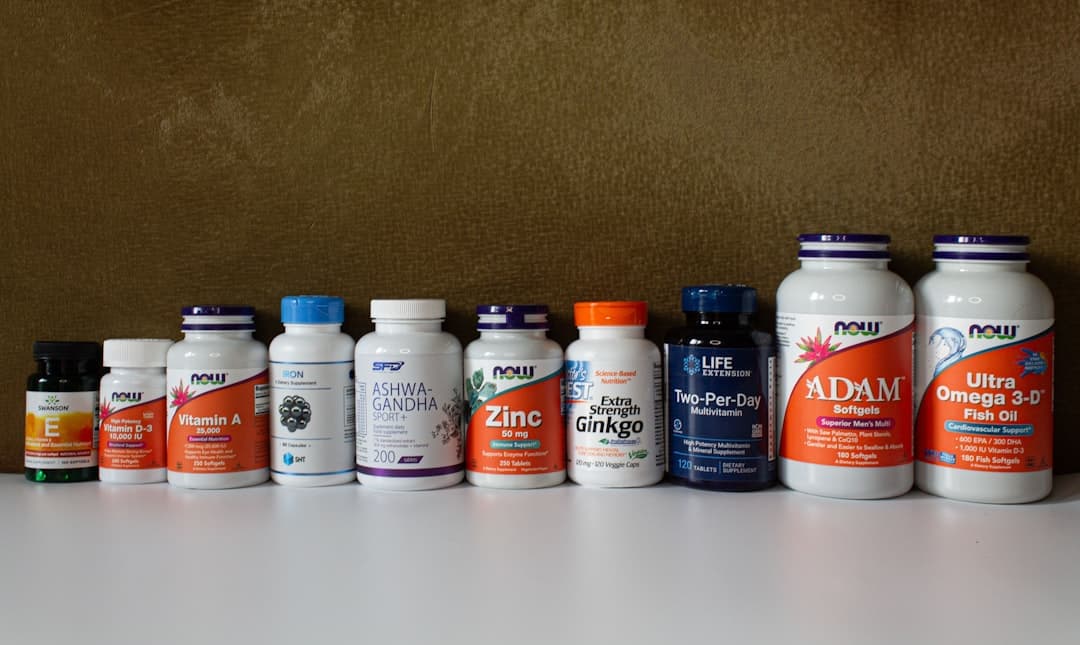
If you are considering any specific branded supplement, ask:
How long do you need iron?
Sometimes it is short-term.
If iron deficiency is related to a temporary event (for example, surgery with blood loss), supplementation may be time-limited. If the cause is ongoing (for example, heavy menstrual bleeding), some people may need longer-term strategies, including periodic supplementation and addressing the source of blood loss.
Expert Q&A
Q: Why do some people need iron for months, while others need it long-term?
A: It depends on whether the iron deficit is a one-time event or an ongoing imbalance. If you are losing iron every month through heavy periods, you may stay in a net negative balance unless intake and absorption consistently exceed losses.
The practical approach is to confirm the cause, treat what is treatable (like heavy bleeding or GI blood loss), and recheck labs to see whether stores are actually rebuilding.
Dr. Brad Weining, MD (as featured in the video)
A step-by-step plan to discuss with your clinician
This is not a prescription, it is a structured way to move from symptoms to answers.
Start with the right question. Ask whether your symptoms could fit iron deficiency even if hemoglobin is normal.
Request the right labs for your situation. Many people start with CBC, then add ferritin. If you have inflammation or chronic disease, ask whether transferrin saturation should be added.
Find the “why,” not only the number. If iron is low, discuss likely causes, menstrual loss, pregnancy demands, diet pattern, GI symptoms, recent surgery, and chronic inflammatory diseases.
Choose a tolerable iron strategy and set a recheck date. If oral iron causes GI effects, discuss alternatives, dosing schedules, or IV iron when appropriate. Plan follow-up labs so you know whether you are replenishing stores, not just feeling slightly better.
Key Takeaways
Frequently Asked Questions
- Can I be iron deficient even if my hemoglobin is normal?
- Yes. The video emphasizes that symptoms like fatigue and brain fog can appear during iron deficiency before hemoglobin drops into the anemia range. Asking about ferritin testing can help assess iron stores.
- What lab tests should I ask about for suspected low iron?
- A CBC checks hemoglobin, but ferritin helps assess iron stores. If you have inflammation or chronic disease, transferrin saturation may be useful because ferritin can be falsely normal or high.
- Why does oral iron upset my stomach?
- The discussion notes that only a small fraction of standard oral iron may be absorbed, and the rest stays in the gut where it can irritate the GI tract. This can lead to nausea, abdominal pain, diarrhea, or constipation.
- Does coffee or tea affect iron absorption?
- It can. The video advises avoiding coffee or tea with meals when you are trying to absorb iron, especially from plant sources, because components in these drinks can reduce absorption.
- How do oral iron and IV iron compare?
- Oral iron is inexpensive and easy to access but may be poorly tolerated and slower to replete stores. IV iron is typically faster and more effective for significant deficiency but requires monitored administration due to rare serious reactions.
Get Evidence-Based Health Tips
Join readers getting weekly insights on health, nutrition, and wellness. No spam, ever.
No spam. Unsubscribe anytime.