Are Daily Multivitamins Helpful? A Doctor-Led Look
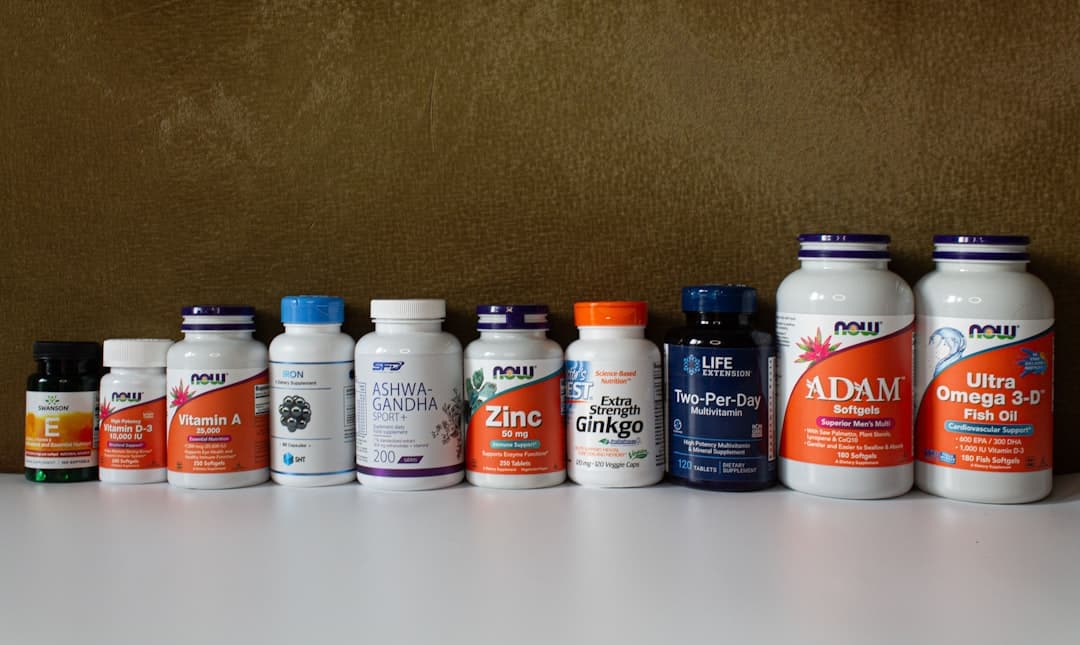
Summary
Multivitamins feel like an easy win, one pill to cover every nutritional base. But the video’s core message is blunt: for most generally healthy adults eating a reasonably balanced diet, daily multivitamins have not been shown to reduce heart disease, cancer, or overall risk of death. A big reason people keep taking them is that many feel healthier, a pattern consistent with placebo effects. Still, the discussion highlights five groups where a multivitamin can make practical sense, especially pregnancy (folic acid) and situations where diet or absorption is limited.
🎯 Key Takeaways
- ✓For average healthy adults, multivitamins have not shown clear reductions in cancer, cardiovascular disease, or overall mortality.
- ✓Many people report feeling healthier on a multivitamin, a pattern that can reflect placebo effects rather than measurable health changes.
- ✓There are clear “yes” situations, pregnancy is the standout, especially folic acid to reduce neural tube defects.
- ✓Older age, restrictive diets (including plant-based eating), malabsorption conditions, and food insecurity are common scenarios where a multivitamin may help fill gaps.
- ✓Whole foods are the preferred way to get nutrients, and fat-soluble vitamins (A, D, E, K) can accumulate, so more is not always better.
You stand in the pharmacy aisle, staring at a wall of bottles that all promise some version of “better.”
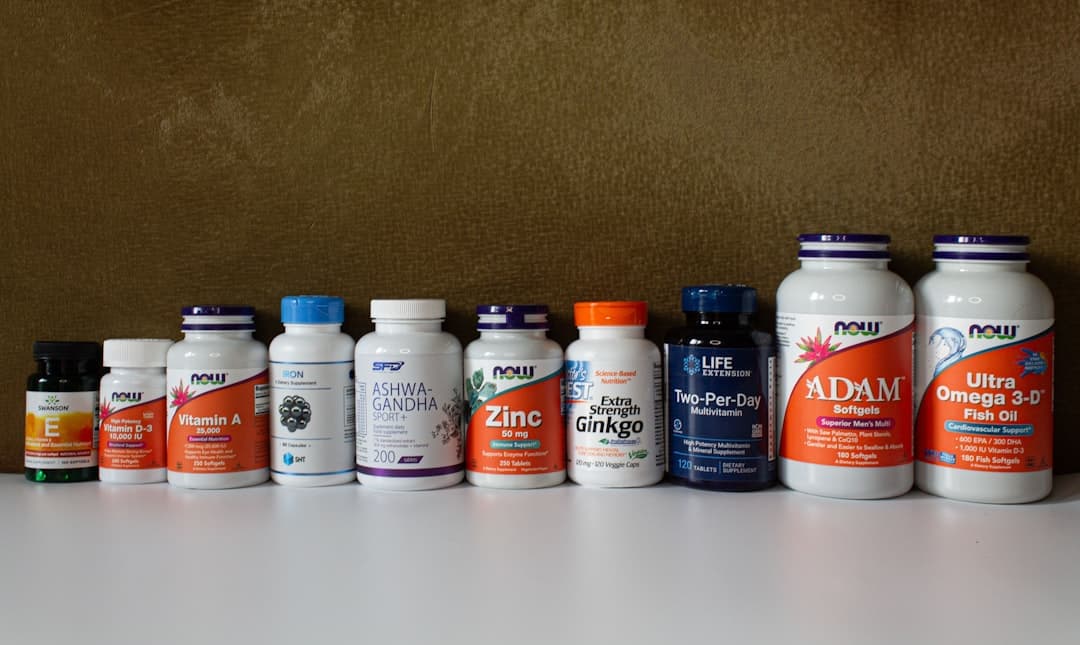
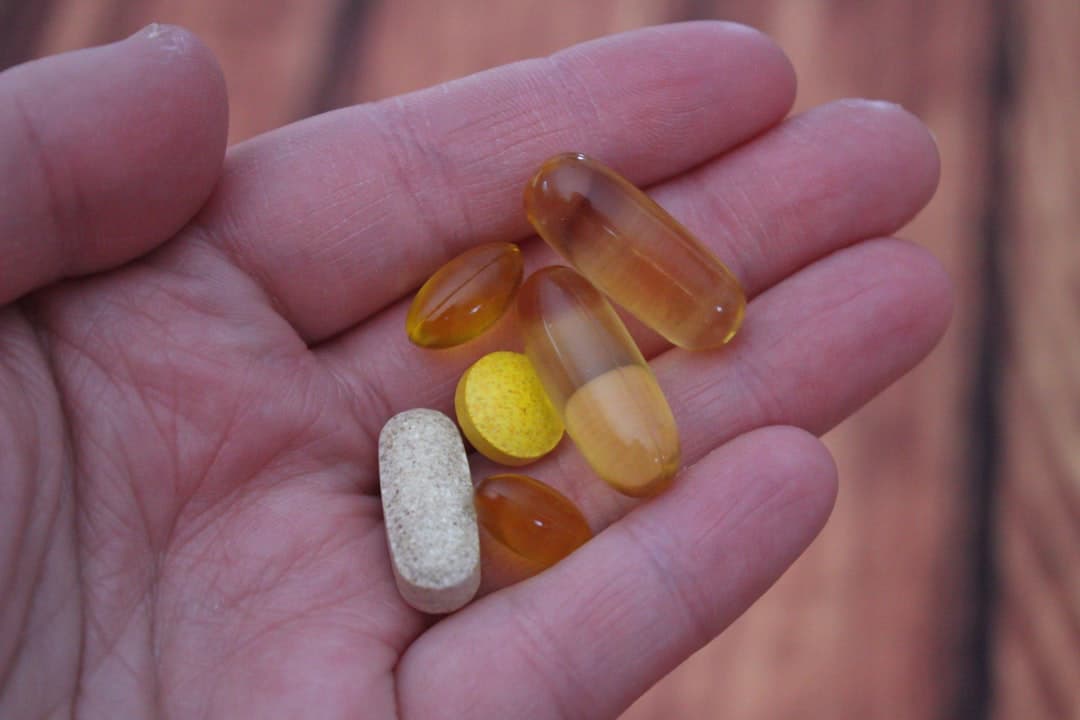
A multivitamin is the most tempting kind of health shortcut because it sounds so reasonable. One tablet, a little bit of A, B, C, D, E, K, plus minerals like calcium, zinc, magnesium, and you can stop worrying you missed something at lunch.
The video’s perspective treats that urge with respect, but it also insists on a tougher question: what does the evidence say, and who is it actually for?
The daily multivitamin puzzle, why it feels so logical
The discussion starts with a reality check about scale: multivitamins are a massive industry, and growth projections are enormous. Big sales can make a product feel validated, but popularity is not the same thing as proof.
There is also a subtle point that lands hard if you have ever thought “I avoid big pharma, I just take supplements.” Many supplement brands are owned by large pharmaceutical companies. The takeaway is not that supplements are “bad,” it is that marketing and profit exist on all sides, so your decision should come back to value, evidence, and safety.
What’s in a multivitamin, and why the low doses matter
Most multis are a broad mix of vitamins and minerals in relatively small amounts. The video calls out a detail many people overlook: the concentrations are often very low, sometimes just a few percent of the recommended daily amount.
That creates a practical puzzle. If the doses are tiny, how would one pill meaningfully change long-term outcomes like cancer or heart disease? Sometimes low doses are intentional, they reduce toxicity risk and aim to “top up” small gaps, not treat a deficiency. But it also means you should be skeptical of claims that a standard multivitamin will dramatically change health outcomes.
Did you know? Many vitamins come in “water-soluble” and “fat-soluble” forms. The fat-soluble ones, A, D, E, K, can accumulate in the body, which is one reason “more” can become risky over time. Learn more about fat-soluble vitamins from the NIH Office of Dietary SupplementsTrusted Source.
What the evidence actually shows for most healthy adults
Here is the no-nonsense center of the video: for the average healthy, middle-aged adult eating a reasonably healthy diet, daily multivitamins have not been shown to clearly reduce the risk of major outcomes.
Not overall mortality.
Not cardiovascular disease outcomes like heart attack and stroke.
Not cancer.
This framing closely matches major evidence reviews and guidance statements that find limited benefit of routine multivitamin use for chronic disease prevention in generally well-nourished adults. For example, the U.S. Preventive Services Task Force statement on vitamin and mineral supplementsTrusted Source concludes evidence is insufficient for many supplements and does not support routine beta-carotene or vitamin E for prevention.
What the research shows: Large analyses have found that multivitamin use in generally healthy adults often shows little to no meaningful reduction in all-cause mortality. One example is a review in JAMA Network OpenTrusted Source that reported no association between multivitamin use and mortality among U.S. adults.
A key nuance from the video matters here. “Not shown to work” is not the same as “proven not to work.” Many nutrition questions are hard to study for decades with perfect control. So the conversation leaves room for uncertainty while still emphasizing that, right now, strong protective effects are not demonstrated for most people.
Why people feel better anyway, the 30% effect
The video highlights a study approach that feels familiar in real life: ask people if they feel healthier taking a multivitamin, then compare that to objective outcomes.
A meaningful chunk of people report they feel better, around 30% in the discussion.
That number is not random. It lines up with what people often call the placebo effect, meaning expectations and beliefs can change how you perceive symptoms, energy, and wellbeing even when the pill itself is not changing measurable disease risk.
This is not “fake.” It is human.
If you start a new routine, you may also sleep a little earlier, drink more water, or pay closer attention to food. Or you may simply feel reassured, and reassurance can feel like energy.
“It works for me” vs “it works in evidence”
One of the video’s most distinctive themes is how it handles disagreements. People often comment, “It works for me,” and the response is pointed: anecdote is not evidence.
At the same time, the conversation avoids the opposite extreme. A lack of evidence does not mean your personal experience is impossible. It means we cannot confidently generalize it to everyone, and we cannot reliably predict who will benefit.
Important: If you feel better on a multivitamin, it still matters to check whether it is masking a problem. Persistent fatigue, hair loss, numbness, or unexplained weight changes deserve a conversation with a clinician, not just a new bottle.
Who may benefit most, five real-world scenarios
The video does not end with “never take a multivitamin.” It ends with “not for everybody,” then lays out groups where a multivitamin may be genuinely useful.
This is the heart of the message: use supplements to solve a specific problem, not as a general insurance policy.
1) Pregnancy, folic acid is the non-negotiable
Pregnancy is the clearest “yes” in the discussion.
The key detail given is folic acid 400 units (commonly discussed as 400 micrograms) as part of a prenatal vitamin to reduce the risk of neural tube defects in the developing baby.
Public health guidance aligns with this. The CDC recommends 400 mcg of folic acid dailyTrusted Source for people who can become pregnant, because neural tube development happens early, often before someone knows they are pregnant.
The video also mentions there may be evidence suggesting prenatal multivitamin use could reduce certain pediatric cancer risks, although that topic is more nuanced and still evolving.
2) Older adults, when absorption and appetite change
As people age, several practical barriers stack up.
Absorption in the gastrointestinal tract can decline. Appetite can drop, and total calorie intake often falls. Chewing problems or dental issues can limit food choices. The result is not necessarily “bad eating,” it is a real-world shift that can make nutrient gaps more likely.
A multivitamin may help as a backstop in some older adults, especially when dietary variety shrinks.
3) Restrictive diets, including plant-based eating
Any diet that restricts food groups can increase the need for planning.
The video uses plant-based eating as an example and points to vitamin B12 as a common concern. B12 is produced by bacteria, and historically it entered the food chain through soil and animal exposure. Modern farming practices and antibiotic use may complicate that pathway, so B12 status can be an issue for some people, including some who eat animal products.
The practical point is simple: if your diet removes or limits key sources of certain nutrients, you may need to be more intentional, and supplementation may be appropriate.
For deeper guidance on B12, see the NIH fact sheet on vitamin B12Trusted Source.
4) Malabsorption syndromes and GI surgery
Some people eat enough nutrients but do not absorb them well.
The video mentions conditions and situations like gastrointestinal diseases that alter the lining of the gut, or surgeries that remove parts of the bowel. In these cases, a multivitamin can be part of a broader plan to prevent deficiencies.
This is one area where “ask your doctor” is not a throwaway line. If you have malabsorption, you may need targeted lab monitoring and specific doses, not a generic one-a-day.
5) Food insecurity or limited access to varied foods
This point is easy to miss in supplement debates, but it is one of the most practical.
If you do not have reliable access to a variety of foods because of cost, geography, or other constraints, a multivitamin may help reduce the risk of gaps.
It is not a substitute for food, but it can be a tool.
»MORE: If you are trying to “cover your bases” with food first, make a simple weekly checklist of affordable nutrient-dense staples (beans, lentils, eggs if you eat them, frozen vegetables, canned fish, fortified plant milks). Bring it to your next grocery trip and adjust based on budget.
How to decide without falling for hype or fear
The video’s closing message is autonomy: you are in charge of your own health. But autonomy works best with a method.
Below is a step-by-step way to make the decision that matches the video’s practical tone.
How to decide if a daily multivitamin makes sense
Start with your goal, not the bottle. If your goal is “prevent cancer” or “avoid a heart attack,” the evidence for multivitamins in generally healthy adults is not strong. If your goal is “I barely eat vegetables and my diet is repetitive,” the logic is different.
Check if you fit one of the five higher-benefit groups. Pregnancy, older age with reduced intake, restrictive diets, malabsorption, and limited food access are the scenarios highlighted. If one applies, a multivitamin may be more reasonable as a safety net.
Look at the label for extremes and overlaps. Multivitamins are often low dose, but some formulas add extra ingredients or higher amounts. Also consider what else you take, combining products can unintentionally raise totals.
Be cautious with fat-soluble vitamins. Vitamins A, D, E, K can build up in the body. Toxicity is less likely with standard doses taken as directed, but risk rises with high-dose products or stacking multiple supplements. The NIH vitamin A fact sheetTrusted Source explains why too much can be harmful.
Decide how you will measure “working.” Feeling better matters, but it is also subjective. Consider tracking a few concrete markers, for example diet consistency, energy, sleep, and any symptoms, and discuss persistent issues with a clinician.
A note on “food first” (and why it keeps coming up)
The discussion strongly prefers nutrients from whole foods.
Food comes with fiber, protein, fats, and thousands of bioactive compounds, and your body often regulates absorption differently when nutrients arrive as part of a meal. That is one reason many health organizations emphasize meeting nutrient needs through diet when possible. You can explore this approach through general dietary guidance like the Dietary Guidelines for AmericansTrusted Source.
Pro Tip: If you are taking a multivitamin mainly for reassurance, try a two-week experiment: keep the multivitamin the same, and add one consistent food upgrade (for example, a daily serving of fruit or a handful of nuts). If you feel better, you will know the “why” might be bigger than the pill.
Expert Q&A
Q: If multivitamins do not prevent heart disease or cancer, why do doctors sometimes still say they are “fine”?
A: The clinician’s view in the video is that many standard multivitamins are low dose and generally safe when used as directed, so they may be reasonable for specific situations. The bigger issue is expectation, taking a multivitamin should not replace addressing diet quality, sleep, movement, or medical care.
Talking With Docs clinicians, MD
Q: Can I just take a multivitamin instead of getting bloodwork for fatigue?
A: A multivitamin may help if fatigue is related to a mild nutrient gap, but fatigue has many causes, including sleep issues, stress, thyroid problems, anemia, medication effects, and more. If fatigue is persistent or worsening, it is safer to discuss it with a healthcare professional rather than self-treating indefinitely.
Talking With Docs clinicians, MD
Key Takeaways
Frequently Asked Questions
- Do daily multivitamins help most healthy adults live longer?
- For generally healthy adults with a reasonably balanced diet, evidence has not shown a clear mortality benefit. Some people still choose them for reassurance or to cover small gaps, but expectations should stay realistic.
- Who should strongly consider a multivitamin?
- The video highlights pregnancy as the clearest case, especially folic acid to reduce neural tube defects. Older adults, restrictive diets, malabsorption conditions, and limited food access are other scenarios where a multivitamin may help.
- Is it possible to take too many vitamins?
- Yes. Fat-soluble vitamins like A, D, E, and K can accumulate in the body, especially with high-dose products or stacking multiple supplements. It is a good idea to review your total intake with a clinician or pharmacist.
- Why do multivitamins make some people feel better?
- Feeling better can come from expectation and routine changes, a pattern consistent with placebo effects discussed in the video. It can also happen if the person had a mild nutrient gap that the multivitamin helped address.
Get Evidence-Based Health Tips
Join readers getting weekly insights on health, nutrition, and wellness. No spam, ever.
No spam. Unsubscribe anytime.