Can You Take Fish Oil During Chemotherapy?
Summary
Fish oil is not automatically unsafe during chemotherapy, but it is not a “take it no matter what” supplement either. Because omega-3s can affect bleeding and may interact with certain cancer drugs or supportive medications, most people should check with their oncology team before starting or continuing fish oil.
The Short Answer
For many people in active cancer treatment, the safest approach is to treat fish oil like a medication, not a wellness add-on.
Omega-3 supplements (often labeled EPA and DHA, which are Polyunsaturated Fats (PUFAs)) can have blood-thinning effects, and chemotherapy regimens frequently include drugs that already raise bleeding risk by lowering platelets.
Oncology teams also have to consider the full picture, your chemotherapy drugs, your platelet counts, any planned procedures, your nausea and diarrhea, and every other supplement you take. Most guidelines in cancer care advise discussing supplements in advance because “natural” products can still change side effects or interact with treatment.
Important: Do not start fish oil on chemotherapy without your oncologist’s approval, especially if you have low platelets, easy bruising, bloody stools, or you are scheduled for surgery, a port placement, or a biopsy.
Why Fish Oil Can Be Tricky During Chemo
Fish oil is commonly used for triglycerides, heart health goals, and sometimes for inflammation. Some people also consider it to help with cancer-related weight loss or appetite, although results are mixed and highly individual.
The challenge is that chemotherapy changes your baseline risk.
First, many chemo regimens can suppress bone marrow, which may lower platelet counts. When platelets are low, even small changes that affect clotting can matter, and the “right” decision can change week to week based on lab results.
Second, fish oil can overlap with other agents that affect bleeding. This is not only prescription blood thinners, it can include aspirin, NSAIDs, some antidepressants, and other supplements that have anticoagulant or antiplatelet effects.
Third, chemo side effects can make supplements less predictable. Vomiting, diarrhea, and poor absorption can change how much you actually take in. Fish oil can also worsen reflux, nausea, or loose stools in some people, which can compound existing symptom burden and contribute to dehydration.
Finally, cancer care often involves procedures. Even if you feel well, your team may want to avoid anything that could increase bleeding around the time of a central line, tumor biopsy, dental work, or surgery.
Who Should Be Cautious or Avoid Fish Oil
Some people can use fish oil during chemotherapy with careful supervision. Others should usually avoid it unless their oncology team specifically recommends it.
Be especially cautious if any of the following apply:
If you have a fish or shellfish allergy, mention it too. Reactions to purified fish oil are uncommon but possible.
Practical Guidance: If Your Oncologist Says “Maybe”
Sometimes the answer is not a simple yes or no. It is “possibly, with guardrails.”
Start by clarifying the goal. If you are taking fish oil for triglycerides or cardiovascular reasons, your oncology team may coordinate with your primary care clinician or cardiologist to decide whether the benefit is worth the added complexity during treatment.
Dose matters, but labels can be confusing. Products vary widely in the amount of EPA and DHA per capsule, and “fish oil 1,000 mg” does not necessarily mean 1,000 mg of omega-3s.
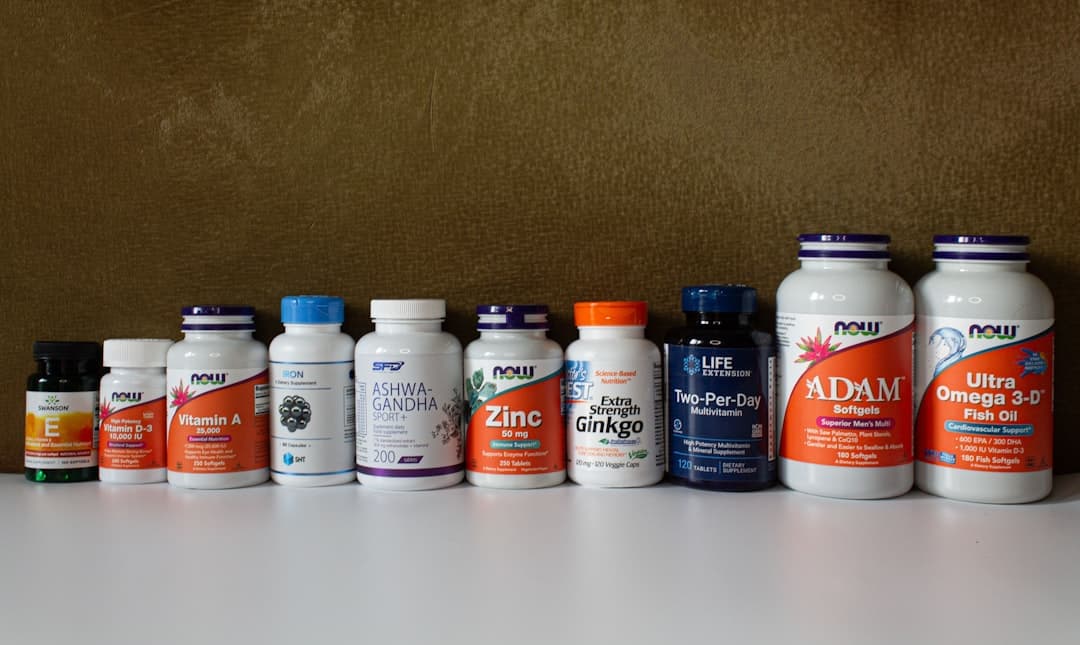
Pro Tip: Bring the bottle (or a photo of the Supplement Facts panel) to your infusion visit. Your oncology pharmacist can check the EPA and DHA amounts, added ingredients, and whether the product is likely to cause reflux or interact with your plan.
Also consider food first when appropriate. If your team wants you to increase omega-3 intake, they may prefer dietary sources rather than capsules, since food comes with protein and calories that can be helpful during treatment. If you eat fish, ask about Lower-Mercury Options, particularly if you are immunocompromised or have appetite changes.
If you do take it, your team may recommend:
When to Stop and Call Your Care Team
Stop fish oil and contact your oncology team promptly if you notice signs of bleeding or a sudden change in symptoms.
Concerning symptoms include:
If you are transitioning to Comfort Care, ask again about whether fish oil still aligns with your goals. At that stage, simplifying medications and supplements often improves comfort and reduces pill burden.
Key Takeaways for Safer Use
Frequently Asked Questions
- Is eating fish safer than taking fish oil during chemotherapy?
- Often, yes, because food-based omega-3 intake is easier to moderate and comes with calories and protein that may be helpful during treatment. Still, you should ask your oncology team about food safety (especially if you are immunocompromised) and choose [Lower-Mercury Options](/glossary/lower-mercury-options).
- Should I stop fish oil before a biopsy, port placement, or surgery?
- Many clinicians prefer pausing supplements that may affect bleeding before procedures, but timing varies based on your platelet count and the type of procedure. Ask the clinician scheduling the procedure and your oncologist for a clear stop and restart plan.
- Can fish oil help with chemo-related inflammation or neuropathy?
- Some people try omega-3s for inflammation-related symptoms, but benefits are inconsistent and may depend on the specific symptom and treatment plan. Because risks can outweigh uncertain benefits during active chemotherapy, discuss alternatives and symptom-focused strategies with your care team.
- Does fish oil interfere with vaccines during chemotherapy?
- Fish oil is not generally considered a direct blocker of a [Vaccine](/glossary/vaccine), but chemotherapy can reduce vaccine response on its own. Your oncology team can advise on the best timing for vaccination and whether any supplements should be paused around that period.
Get Evidence-Based Health Tips
Join readers getting weekly insights on health, nutrition, and wellness. No spam, ever.
No spam. Unsubscribe anytime.