High-Dose Vitamin D for Muscle, Leptin, and Fat
Summary
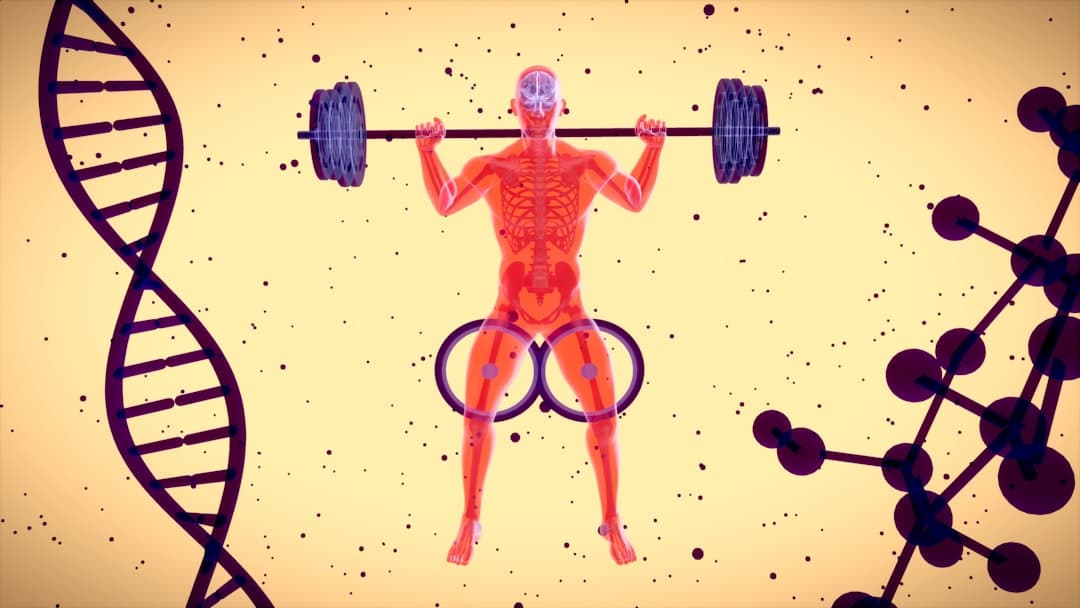
This video’s big idea is simple but provocative: higher, even “supraphysiologic,” vitamin D status might help the body send extra calories toward muscle growth rather than fat storage. The discussion centers on a 2024 narrative review that connects vitamin D to two key signals, **myostatin** (a brake on muscle growth) and **leptin** (a hormone tied to satiety, inflammation, and energy sensing). The evidence highlighted is largely animal and mechanistic, not a human randomized trial, but it raises practical questions about vitamin D testing, seasonal deficiency, and how to supplement safely, especially when aiming for higher blood levels.
🎯 Key Takeaways
- ✓The video spotlights a 2024 review suggesting high-dose vitamin D may reduce *myostatin* signaling and improve *leptin* signaling, potentially shifting surplus calories toward muscle rather than fat.
- ✓A key nuance is that much of the evidence discussed comes from animal models and mechanistic work, so human trials are still needed before drawing firm conclusions.
- ✓Season matters, even in sunny places, because winter sun (roughly October to March in many regions) may not meaningfully raise vitamin D through skin synthesis.
- ✓The perspective presented favors higher vitamin D blood targets (often around 65 ng/mL or higher), with attention to safety labs like calcium.
- ✓If taking higher-dose vitamin D, pairing with **vitamin K2** is emphasized to support healthy calcium handling, and vitamin A is framed as a complementary partner for receptor-level effects.
If you remember one thing from this video, make it this: vitamin D might do more than “support bones.”
This perspective argues that higher vitamin D status may influence where your body sends extra calories, toward muscle and growth instead of fat storage, by changing signals like myostatin and leptin.
That is a very different framing than the usual “take vitamin D for deficiency.” It is also why the 2024 paper featured in the video is getting attention.
What the research shows: A 2024 narrative review proposes that high-dose dietary vitamin D can shift surplus calories toward muscle and linear growth, rather than fat storage, through modulation of myostatin and leptin pathways, based largely on animal and mechanistic findings (full textTrusted Source, PubMedTrusted Source).
The main takeaway: vitamin D as a “calorie allocation” signal
Most people think of vitamin D as a nutrient that helps you absorb calcium.
The video pushes a bigger idea: vitamin D may function more like a metabolic signal that changes how the body “decides” what to do with extra energy. Not just how many calories you burn, but whether surplus calories are more likely to become new fat mass or support muscle protein synthesis and growth.
The featured paper is titled High dose dietary vitamin D allocates surplus calories to muscle and growth instead of fat via modulation of myostatin and leptin signaling (PubMedTrusted Source). The key phrase is “allocates surplus calories.”
This is not presented as a magic fat-loss switch. It is more like a “traffic controller” concept: if many people are already in a calorie surplus (the video calls out common snack foods and ultra-processed patterns), then improving the signals that govern energy partitioning could matter.
Still, the video is clear about a limitation.
It is not a human randomized clinical trial.
It is a narrative review that draws heavily on animal models and mechanistic biology. That does not make it useless, but it changes what you can responsibly conclude.
Why winter sun often is not enough, even for “healthy” people
One of the most practical parts of the video is the reminder that sun exposure does not work the same year-round.
The story shared is that students were exposed to winter sun without meaningful increases in vitamin D status, reinforcing the idea that, in many regions, October to March is a low-production window for skin synthesis.
This is a big deal because many people assume they are “fine” if they live somewhere sunny or spend time outdoors. The video even points to Colorado, with hundreds of sunny days per year, where deficiency still showed up in people who looked healthy on paper.
Here is the real-world implication.
If you only think about vitamin D when you feel sick, you may be late.
A more useful approach is to consider vitamin D status as seasonal, and to talk with a clinician about testing (commonly a blood test for 25-hydroxyvitamin D, written as 25(OH)D on labs) if you are concerned about low levels.
Did you know? The review highlighted in the video builds on prior work showing that vitamin D receptor disruption in animal models can change leptin and myostatin signaling, suggesting vitamin D status may influence more than bone health (full textTrusted Source).
The two switches in the video: myostatin and leptin
This video is really about two biological “levers.”
Myostatin and leptin.
Myostatin: the muscle “brake”
Myostatin is a protein involved in limiting muscle growth. The video uses a memorable example: rare animals (and very rare humans) with very low myostatin can appear extremely muscular, sometimes described as looking “like they’re on steroids.” The point is not that you can replicate that with supplements, but that lower myostatin signaling is associated with less braking on muscle growth.
The paper discussed suggests that increased vitamin D intake in animal models may inhibit myostatin production or signaling, supporting a shift toward muscle building when calories are abundant.
The video also notes an important nuance from the paper’s discussion: replenishing vitamin D to normal decreased myostatin production, but pushing vitamin D even higher did not necessarily keep lowering serum myostatin in a straight line. Biology often works like that, there may be thresholds and plateaus.
Leptin: satiety, inflammation, and “energy sensing”
Leptin is described as being mostly produced by fat cells, and it signals the brain (especially the hypothalamus) about energy stores and satiety.
A punchy way to say it is this.
Leptin is supposed to help you feel “I have enough.”
But the video emphasizes leptin resistance, a state where leptin signaling is blunted. In that context, people can have higher body fat and higher leptin, yet still experience persistent hunger and dysregulated appetite cues.
The discussion also frames leptin as more than an appetite hormone. It is described as a pleiotropic adipokine (a signaling molecule from fat tissue) that can influence immune tone and inflammation. This is one reason the video links higher leptin states with inflammatory and autoimmune patterns, and why improving leptin sensitivity is framed as potentially helpful beyond weight management.
The featured review suggests two leptin-related effects in animal models:
Important: Leptin is complex, and blood leptin testing is not routinely used for most people. If you are considering hormone testing or high-dose supplementation, it is worth discussing with a clinician who can interpret results in context.
The “engine” metaphor: why this model is different
A unique part of the video is the metaphor borrowed from the paper: if muscle is an engine, myostatin does not just tell you how much gas is being used minute to minute, it also conveys how big the engine is.
That is the conceptual leap.
Instead of only thinking “energy balance” (calories in versus calories out), this model emphasizes energy allocation (where calories go). The paper argues that integrating leptin and myostatin signaling may help control calorie allocation to muscle versus fat (full textTrusted Source).
What “high-dose” and “supraphysiologic” vitamin D means here
The video uses terms like high-dose and supraphysiologic vitamin D.
In plain language, that means aiming for blood levels above what is typically considered “just adequate,” and sometimes using supplemental intakes higher than standard public health minimums.
A few specific numbers appear in the video:
The video also critiques low default guidance for kids, calling out 400 IU/day as too low for “optimal” status, and stating a personal recommendation of 2,000 IU/day minimum for children.
That is a strong viewpoint.
Parents should treat it as a prompt to have a conversation with their child’s pediatrician, because appropriate dosing depends on age, diet, baseline vitamin D level, medical history, and total intake from fortified foods and other supplements.
Pro Tip: If you are adjusting vitamin D, ask your clinician what lab marker they use (usually 25(OH)D) and when to recheck it. Re-testing after a consistent routine is often more informative than guessing.
A practical way to think about supplementation (without overdoing it)
The video’s approach is not “take vitamin D randomly.” It is “take vitamin D intentionally, and monitor safety.”
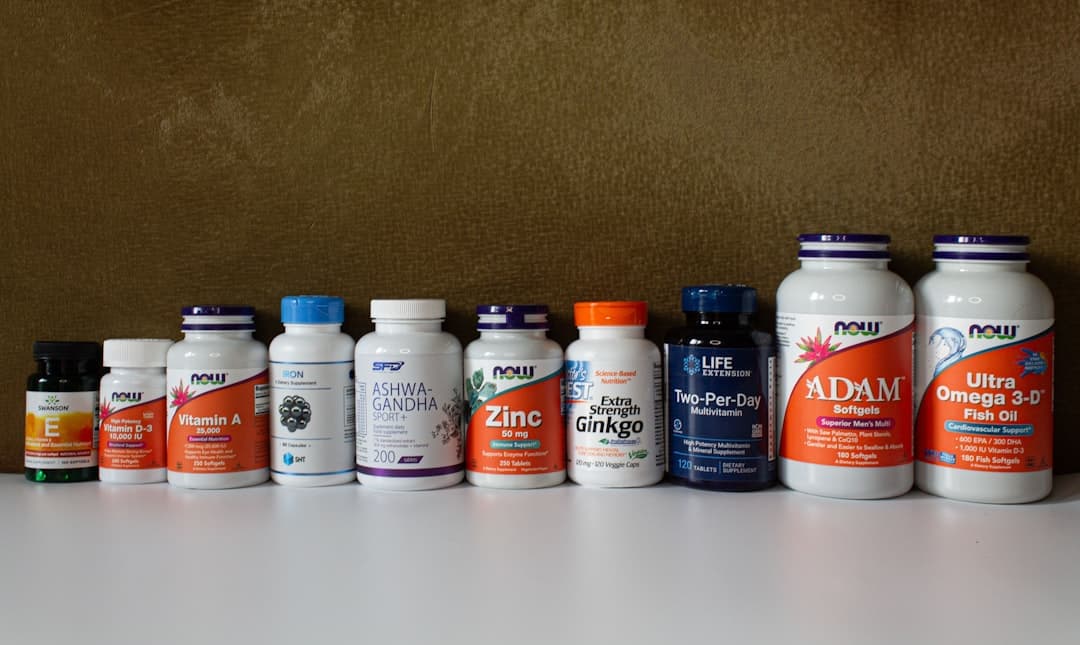
It also emphasizes pairing vitamin D with other nutrients, especially vitamin K2, and often vitamin A.
Here is a practical, step-by-step way to translate that into a safer plan to discuss with a clinician.
How to explore higher vitamin D status safely
Start with a baseline 25(OH)D blood test. This helps you avoid two common problems, supplementing when you do not need it, or under-supplementing when you are truly low. It also gives you a reference point to interpret how your body responds over time.
Pick a consistent routine for 8 to 12 weeks, then recheck. Vitamin D levels do not stabilize overnight. A repeat test after a steady period can show whether your intake and lifestyle are moving you toward your goal range, and whether you are overshooting.
If you are using higher doses, ask about calcium and kidney-related monitoring. The video specifically mentions watching for elevated calcium (hypercalcemia) as a key safety issue. Your clinician may consider serum calcium, kidney function, and in some cases urinary calcium, depending on your risk factors.
Discuss whether pairing with vitamin K2 makes sense for you. The video highlights K2 because of its role in activating vitamin K dependent proteins involved in calcium handling, often discussed in relation to directing calcium toward bone and away from soft tissues. This is a nuanced area, and it is especially important to ask a clinician if you take blood thinners or have bleeding disorders.
Do not ignore the basics that also affect muscle and leptin. Even if vitamin D influences these pathways, resistance training, adequate protein, sleep, and reducing ultra-processed calorie surplus remain foundational. Supplements tend to work best when they support, not replace, those habits.
»MORE: If you want a simple checklist to bring to an appointment, create a one-page note with your latest 25(OH)D level, current IU per day, other supplements (especially calcium, K2, and A), and any history of kidney stones.
Why the video pairs vitamin D with K2 (and sometimes A)
The practical argument is safety and synergy.
This does not mean everyone needs all three. It means the video’s framework is “think in systems,” not single nutrients.
Where the evidence is strong, and where it is still a leap
The video is enthusiastic, but it also contains a built-in caution: the central paper is a narrative review using animal and mechanistic work.
That matters because animal models are excellent for exploring mechanisms, but humans differ in dosing, metabolism, lifestyle variability, and long-term outcomes.
Here is a grounded way to interpret what you just heard.
Important: High-dose vitamin D is not risk-free. Vitamin D toxicity is uncommon but can occur, typically through excessive supplementation, and may lead to high calcium levels and related complications. If you are aiming for higher blood levels, medical supervision is a smart safeguard.
Expert Q&A: the questions people actually ask
Q: If vitamin D can lower myostatin, does that mean it works like a steroid?
A: No. The video uses dramatic examples (like animals with genetic myostatin disruption) to illustrate how powerful myostatin can be, but that does not mean vitamin D creates the same effect. The review proposes signaling changes that might influence muscle growth and calorie allocation, mostly in animal models, and that is very different from drug-level anabolic effects.
If you are trying to build muscle, vitamin D may be one supportive factor, especially if you are deficient, but training, protein intake, sleep, and overall energy balance remain the major drivers.
Health educator summary of the video’s framework
Q: What vitamin D level should I aim for if I care about metabolic health?
A: The video’s viewpoint favors higher targets, often mentioning around 65 ng/mL and sometimes higher, with monitoring. Many professional organizations define adequacy differently, and the “right” target can depend on your baseline level, risk factors, and medical history.
The practical next step is to ask your clinician what range they recommend for you, and how they will monitor calcium and other safety markers if you supplement at higher doses.
Health educator summary of the video’s framework
Key Takeaways
Sources & References
Frequently Asked Questions
- Is the evidence that high-dose vitamin D builds muscle based on human trials?
- Not primarily. The video centers on a 2024 narrative review that relies heavily on animal models and mechanistic biology, so it is best viewed as hypothesis-generating rather than definitive for humans.
- Why does the video focus on myostatin and leptin?
- Myostatin is a signaling protein that can limit muscle growth, while leptin helps regulate satiety and energy sensing and is also tied to inflammation. The argument is that vitamin D may influence both, potentially affecting how surplus calories are allocated.
- What is a practical first step if I suspect low vitamin D?
- Consider asking a clinician for a 25-hydroxyvitamin D (25(OH)D) blood test. A baseline level makes it easier to choose an appropriate supplement plan and to recheck later for safety and effectiveness.
- Why does the video suggest pairing vitamin D with vitamin K2?
- The video emphasizes that higher vitamin D can increase calcium absorption, and vitamin K2 supports activation of vitamin K dependent proteins involved in calcium handling. If you take anticoagulants or have bleeding risks, ask your clinician before using K2.
Get Evidence-Based Health Tips
Join readers getting weekly insights on health, nutrition, and wellness. No spam, ever.
No spam. Unsubscribe anytime.