Fish Oil With Anticoagulants: Is It Safe?
Summary
Fish oil can be risky to combine with anticoagulants because omega-3s may add to blood-thinning effects, increasing bleeding risk in some people. If you take warfarin or another anticoagulant, talk with your clinician before starting fish oil, and do not change your dose without guidance.
The Bottom Line for People on Blood Thinners
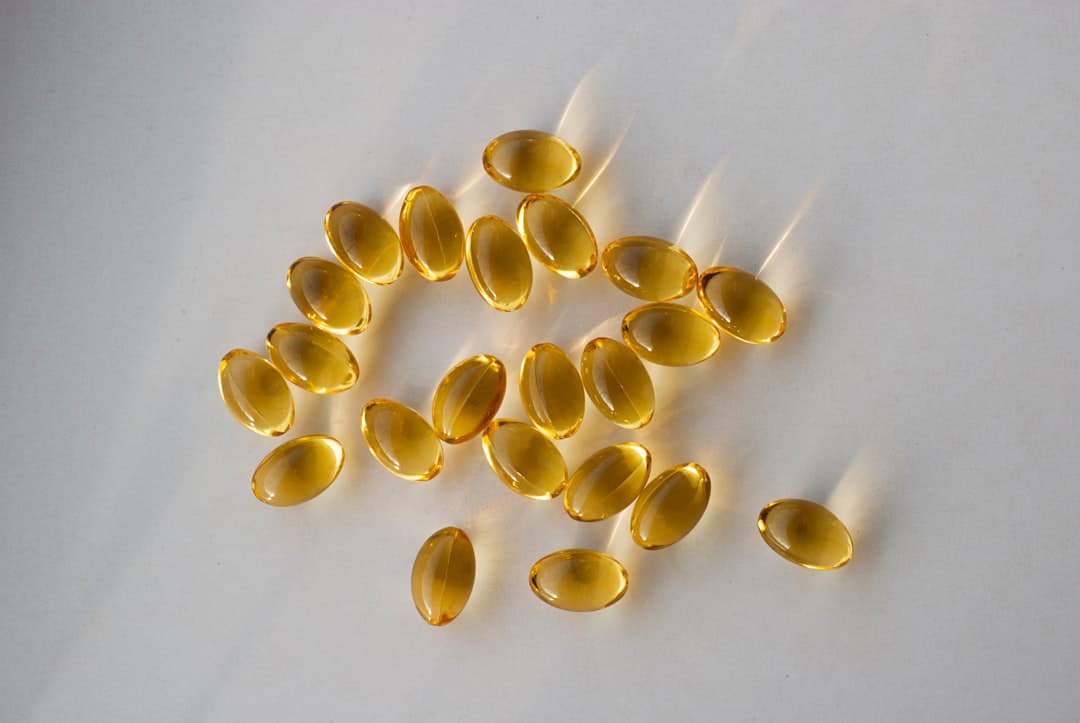
Omega-3 fats (EPA and DHA) in fish oil can affect clotting, so pairing them with anticoagulants may increase bleeding risk for some people.
This concern is not just theoretical. A case report indexed in PubMed describes possible additive anticoagulant effects when fish oil was taken with warfarin, although the authors note the interaction is controversial and not consistently seen in all patients (PubMed: “Although controversial, this case report illustrates that fish oil can provide additive anticoagulant effects when given with warfarin. Conclusions: This case ...”, pubmed.ncbi.nlm.nih.gov).
That means the combination is not automatically unsafe, but it should be treated as a higher-monitoring situation, especially if you are on warfarin.
Important: If you take warfarin, do not start, stop, or change the dose of fish oil without your anticoagulation clinic or prescriber’s approval. Even “natural” supplements can shift your INR and bleeding risk.
Who Should Be Extra Cautious (or Avoid the Combo)
Some people can take fish oil while on anticoagulants with close monitoring, but certain situations raise the stakes.
Be especially cautious if any of the following apply:
If you are pregnant, have liver disease, or have a planned procedure, ask your clinician before using fish oil because bleeding risk and medication management can change quickly in these settings.
What Affects Safety: Dose, Product, and Your Medication
Dose is a major driver. Higher-dose omega-3 products (including prescription-strength omega-3s used for very high triglycerides) deliver much more EPA and DHA than a typical over-the-counter capsule, and that can matter when combined with anticoagulants.
Product quality also varies. Some supplements contain more EPA and DHA than the front label suggests, or they may be concentrated, which makes “one capsule a day” an unreliable rule.
Your specific anticoagulant matters, too. Warfarin is monitored with INR, so changes in bleeding tendency may be detected and managed, but it also means you should expect extra INR checks if you start fish oil. A PubMed case report describes possible additive anticoagulant effects with warfarin, even though evidence across studies is mixed (pubmed.ncbi.nlm.nih.gov).
Direct oral anticoagulants (DOACs) like apixaban, rivaroxaban, dabigatran, and edoxaban do not use INR monitoring, so you and your clinician rely more on clinical signs, medication review, and careful dosing decisions.
Pro Tip: If your clinician agrees to a trial of fish oil, bring the exact bottle (or a photo of the Supplement Facts panel) to your appointment. The EPA and DHA amounts per day are more useful than the total “fish oil” number.
Warning Signs: When to Stop and Get Medical Advice
If you combine fish oil with an anticoagulant, take bleeding symptoms seriously.
Contact a clinician promptly if you notice:
If you are on warfarin, also call your anticoagulation clinic if your INR is above your target range or if you have any bleeding symptoms. A potential additive effect has been described in a PubMed case report, so clinicians often respond by reassessing supplement use and monitoring plans (pubmed.ncbi.nlm.nih.gov).
How to Use Fish Oil More Safely if Your Clinician Approves It
Some people take fish oil for triglycerides, others for general cardiovascular goals, and some because they heard it might help inflammation. The safest approach is to clarify your goal first, then decide whether fish oil is necessary at all.
If your prescriber is comfortable with you taking it, these steps can reduce risk:
If your goal is heart health, your clinician may also discuss alternatives that do not add bleeding risk, such as dietary fish intake, blood pressure control, or appropriate statin therapy, depending on your history.
Sources & References
- Fish oil interaction with warfarin - PubMed - National Institutes of Health
Frequently Asked Questions
- Does fish oil interact more with warfarin than with DOACs like apixaban?
- Warfarin interactions are easier to detect because INR monitoring can show changes, and a PubMed case report describes possible additive anticoagulant effects when fish oil is combined with warfarin (pubmed.ncbi.nlm.nih.gov). With DOACs, there is no routine INR monitoring, so decisions rely more on overall bleeding risk and symptom vigilance.
- Is eating fatty fish the same as taking fish oil when you are on anticoagulants?
- Dietary fish typically provides lower, more variable omega-3 doses than concentrated supplements, which may reduce the chance of a noticeable anticoagulant “add-on” effect. Still, if you are on warfarin or have a high bleeding risk, it is reasonable to mention major diet changes to your clinician.
- Should you stop fish oil before surgery or dental work if you take an anticoagulant?
- Do not stop anything on your own. Tell the surgeon or dentist and the clinician managing your anticoagulant, they can advise whether fish oil should be paused and how to handle anticoagulant timing based on your procedure and clot risk.
- What if you are taking aspirin or clopidogrel along with an anticoagulant?
- Combining multiple agents that affect bleeding can raise risk, even if each one is appropriate on its own. Adding fish oil on top of dual therapy should be a clinician-guided decision, with clear reasons for use and a plan for monitoring bleeding symptoms.
Get Evidence-Based Health Tips
Join readers getting weekly insights on health, nutrition, and wellness. No spam, ever.
No spam. Unsubscribe anytime.