Omega-3 Supplements and Blood Thinners: Is It Safe?
Summary
Often, omega-3 supplements can be used with blood thinners, but the combination may raise bleeding risk in some people, especially at higher doses or with multiple blood-thinning products. The safest approach is to review your specific blood thinner, dose, and bleeding history with your prescribing clinician before starting omega-3s.
The Short Answer
For many adults, adding an omega-3 supplement to a prescribed blood thinner does not automatically cause dangerous bleeding.
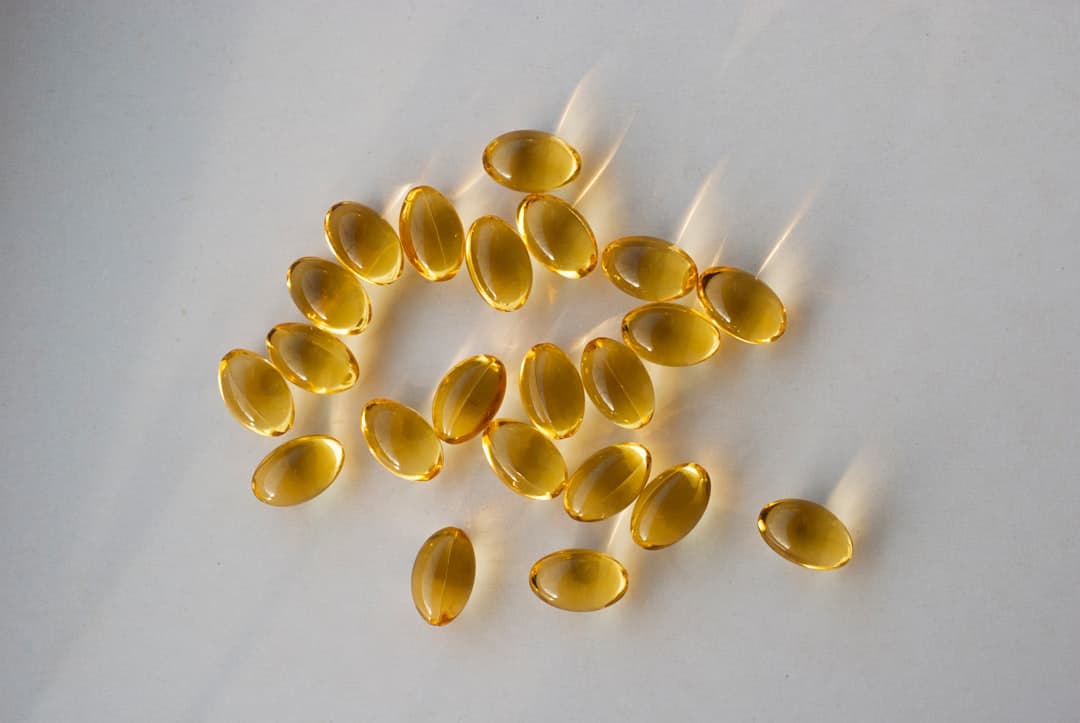
Still, omega-3s (especially fish oil) can have a mild blood-thinning effect, mainly by reducing platelet “stickiness.” Most guidelines and clinical practice treat this as a small effect at typical supplement doses, but risk can rise if you take higher-dose omega-3s, combine several products that affect clotting, or already have a tendency to bleed.
Because blood thinners are prescribed to prevent serious events (like stroke or clots), the decision is less about “safe or unsafe” and more about whether the benefit of omega-3s is worth any added bleeding risk for you.
Important: Do not start, stop, or “double up” omega-3 supplements if you are on a prescription anticoagulant (such as warfarin, apixaban, rivaroxaban, dabigatran, or edoxaban) without checking with the clinician who manages your blood thinner. If you take warfarin, new supplements can change how often you need INR checks.
Why omega-3s can interact with blood thinners
Omega-3 fatty acids (EPA and DHA) can influence clotting in a few ways. The most relevant is their effect on platelets, which are the blood components that clump together to form an early plug when you bleed.
At typical supplement amounts, this effect is usually modest. But “modest” can matter if your medication is already designed to reduce clotting.
Another practical issue is that omega-3 products vary a lot. A standard fish oil capsule, a concentrated “high EPA” product, and a prescription-strength omega-3 are not interchangeable, and the label dose does not always reflect how much EPA plus DHA you are actually getting.
Who should be extra cautious (or avoid without medical advice)
Some situations shift the risk-benefit balance quickly.
People taking warfarin (Coumadin). Warfarin dosing is sensitive to changes in diet and supplements. Adding omega-3s may not always cause a problem, but it can complicate INR stability, so your prescriber may want closer monitoring when you start, stop, or change brands.
Anyone on a blood thinner plus an antiplatelet drug. Combining an anticoagulant with aspirin or clopidogrel already increases bleeding risk. Adding omega-3s on top can be one more “nudge,” particularly if you bruise easily or have had prior bleeding.
People with a history of bleeding problems. Prior gastrointestinal bleeding, hemorrhagic stroke, frequent nosebleeds, heavy menstrual bleeding, or unexplained bruising are reasons to get individualized advice before adding anything that could further reduce clotting.
Those with upcoming surgery or dental procedures. Many surgeons and dentists give specific instructions about supplements that may affect bleeding. The timing of when to stop (if needed) depends on the procedure and your clot risk, so do not decide on your own.
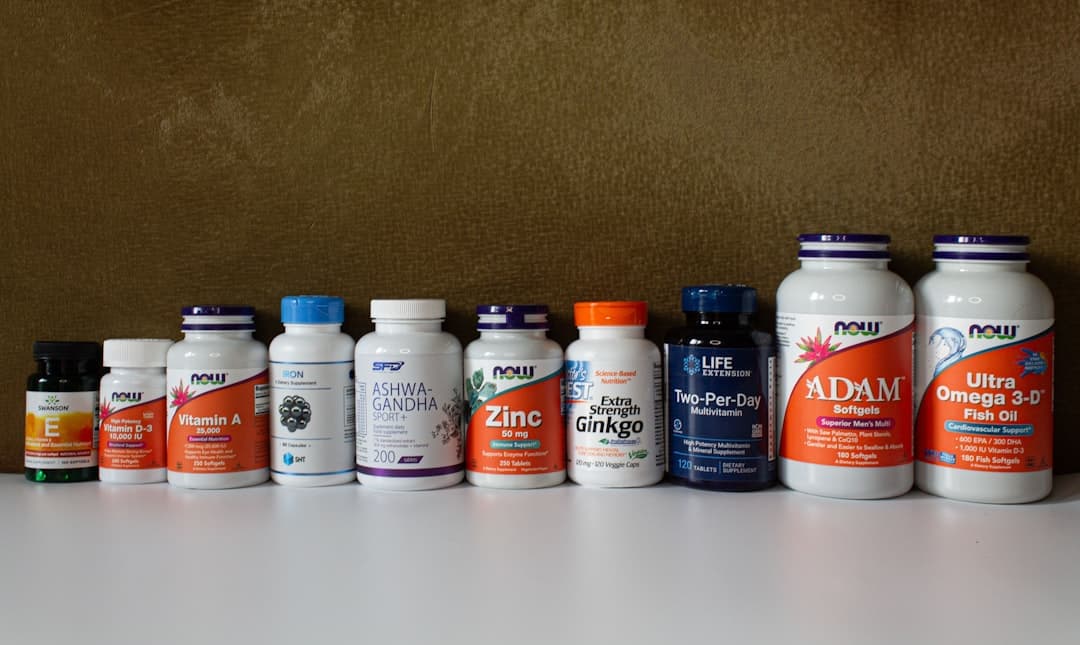
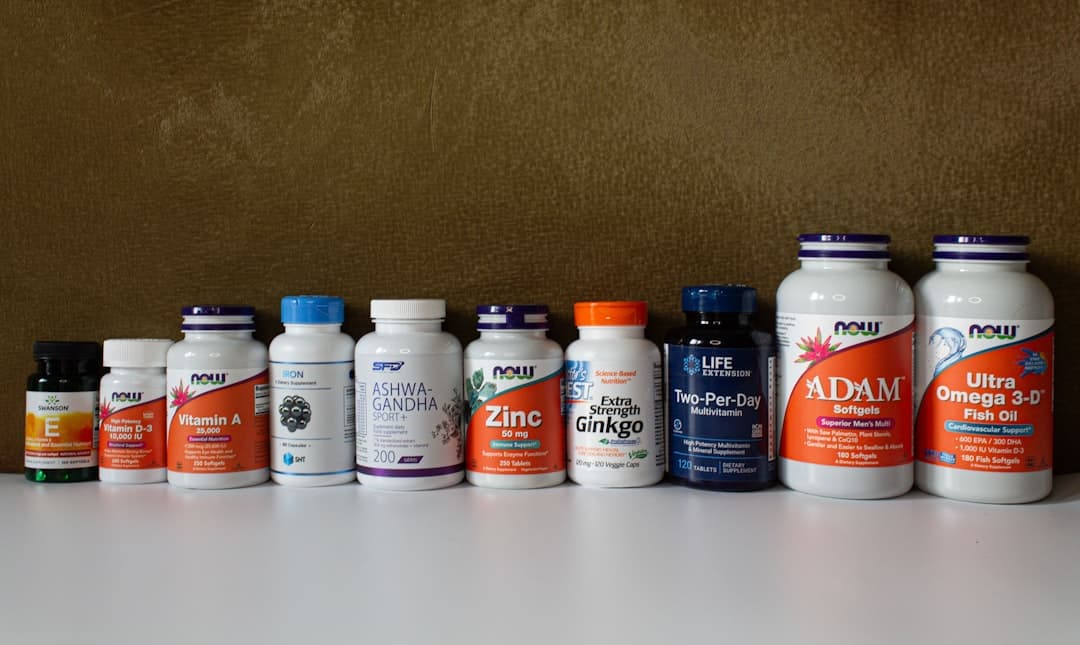
People using multiple “natural blood thinners.” Garlic, ginkgo, high-dose vitamin E, turmeric/curcumin, and some other supplements may affect bleeding. The cumulative effect is often the bigger issue than any single product.
What “safe use” usually looks like in practice
If your clinician agrees omega-3s are reasonable for you, the goal is to reduce avoidable risk.
Start with the lowest effective amount and avoid stacking products. Many people unknowingly take omega-3s from multiple sources, like a fish oil capsule plus a “heart health” blend plus cod liver oil.
Choose a reputable product and keep it consistent. Switching brands can change the EPA and DHA content, which makes it harder to interpret new bruising or changes in lab monitoring.
Be cautious with high-dose omega-3 regimens unless they are specifically recommended and supervised. Higher doses are more likely to produce measurable effects on bleeding time, and they can also cause side effects like reflux or loose stools, which can complicate care if you are managing other conditions.
Pro Tip: Bring the bottle (or a clear photo of the Supplement Facts panel) to your appointment. Ask your clinician or pharmacist to look at the total EPA plus DHA per day, not just “fish oil 1,000 mg.”
Warning signs: when to stop and seek medical advice
Minor bruising can happen even without a dangerous bleed, but certain symptoms should not be ignored.
Contact your clinician promptly (or seek urgent care, depending on severity) if you notice:
Bleeding that is new, heavier than usual, or hard to stop. Examples include nosebleeds lasting longer than expected, gums that bleed heavily when brushing, or cuts that keep oozing.
Signs of gastrointestinal bleeding. Black, tarry stools, bright red blood in stool, or vomiting that looks like coffee grounds can signal bleeding in the digestive tract.
Blood in urine or unusually heavy menstrual bleeding. These can be early clues that your overall bleeding risk is too high for your current combination.
Severe headache, weakness, confusion, or vision changes. These symptoms can be medical emergencies, especially if you take anticoagulants, because they can indicate internal bleeding.
If you are on warfarin and you develop increased bruising or bleeding after starting omega-3s, ask whether you need an earlier INR check.
Key takeaways for combining omega-3s and blood thinners
Frequently Asked Questions
- Are prescription omega-3s different from over-the-counter fish oil with blood thinners?
- Yes. Prescription omega-3 products are more standardized and often deliver higher amounts of EPA (and sometimes DHA) per dose than many over-the-counter supplements. If you are on a blood thinner, your prescriber should be aware of any prescription omega-3 because the higher potency may change bleeding risk and monitoring needs.
- Does eating fatty fish pose the same bleeding risk as omega-3 supplements?
- For most people, eating fish a few times per week is less likely to cause a meaningful bleeding issue than concentrated supplements, and it provides other nutrients. If you have had bleeding complications or take multiple blood-thinning medicines, it is still reasonable to ask your clinician what amount of fish intake is appropriate for you.
- Can I take omega-3s if I also take aspirin for heart protection?
- Sometimes, but the combination can increase bruising or bleeding in some people, especially if you also take an anticoagulant. A clinician can help you weigh the benefit you are seeking (for example, triglyceride lowering) against your personal bleeding risk.
- If I notice more bruising after starting omega-3s, what should I do?
- Do not ignore it, especially if you take a prescription blood thinner. Contact your clinician or pharmacist to review your dose, product, and other medications, and ask whether you should stop the supplement and whether any lab monitoring (such as an INR for warfarin) is needed.
Get Evidence-Based Health Tips
Join readers getting weekly insights on health, nutrition, and wellness. No spam, ever.
No spam. Unsubscribe anytime.