Vitamin D With Antibiotics: Is It Safe Together?

Summary
For most people, taking vitamin D while on antibiotics is generally considered safe and does not cause a direct interaction. The bigger concerns are taking too much vitamin D, having kidney issues, or using specific antibiotics or other medicines that change calcium levels. If you are unsure about your dose or your antibiotic type, check with a pharmacist or clinician.
The quick answer, plus what to double-check
Vitamin D supplementation does not commonly interfere with how most antibiotics work, and most clinicians consider the combination low risk when vitamin D is taken at generally recommended doses.
The main safety issues are indirect: vitamin D can raise calcium levels, and some antibiotics and other medications can also affect kidneys or electrolyte balance. That is why your personal risk depends more on your health history and total supplement dose than on the fact that you are taking an antibiotic.
If you are taking a multivitamin, a calcium supplement, or a high dose vitamin D product, it is worth pausing and adding up your total daily intake before continuing.
Important: If you have kidney disease, a history of kidney stones, high calcium, sarcoidosis, hyperparathyroidism, or you are on a high dose vitamin D plan for deficiency, do not assume it is automatically safe to keep supplementing during an acute illness. Ask your prescriber or pharmacist for individualized guidance.
When vitamin D can become a problem during an antibiotic course
Vitamin D helps your gut absorb calcium and helps regulate calcium and phosphate balance. In most people, that is beneficial, but in susceptible people it can contribute to high calcium (hypercalcemia).
High calcium is not just a lab value. It can cause constipation, thirst, frequent urination, weakness, confusion, and in more serious cases, heart rhythm problems.
Acute infections can also change hydration status and kidney function, especially if you have fever, vomiting, diarrhea, or poor oral intake. Since your kidneys help regulate minerals in the blood, anything that stresses them can raise the stakes when you are taking higher dose supplements.
This is one reason clinicians sometimes ask about supplements when reviewing your overall medication list. They are trying to understand what is happening to your Nutrients in Circulation, not just the prescription label.
Who should be cautious (or get advice first)
Some groups are more likely to run into problems with vitamin D while sick or while taking multiple medications.
Timing and absorption: how to take them so they do not clash
Even when there is no true drug interaction, timing can help avoid practical problems.
Vitamin D is fat-soluble, so it is often absorbed better with a meal that contains some fat. Many antibiotics, however, can cause nausea, and some are best taken on an empty stomach, depending on the specific drug.
A simple approach is to take vitamin D with your main meal and take the antibiotic exactly as directed on its label.
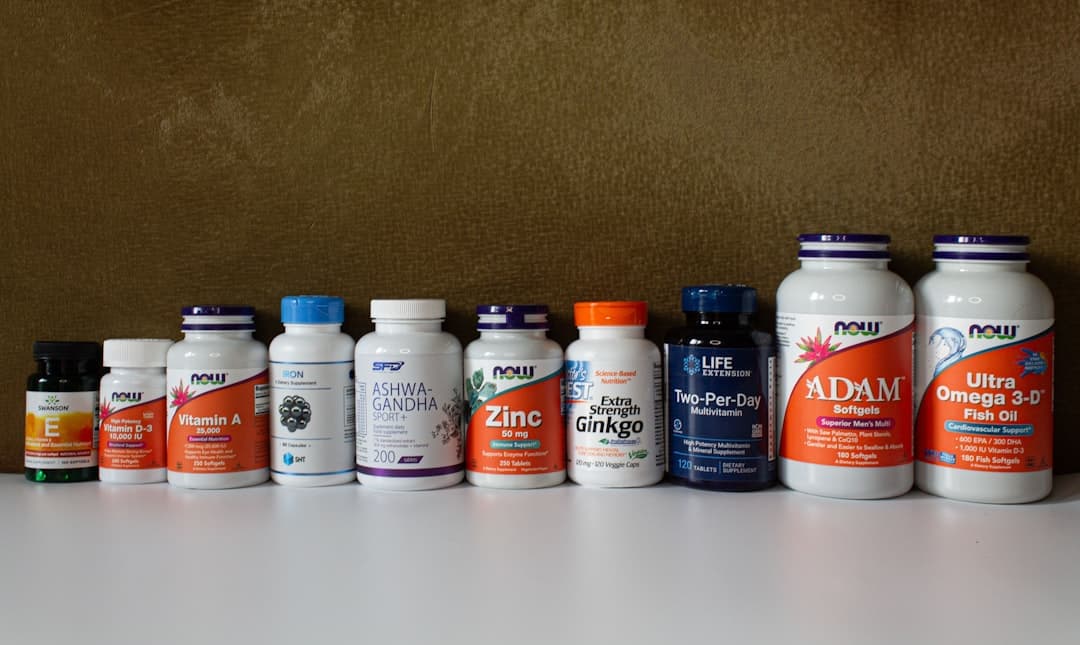
Pro Tip: If you cannot tell whether your vitamin D product includes calcium (some do), check the “Supplement Facts” panel for calcium content and bring a photo of the label to the pharmacy.
When to stop vitamin D and contact a clinician
Stop the supplement and seek medical advice promptly if you develop symptoms that could suggest high calcium or kidney stress, especially if you are taking moderate to high doses.
Watch for a cluster of symptoms rather than a single mild complaint.
Vitamin D is sometimes discussed for immune function and recovery, but it is not a substitute for appropriate antibiotic use, hydration, rest, and follow-up care. Supporting recovery also includes basics like adequate protein for Tissue Repair and Tissue Regeneration, especially after more significant infections.
Key takeaways for safer use
Frequently Asked Questions
- Can antibiotics lower vitamin D levels?
- Most common antibiotics are not known to directly “use up” vitamin D. However, being ill can reduce appetite and sun exposure, and some people pause supplements during sickness, which can affect intake over time. If you are being treated for deficiency, ask your clinician whether to continue your specific plan.
- Is it safe to take vitamin D if I am being treated for an STI?
- Vitamin D is generally compatible with antibiotics commonly used for some [STIs](/glossary/stis), but the same cautions apply about high doses, kidney disease, and calcium-containing supplements. Because STI treatment sometimes involves multiple medicines, it is smart to have a pharmacist check your full medication and supplement list.
- Should I take probiotics instead of vitamin D while on antibiotics?
- They address different issues. Probiotics are sometimes used to help reduce antibiotic-associated diarrhea in some people, while vitamin D is a nutrient that supports bone and immune function. If you want to use either, ask a clinician which is appropriate for your situation and how to time products around your antibiotic.
- Does vitamin D help antibiotics work better?
- Vitamin D is important for immune function, but it is not a proven way to make an antibiotic more effective for an active infection. The most important factors are taking the antibiotic exactly as prescribed and getting medical follow-up if symptoms worsen or do not improve as expected.
Get Evidence-Based Health Tips
Join readers getting weekly insights on health, nutrition, and wellness. No spam, ever.
No spam. Unsubscribe anytime.