Is it safe to take vitamin D with statins?
Summary
For most people, taking vitamin D with a statin is generally considered safe at typical supplement doses. The main concerns are taking more vitamin D than you need, or having health conditions or medications that make high vitamin D levels risky. If you have muscle symptoms, kidney issues, or you take multiple medications, ask your clinician whether you should check a vitamin D level first.
The Short Answer
Vitamin D and statins are commonly used together, and most clinicians consider the combination low risk when vitamin D is taken in standard, label-directed amounts.
No consistent, clinically important interaction is expected for most people. Statins are processed largely through the liver, while vitamin D acts like a hormone and influences calcium balance, so they usually do not compete in a way that causes predictable problems.
Where things can go wrong is not usually the statin itself, it is excess vitamin D (which can raise calcium) or an underlying condition that changes how your body handles vitamin D.
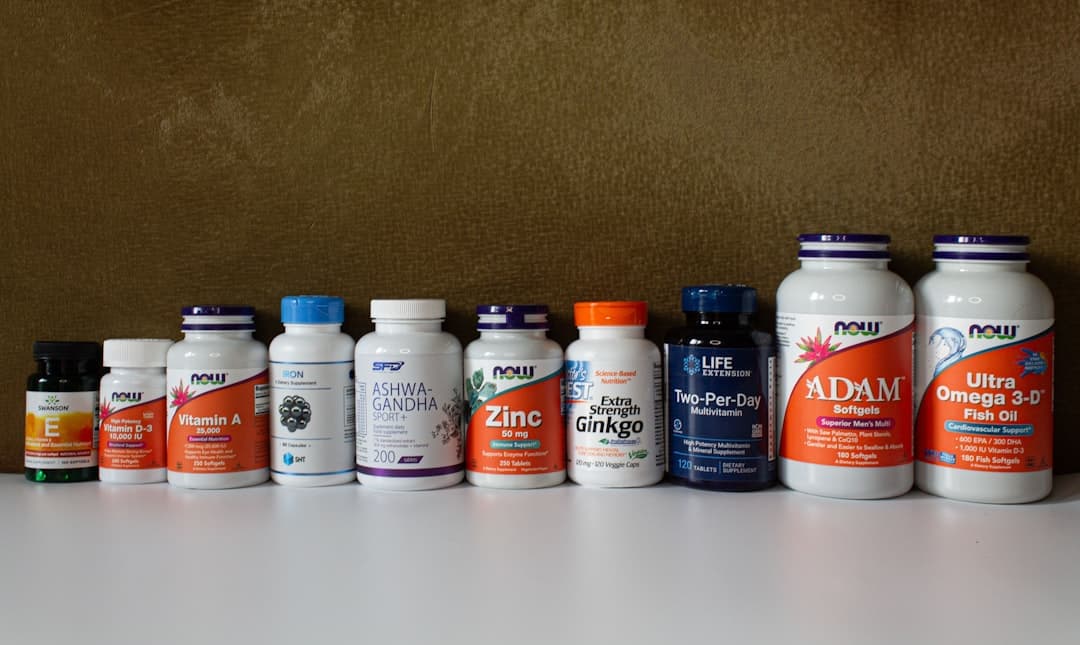
Important: If you already take a multivitamin, calcium supplement, or a “bone health” product, check the label. People sometimes stack products and end up taking more vitamin D than intended.
When to be cautious (and why)
Some situations make vitamin D more likely to cause side effects, even if you are also taking a statin.
Kidney disease or a history of kidney stones: Vitamin D can increase calcium absorption. If your kidneys do not regulate minerals well, higher calcium levels can become more risky, and stone risk may rise. Your clinician may recommend blood and urine monitoring rather than “guessing” a dose.
High calcium levels, hyperparathyroidism, or granulomatous diseases (such as sarcoidosis): These conditions can make you more sensitive to vitamin D, and calcium can climb even with moderate supplementation. That is a different safety issue than statin use, but it matters for anyone considering vitamin D.
Liver conditions: Many people on statins also have metabolic risk factors and may have Fatty Liver. Vitamin D is activated in the liver, so significant liver disease can complicate dosing and interpretation of lab results. This is a good reason to individualize supplementation instead of taking high doses long term.
Medications that affect vitamin D or calcium: Thiazide diuretics, some anti-seizure medicines, and certain steroids can change vitamin D metabolism or calcium balance. If you are on several long-term medicines, your prescriber or pharmacist can screen for additive risks.
Pregnancy or breastfeeding: Needs can differ, and many prenatal vitamins already contain vitamin D. Most guidelines suggest staying within typical prenatal ranges unless your clinician identifies deficiency.
Dosing and “how much is too much”
Most guidelines suggest vitamin D in modest daily amounts for general supplementation, with higher dosing reserved for people who are deficient or at higher risk, and typically guided by lab testing.
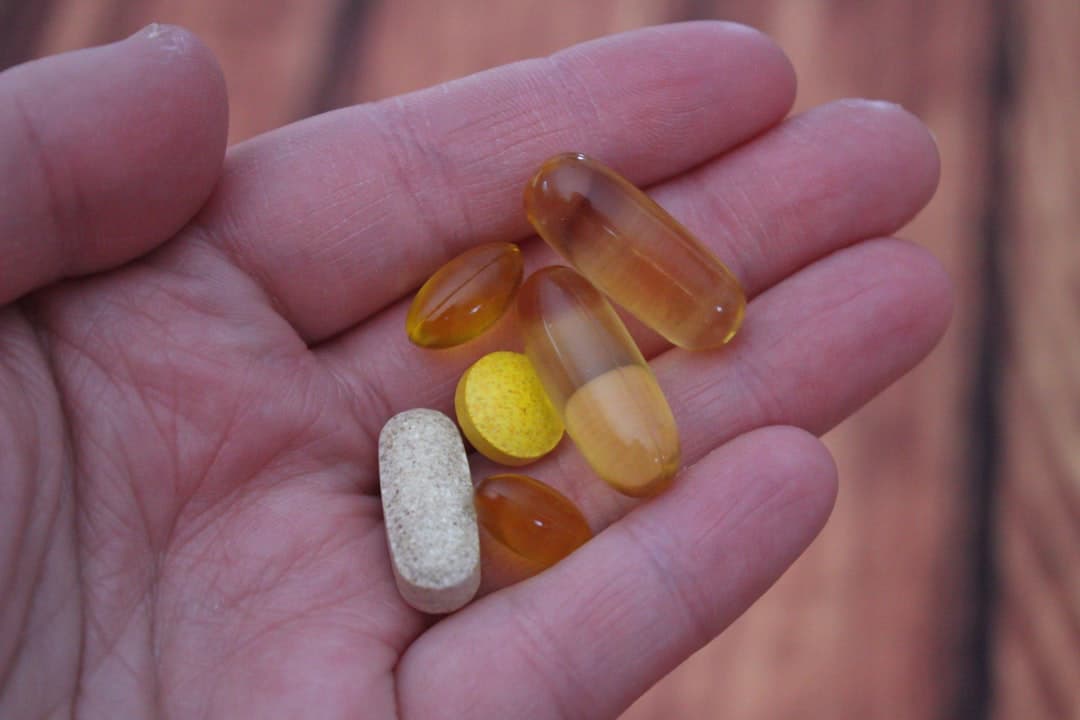
The risk with vitamin D is usually not a single pill, it is taking high doses for weeks to months. Vitamin D is fat-soluble, so it can build up over time.
If you are tempted to take a high-dose product because you have aches, low mood, or low energy, it is worth pausing. Those symptoms have many causes, and supplements can look helpful even when the apparent benefit is due to Confounding Factors (for example, changes in diet, sunlight, sleep, or exercise happening at the same time).
Pro Tip: If you are unsure whether you need vitamin D, ask about a blood test first. It can prevent unnecessary high dosing, and it helps your clinician recommend a plan that matches your risk factors.
Statins, muscle symptoms, and vitamin D
Muscle aches and cramps are a common reason people question statin safety. Vitamin D deficiency can also be associated with muscle pain and weakness, so it is reasonable to ask whether low vitamin D is contributing.
Correcting a true deficiency may improve muscle symptoms for some people, but it is not a guaranteed fix. Muscle symptoms can be multifactorial, including training changes, dehydration, thyroid issues, other medications, or the statin itself.
If you are actively strength training or in a Cutting Phase, muscle soreness can be influenced by changes in calories, recovery, and Exposure Frequency to intense workouts. That does not rule out medication side effects, but it can make patterns harder to interpret.
If muscle pain starts soon after a statin dose change, becomes progressively worse, or limits daily activities, treat it as a medication safety issue. Do not “push through” severe symptoms.
When to stop and contact a clinician urgently
Most people will not have problems. Still, it helps to know the red flags.
Contact your clinician promptly if you take vitamin D with a statin and you develop:
Severe muscle pain, marked weakness, or dark urine: This can be a warning sign of serious muscle injury. It is uncommon, but it needs urgent evaluation, especially in people on statins.
Symptoms of high calcium: Persistent nausea, vomiting, constipation, excessive thirst, frequent urination, confusion, or new heart rhythm symptoms can occur when calcium is too high. This is more likely with excessive vitamin D intake or certain medical conditions.
New or worsening kidney stone symptoms: Flank pain, blood in urine, or severe urinary discomfort should be assessed, especially if you are taking vitamin D plus calcium.
Also call your clinician if you start any new long-term medication (including steroids or diuretics), because your vitamin D plan may need adjustment.
Key takeaways for safe use
If you use vitamin D, stick to a standard daily dose unless your clinician recommends otherwise. High-dose regimens are best reserved for confirmed deficiency and follow-up.
Avoid “stacking” supplements. Vitamin D may be in multivitamins, calcium products, and combination bone formulas, and the total daily amount is what matters.
If you have kidney disease, a history of stones, high calcium, or significant liver disease (including more advanced Fatty Liver), get individualized advice before supplementing.
New, severe, or progressive muscle symptoms while on a statin should be evaluated promptly, regardless of vitamin D use.
Frequently Asked Questions
- Should I take vitamin D at a different time of day than my statin?
- Most people do not need to separate them for safety. Vitamin D is often taken with a meal (especially one containing some fat) to support absorption, while statin timing depends on the specific drug and your prescriber’s advice.
- Can vitamin D affect my cholesterol numbers?
- Vitamin D is not a reliable cholesterol-lowering treatment. If your cholesterol improves after starting vitamin D, it may be related to other lifestyle changes or [Confounding Factors](/glossary/confounding-factors), so keep following your statin plan unless your clinician advises changes.
- Is it safe to take vitamin D if I also use Fluticasone Nasal Spray?
- For most people, vitamin D can be used with [Fluticasone Nasal Spray](/glossary/fluticasone-nasal-spray) without a specific interaction. If you use any steroid medicine long term or at higher doses, ask your clinician whether you need monitoring for bone and mineral health.
- Do I need to check vitamin D levels routinely if I am on a statin?
- Routine testing is not necessary for everyone. Testing is more commonly considered if you have risk factors for deficiency, symptoms that could fit deficiency, kidney problems, or if you are considering higher-dose supplementation.
Get Evidence-Based Health Tips
Join readers getting weekly insights on health, nutrition, and wellness. No spam, ever.
No spam. Unsubscribe anytime.