Protein Coffee for Mornings, A Simple 30g Boost
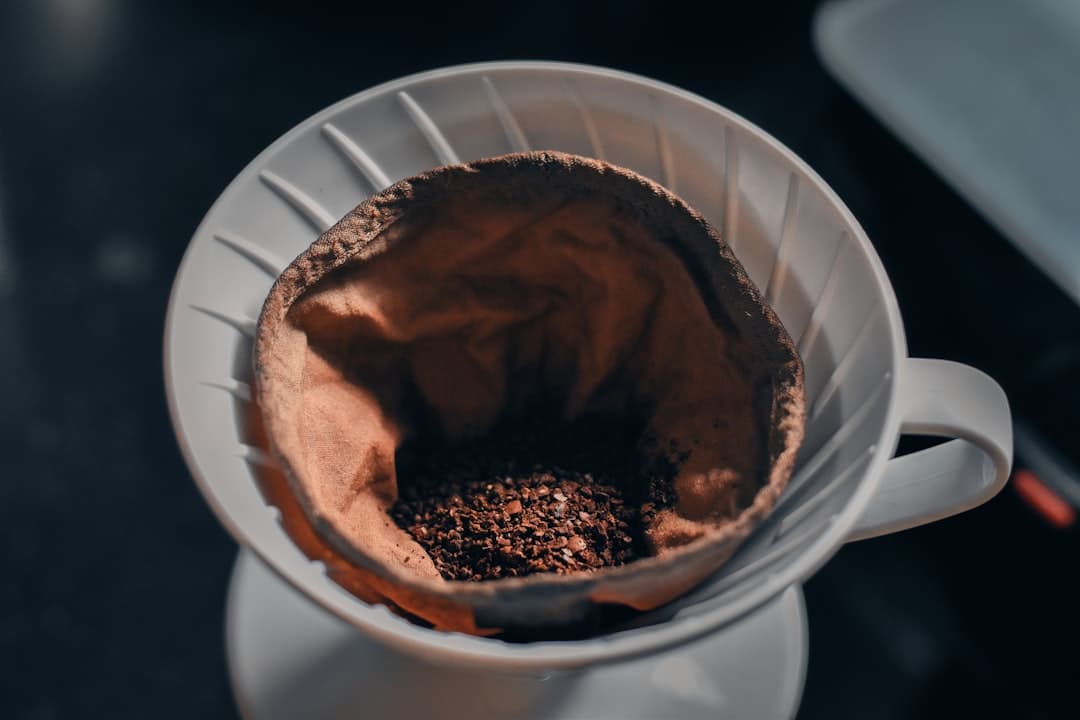
Summary
This video’s core takeaway is simple: you can “sneak” about 30 grams of protein into your morning coffee by mixing protein powder into cold milk first, then adding a double shot of coffee, and chilling it for the next morning. The unique emphasis is on texture control, keep the mixture cold to avoid a “gluggy and gross” result. This approach can be helpful for people who struggle to eat protein early, including many women juggling busy mornings. It is not a cure-all, but it can be a practical, repeatable routine.

Getting 30 grams of protein in before your day explodes can be as simple as coffee.
This video’s unique point is not a fancy supplement stack, it is technique: keep the mix cold so the protein does not turn “gluggy and gross.”
The One Move That Makes This Protein Coffee Work
The discussion highlights a common frustration: protein powder can clump when it hits heat. That texture problem is often why people quit protein coffee.
The key insight here is sequencing. Instead of dumping powder into hot coffee, you build a cold base first, then add coffee, then chill it.
Pro Tip: If you only change one thing, change the temperature. Mix protein into cold milk (or a cold coffee shot) before anything warm touches it.
How to Make “my Favorite’s” Protein Coffee (Step-by-Step)
This is an action-first recipe built for busy mornings and minimal decision-making.
Add protein powder to your cup or shaker. The speaker uses about two level tablespoons, estimating it as about 30 g of pure protein. Reality check: scoops and tablespoons differ by brand, so confirm grams per serving on your label.
Pour in cold milk first (about 4 oz). The preference here is unsweetened almond milk to avoid sugar in coffee. Any milk works if it fits your needs, but the “cold first” rule stays.
Stir or shake until smooth. Take an extra 15 to 30 seconds here, it prevents gritty pockets.
Add a double shot of coffee. Pour it in after the powder is already dispersed.
Lid on, fridge overnight. The goal is a grab-and-go drink that is “ready to go first thing in the morning.”
Important: If you add protein powder directly into hot coffee, the video warns it can become “really gluggy and gross.” If you must drink it hot, consider mixing the powder into cold milk first, then slowly tempering with small amounts of warm coffee.
Women’s Health Angle: Why a High-Protein Morning Can Matter
For women thinking about energy, appetite, and reproductive health goals, breakfast protein is often discussed as a practical lever, not a miracle.
Protein tends to be more filling than carbohydrate or fat for many people. Research suggests higher protein intake can increase satiety and influence hunger hormones like ghrelin and peptide YY, which may support appetite regulation in some contexts (NIH reviewTrusted Source).
A second nuance is caffeine. Coffee can feel essential, but caffeine sensitivity varies, and some women notice jitters or appetite suppression that backfires later.
What the research shows: The FDA notes that up to 400 mg of caffeine per day is generally considered an amount that is not usually associated with negative effects for most healthy adults (FDA caffeine guidanceTrusted Source). A “double shot” can vary widely by café and brew method, so your actual dose may be higher or lower than you think.
Common Misconceptions and Edge Cases
“30 grams is always the right amount.” Not necessarily. Protein needs vary with body size, activity, pregnancy status, and medical conditions. If you have kidney disease or are advised to limit protein, check with your clinician.
“Almond milk is required.” It is just the chosen tool to keep sugar low. If you need more calories, you might choose dairy milk or soy milk, which typically has more protein.
“Protein coffee replaces breakfast.” It can, but it does not have to. Consider what is missing: fiber, fruit, and micronutrients.
Key Takeaways
Frequently Asked Questions
- Why does protein powder get clumpy in hot coffee?
- Heat can cause some proteins to denature and clump, especially if the powder hits hot liquid before it is fully dispersed. Mixing it into a cold base first helps the powder hydrate evenly, which usually improves texture.
- Is 30 grams of protein at breakfast too much?
- It depends on your body size, overall diet, activity level, and health conditions. Many people tolerate 25 to 35 g well, but if you have kidney disease, are pregnant, or have specific nutrition targets, it is worth checking with a clinician or dietitian.
Get Evidence-Based Health Tips
Join readers getting weekly insights on health, nutrition, and wellness. No spam, ever.
No spam. Unsubscribe anytime.