Can You Take Fish Oil With Antidepressants Safely?
Summary
For many people, fish oil can be taken alongside antidepressants without major problems, and some use it to support overall health. The main safety concern is a potential increase in bleeding or bruising, especially if you also take blood thinners, have a bleeding disorder, or are preparing for surgery. Check with your prescriber or pharmacist before starting, particularly if you take multiple medications or have complex health conditions.
The bottom line on safety
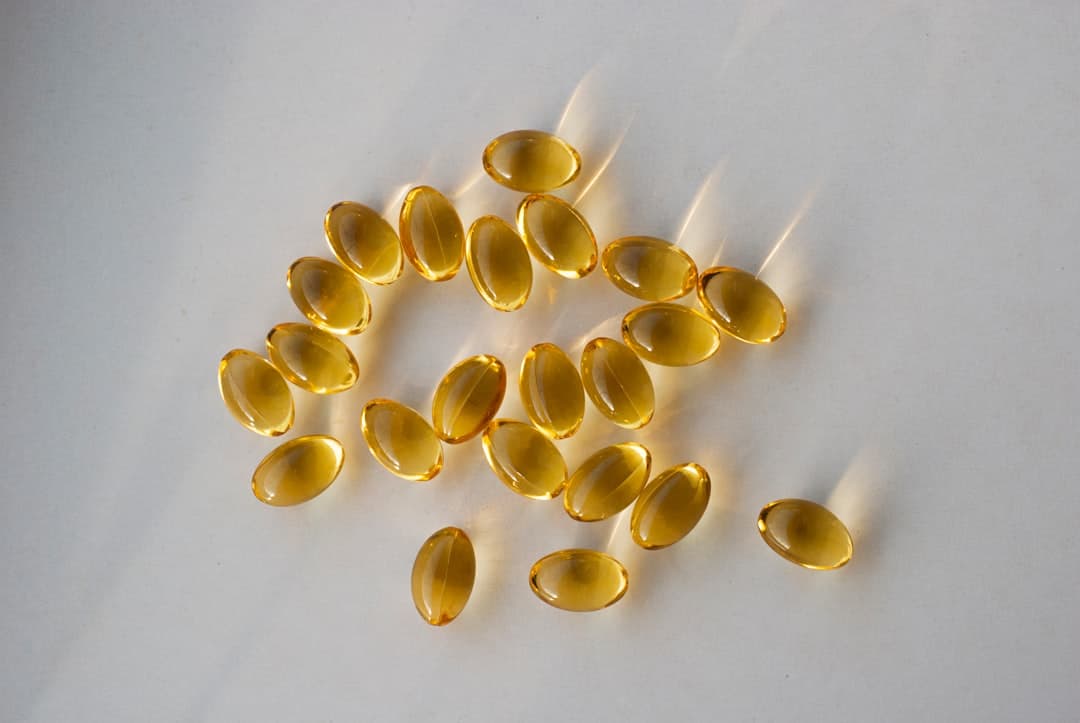
Fish oil supplements (omega-3s, typically EPA and DHA) are commonly combined with antidepressants, and most people tolerate the combination well.
The safety question is less about a direct “drug clash” and more about your personal risk factors, especially anything that already raises bleeding risk.
Most guidelines suggest staying within typical over-the-counter doses unless a clinician recommends otherwise, and avoiding “more is better” dosing.
When you should be cautious (or get medical advice first)
Some situations call for a quick check-in with a healthcare professional before you add fish oil.
Important: Tell your surgeon or dentist about fish oil before procedures. Many clinicians recommend pausing supplements that can affect bleeding ahead of surgery, but the timing should come from your care team.
What dose is usually considered reasonable?
Most guidelines suggest aiming for modest, label-directed amounts when you are using fish oil as a general supplement, not as a targeted treatment.
In practical terms, that often means a product that provides a combined EPA plus DHA amount in the “hundreds of milligrams to around 1 gram per day” range for routine use, unless your clinician recommends a different dose for a specific reason.
Higher doses are sometimes used under medical supervision for certain lipid problems, but that is exactly the scenario where interaction and bleeding considerations matter most.
A common mistake is stacking products. People may take fish oil capsules plus a “heart health” blend plus cod liver oil, then unintentionally end up on a much higher total omega-3 dose.
Pro Tip: Bring the bottle (or a photo of the Supplement Facts panel) to your next appointment. Ask your pharmacist to total the EPA and DHA across all products, not just “fish oil mg,” which can be misleading.
Side effects and warning signs to watch for
Fish oil can cause mild side effects even when it is safe for you.
Common ones include fishy aftertaste, reflux, nausea, or loose stools. Taking it with meals and using enteric-coated products can reduce these issues for some people.
More concerning symptoms are usually related to bleeding or intolerance.
Contact a clinician promptly if you notice:
If you ever have chest pain, trouble breathing, facial swelling, or hives after a supplement, seek emergency care, even though true allergic reactions are uncommon.
Practical ways to reduce risk (without giving up omega-3s)
If your goal is general health support, you may not need a supplement at all.
Fatty fish in the diet (when appropriate for you) provides omega-3s along with protein and micronutrients, and it avoids some supplement variability. For people who dislike fish or avoid it, algae-based omega-3s can be an alternative to discuss with a pharmacist or clinician.
If you do supplement while on antidepressants, a few habits can make the combination safer:
If you are also working on mood symptoms, remember that basics still count. Regular movement at a sustainable Exercise Intensity, consistent sleep timing, and structured routines often have a bigger impact than any single supplement.
Key takeaways for people on antidepressants
Frequently Asked Questions
- Does fish oil make antidepressants work better?
- Some people take omega-3s hoping for added mood support, but responses vary and it should not replace standard depression treatment. If you are considering fish oil for mood, discuss product choice and dose with your prescriber so changes can be monitored safely.
- Is it safer to get omega-3s from food instead of supplements?
- For many people, dietary sources are a lower-risk way to increase omega-3 intake because you avoid high-dose capsules and product variability. A clinician can help you balance benefits with concerns like dietary preferences, allergies, or pregnancy guidance.
- Can I take fish oil if I also use ibuprofen or aspirin sometimes?
- Occasional use may be fine for some people, but combining fish oil with medicines that can affect bleeding or irritate the stomach can raise the chance of bruising or gastrointestinal bleeding. If you use these pain relievers frequently, ask a pharmacist or clinician before adding fish oil.
- Should I stop fish oil if I notice bruising?
- New or increasing bruising is a reason to pause and contact your clinician for advice, especially if you take an SSRI or SNRI or any blood-thinning medication. Seek urgent care if bruising is accompanied by black stools, vomiting blood, or significant weakness or dizziness.
Get Evidence-Based Health Tips
Join readers getting weekly insights on health, nutrition, and wellness. No spam, ever.
No spam. Unsubscribe anytime.