Matcha: Complete Guide
Matcha is powdered green tea made from shade-grown leaves that are consumed whole, which can amplify both benefits and risks compared with brewed tea. This guide explains how matcha works, what the research actually supports, how to choose a safer high-quality product, and how to use it in a way that fits your goals and health profile.
What is Matcha?
Matcha is a powdered form of green tea (Camellia sinensis) traditionally produced from shade-grown tea plants. Instead of steeping leaves and discarding them, you whisk the powder into water or milk and consume the entire leaf. That single difference changes the nutritional profile, the caffeine experience, and the safety considerations.
High-quality matcha is typically made from young leaves that are shaded for the last weeks before harvest, then steamed to stop oxidation, dried, de-stemmed and de-veined (often into “tencha”), and finally stone-ground into a fine powder. The result is a vivid green powder with a distinctive taste that can range from sweet and creamy to grassy and pleasantly bitter depending on cultivar, harvest time, and processing.
Because you ingest the whole leaf, matcha can deliver higher concentrations of certain compounds than brewed green tea. It also means any contaminants present on or in the leaf (for example heavy metals absorbed from soil, pesticide residues, or mold toxins from poor storage) can matter more. In other words, matcha is both a concentrated source of beneficial plant compounds and a product where quality control is especially important.
> Key idea: Matcha is not “just green tea.” It is whole-leaf green tea powder, which can increase exposure to catechins and caffeine, but also increases the importance of sourcing and testing.
How Does Matcha Work?
Matcha’s effects come from a combination of bioactive compounds that influence the nervous system, metabolism, vascular function, and cellular stress responses. The most discussed players are caffeine, L-theanine, and catechins (especially EGCG), with supporting roles from chlorophyll, quercetin and other flavonoids, small amounts of vitamins and minerals, and trace fiber.
Caffeine plus L-theanine: calm focus rather than jitters
Matcha contains caffeine, but it is often perceived as smoother than coffee. A major reason is L-theanine, an amino acid naturally present in tea leaves and often higher in shade-grown tea. L-theanine can cross the blood-brain barrier and is associated with increased alpha brain wave activity, a pattern linked with relaxed alertness.
In practical terms, many people experience:
- Improved attention and reaction time with less “wired” feeling
- A gentler rise and fall in energy compared with coffee
- Better tolerance of caffeine when taken with food
Catechins (EGCG) and antioxidant signaling
Matcha is rich in catechins, particularly epigallocatechin gallate (EGCG). Catechins act in two ways:
1. Direct antioxidant activity (scavenging free radicals) 2. Hormetic signaling (triggering the body’s own antioxidant defenses)
The second mechanism is often more important. Tea polyphenols can influence pathways involved in oxidative stress and inflammation regulation, including Nrf2-related antioxidant responses and modulation of inflammatory signaling such as NF-kB. These are complex pathways and do not translate into guaranteed clinical outcomes, but they help explain why tea is repeatedly associated with cardiometabolic and brain-health signals in population studies.
Metabolic effects: glucose handling and fat oxidation
Green tea catechins and caffeine can modestly increase thermogenesis and fat oxidation. Some research suggests improvements in insulin sensitivity and post-meal glucose response, especially when matcha is used consistently and paired with an overall healthy diet.
The effect size is usually modest. Matcha is best viewed as a supportive habit, not a primary weight-loss tool.
Vascular and endothelial effects
Tea polyphenols can support nitric oxide availability and endothelial function, which may translate into small improvements in blood pressure and vascular tone in some people. Again, results vary by dose, baseline health, and whether the matcha is replacing a less healthy beverage.
Gut and microbiome interactions
Polyphenols reach the gut where they interact with microbes and are metabolized into compounds that may be biologically active. Some people notice digestive benefits, while others experience nausea or reflux, particularly with higher doses or on an empty stomach.
Benefits of Matcha
Matcha’s benefits are best described as “evidence-supported possibilities” rather than guarantees. The strongest signals are in cardiometabolic support, cognitive performance and alertness, and antioxidant and inflammation-related markers. Outcomes depend on quality, dose, and what matcha replaces in your routine.
1) Calm alertness and focus
The caffeine plus L-theanine combination is one of matcha’s most practical benefits. Many users report improved concentration, fewer energy crashes, and better task persistence. Controlled studies on tea components support improvements in attention and aspects of executive function, though the magnitude varies.
Best use case: Morning or early afternoon focus, especially for people who find coffee too stimulating.
2) Cardiometabolic support
Regular green tea intake is associated in observational research with lower cardiovascular risk and improved lipid profiles. Interventional research suggests modest improvements in LDL cholesterol, blood pressure, and markers of oxidative stress in some groups.
Matcha may provide similar benefits, but keep expectations realistic. The biggest “win” often comes from replacing sugar-sweetened coffee drinks, energy drinks, or soda with matcha.
3) Anti-inflammatory and antioxidant support
Matcha provides catechins that can influence oxidative stress and inflammatory signaling. This aligns with why green tea and matcha commonly appear in anti-inflammatory dietary patterns.
If your broader goal is reducing chronic inflammation, matcha tends to work best as part of an overall pattern that includes omega-3 rich foods, berries, extra virgin olive oil, leafy greens, and spices like turmeric (especially when paired with black pepper).
4) Exercise performance and recovery (modest)
Some evidence suggests green tea catechins may support fat oxidation during exercise and reduce certain markers of muscle damage or oxidative stress. For most people, the more noticeable performance effect is simply caffeine.
5) Liver and cellular protection signals (with important caveats)
Green tea compounds show protective effects in lab and some human studies, including markers related to fatty liver. However, concentrated green tea extracts have also been linked to rare liver injury at high doses.
Matcha as a beverage is generally different from high-dose extracts, but the caution is still relevant: more is not always better.
> Practical framing: For most people, matcha’s benefits are most reliable for focus and as a “healthy beverage swap.” Longer-term cardiometabolic and inflammation benefits are plausible but typically modest.
Potential Risks and Side Effects
Because matcha is concentrated and consumed whole, safety and tolerability deserve as much attention as benefits.
Caffeine-related side effects
Even though matcha can feel smoother than coffee, it can still cause:
- Anxiety, jitteriness, or irritability
- Rapid heart rate or palpitations
- Increased urination
- Sleep disruption, especially when used after midday
GI upset, nausea, reflux
Matcha can irritate the stomach lining in some individuals, especially:
- When taken on an empty stomach
- At higher concentrations
- In people with reflux, gastritis, or sensitive digestion
Iron absorption interference
Tea polyphenols can reduce non-heme iron absorption from plant foods when consumed with meals. This matters most for people with low iron stores, heavy menstrual bleeding, pregnancy, or predominantly plant-based diets.
Practical workaround: Avoid matcha within about 1 to 2 hours of iron-rich meals or iron supplements.
Contaminants: heavy metals, pesticides, and mold
This is a central matcha issue. Tea plants can accumulate heavy metals from soil, and residues can persist depending on agricultural practices. Risks include:
- Lead and cadmium (soil uptake and environmental exposure)
- Arsenic (varies by region and soil)
- Pesticide residues (if not well controlled)
- Mycotoxins (from poor drying or storage, especially in humid conditions)
> Non-negotiable: Choose matcha with transparent third-party testing for heavy metals and pesticides, and store it properly to reduce degradation and mold risk.
Liver concerns: avoid high-dose “extract thinking”
Rare cases of liver injury have been associated with high-dose green tea extracts in supplement form. Matcha beverages are typically lower risk, but very high daily intakes of matcha powder can push catechin exposure upward.
If you have liver disease, elevated liver enzymes, or you are taking potentially hepatotoxic medications, use caution and discuss with a clinician.
Pregnancy, breastfeeding, and children
Caffeine limits are lower in pregnancy, and tea can interfere with iron status. Matcha may be used cautiously in small amounts, but many clinicians recommend limiting caffeine and spacing tea away from prenatal iron.
Children are more sensitive to caffeine. If used at all, it should be very low dose and not routine.
Medication interactions (common categories)
Matcha can interact or complicate management with:
- Stimulants (additive effects)
- Anticoagulants and antiplatelets (tea contains vitamin K in small amounts and polyphenols may influence platelet function, though typical beverage amounts are usually not dramatic)
- Blood pressure medications (caffeine can transiently raise blood pressure in some)
- Thyroid medication and iron supplements (absorption timing issues)
How to Choose and Use Matcha (Best Practices)
This is where most people either get great results or end up with a bitter drink, jitters, or unnecessary contaminant exposure.
How much matcha should you use?
A typical serving is 1 to 2 grams of matcha powder (about 1/2 to 1 teaspoon, depending on spoon size and powder density).
- Beginner or caffeine-sensitive: 1/2 teaspoon (or less)
- Typical daily use: 1/2 to 1 teaspoon once daily
- Higher intake: Some people use 2 teaspoons, but this increases caffeine and catechin exposure and raises the importance of testing and tolerability
Timing: get benefits without wrecking sleep
- Use matcha in the morning or early afternoon.
- If sleep is a goal, avoid matcha 8 to 10 hours before bedtime (some people need longer).
- If you are using matcha for appetite control, note that caffeine can backfire by increasing stress eating in some.
Preparation: temperature and technique matter
Matcha can taste harsh if scalded.
Basic method (traditional style):
1. Sift 1/2 to 1 teaspoon to reduce clumps. 2. Add a small amount of warm water first. 3. Whisk vigorously (ideally with a bamboo whisk) until frothy. 4. Top with more hot water.
Water temperature: Aim for 70 to 80°C (158 to 176°F). Boiling water can increase bitterness and degrade some aromatic compounds.
Matcha latte: make it healthier
Lattes are popular but can become sugar delivery systems.
- Choose unsweetened milk or lightly sweetened.
- Consider cinnamon or vanilla for flavor instead of syrup.
- If using plant milks, check added sugars and gums if you are sensitive.
Choosing quality: what to look for
Quality is both a taste issue and a safety issue.
Look for:
- Third-party testing for heavy metals (lead, cadmium, arsenic, mercury) and pesticide residues
- Harvest and origin transparency (region, harvest season, producer)
- Bright green color (often indicates freshness and higher chlorophyll, though not a perfect test)
- Fine texture and fresh aroma
- Proper packaging (opaque, airtight, ideally nitrogen-flushed)
- Very cheap matcha sold in bulk with no testing
- Dull olive or yellow-green powders (often older, lower grade, or oxidized)
- Products that do not disclose origin or testing
Storage: prevent oxidation and off flavors
Matcha is sensitive to light, oxygen, heat, and moisture.
- Keep it sealed, cool, and dry.
- Refrigeration can help, but only if the container is airtight and you avoid condensation.
- Use within 1 to 2 months of opening for best flavor (longer is possible, but quality declines).
What the Research Says
Matcha research is growing, but much of the evidence still comes from broader green tea studies, plus mechanistic work on catechins and L-theanine. That means we can make informed conclusions, but we should be careful about over-claiming.
Where evidence is strongest
1) Cognitive and attention effects
Studies on caffeine and L-theanine, and on tea beverages, support improvements in attention, alertness, and reaction time. The combination can reduce perceived stress and smooth the stimulant effect for some.
2) Cardiometabolic markers
Randomized trials and meta-analyses on green tea show modest improvements in LDL cholesterol, blood pressure, and some glycemic markers, especially in people with higher baseline risk. Effects are generally small and require consistent intake.
3) Antioxidant and inflammation-related biomarkers
Human studies often show improvements in oxidative stress markers and shifts in inflammatory biomarkers, but these are intermediate outcomes. Whether they translate into meaningful symptom improvements depends on the person and context.
Where evidence is mixed or often overstated
Weight loss and “fat burning”
Green tea catechins can slightly increase energy expenditure, but the effect is not dramatic. Marketing often exaggerates this.
Detox claims
The body’s detoxification is primarily handled by the liver, kidneys, lungs, gut, and skin. Matcha can support antioxidant defenses, but it does not “detox” in a magical way.
Cancer prevention claims
There are promising mechanistic and observational signals for tea consumption, but clinical outcomes are not definitive. Tea is a healthy habit, not a cancer treatment.
Evidence quality notes specific to matcha
- Dose variability: Studies may use standardized green tea extracts or brewed tea, which do not perfectly match matcha powder.
- Product variability: Catechin and caffeine content vary widely by cultivar, harvest, shade time, and storage.
- Confounding lifestyle factors: Tea drinkers often have other healthy behaviors, which can inflate observational associations.
Who Should Consider Matcha?
Matcha is most useful when it solves a practical problem: better focus, a healthier caffeine ritual, or a replacement for sugary drinks.
People who may benefit most
1) Coffee drinkers who want a smoother stimulant
If coffee triggers jitters or crashes, matcha’s caffeine plus L-theanine profile may feel more stable.
2) People building an anti-inflammatory eating pattern
Matcha can be a consistent daily polyphenol source, alongside foods like berries, leafy greens, extra virgin olive oil, and omega-3 rich fish.
3) People seeking a lower-sugar beverage routine
Replacing sweetened drinks with unsweetened matcha can reduce added sugar intake while keeping the ritual of a warm drink.
4) People who want a “one daily habit” for brain support
As part of a broader brain-supportive pattern (berries, healthy fats, leafy greens, omega-3s), matcha can be a practical daily anchor.
People who should be cautious or avoid daily matcha
- Pregnant individuals (caffeine and iron timing)
- Those with iron deficiency or borderline ferritin (timing away from meals)
- People with anxiety, panic symptoms, or arrhythmias (caffeine sensitivity)
- Those with reflux or gastritis (GI irritation)
- Anyone unable to verify product testing (contaminant risk)
Common Mistakes, Interactions, and Alternatives
Common mistakes that reduce benefits or increase downsides
Using boiling water
This often produces bitterness and makes people add sugar. Lower temperature usually fixes the taste.
Turning matcha into dessert
A matcha drink with syrups and whipped cream can erase the metabolic advantages. If you want a latte, keep it lightly sweetened or unsweetened.
Drinking it late in the day
Sleep loss can outweigh any benefit from antioxidants. If you want matcha daily, protect sleep first.
Assuming “organic” automatically means safe
Organic can reduce certain pesticide exposures, but it does not guarantee low heavy metals. Testing matters.
Useful alternatives (depending on your goal)
- Sencha or brewed green tea: Lower exposure to leaf-bound contaminants because you discard the leaves, still provides catechins.
- Gyokuro: Shade-grown like matcha, brewed leaf tea with rich theanine, typically more expensive.
- Hojicha: Roasted green tea, lower caffeine, gentler for some stomachs.
- Decaf green tea: Helpful if caffeine is a problem, but catechin levels can be reduced depending on decaffeination method.
- Coffee plus L-theanine supplement: Some people use this to mimic matcha’s “calm focus,” though this shifts you toward supplement territory.
Practical interaction tips
- Separate matcha from iron supplements and thyroid meds by at least 2 hours unless your clinician advises otherwise.
- If you take stimulant medications, consider reducing other caffeine sources and monitor heart rate, anxiety, and sleep.
- If you are on blood pressure meds, check your blood pressure response to caffeine and keep intake consistent.
Frequently Asked Questions
Is matcha stronger than coffee?
Matcha often has less caffeine per serving than a large coffee, but it can feel “strong” because you consume the whole leaf and because people sometimes use large scoops. The experience also depends on L-theanine, which may make the stimulation feel smoother.How much matcha is safe per day?
For most healthy adults, 1 serving daily (about 1/2 to 1 teaspoon) is a conservative, practical amount. Higher intakes increase caffeine and catechin exposure and make product testing more important.Can matcha help with inflammation?
Matcha provides catechins that influence oxidative stress and inflammation-related pathways. It can support an anti-inflammatory diet pattern, but it is not a stand-alone treatment for inflammatory disease.Does matcha have heavy metals?
It can, depending on soil and farming practices. Because you ingest the leaf, choose brands with recent third-party lab testing for heavy metals and pesticides.Is matcha okay if I have iron deficiency?
It can be, but avoid consuming it with iron-rich meals or iron supplements because tea polyphenols can reduce iron absorption. Timing it between meals is often a good strategy.Why does my matcha taste bitter?
Common causes are water that is too hot, too much powder, low-quality or oxidized matcha, or skipping sifting and proper whisking. Try cooler water (70 to 80°C) and a smaller dose first.Key Takeaways
- Matcha is whole-leaf powdered green tea, which can increase both beneficial compounds (catechins, L-theanine) and exposure to contaminants.
- The most reliable day-to-day benefit is calm alertness from the combination of caffeine and L-theanine.
- Research supports modest cardiometabolic and antioxidant benefits, especially when matcha replaces sugary beverages.
- The biggest risks are caffeine side effects, GI irritation, iron absorption interference, and contaminants without proper testing.
- A practical starting dose is 1/2 teaspoon once daily, brewed with 70 to 80°C water, ideally earlier in the day.
- Quality matters: prioritize third-party tested matcha, store it airtight, cool, and dry, and use it relatively soon after opening.
Related Articles
4 articles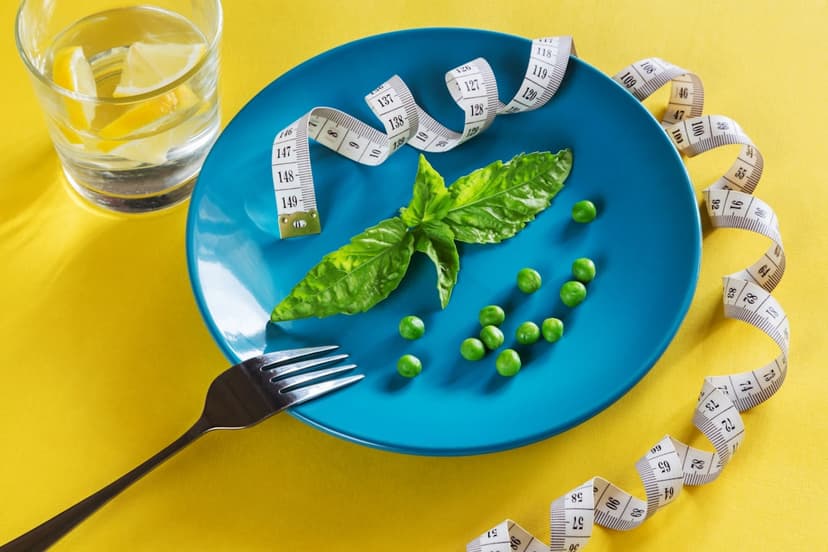
12 “Healthy” Foods With Hidden Sugar Traps
Many foods marketed as “healthy” can still behave like sugar once you eat them, even when the label says “no added sugar.” This investigative walkthrough follows Ryan, a UK nutritionist, through 12 common traps, including gluten-free wraps, keto-style protein bars, fruity yogurts, oat milk, sauces, soups, granola, and juice blends. The theme is not just grams of sugar, but how fast certain starches and sweeteners can turn into glucose and trigger a blood-sugar roller coaster. You will also find practical label-reading tips and realistic swaps that keep meals satisfying.
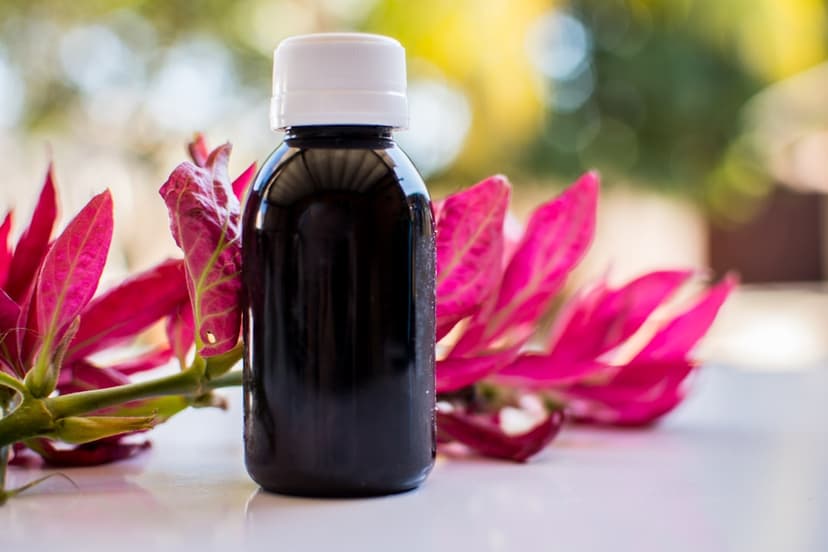
Castor Oil for Face and Hair: How to Use It Well
Is castor oil really “nature’s Botox”, or is it just a heavy moisturizer with good marketing? This article unpacks the video’s practical, quality-first approach: choose cold-pressed, organic, hexane-free castor oil, use only a few drops, and stay consistent for at least 6 weeks. You will learn why the oil’s unique fatty acid may help skin look plumper, how to use it around eyes without irritating them, when Jamaican black castor oil makes more sense for the scalp, and which popular claims (like cysts or “liver detox”) are not supported by evidence.
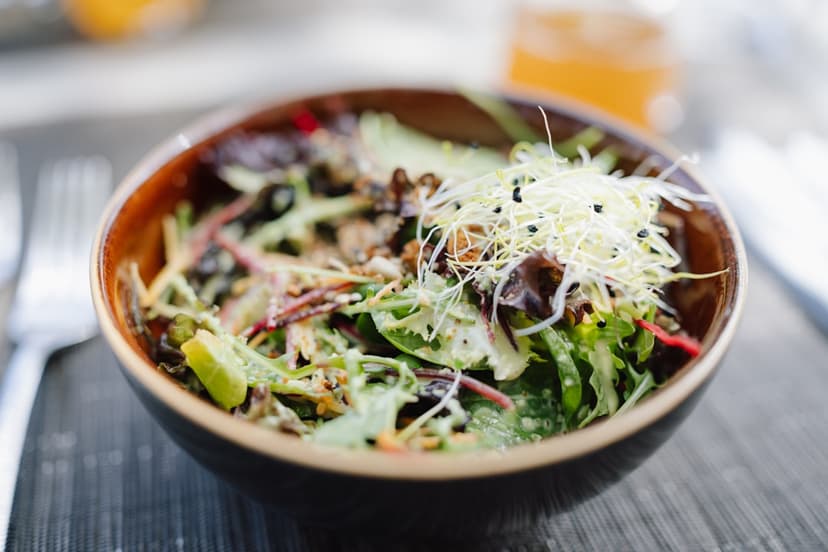
Best and Worst Lunches for Energy and Focus
In the video, the expert walks through a familiar moment, standing at Whole Foods while traveling and trying to pick a lunch that will not sabotage the afternoon. The core idea is simple: lunch strongly shapes energy, focus, cravings, and the odds of reaching for sweets, alcohol, or extra caffeine later. From this perspective, refined-bread sandwiches and low-protein salads are common traps, especially for desk-job days. A more reliable approach is a higher-protein, adequately sized lunch, often built around meat or fish plus salty, fermented, or fatty sides (like olives, sauerkraut, or kimchi) for steadier satiety.
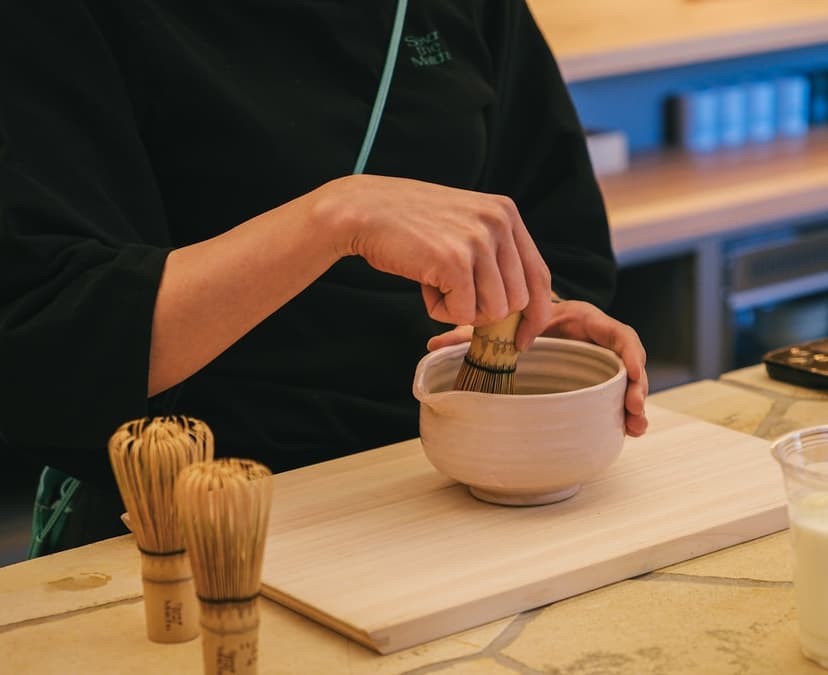
Matcha Tea Benefits, How to Choose, and Best Uses
Matcha is not just “green tea,” it is the whole leaf in powdered form, which changes the trade-offs. This video’s approach centers on one daily cup made with ceremonial grade matcha, whisked into hot (not boiling) water, aiming for calm focus, metabolic support, and antioxidant intake. It also emphasizes quality control, shade-grown leaves, bright green color, and third-party testing for heavy metals and pesticides. Below, we unpack the 10 benefits discussed, where evidence is promising vs. overstated, and practical ways to use matcha without accidentally canceling out its potential upsides.
Glossary Definition
A powdered green tea consumed whole, raising concerns about quality and contaminants.
View full glossary entryHave questions about Matcha: Complete Guide?
Ask Clara, our AI health assistant, for personalized answers based on evidence-based research.