Matcha Tea Benefits, How to Choose, and Best Uses
Summary
Matcha is not just “green tea,” it is the whole leaf in powdered form, which changes the trade-offs. This video’s approach centers on one daily cup made with ceremonial grade matcha, whisked into hot (not boiling) water, aiming for calm focus, metabolic support, and antioxidant intake. It also emphasizes quality control, shade-grown leaves, bright green color, and third-party testing for heavy metals and pesticides. Below, we unpack the 10 benefits discussed, where evidence is promising vs. overstated, and practical ways to use matcha without accidentally canceling out its potential upsides.
🎯 Key Takeaways
- ✓The video’s core routine is simple: 1 teaspoon ceremonial grade matcha in 1 cup hot (not boiling) water, whisked as a paste first, then topped up, once daily.
- ✓Matcha’s “calm alertness” angle comes from pairing caffeine with L-theanine, which may feel smoother than coffee for some people.
- ✓Quality and safety are a major theme: choose 100% matcha, bright green, ideally Japanese grown (Uji or Nishio), and tested for heavy metals and pesticides.
- ✓Several benefits discussed relate to cardiometabolic health, including cholesterol oxidation and blood sugar spikes, but effects vary by person and overall diet pattern.
Why matcha matters, and why quality is the real controversy
Matcha sits in a strange place in nutrition advice. It is trendy, but it is also traditional, and it is marketed as everything from a “detox” tool to a brain hack.
This video’s unique angle is not “drink any matcha.” It is closer to an investigative warning: quality determines whether matcha is a smooth daily ritual or a bitter, low-grade powder with questionable testing.
Because matcha is a powdered leaf, you are consuming more of the plant than you do with steeped tea. That is part of the appeal, but it also raises the stakes on sourcing.
Did you know? Tea plants can accumulate contaminants from soil and processing. That is why the video stresses choosing brands that test for heavy metals and pesticides, especially since you ingest the whole leaf as powder. For background on tea safety considerations, see tea guidance from the National Center for Complementary and Integrative Health (NCCIH)Trusted Source.
The discussion also frames matcha as a “calm energy” alternative to coffee. That matters for people who want focus but dislike jitters. It is a trade-off conversation, not a miracle claim.
The video’s daily matcha method (and why temperature matters)
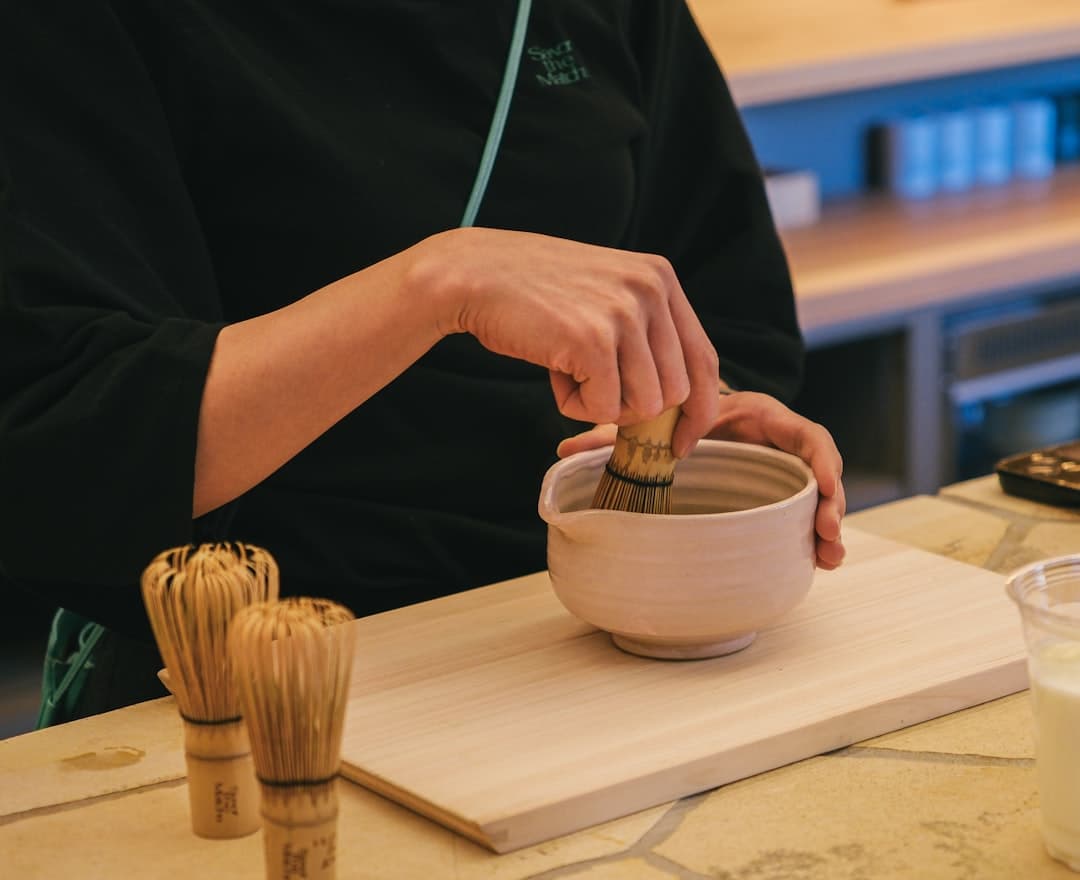
The core routine is specific: 1 teaspoon of ceremonial grade matcha powder in 1 cup of hot water, but not boiling.
That “not boiling” detail is easy to skip, but it is central to taste and drinkability. Boiling water can make tea taste harsher, which often leads people to add sugar or flavored creamers, and that shifts the health equation.
A simple whisking technique (paste first)
The method is two-step:
This paste-first approach reduces clumps and makes the drink smoother.
If you prefer a latte, the video suggests topping up with milk instead of water. That is a practical concession: the “best” routine is the one you will actually stick with.
Pro Tip: If matcha tastes bitter, treat it like a quality or preparation problem first. Use ceremonial grade, avoid boiling water, whisk into a paste, then dilute. Fixing bitterness often prevents the “I’ll just add sugar” spiral.
10 benefits explored: what’s plausible, what’s nuanced
The video lists 10 benefits. Some are strongly aligned with known green tea compounds, others are more speculative, and several depend on your baseline diet, stress level, and caffeine sensitivity.
1) Anti-aging and antioxidant density
The claim here is that matcha provides 3 to 5 times more catechins than regular green tea, positioning it as a concentrated antioxidant drink. Catechins such as epigallocatechin gallate (EGCG) are widely studied in green tea research, and matcha can be higher because you ingest the leaf.
What is the nuance? “Anti-aging genes” is an attention-grabbing phrase. A more grounded interpretation is that antioxidant and anti-inflammatory compounds may help reduce oxidative stress. NCCIH notes green tea contains compounds that may have health effects, while also emphasizing that evidence varies by outcome and dose (NCCIH green tea overviewTrusted Source).
2) Weight loss support through metabolism
This framing emphasizes a “metabolic switch” and fat burning pathways, plus a small caffeine bump in daily calorie burn.
Green tea extracts have been studied for modest effects on energy expenditure and fat oxidation, but results are inconsistent, and the effect size is usually not dramatic. The trade-off is important: matcha may support a weight-loss plan, but it is unlikely to override a high-calorie diet.
A practical takeaway is the video’s positioning: matcha as a supporter of a low carb or calorie-controlled plan, not the plan itself.
3) Morning energy without the crash
Coffee can feel sharp and fast. Some people also notice jitters, especially if they are stressed or sensitive to caffeine.
Matcha typically contains caffeine, but it also contains L-theanine, an amino acid that can influence attention and relaxation. Research suggests L-theanine can promote relaxation without drowsiness, and when combined with caffeine it may support attention in some contexts (NCCIH tea overviewTrusted Source).
The video’s “relaxed alertness” concept is essentially a trade-off: less punch than coffee, potentially smoother focus for some people.
4) Anxiety and mood support
The video highlights L-theanine as a calming compound and adds a gut-mood angle, suggesting polyphenols “feed friendly gut bacteria,” potentially influencing serotonin and mood.
This is plausible as a direction, but it is not guaranteed. Mood is multi-factorial, and gut microbiome effects are highly individualized. Still, the practical insight is useful: if coffee increases anxious feelings, matcha may be worth a cautious trial.
Important: If you have an anxiety disorder, panic symptoms, or are sensitive to caffeine, consider starting with a smaller amount than 1 teaspoon, and discuss caffeine intake with a clinician if symptoms flare.
5) Liver support and “detox” language
This section is where marketing often runs ahead of reality. The video emphasizes shade-growing, higher chlorophyll, and the idea that chlorophyll “binds toxins,” supporting liver enzymes.
The more conservative, health-literate framing is: your liver already detoxifies. Certain dietary patterns can support liver health, including limiting alcohol, managing weight, and controlling blood sugar. Green tea compounds have been studied in metabolic health contexts, but concentrated green tea extracts have also been linked to rare liver injury in supplement form, which is why caution is warranted with high-dose extracts (NCCIH green tea safetyTrusted Source).
In other words, matcha as a beverage is different from high-dose pills.
6) Pimples, blackheads, and skin care (topical and drink)
The video connects acne to androgen hormones and suggests concentrated catechins may help balance factors that contribute to clogged pores. It also offers a topical use: mix matcha with a few drops of water into a paste and apply to skin.
This is an interesting “kitchen dermatology” idea, but it is also an edge case. Skin can be sensitive, and plant powders can irritate or trigger dermatitis in some people. Patch testing on a small area first is a safer approach.
7) Immune support through the gut
A key claim is that 70 to 80 percent of the immune system lives in the gut, leading to the practical recommendation: support gut bacteria with polyphenols.
The broad idea that the gut plays a major role in immunity is well established, even if any single percentage estimate can vary by how it is defined. Polyphenols can interact with the microbiome, and diets rich in plant compounds are generally associated with better health outcomes.
Here, the video’s unique perspective is behavioral: if you get sick often, consider matcha as one daily habit that supports a gut-friendly pattern.
8) Cholesterol management and oxidized LDL
This benefit is framed around small, dense LDL and oxidation, which can contribute to atherosclerosis risk.
What the research shows: A review of green tea’s cardiometabolic effects suggests green tea intake can improve certain lipid markers in some people, although results vary by population and study design (green tea and cardiovascular risk factors, PubMedTrusted Source).
The nuance: matcha is not a replacement for medical care if you have high LDL, diabetes, or known cardiovascular disease. But as a low-sugar beverage swap, it can fit well into a heart-supportive routine.
9) Brain cells, focus, and memory (alpha waves and BDNF)
The video ties L-theanine to alpha brain waves, and catechins to BDNF (brain-derived neurotrophic factor), described as “miracle growth” for memory.
BDNF is a real and important neurotrophin involved in plasticity. The cautious interpretation is that lifestyle factors like exercise, sleep, and overall diet have stronger evidence for supporting brain health than any single drink, but tea compounds are being studied.
The speaker also mentions stacking matcha with a nootropic supplement. That is a personal routine, not a universal recommendation. Supplements can interact with medications and vary in quality.
10) Blood sugar management
The argument is that matcha can slow the breakdown of starchy foods into sugar and help protect pancreatic cells via antioxidants.
This is plausible as part of a broader strategy, but the video also gives a key practical lever: soluble fiber from leafy greens, vegetables, and fruit to buffer blood sugar spikes.
That is the trade-off worth highlighting. If matcha is added to a high-sugar lifestyle, benefits are likely blunted. If it replaces a sugary drink and is paired with fiber-rich meals, the overall pattern is more favorable.
Choosing matcha: ceremonial grade, origin, and contaminant testing
The most actionable part of the video may be the buying guidance. It treats matcha like olive oil: labels and sourcing matter.
A quick quality checklist (what to look for)
This is also where the “bitter matcha online” warning fits. Cheap blends can be unpleasant, and if you hate the taste, you will not use it consistently.
Resource callout: Want a one-page shopping checklist? Save this section as your “matcha label scan,” ceremonial grade, 100% matcha, origin, color, and contaminant testing.
How to use matcha without undermining the upsides
The video offers several uses, plus a couple of “don’ts” that are easy to miss.
Everyday uses (drink, smoothie, dessert, pudding)
The video’s “timing and pairing” rules
Drink it in the morning on an empty stomach for best effects, according to the video.
Then comes an unusual claim: never drink matcha with a high sugar meal, because insulin may block absorption of some catechins tied to brain benefits. Evidence on nutrient absorption timing is complex, but the practical behavior is sound: pairing matcha with high sugar can work against metabolic goals.
A more conservative strategy is to pair matcha with a balanced breakfast that includes protein and fiber, and keep added sugars low.
Expert Q&A
Q: Is 1 teaspoon of matcha per day too much caffeine?
A: It depends on the product and your sensitivity. Matcha contains caffeine, and amounts vary by brand and serving size. If you are pregnant, have heart rhythm concerns, or get anxiety or insomnia with caffeine, a clinician can help you set a safer limit.
Jordan Lee, RD, Registered Dietitian
Optional add-ons mentioned (turmeric and apple cider vinegar)
The video suggests adding 1/4 teaspoon turmeric to matcha if you want extra support for pain and inflammation. Turmeric can be a reasonable culinary addition, but it can also interact with certain medications in supplement-level doses, so food-level use is the safer lane.
It also suggests taking apple cider vinegar at night to help stomach absorption of matcha compounds the next day. This is a distinctive claim, but it is also an edge case. Vinegar can worsen reflux or irritate the esophagus in some people, especially if taken undiluted. If you try it, consider dilution and discuss with a clinician if you have GERD.
Expert Q&A
Q: Should I use matcha as a “detox” if I am worried about chemicals?
A: It is understandable to want extra protection, but the most reliable “detox” supports are habits that reduce exposure and support liver health overall, like limiting alcohol, eating fiber-rich foods, and maintaining a healthy weight. Matcha can be part of a healthy pattern, but it should not replace medical evaluation if you suspect toxin exposure.
Amina Patel, MD, Internal Medicine
Key Takeaways
Frequently Asked Questions
- What is the difference between ceremonial grade and culinary grade matcha?
- Ceremonial grade is typically made from younger, shade-grown leaves and is intended for drinking, with a smoother, less bitter taste. Culinary grade is commonly used for baking or mixing into recipes where other flavors dominate.
- Can matcha replace coffee for focus?
- It can for some people, especially those who feel jittery with coffee. Matcha contains caffeine plus L-theanine, a combination that may feel like calmer alertness, but responses vary by person and dose.
- How can I tell if matcha is high quality?
- Look for a bright green color, an umami aroma, and a label that says ceremonial grade with ingredients listed as 100% matcha. Prefer brands that provide third-party testing for heavy metals and pesticides.
- Is it okay to drink matcha on an empty stomach?
- Some people tolerate it well, and the video suggests morning use on an empty stomach. If you get nausea, reflux, or shakiness, try taking it with food and consider reducing the amount.
Get Evidence-Based Health Tips
Join readers getting weekly insights on health, nutrition, and wellness. No spam, ever.
No spam. Unsubscribe anytime.