Best and Worst Lunches for Energy and Focus
Summary
In the video, the expert walks through a familiar moment, standing at Whole Foods while traveling and trying to pick a lunch that will not sabotage the afternoon. The core idea is simple: lunch strongly shapes energy, focus, cravings, and the odds of reaching for sweets, alcohol, or extra caffeine later. From this perspective, refined-bread sandwiches and low-protein salads are common traps, especially for desk-job days. A more reliable approach is a higher-protein, adequately sized lunch, often built around meat or fish plus salty, fermented, or fatty sides (like olives, sauerkraut, or kimchi) for steadier satiety.
🎯 Key Takeaways
- ✓The video’s main lens is performance-based: lunch should support steady energy, focus, and fewer late-day cravings.
- ✓Refined-bread sandwiches are framed as a common cause of a 90 to 120 minute afternoon crash, especially for people who sit most of the day.
- ✓A low-calorie, low-protein salad may backfire by setting you up to overeat hyper-palatable foods at night.
- ✓A “better lunch” in this viewpoint is protein-forward and adequately sized, often meat or fish plus simple sides like olives and fermented foods.
- ✓If you do buy a sandwich, a practical compromise is to remove the bread or choose deli meat, then add protein-focused sides.
A travel-day lunch dilemma, and why it matters
Picture the scene the expert describes: you are on the road, you duck into Whole Foods before a business meeting, and you are staring at the prepared-food case trying to pick “something healthy.” It feels like a small decision.
Then 2:00 pm hits.
This video’s unique angle is not weight loss macros or meal prep perfection. It is the downstream effect of lunch on the rest of your day, including energy, focus, cravings, and whether you end up grabbing cookies, ice cream, or alcohol later. The framing is practical: lunch is a lever that can make the afternoon easier or harder.
A big part of the argument is that many people eating these quick lunches have desk jobs and sit most of the day. In that context, the video suggests that a carb-heavy lunch, especially refined bread, can be more likely to lead to an energy dip.
The circadian rhythm point the video emphasizes
The discussion also leans on circadian rhythm physiology. The idea presented is that midday digestion is “primed” and ready to handle a meaningful meal, with gastrointestinal motility, bile acids, stomach acid secretion, and appetite related hormones in a favorable pattern. The expert specifically mentions hormones like GLP-1, CCK, and PYY, and notes that leptin is low around lunchtime in this framework.
That leads to a counterintuitive takeaway for many people: lunch is not the meal to “barely eat.” In this perspective, an underpowered lunch can set you up to compensate later, often with ultra-refined, hyper-palatable foods.
Did you know? After you eat a high glycemic meal, blood sugar and insulin can rise and then fall, and that drop may be linked with increased hunger and cravings in some people. Reviews discuss how higher glycemic diets can affect appetite regulation and energy intake over time, although responses vary by person and meal composition (Harvard T.H. Chan, Glycemic IndexTrusted Source).
Why the video ranks sandwiches as a top “worst” lunch
The most common lunch the expert calls out is the sandwich, the quick grab from Subway, Jimmy John’s, a corner market, or a grocery store.
The core critique is ratio and refinement: you often get much more carbohydrate than protein, and the carbohydrate is frequently refined flour in bread.
The video also makes a specific distinction about bread quality. Many commercial breads are made with flour risen via baker’s yeast, and the argument is that this does not break down gluten the way a long-fermented sourdough can. In the expert’s framing, fully fermented sourdough may have a lower glycemic impact and improved mineral bioavailability compared with typical commercial bread, while most grab-and-go sandwiches are not using that style of fermentation.
The practical prediction is blunt: about 90 minutes to 2 hours after that sandwich, many people crash. Then you are hunting for an energy drink or another coffee, and your motivation for the gym can disappear.
Pro Tip: If a sandwich is the only option, consider buying it and removing the bread, then pair the fillings with a side that adds protein or fat (for example, extra meat, eggs, or olives) to make the meal more stabilizing.
What research can and cannot say about the “crash”
People use “food coma” and “carb crash” casually, but there is a real physiologic basis for why some lunches feel like a sedative. Meals higher in refined carbohydrates can raise post-meal glucose more sharply, and some individuals experience a stronger rise-and-fall pattern that affects perceived energy and hunger.
That said, not everyone crashes after bread. Sleep debt, stress, total calories, hydration, and meal timing matter too. If you are frequently wiped out after lunch, it can be worth discussing with a clinician, especially if you have symptoms like shakiness, sweating, or lightheadedness.
For a simple evidence-aligned upgrade, many public health guidelines still emphasize choosing whole grains over refined grains for better cardiometabolic outcomes (American Heart Association, Whole GrainsTrusted Source). That does not fully mirror the video’s sourdough-or-skip-it stance, but it supports the broader theme: bread quality and refinement level matter.
The salad misconception: “healthy” but not satisfying
Salads feel like the safe choice, especially at a grocery store.
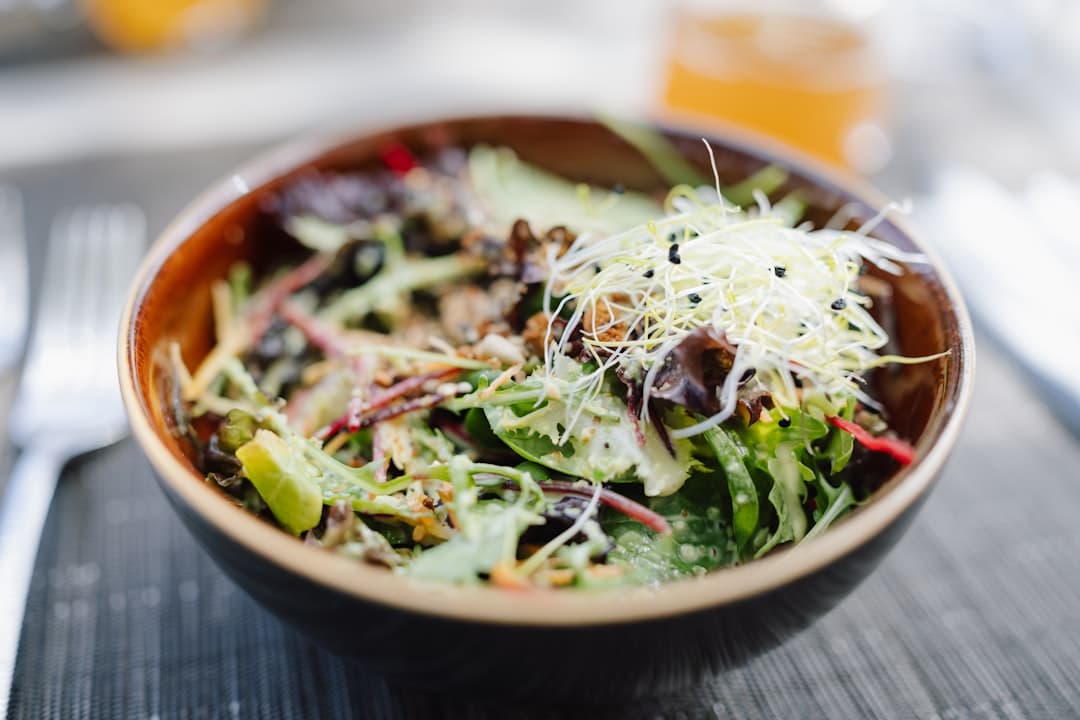
The video pushes back hard on that assumption, and it does it with numbers. The example salad shown is about 270 calories and only 7 grams of protein. From this viewpoint, that is not a lunch, it is a prelude to overeating later.
The argument is that lunch should be a “decent sized meal,” because your body is prepared to receive nutrition at that time and you need fuel for afternoon work and, ideally, exercise. If you only eat 270 calories at lunch, the expert predicts you are more likely to overconsume at dinner, often through the exact foods you were trying to avoid.
There is also a second theme that is very specific to this speaker: skepticism about greens unless the source is trusted. The expert mentions concerns about pesticides and farming inputs, and states a personal rule of not eating greens unless they are homegrown or from a farmer they trust.
This is a strong stance, and it is not the mainstream public health framing, but it is part of the video’s unique perspective: the “health halo” of salad can distract from protein adequacy and sourcing concerns.
Important: If you are limiting vegetables due to concerns about sprays or oxalates, consider discussing it with a registered dietitian or clinician, especially if you have a history of kidney stones, digestive conditions, or nutrient deficiencies. Individual needs vary, and overly restricting food groups can backfire.
What research says about salad, satiety, and protein
Protein is consistently associated with greater satiety compared with carbohydrate or fat when calories are matched, although the effect size depends on the person and the food matrix. Reviews describe how higher-protein eating patterns can support appetite control and help people feel fuller for longer (American Journal of Clinical Nutrition reviewTrusted Source).
That does not mean salads are “bad.” It means a salad that is mostly lettuce with a light dressing may not function as a complete lunch for many people. In the spirit of the video, the fix is not necessarily to abandon salads forever, but to stop treating a low-protein salad as a meal that will carry you through a demanding afternoon.
A protein-first lunch for steady energy (what to choose instead)
The best part of the video is how concrete it gets once the “worst” options are on the table.
Instead of a generic “eat balanced meals” message, the expert gives a travel-proof template: prioritize protein, add satisfying sides, and avoid the refined-bread vehicle that turns lunch into a glucose roller coaster.
A realistic backup at Whole Foods or a grocery store: chicken
The speaker is not “a huge fan of chicken,” but still calls it a good pinch option. The example shown is about 25 grams of protein and roughly 250 calories.
The point is not that chicken is magic. It is that it provides a meaningful protein dose without the bread that the expert associates with the afternoon crash.
The expert’s personal go-to lunch: ground beef plus olives and ferments
This is where the video’s personality shows.
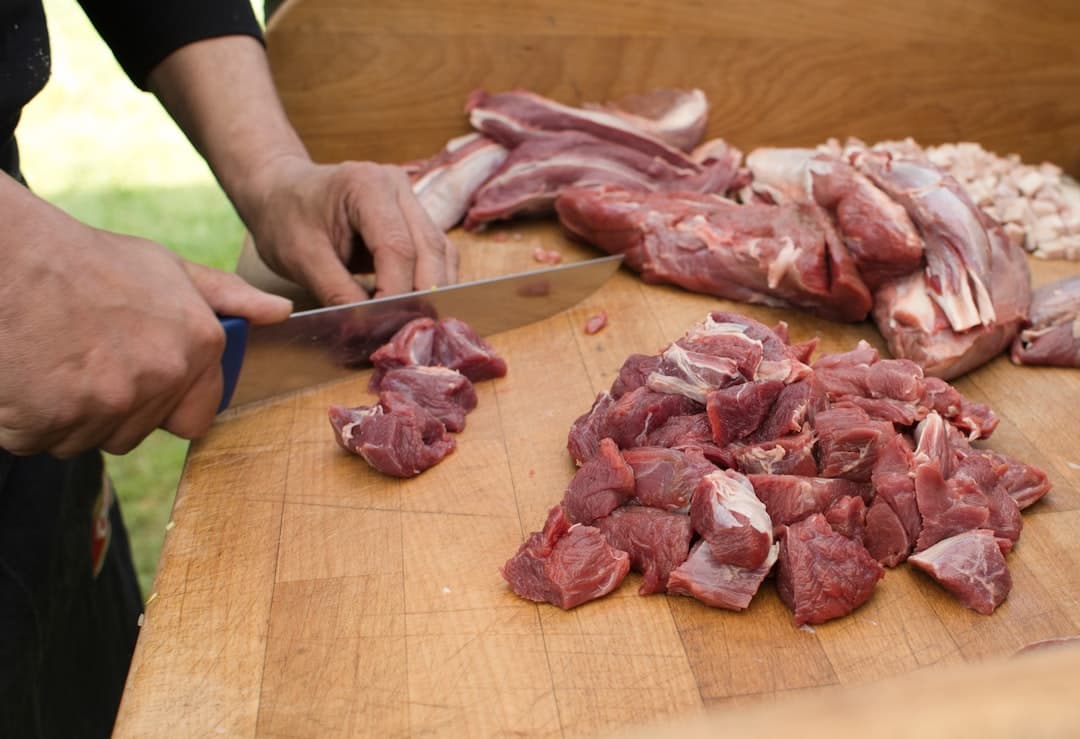
When traveling, the expert often eats between a half and one pound of grass-fed ground beef mixed with half a container of olives, plus sauerkraut or kimchi, sometimes a touch of Greek yogurt or mayonnaise, and sea salt. The stated outcome is sustained energy and focus, without needing a Monster energy drink or a sugary coffee in the afternoon.
Whether you choose beef or not, this “formula” is the heart of the video: a protein-forward base, plus salty and fermented sides, and enough total calories to prevent later compensation.
What the research shows: Fermented foods can influence the gut microbiome, and some research suggests fermented food intake may increase microbial diversity and affect inflammatory markers, although this area is still evolving and individual responses vary (Stanford Medicine study summaryTrusted Source).
Other “top tier” options mentioned
The discussion also lists other preferred choices, including red meat, wild-caught Atlantic salmon, olives, fermented foods, and small amounts of carbohydrate sources described as better prepared or higher quality, such as sprouted and soaked rice. A little honey is also mentioned as a possible addition.
If you have kidney disease, gout, high LDL cholesterol, a history of heart disease, or you are pregnant, it is wise to talk with a clinician before making major shifts toward very high meat intake or large increases in protein.
How to build a lunch that lasts (without being complicated)
The video’s ranking, from “most unhealthy to most healthy,” is straightforward: sandwich, wrap, burger (especially with the bun), then salad (better than bread but too low protein), then chicken as a backup, and finally a protein-forward plate built around red meat or fish with olives and fermented sides.
You do not have to copy the exact ground beef bowl to use the concept.
A quick, video-aligned lunch checklist (Pattern A)
A simple way to apply this perspective is to make lunch decisions using three questions.
A helpful mental shift is to judge lunch by your 4:00 pm mood and focus, not by how virtuous it looked at noon.
How to order at a deli or market when you are stuck (Pattern E)
If you are traveling and the sandwich counter is the only option, here is a step-by-step strategy that matches the video’s practical vibe.
Start with the filling, not the bread. Ask for extra meat, or buy deli meat as a side. The expert even mentions doing this at stores like Sprouts while on the road.
De-emphasize refined carbs. Remove the bun or bread, or choose a lettuce wrap if you tolerate it. If you do eat carbs, consider smaller portions and prioritize less refined options when available.
Add satisfying sides that support steadier energy. Olives, full-fat yogurt, fermented vegetables like sauerkraut or kimchi, and even a simple salted protein pack can make lunch feel complete.
This is not about perfection. It is about preventing the predictable afternoon crash and the evening snack spiral.
»MORE: Want a one-page “Whole Foods lunch decision guide”? Create your own note with three default orders: a protein box, a bunless sandwich plus olives, and a salmon plus fermented side. Having defaults reduces decision fatigue when you are hungry.
Expert Q&A: Putting the video’s ideas into real life
Q: I eat a salad for lunch to lose weight, but I end up snacking all night. Is the salad the problem?
A: It might be, especially if your salad is low in protein and total calories. Many people do better with a lunch that includes a clear protein source and enough energy to prevent intense evening hunger.
If weight change is your goal, the strategy is often to build a salad that is more meal-like, for example adding chicken, fish, beans, eggs, or tofu, and including a satisfying fat source. If you have diabetes, unexplained fatigue, or symptoms of low blood sugar, talk with your clinician.
Jordan Patel, MD, Family Medicine
Q: Are sandwiches always bad for energy and focus?
A: Not always. The effect depends on the person, the bread type, the portion size, and what else is in the meal. A sandwich on refined white bread with little protein may be more likely to cause a post-meal energy dip than a sandwich built on whole grains with plenty of protein and fiber.
If you notice a consistent crash 1 to 2 hours after lunch, experiment with increasing protein and reducing refined carbs for a week, and track how you feel. If fatigue is severe or new, consider a medical evaluation.
Elena Ruiz, MD, Internal Medicine
Key Takeaways
Frequently Asked Questions
- If I only have time for a quick lunch, what is the simplest upgrade?
- Anchor the meal with protein first, then reduce or remove refined bread if it tends to make you crash. Add a satisfying side like olives, yogurt, or a fermented vegetable so lunch is filling enough to prevent late-day cravings.
- Is it okay to eat a salad for lunch?
- Yes, but many people feel better if the salad includes a substantial protein source and enough calories to last through the afternoon. If your salad is mostly greens and dressing, you may notice more hunger and snacking later.
- What if I feel tired after every lunch no matter what I eat?
- Persistent post-meal fatigue can have many causes, including sleep issues, stress, meal size, and medical conditions. If it is frequent, severe, or comes with symptoms like dizziness or shakiness, consider discussing it with a clinician.
- Do fermented foods like kimchi or sauerkraut matter at lunch?
- They can be a practical way to add flavor and variety, and emerging research suggests fermented foods may influence the gut microbiome. They are optional, but some people find they make a protein-based lunch more satisfying.
Get Evidence-Based Health Tips
Join readers getting weekly insights on health, nutrition, and wellness. No spam, ever.
No spam. Unsubscribe anytime.