What Really Happens in Knee Replacement Surgery
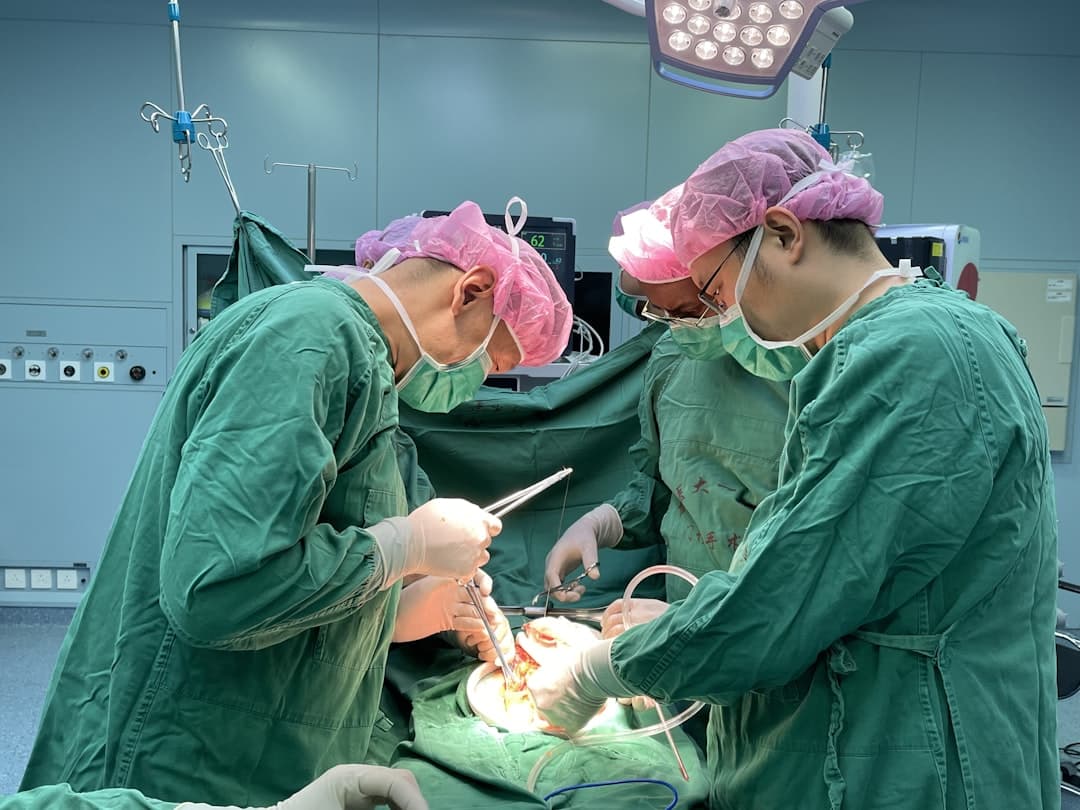
Summary
Knee replacement can feel like a black box, you go to sleep, wake up with a new joint, and wonder what happened in between. This article follows the video’s step-by-step “prep, approach, bone preparation, implantation, closure” framework to explain what surgeons are actually doing and why it matters for infection prevention, alignment, stability, and recovery. You will learn what gets removed (like the ACL and meniscus), how bone cuts are planned (not “wiggling willy-nilly”), what “trial components” are, and how the final implants are fixed in place. Use it to ask clearer questions before surgery.
🎯 Key Takeaways
- ✓The video’s core framework is simple: **prep, approach, bone preparation, implantation, closure**, and each step has a specific purpose.
- ✓A total knee replacement is typically **metal femur + plastic liner + metal tibia**, and the most adjustable part during surgery is often the **plastic insert thickness**.
- ✓Surgeons usually remove the **ACL** and both **menisci** during a total knee replacement, then shape bone precisely to match the implant underside.
- ✓Implant sizing is checked with **trial components** first, aiming for a knee that is not too tight and not too loose, so it can straighten and bend appropriately.
- ✓There can be meaningful variation in approach, alignment philosophy, and fixation (cemented vs uncemented), but the basic mechanical idea has stayed similar for decades.
- ✓The practical message is empowerment: as the speaker puts it, “**Remember, you are in charge of your own house**,” meaning you can ask for clear explanations and shared decisions.
Knee replacement is not one big action.
It is a sequence of smaller, deliberate actions that build on each other.
That is the puzzle this video tries to solve: when someone asks, “What are you actually doing back there?”, the answer is not secret techniques. It is a step-by-step process with a clear logic.
The speaker’s framework is memorable because it is simple enough for patients, but structured enough for trainees: prep, approach, bone preparation, implantation, closure.
And one theme runs through the whole walkthrough: nothing is random. The bone cuts are not “wiggling willy-nilly.” The sizing is not a guess. Even the final skin closure has multiple valid options.
Important: This article explains what typically happens in a standard total knee arthroplasty (TKA, first mention of arthroplasty). Your plan can differ based on anatomy, arthritis pattern, prior scars, or surgeon preference. If you are preparing for surgery, ask your clinician how your specific case may vary.
The big takeaway: knee replacement is a sequence, not a mystery
A lot of people either do not want details, or they want every detail.
This perspective makes room for both.
If you are the “tell me everything” type, the key insight is that surgeons are not improvising. They are following a repeatable sequence that aims to (1) lower infection risk, (2) access the joint safely, (3) precisely reshape bone surfaces, (4) test stability and motion with trials, (5) fix the final implants, and (6) close the layers securely.
It also highlights the reality that knee replacement is a team event. The video briefly nods to the many people involved, assistants, nurses, staff who clean the room, people who manage instruments and implants. That matters because good outcomes depend on systems, not just a single pair of hands.
One more point is quietly empowering. The speaker closes with: “Remember, you are in charge of your own house.” In practical terms, you can ask what the plan is, why a certain approach is used, and what tradeoffs exist.
The “three-material” idea that explains most of TKA
A standard total knee replacement is often described in plain terms as:
This “metal, plastic, metal” concept is widely consistent with major medical references describing TKA components and goals, including the American Academy of Orthopaedic SurgeonsTrusted Source.
Step 1, Prep: reducing infection risk before the first cut
Before the incision, the limb is prepped and draped.
That sounds routine, but the video treats it as a major safety step.
Prep means using an antiseptic on the skin to reduce bacteria. The reasoning is blunt and practical: bacteria are everywhere, including on healthy skin, and the goal is to reduce the chance they get carried into deeper tissue. Surgical site infection is one of the most serious complications of joint replacement, so this “boring” step matters.
Draping then isolates the operative area with sterile barriers. The visual idea is that the surgical team is not looking at the whole body. They are looking at a carefully isolated window, the knee and nearby leg, to maintain sterility.
A patient-friendly way to think about it is this: the prep and drape are the boundary between everyday skin bacteria and a deep implant that must stay clean for years.
Did you know? Joint replacements are among the operations where infection prevention is treated as a top priority because bacteria can attach to implant surfaces and become hard to eradicate. Major orthopedics organizations emphasize careful sterile technique and perioperative infection prevention as part of standard care, see AAOS TKA overviewTrusted Source.
Step 2, Approach: how surgeons get into the knee
The approach is about access.
It is not primarily about cosmetics.
In the video, the typical skin cut is described as an anterior midline incision, meaning it is on the front and down the center. If a person has an existing scar, a surgeon may incorporate it when safe. But the speaker makes a direct point that can prevent disappointment later: sometimes a second scar is chosen because the priority is safe exposure and doing the operation correctly.
Then the dissection continues through skin and fat to reach the structures around the kneecap, including the quadriceps tendon, patella (kneecap), and patellar tendon.
Arthrotomy and “flipping the kneecap”
To enter the joint, the video describes an arthrotomy (first mention of arthrotomy), commonly a medial parapatellar arthrotomy.
In plain language, that means the surgeon opens the capsule and tissues alongside the kneecap and patellar tendon so the kneecap can be moved aside.
Then comes one of the most vivid mental images in the entire walkthrough: the kneecap is “flipped” or everted so its joint surface faces upward, and it is moved out of the way. That creates a direct view of the end of the femur and the top of the tibia, where most of the reconstruction happens.
This is the moment many curious patients are imagining when they ask, “What are you doing back there?” The answer, at least in this standard approach, is that the surgeon is creating a controlled opening that exposes the joint surfaces for precise bone work.
Pro Tip: If you have an old knee scar, ask before surgery, “Will you use my existing incision, and if not, why?” The reason is often safe exposure and protecting skin blood supply, not aesthetics.
Step 3, Bone preparation: what gets removed and why the cuts are so exact
You cannot simply attach implants to the knee “as is.”
That is one of the video’s central claims.
The arthritic knee has damaged cartilage surfaces, altered bone shape, and often torn soft-tissue structures. Bone preparation is the phase where the surgeon removes what cannot be preserved and reshapes the bone to accept the new components.
What commonly gets removed
The walkthrough highlights several structures typically removed in a total knee replacement:
This is a key “aha” for many patients. A knee replacement is not just resurfacing bone. It is also a controlled removal of structures that no longer function normally in an arthritic joint.
The bone cuts: planned angles, not guesswork
Then come the cuts.
This is the part that tends to sound dramatic, but the speaker’s unique perspective is to make it sound methodical.
The femur typically receives multiple cuts, described as roughly one to five cuts, sometimes plus a “box cut” depending on the implant system. The tibia is often described as one main cut, creating a flat platform.
The important point is not the exact number for every case. It is the intention. The cut angles and positions are determined to match the underside geometry of the implant and to create appropriate alignment and balance.
The video also mentions how surgeons decide where to cut:
This is where the investigative framing matters: people often imagine surgeons “eyeballing” the bone. The video pushes back. The process is measured and planned.
What the research shows: Major professional resources describe TKA as removing damaged bone and cartilage and positioning components to restore function and alignment, see AAOS patient informationTrusted Source.
Step 4, Implantation: trials, sizing, plastic thickness, and fixation
After the cuts, the knee is ready for a test run.
Not the final parts yet.
The video emphasizes trial components, which are temporary versions of the implants used to check sizing and function before committing to the real implants.
This is a practical safety check. It is also where a lot of the “craft” of knee replacement happens: balancing tightness, stability, and motion.
The “Goldilocks” check: not too tight, not too loose
In the speaker’s explanation, the adjustable variable that often matters most is the thickness of the plastic insert.
The goal is a knee that:
The “Goldilocks” analogy is patient-friendly because it captures the idea that small changes in thickness can change how the knee feels and moves.
“Did you pick my size before I got there?” templating and inventory
A memorable exchange in the video is the question: did the surgeon pick the implant size before the patient arrived?
The answer is nuanced.
Many surgeons do preoperative templating, meaning they estimate sizing from imaging to get a ballpark plan. But the operating room also has access to many sizes, and final decisions are confirmed with trials during surgery.
This matters for expectation-setting. A pre-op plan guides preparation, but the final sizing is confirmed in real time.
Cemented vs uncemented fixation
Once the final sizes are chosen, the implants are fixed to bone.
The video notes they can be cemented or uncemented.
In broad terms, cemented fixation uses bone cement to secure the components immediately, while uncemented designs rely on bone growth into the implant surface over time. Which is best for a given person depends on factors like bone quality, implant design, surgeon experience, and patient characteristics. If you are curious, it is reasonable to ask your surgeon which fixation they plan and why.
For a high-quality overview of what TKA involves and the general goals, see the AAOS Total Knee Replacement guideTrusted Source.
Q: Is a knee replacement just “metal parts,” or is there more to it?
A: The hardware is only part of the story. In the video’s step-by-step framing, the outcome depends on careful prep to reduce infection risk, a safe approach to expose the joint, precise bone cuts that match the implant, and trialing different sizes and plastic thicknesses to balance motion and stability.
The final implant is commonly described as metal on the femur, plastic in the middle, and metal on the tibia, but how those parts are aligned and balanced is what makes the knee feel functional.
Step, clinician and educator in orthopedic surgery
Step 5, Closure: putting the layers back together (in reverse)
Closure is not an afterthought.
It is the last major technical step.
The video describes closure as essentially the approach “in the mirror.” In other words, you close the deeper layers first, then work outward.
A typical sequence described includes:
Then the wound is covered with a dressing.
One detail that can matter emotionally: the meniscus does not get put back. The video calls this out directly. That is part of the design of a total knee replacement, the meniscus function is replaced by the new bearing surfaces and insert.
Resource callout: Want a printable question list for your pre-op visit? Create your own “knee replacement interview” with the sections in this article: prep, approach, bone cuts, trials, fixation, closure. Bring it to your appointment and write answers in the margins.
How this connects to overall wellbeing: function, confidence, and the questions to ask
A knee replacement is a mechanical operation.
But its impact is not just mechanical.
Pain, limited walking, poor sleep, and loss of confidence can ripple into the rest of life. The video’s practical walkthrough supports a different kind of wellbeing benefit: reduced uncertainty. When you understand the sequence, the operating room feels less like a mystery and more like a plan.
It also helps you interpret “variation” more calmly. The speaker notes that many implant systems look similar, and the basic principle has not changed much: metal on plastic on metal. Yet surgeons can vary in approach, the timing of meniscus removal, whether the PCL is retained, and how alignment is targeted.
That combination can be confusing. The investigative lens here is: variation does not automatically mean one person is wrong. It often means there are multiple workable paths to the same goal.
Questions that match the video’s step-by-step logic
Bring curiosity, not confrontation.
Here are focused questions that follow the exact sequence in the video:
Q: Should I worry if my surgeon says they do it differently than another surgeon?
A: Not necessarily. The video highlights that many differences are variations on the same core steps, and many implant systems share the same basic structure. The more useful question is whether your surgeon can explain their rationale in plain language and how they tailor decisions to your anatomy and goals.
If you feel unsure, consider asking about their typical outcomes, complication prevention strategies, and what recovery milestones they expect for you.
Step, clinician and educator in orthopedic surgery
A final, motivating point comes straight from the video’s closing line: “Remember, you are in charge of your own house.” That can mean asking for clarification, bringing a family member to appointments, or requesting written instructions so you can follow wound care and rehab plans confidently.
Key Takeaways
Frequently Asked Questions
- What are surgeons actually doing during a total knee replacement?
- They typically follow a sequence: prep and drape the leg to reduce infection risk, make an incision and open the joint, remove damaged structures and make precise bone cuts, test sizing with trial parts, implant the final components, then close the layers and apply a dressing.
- Do surgeons remove the ACL and meniscus during knee replacement?
- In the video’s walkthrough, the ACL is removed and both menisci are removed as part of preparing the knee for the new bearing surfaces. Whether the PCL is removed can vary by implant design and surgeon preference.
- What are “trial components” in knee replacement surgery?
- Trial components are temporary implant pieces used after bone cuts to test different sizes and plastic insert thicknesses. They help the team confirm the knee is not too tight or too loose and can straighten and bend appropriately before placing the final implants.
- Is a knee replacement always cemented?
- No. The video notes implants can be cemented or uncemented. Which approach is used depends on individual factors like bone quality and implant design, so it is reasonable to ask your surgeon what they plan for you.
- Why might I end up with a new scar instead of using an old one?
- The speaker emphasizes that surgeons may choose a different incision to get safe, proper access to the knee and perform the operation correctly. Cosmetic considerations matter, but exposure and tissue safety often come first.
Get Evidence-Based Health Tips
Join readers getting weekly insights on health, nutrition, and wellness. No spam, ever.
No spam. Unsubscribe anytime.