Bone Health
Bone Health focuses on maintaining and improving the integrity and function of bones through various stages of life. This niche covers topics such as osteoporosis prevention, bone density testing, calcium and vitamin D supplementation, and the impact of nutrition and exercise on bone strength. It also addresses conditions like fractures and bone loss, and explores treatments ranging from medication to lifestyle interventions.
Explore Topics
In-depth topics to explore in Bone Health.
Osteoporosis: Complete Guide
Osteoporosis is a common condition where bones become weak and brittle, raising the risk of fractures from falls or even minor impacts. This guide explains how osteoporosis develops, how it is diagnosed, what actually reduces fracture risk, and how to build a practical plan using exercise, nutrition, and (when appropriate) medication.
Bone: Complete Guide
Bone is living tissue that constantly renews itself, supports movement, protects organs, and helps regulate minerals and blood cell production. This guide explains how bone works, what strengthens or weakens it, how to measure bone health, and the most practical, evidence-based steps to protect bone density and reduce fracture risk across the lifespan.
Joints: Complete Guide
Joints are where bones meet, and they are central to movement, strength, and everyday comfort. This guide explains how joints work, what keeps them healthy, why they hurt, and what practical steps and evidence-based options can protect mobility for the long run.
Bones: Complete Guide
Bones are living tissues that constantly remodel to keep you supported, mobile, and protected. This guide explains how bones work, why bone health declines with age for many people, and the most practical, evidence-based ways to build and preserve strong bones through nutrition, training, and lifestyle.
Calcium: Complete Guide
Calcium is best known for building strong bones, but it also helps your heart beat, your muscles contract, your nerves signal, and your blood clot. This guide explains how calcium works, how much you need, the best food sources, when supplements help, and the real-world risks and trade-offs.
Bone Density: Complete Guide
Bone density is a key marker of bone strength and fracture risk, but it is not the whole story. This guide explains how bone density changes across life, how it is measured, what actually improves it, and how to combine training, nutrition, and medical options to protect your bones long-term.
Joint: Complete Guide
Joints are where bones meet, built to balance stability with smooth, pain free movement. This guide explains how joints work, what keeps them healthy, why they hurt, and how to protect them with evidence informed training, nutrition, and lifestyle strategies.
Impact: Complete Guide
Impact is the mechanical stress your bones and connective tissues experience when you land, hop, or jump. Done progressively, impact can be one of the most efficient signals for improving bone density, tendon stiffness, balance, and real-world resilience. This guide explains how impact works, who should use it, how to dose it safely, and what research suggests about benefits and risks.
Fracture: Complete Guide
A fracture is a break in a bone caused by injury or stress, ranging from minor hairline cracks to complex breaks involving joints and soft tissue. This guide explains how fractures happen, how bones heal, what to do first, how treatment and rehab work, and how to reduce your future fracture risk with evidence-based prevention strategies.
All Articles
Vitamin D vs K2 for bone health: which is better?
Vitamin D and vitamin K2 help bone health in different, potentially complementary ways, vitamin D supports calcium absorption, while K2 helps direct calcium into bone. “Better” depends on your diet, sun exposure, medications, and fracture risk, so it is often a choice to individualize with a clinician.
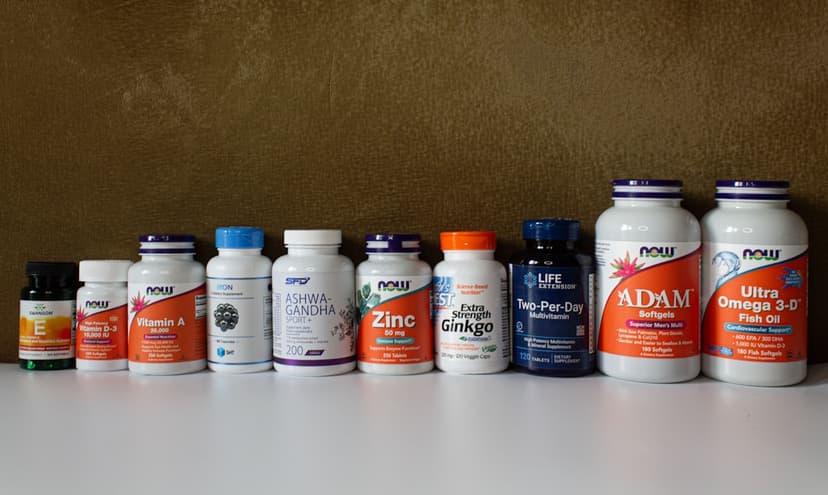
Is It Safe to Take Calcium With Blood Thinners?
Calcium is often safe to take with many blood thinners, but the safest approach depends on which anticoagulant you use and how you time your doses. Some combinations can reduce medication absorption or complicate bleeding and clotting management, so check with your prescriber or pharmacist before starting calcium.
DEXA, VO2 Max, Grip: Biomarkers That Matter Most
Most people get biomarkers wrong by chasing the most tests instead of the most useful ones. In this video critique, Bryan Johnson reacts to “Browney” measuring nearly everything, from 3D scans and mole mapping to DEXA, grip strength, lactate thresholds, and VO2 max. The unique takeaway is not “test everything,” it’s “prioritize low cost, high information markers,” especially **DEXA** for **bone mineral density**, plus performance metrics like **grip strength** and **VO2 max**. The critique also flags a big misconception, pushing max-effort strength tests without a warm-up can be an avoidable injury risk that can later show up as asymmetry on scans.
Rapid Bone Loss in Perimenopause: What Drives It
Bone loss is not just an “older age” problem. The video’s central point is that when estrogen becomes variable and then declines in perimenopause, women can lose an estimated 15% to 20% of bone density, and the pace can double or triple compared to earlier adulthood. The discussion ties this to inflammation, an imbalance between bone-resorbing osteoclasts and bone-building osteoblasts, and even early changes in muscle power through myosin-actin function. The practical throughline is prevention: build the highest peak bone mass possible, train with heavy resistance plus multidirectional impact (jumping), and consider earlier bone density testing than standard guidelines suggest, especially with long periods of low estrogen.
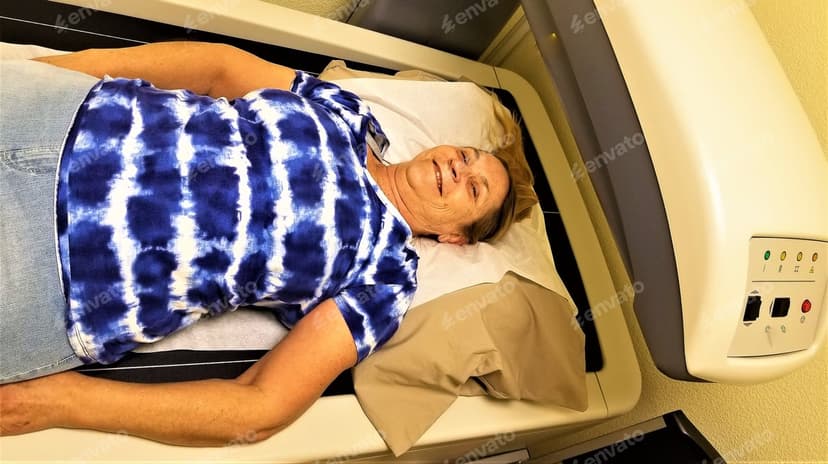
Bone Density, DEXA, and Protein Myths, Blueprint View
Bones are not “set and forget.” In this podcast discussion, the core message is measurement-first: use objective biomarkers like DEXA, then build habits that actually change the readout. The conversation frames bone mineral density as both fracture protection and a proxy for whole-body health, influenced by load-bearing exercise, sleep quality, inflammation, and targeted nutrition. It also touches on “dad bod” science in mice, suggesting visceral fat may increase via new fat cell formation in midlife males, and highlights a plant-forward polyphenol angle as one potential lever.

Rotator Cuff Basics: Names, Tears, and Next Steps
Shoulder pain can quietly shrink your world, making sleep, workouts, and even reaching into a cupboard feel risky. In this milestone-style Talking With Docs video, the tone is light and community focused, but a clear teaching moment stands out: the four rotator cuff muscles and a simple way to remember them. The discussion highlights that the supraspinatus is commonly torn, then walks through the rest of the group, infraspinatus, teres minor, and subscapularis. This article builds on that quick lesson with practical, non-prescriptive guidance on symptoms, safe self-check ideas, and when to seek care, backed by a small amount of trusted research.
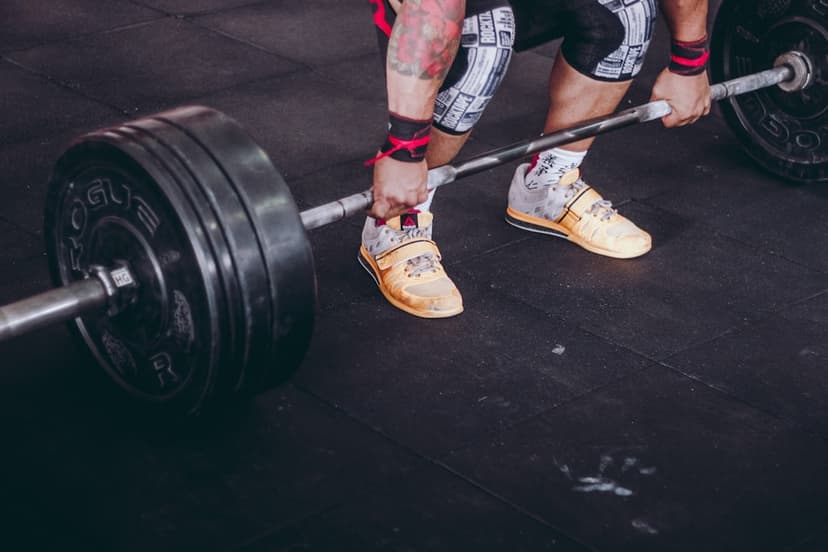
Maintain Great Bone Health With 4 Daily Anchors
Weak bones rarely stay a “bone-only” problem. The video frames bone health as a foundation that can trigger a chain reaction: a fracture can limit exercise, then muscle loss and declining ability can follow. The expert’s no-nonsense solution is built around four anchors you can revisit daily: a highly nutritious diet, load-bearing and high-impact exercise (including plyometrics and resistance training), long-term stress reduction to avoid chronically high cortisol, and prioritizing sleep because remodeling happens overnight. The goal is simple: invest early so you can keep moving well for life.
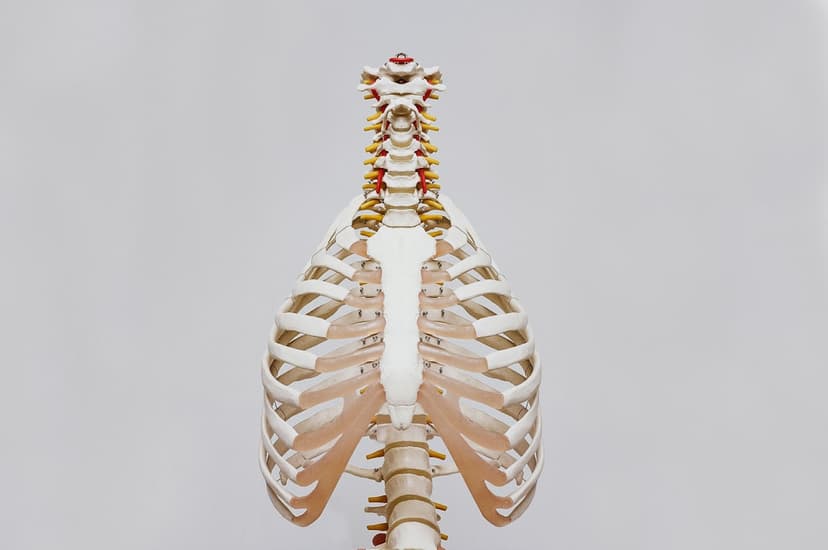
REMS vs DEXA: Doctors Explain Bone Density Testing
Many people assume a newer bone density test must be better than the old one. This video-driven deep dive explains why that is not automatically true for REMS (radiofrequency echographic multispectrometry). REMS uses ultrasound signals plus algorithm-based pattern analysis to estimate bone density, producing T-scores and Z-scores like a DEXA scan. The big advantages are no radiation, portability, and potential for more frequent monitoring. The key limitation is that REMS is calibrated against DEXA, so it cannot be more accurate than the standard it is trained on. Practical takeaways help you discuss options with your clinician.

What Really Happens in Knee Replacement Surgery
Knee replacement can feel like a black box, you go to sleep, wake up with a new joint, and wonder what happened in between. This article follows the video’s step-by-step “prep, approach, bone preparation, implantation, closure” framework to explain what surgeons are actually doing and why it matters for infection prevention, alignment, stability, and recovery. You will learn what gets removed (like the ACL and meniscus), how bone cuts are planned (not “wiggling willy-nilly”), what “trial components” are, and how the final implants are fixed in place. Use it to ask clearer questions before surgery.
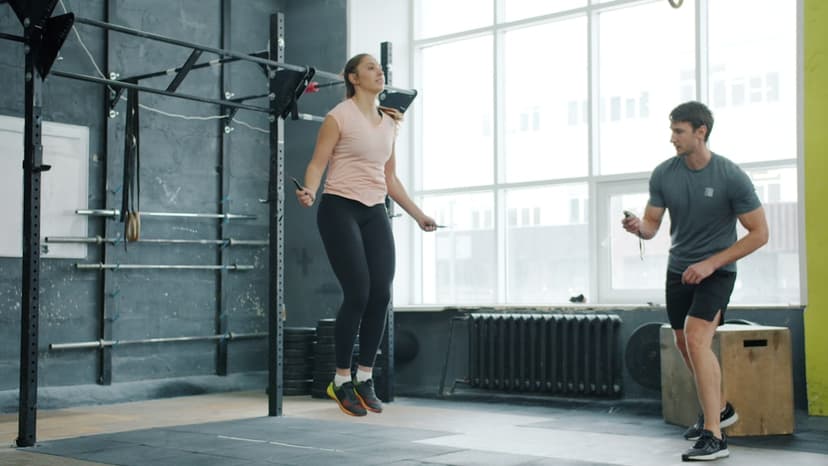
Jump Training for Osteopenia: A 12-Week Plan
A striking takeaway from Dr. Stacy Sims is that short, targeted impact can be enough to meaningfully challenge bone. She highlights research from a bone scientist colleague suggesting **10 minutes of jumping, three times per week** (jump rope or jumping in place) may move some osteopenic women into a normal bone density range over **12 weeks**. The unique twist is technique: landing with a **stiffer leg** rather than deeply bending the knees, so the skeleton, not just the muscles, absorbs the impact signal. This same jump block can also double as high-intensity work that supports **blood sugar and insulin** goals.

FRAX vs DEXA: A Practical Guide to Fracture Risk
FRAX is a free questionnaire that estimates your 10-year risk of hip fracture and major osteoporotic fracture using age, sex, BMI, prior fractures, family history, smoking, alcohol, certain conditions, and sometimes bone density. The video’s core message is practical: bone density matters, but it is not the whole story. FRAX can help you see how multiple everyday factors stack together, and it can guide whether you should simply maintain habits, monitor risk, or talk with a clinician about further evaluation and options.