Can You Absorb 100g Protein in One Meal?

Summary
The video tackles a common gym myth, that your body can only absorb 30 to 40 grams of protein per meal. The expert calls this false and points to newer research suggesting that even a 100-gram protein meal can still increase muscle protein synthesis. The practical takeaway is reassuring, if you end the day short on protein, it can be better to eat a larger protein serving rather than skip it. This perspective emphasizes that your total daily protein intake matters most, while meal size and timing are secondary details.
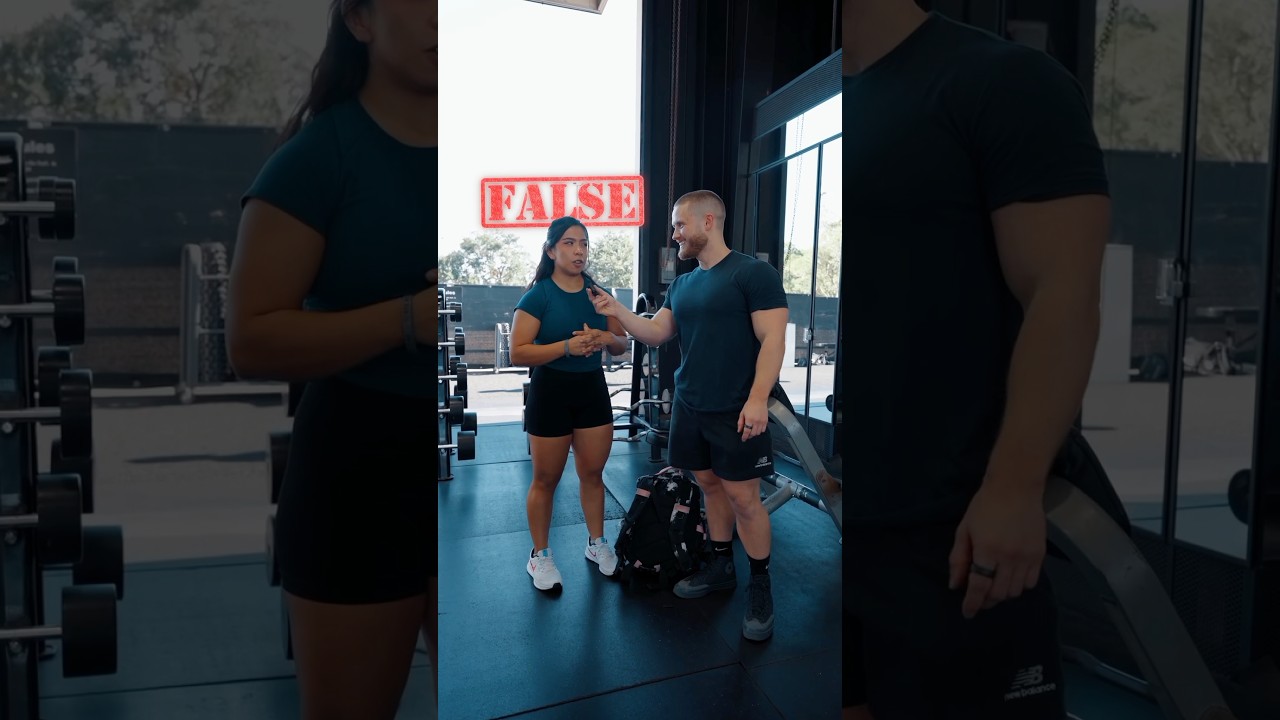
A surprising claim from the video: even 100 g of protein in one meal can still increase muscle protein synthesis.
That directly challenges the popular “you can only absorb 30 to 40 g per meal” trivia answer that many gym goers repeat.
The 40g protein “limit” is the wrong question
The video’s core point is simple, the 40 g cap is false. The discussion highlights that people often confuse a rule of thumb with a hard biological ceiling.
What’s interesting about this framing is that it shifts your focus away from micromanaging meal math. Instead of worrying that anything above 40 g is “wasted,” the key insight is that your body can handle larger doses, and the bigger lever is how much protein you get across the day.
What the research shows: A controlled study found that a very large protein dose (100 g of milk protein) after exercise increased muscle protein synthesis compared with a smaller dose. Read: Macnaughton et al., 2016Trusted Source.
Absorb vs use, what your body actually does with protein
“Absorb” and “build muscle” are not the same thing.
In plain language, absorption means amino acids from dietary protein make it through digestion and into circulation. Your body is generally very capable at this, although the speed can vary based on the protein source, meal size, and what you eat it with. “Use” is what your body does next, including repairing tissue, making enzymes and hormones, supporting immune function, and yes, building muscle.
Option A vs Option B: a helpful comparison
End-of-day protein catch-up, a practical playbook
If you look at dinner and realize you are “behind,” the video’s message is reassuring, get it in.
How to do that without turning dinner into a chore:
Pro Tip: If a 100 g protein meal sounds intimidating, split the difference. A regular dinner plus a pre-bed snack can still move you toward your daily target.
Nuances and edge cases, when big protein meals may not feel great
Just because you can absorb a lot of protein at once does not mean everyone feels good doing it.
When to be more cautious
Q: If I eat more than 40 g of protein, is the rest wasted?
A: Not necessarily. The video’s perspective is that your body can absorb large amounts, and research shows muscle protein synthesis can still rise with higher doses in some contexts.
Extra amino acids may also be used for other body functions, or oxidized for energy, so the “wasted” idea is often oversimplified.
Health educator, MS
Important: If you have diabetes, kidney disease, a history of eating disorders, or unexplained weight loss, talk with a clinician before making major diet changes.
Key Takeaways
Frequently Asked Questions
- Can your body absorb more than 40 grams of protein in one meal?
- Yes, the video’s main point is that the 40 g limit is a myth. Research in controlled settings has shown muscle protein synthesis can still increase with much larger doses, including 100 g in one meal.
- If I miss my protein goal earlier, should I eat a big protein dinner?
- The video suggests it can be better to “get it in” rather than leave protein uneaten. Practically, choose a protein source you tolerate well, and consider splitting it into dinner plus a snack if a huge meal feels uncomfortable.
- Is spreading protein evenly across meals still useful?
- It can be, especially for people who prefer smaller meals, have digestive issues, or are older and aiming to stimulate muscle protein synthesis more consistently. Many athletes use a mix, a solid daily total plus reasonably spaced servings.
Get Evidence-Based Health Tips
Join readers getting weekly insights on health, nutrition, and wellness. No spam, ever.
No spam. Unsubscribe anytime.