Creatine for Kids and Adults Over 65, A Practical Guide

Summary
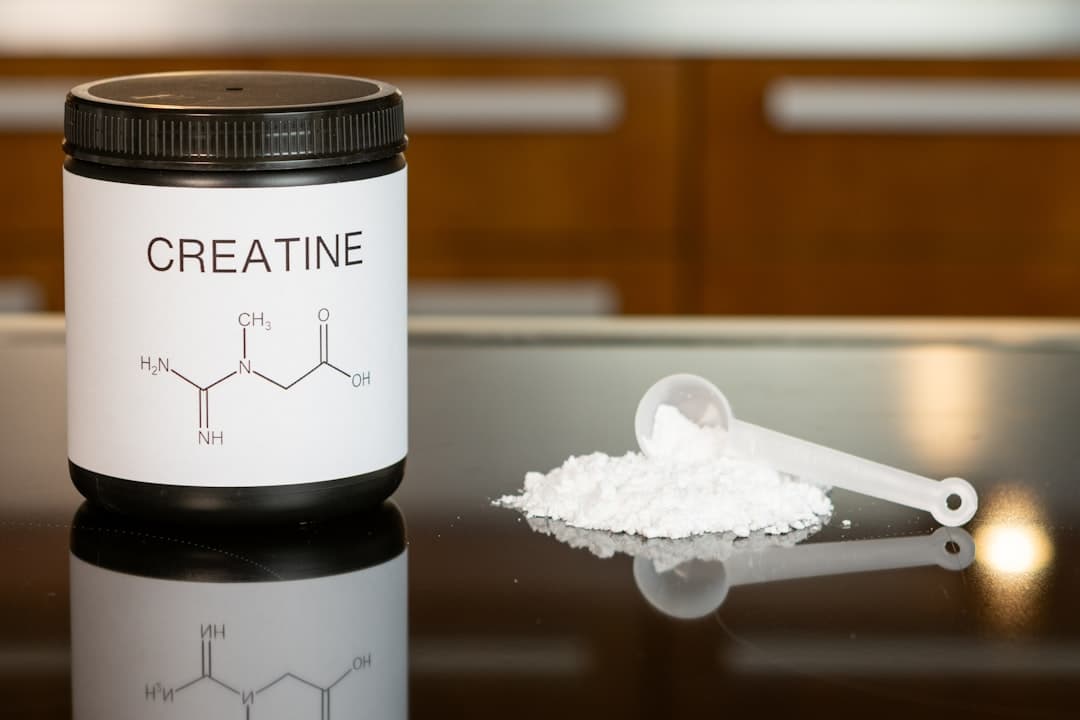
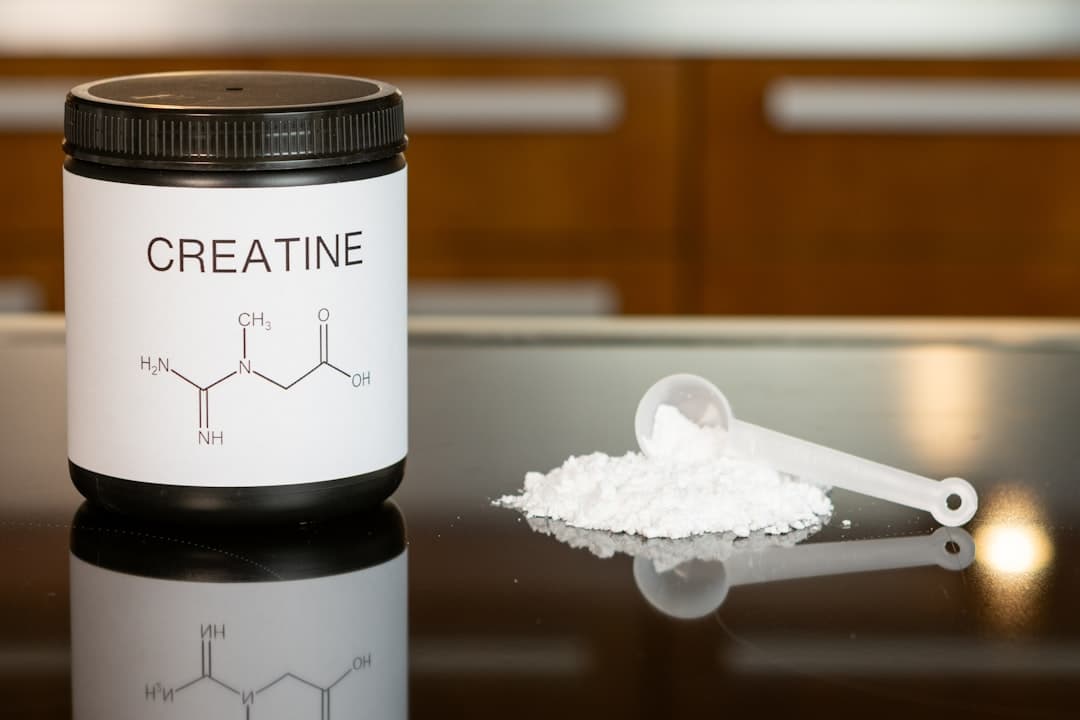
Creatine is usually framed as a gym supplement, but this video argues it is closer to a “conditionally essential” nutrient that matters for brain and muscle energy, especially for kids and adults over 65. The discussion leans on narrative reviews suggesting creatine can support growth, body composition, cognition, and physical function, while also criticizing proposed restrictions for minors. You will also get the speaker’s practical playbook: creatine monohydrate as the preferred form, an optional short loading phase, daily maintenance dosing, and why taking it with food, electrolytes, or around exercise may improve uptake.
🎯 Key Takeaways
- ✓This video’s central claim is that creatine is not just for bodybuilding, it may be a conditionally essential nutrient for brain and muscle energy across the lifespan.
- ✓The speaker strongly opposes restricting creatine sales to adolescents, arguing it is inconsistent to limit creatine while ultra-processed foods remain widely available.
- ✓Practical protocol shared: creatine monohydrate, optional 4-day loading at 20 g per day split into 4 doses, then 5 g per day (some people may use 2.5 g per day).
- ✓Timing matters in this framework: take creatine with food and ideally around exercise, since muscle activity may increase creatine uptake from blood.
- ✓Quality is a major theme, with emphasis on third-party testing and well-characterized manufacturing standards, rather than “marketing-only” supplement brands.
Why creatine advice feels confusing right now
If you have ever searched “Should my teen take creatine?” or “Is creatine safe after 65?”, you have probably noticed the advice is all over the place.
One camp treats creatine like a hardcore bodybuilding powder. Another camp treats it like a risky stimulant. The video you shared takes a third route, it treats creatine as a conditionally essential nutrient that may matter most at the edges of life: during growth and during aging.
That framing changes the entire conversation.
Instead of asking, “Does creatine make you bigger?”, the video keeps returning to a more basic question: “What happens when people do not get enough creatine for normal energy metabolism?”
Did you know? The body can make creatine, but dietary intake still matters, and people who avoid meat may consume less creatine from food. Creatine is naturally found in meat and fish, and typical omnivorous diets provide more than vegetarian patterns. An overview from the National Institutes of Health Office of Dietary SupplementsTrusted Source summarizes common sources and dosing used in studies.
The video’s core lens, creatine as a lifespan nutrient
The discussion centers on two narrative review papers: one focused on older adults and clinical applications, and another arguing that creatine supplementation is safe and beneficial “throughout the lifespan” and “should not be restricted.” Narrative reviews are not single experiments, they are broad summaries of existing research, which can be helpful for seeing the big picture but still require careful interpretation.
The key insight here is that creatine is framed as foundational to energy metabolism, especially in tissues with high energy demand.
That includes skeletal muscle, which is why athletes use it, but also the brain, which is why the video keeps returning to cognition, sleep loss, and neurologic conditions.
The “conditionally essential” idea
Creatine is often described as nonessential because humans can synthesize it. But the video’s argument is that, in real life, synthesis plus diet may not always meet needs, especially during growth, pregnancy, periods of heavy training, or aging.
This is where the speaker connects creatine to the phosphocreatine system, a rapid energy buffering system that helps regenerate ATP (the body’s immediate energy currency). The claim is not that creatine is a cure-all, but that it supports a basic energy pathway that many body systems rely on.
What the research shows: Creatine monohydrate is the most studied form, and research summaries generally find it can improve high-intensity exercise performance and increase lean mass when combined with training. Safety data in healthy adults is also relatively strong at commonly studied doses, as described by the International Society of Sports Nutrition position standTrusted Source.
Kids and teens, the controversy and the argument for access
This is where the video has its sharpest edge.
The speaker says they are “increasingly concerned” about reports of government agencies attempting to restrict the sale of creatine supplements to children and adolescents. The argument is partly scientific and partly cultural: it is portrayed as inconsistent to restrict creatine while allowing easy access to ultra-processed snacks and sugary drinks in school environments.
The scientific backbone of that argument is that creatine supports normal energy metabolism and may be tied to growth and body composition in younger people.
The video specifically claims that low dietary creatine intake has been associated with slower growth, less muscle mass, and higher body fat in children and adolescents. It also claims adolescents often consume lower than “recommended” amounts of creatine.
Important nuance: there is no universally agreed “recommended dietary allowance” for creatine like there is for vitamin C. Many papers discuss typical intake ranges and potential needs in certain groups, but official recommendations vary by country and are often not set.
What this means for families in practice
If you are a parent, coach, or teen athlete, the most useful takeaway is not “everyone must supplement.” It is this: creatine is not just a bodybuilding trend in this framing, it is being discussed as a nutrient that may matter for development, especially when dietary creatine is low.
That said, kids and teens are not just smaller adults. If a minor is considering creatine, it is reasonable to involve a pediatric clinician, especially if there is any history of kidney disease, metabolic disorders, or use of multiple supplements.
Important: If a child or teen has a medical condition affecting the kidneys, liver, or muscle metabolism, or takes medications that impact kidney function, it is especially important to discuss creatine with a licensed clinician first. The NIH overview notes that creatine is generally well tolerated in healthy people, but medical context matters, especially outside typical study populations. See the NIH ODS creatine fact sheetTrusted Source.
Older adults, muscle, falls, frailty, and brain energy
The other major focus is aging.
The video points to a narrative review on creatine monohydrate supplementation for older adults and clinical applications, emphasizing several themes: preserving skeletal muscle, reducing frailty, potentially supporting bone health, and supporting cognitive function.
This perspective is practical. By 2050, the video notes that a very large portion of the global population will be over 65, and declines in executive function and cognition could increase the need for assisted living.
Creatine is presented as one tool that might help maintain function.
Muscle loss is not just cosmetic
Age-related loss of muscle mass and strength, often discussed as sarcopenia on first mention, is linked with reduced mobility and independence. Even modest improvements in strength and physical function can matter for daily life.
Creatine is often studied in older adults in combination with resistance training. The idea is not that creatine replaces exercise, but that it may support training adaptations by improving the ability to perform repeated bouts of effort.
The brain angle in older adults
The video leans heavily on brain energy metabolism. It highlights that creatine plays a role in the phosphocreatine system in the brain and ATP production.
This is also where the speaker references cerebral creatine deficiency syndromes, rare disorders involving creatine synthesis or transport that can cause significant neurologic impairment. Those conditions are not the same as typical dietary insufficiency, but they are used as a vivid example of how central creatine is to brain function when the system fails.
For a broader research overview on creatine and the brain, the NIH fact sheet includes sections on neurologic outcomes and emerging areas of study: Creatine, Health Professional Fact SheetTrusted Source.
How creatine works, in plain language
Creatine is stored in muscle and other tissues as free creatine and phosphocreatine.
Phosphocreatine acts like a rapid backup battery. When your cells need energy quickly, phosphocreatine donates a phosphate group to help regenerate ATP. This is especially relevant during short, intense efforts like sprints, heavy sets, or repeated bursts of activity.
The video extends that “backup battery” idea to the brain.
The brain uses a lot of energy, and it does not store much fuel compared with other tissues. The discussion suggests that creatine availability may influence how resilient the brain feels under stressors like sleep deprivation, aging, or heavy cognitive demand.
This does not mean creatine is a treatment for neurologic disease. It means the creatine system is part of how cells manage energy, and supporting it may have downstream effects in some people.
A practical creatine protocol from the video
This is where the video becomes very actionable, and also very specific.
It recommends creatine monohydrate as the default form, dismissing many alternative forms as marketing-heavy and less impressive in evidence.
It also gives a clear dosing strategy.
How to take creatine (step-by-step)
Consider an optional loading phase if you have never used creatine. The video suggests 20 grams per day for 4 days, split into 5 grams in divided doses. This is a classic approach used in many sports nutrition studies to saturate muscle stores more quickly.
Switch to a maintenance dose. After loading, the video suggests 5 grams per day. It also notes you can go as low as 2.5 grams per day, which is the amount the speaker mentions using in a creatine-plus-electrolyte stick format.
Take it with food or around exercise, not necessarily on an empty stomach. The rationale given is that insulin and muscle contraction may help creatine uptake. The speaker claims that moving muscles increases creatine absorption from the blood by about 25%.
Be consistent. This is implied throughout. Creatine works by building and maintaining tissue stores, not by acting like a stimulant you feel immediately.
Pro Tip: If creatine upsets your stomach, try splitting your daily dose into smaller servings taken with meals, and make sure it is fully dissolved in fluid. Many people find that 2.5 g twice daily is easier than 5 g at once.
Timing, the video’s preference
The video argues for taking creatine before or during training, rather than post-workout.
This is a notable viewpoint because many routines place it after training. The mechanism offered is that muscle activity increases uptake, so you want creatine available in the bloodstream while you are moving.
From a research standpoint, the most consistent finding is that daily consistency matters more than exact timing for many outcomes, but some studies suggest post-workout may be slightly advantageous in certain contexts. If you want a conservative summary, the ISSN position standTrusted Source emphasizes that creatine monohydrate is effective, and that timing can be flexible, especially if you are taking it daily.
What about dosing for kids?
The video offers an informal suggestion: for young children, it mentions starting around 2 grams per day, with the caveat “assuming they have adequate kidney function and beyond,” and notes that dosing is body-weight dependent.
This is not a universal guideline. Pediatric supplementation should be individualized, and it is wise to involve a pediatric clinician, particularly for non-athlete children or those with health conditions.
Side effects and troubleshooting, gut issues, sleep, and cramps
Most of the side effects discussed are practical and familiar.
The most common issue mentioned is gastrointestinal discomfort.
If creatine bothers your stomach
The video suggests that a finer, “micronized” powder may be easier on the gut because it dissolves more readily.
From a practical standpoint, the following strategies can help many people:
Sleep disturbances, a less common complaint
A viewer question in the video asks about sleep disturbances. The speaker says this is not common, but suggests it could relate to how creatine affects methylation and neurotransmitter synthesis.
Practical advice offered is simple: if you notice sleep disruption, take creatine earlier in the day rather than close to bedtime.
Then the video adds an interesting twist.
It claims there is published research where participants were sleep deprived in a lab, and taking 20 grams of creatine after poor sleep helped mitigate sleep-induced cognitive decline on standardized tests.
That is a very specific claim. The broader evidence on creatine and cognition is mixed and context-dependent, but there are studies suggesting potential cognitive benefits during sleep deprivation or high mental stress in some groups. For an evidence overview that separates what is established from what is emerging, see the NIH ODS creatine fact sheetTrusted Source.
Restless legs, cramps, and “electrolyte thinking”
Another viewer mentions restless leg sensations after taking creatine. The video does not provide a medical explanation, but it repeatedly emphasizes electrolytes and hydration as part of the creatine conversation.
This is not the same as saying creatine causes cramps. In fact, research reviews often do not support the idea that creatine increases cramping risk in healthy athletes, and some data suggest it may not worsen hydration status when used appropriately. Again, the ISSN position standTrusted Source is a useful reference for common misconceptions.
If you experience new or persistent neurologic symptoms (restless legs, tingling, weakness), it is reasonable to pause the supplement and talk with a clinician to rule out other causes.
Quality and manufacturing, why the source matters in this view
A major, unique feature of this video is that it is not only about creatine physiology. It is also an investigative critique of the supplement industry.
The speaker argues that most supplement brands are marketing companies, not manufacturers. The video claims there are thousands of supplement brands but only a small number of manufacturers, implying many brands outsource production and may not control quality tightly.
This framing leads to a strong stance: source and manufacturing standards matter.
The “Germany vs China” argument in the video
The speaker repeatedly claims that much creatine is made in China, and that higher-cost German-made creatine (specifically branded as Creapure or similar) is cleaner and more reliable.
The video also claims that some lower-quality creatine may be only “84% material,” implying impurities or non-creatine content, and argues that buyers should look for specific logos and evidence of quality.
It is fair to say that quality can vary across supplement supply chains, and that third-party testing and transparent manufacturing practices can reduce risk.
If you want an independent, non-brand-specific way to vet supplements, consider:
»MORE: If you compete in organized sports, consider reading about supplement risk and third-party testing through the U.S. Anti-Doping Agency supplement guideTrusted Source.
Creatine plus electrolytes, and where BHB fits in
The video makes a practical pairing suggestion: creatine plus electrolytes.
The reasoning is twofold:
Creatine draws water into muscle tissue, and hydration status matters.
Electrolytes may support absorption and utilization, according to the speaker.
This is not a universal requirement, but it is a coherent “stack” if you train hard, sweat heavily, or tend to under-consume sodium and fluids.
When creatine plus electrolytes may make sense
Where BHB fits, according to the video
The speaker briefly contrasts creatine with beta-hydroxybutyrate (BHB), a ketone body.
The viewpoint is that BHB is “different from creatine,” and the speaker personally likes BHB before cognitively intensive tasks like podcasts.
This is a useful distinction: creatine is primarily about the phosphocreatine energy buffer system, while BHB is an alternative fuel substrate that can rise during fasting or ketogenic diets. Supplemental ketones are a separate topic with different evidence, benefits, and trade-offs.
Key Takeaways
Frequently Asked Questions
- What form of creatine does the video recommend?
- The video strongly favors creatine monohydrate and suggests most alternative forms are marketing-driven. It also highlights micronized versions as potentially easier on the stomach for people prone to GI upset.
- Do you need a creatine loading phase?
- The video suggests an optional loading phase of 20 grams per day for 4 days split into 5-gram doses, then a maintenance dose. Many people can also skip loading and take a consistent daily dose, but results may take longer to notice.
- Is creatine only for muscle building?
- No. The video’s unique perspective is that creatine supports basic energy metabolism in muscle and the brain, which is why it discusses cognition, aging, and even sleep-deprivation scenarios alongside training performance.
- Should creatine be taken on an empty stomach?
- The video says no, it prefers taking creatine with food or around exercise. The rationale is that insulin, electrolytes, and muscle contraction may support creatine uptake and reduce stomach discomfort for some people.
- Can kids or teens take creatine?
- The video argues creatine should not be restricted for adolescents and frames it as supportive of growth and healthy body composition when dietary intake is low. Because minors have unique medical considerations, it is still wise to involve a pediatric clinician, especially if there are kidney or metabolic concerns.
- What are common creatine side effects?
- The video highlights gastrointestinal discomfort as the most common issue and suggests a micronized powder and taking it with food. If you notice sleep disruption, the video suggests taking it earlier in the day rather than near bedtime.
Get Evidence-Based Health Tips
Join readers getting weekly insights on health, nutrition, and wellness. No spam, ever.
No spam. Unsubscribe anytime.