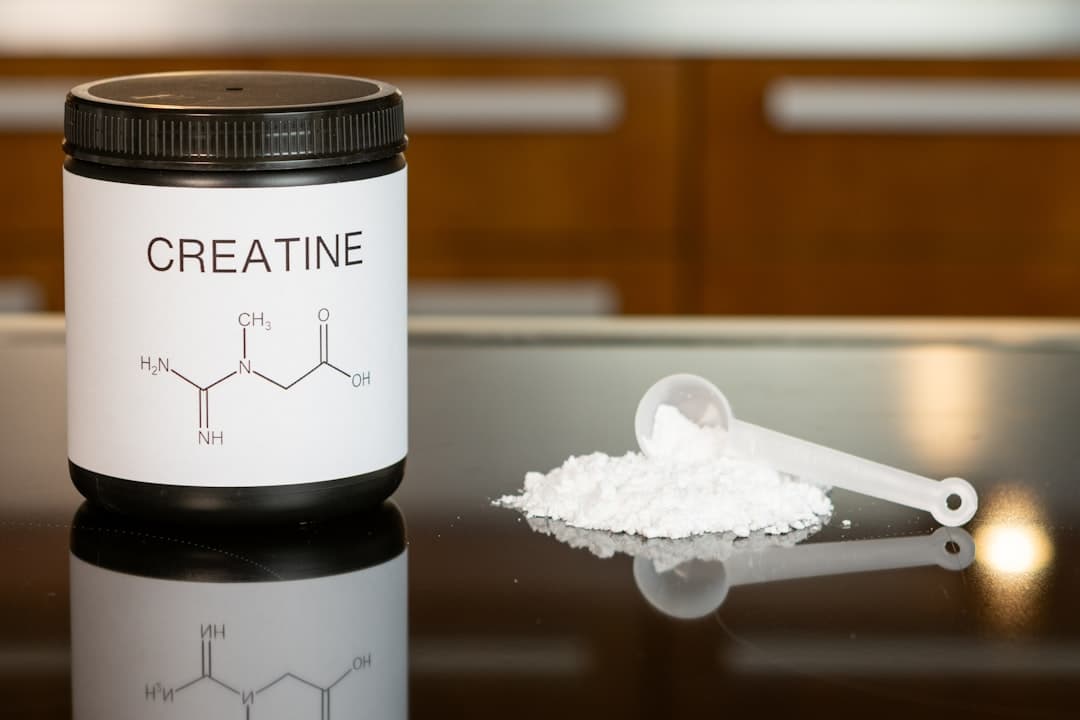
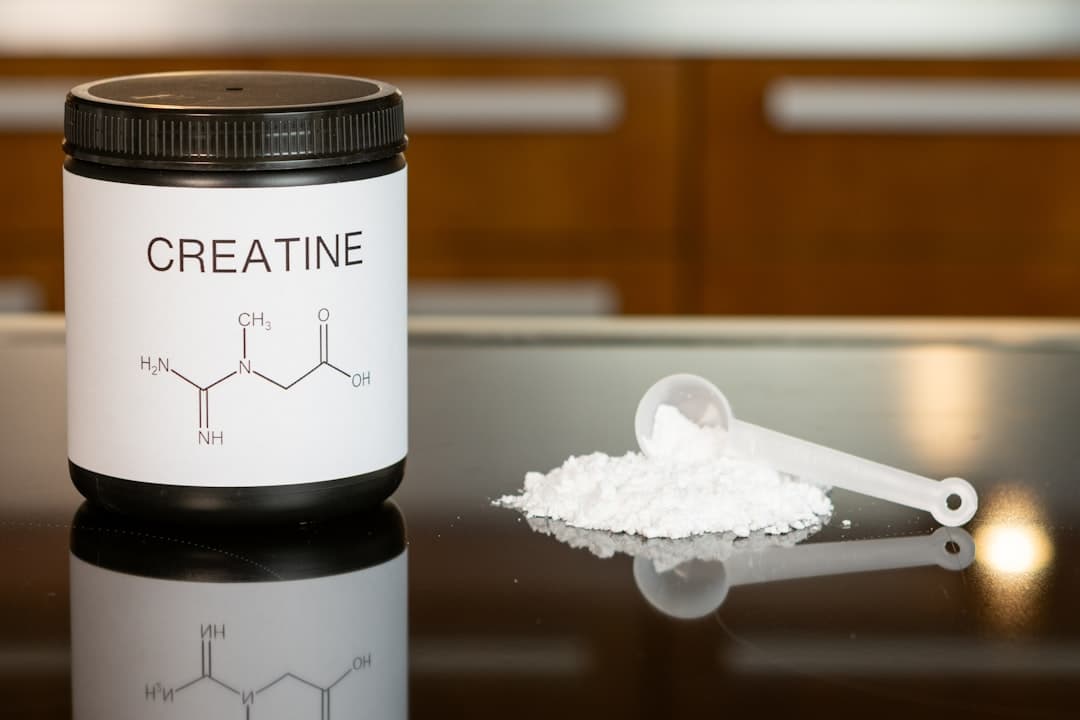
Creatine for Women: The 3 to 5 g Daily Dose
Summary
Many women avoid creatine because they expect “bulky” weight gain or think it is only for bodybuilders. In this video, Dr. Stacy Sims argues that women often benefit from a simpler approach: 3 to 5 grams once daily, without adding carbohydrate and without a loading phase. Her framing is that women tend to have lower creatine stores than men and may use creatine for more than gym performance, including brain metabolism and gut health. She also points to randomized trials where creatine alongside standard care was associated with improved mood outcomes in women.
🎯 Key Takeaways
- ✓A common myth is that creatine is only for bodybuilders or automatically causes unwanted weight gain.
- ✓The video’s practical dose for most women is 3 to 5 g once daily, without carbohydrate and without a loading phase.
- ✓Bodybuilding-style dosing (5 g, four times per day, often with carbs) is framed as performance-focused, not gut or brain focused.
- ✓This perspective emphasizes women may start with lower creatine stores (about 70% of men’s) and may eat fewer creatine-rich foods.
- ✓Randomized trials suggest creatine may support mood in some women when paired with usual depression treatment, but it is not a replacement for medical care.
Women in the video were most likely to associate creatine with “gain muscle, gain weight,” and “bodybuilders only.” That myth is exactly what this discussion tries to undo.
Why women often skip creatine
The biggest barrier is not biology, it is perception.
The framing here is that creatine has been marketed through a bodybuilding lens, so many women assume it is either unnecessary or will change their body in ways they do not want. Some people also hear “loading phase” and conclude it must be intense, complicated, or risky.
At the same time, the argument is not that every woman needs creatine. It is that the decision should be based on what you are trying to support (training performance, cognition, mood resilience, or overall health), not on stereotypes.
Did you know? Creatine is one of the most studied sports supplements, and position statements note it can improve high-intensity exercise performance for many people when used appropriately, including women (International Society of Sports NutritionTrusted Source).
The dose difference: bodybuilding vs women’s daily use
The video draws a sharp line between bodybuilding protocols and a simpler women’s protocol.
The bodybuilding-style approach (performance-first)
For bodybuilding, the dosing described is 5 g, four times a day, paired with about 1 g of carbohydrate, with the goal of saturating muscle stores quickly for performance.
The women’s daily approach (health plus performance)
For women, the dose described is 3 to 5 g once a day, without carbohydrate. The reasoning offered is practical and physiological: women are described as having roughly 70% of the creatine stores men have, and many women also eat fewer creatine-rich foods.
Important: If you have kidney disease, are pregnant, or take medications that affect kidney function, ask a clinician before starting creatine. Creatine is generally considered safe for healthy adults at common doses, but your situation may be different (Mayo ClinicTrusted Source).
What this approach is really targeting: brain, gut, muscle
This perspective expands creatine beyond “bigger lifts.” It highlights gut health, brain health, and muscle performance, rather than treating creatine as only a muscle supplement.
The most distinctive claim in the clip is about mood. The speaker points to randomized controlled trials where women taking 3 to 5 g/day were more likely to come out of a depressive episode compared with women using an SSRI alone. Research in this area often studies creatine as an add-on to standard treatment, not a replacement, and results can vary by person and study design (NIH Office of Dietary Supplements, CreatineTrusted Source).
What the research shows: Reviews describe creatine as a compound involved in cellular energy buffering, and it is being studied for potential cognitive and mood-related effects in some populations (NIH ODSTrusted Source).
How to try 3 to 5 g daily in real life
If you want to test this video’s approach, keep it simple and track what matters to you.
Pick a consistent daily dose (3 to 5 g). Use a product that lists the amount per scoop, many people choose creatine monohydrate because it is widely studied (ISSN position standTrusted Source).
Skip the loading phase unless you have a specific reason. This viewpoint is that loading is mainly about faster muscle saturation for performance, not about brain or gut goals.
Define your “win” before you start. Consider tracking gym performance, perceived recovery, and mental energy. If your goal is mood support, involve your mental health clinician and keep your treatment plan stable unless advised otherwise.
Pro Tip: Mix creatine into whatever you already do daily, like water, coffee, or a smoothie, so adherence is easier than chasing a perfect timing window.
Key Takeaways
Frequently Asked Questions
- Will creatine automatically make women gain weight or look bulky?
- Not necessarily. Some people notice a small scale change from water being stored with creatine in muscle, but that is different from gaining body fat, and “bulky” changes generally require specific training and calorie intake.
- Do women need a creatine loading phase?
- In this video’s approach, most women do not need loading. A steady 3 to 5 g once daily is positioned as enough for general health and performance goals without the complexity of loading.
Get Evidence-Based Health Tips
Join readers getting weekly insights on health, nutrition, and wellness. No spam, ever.
No spam. Unsubscribe anytime.