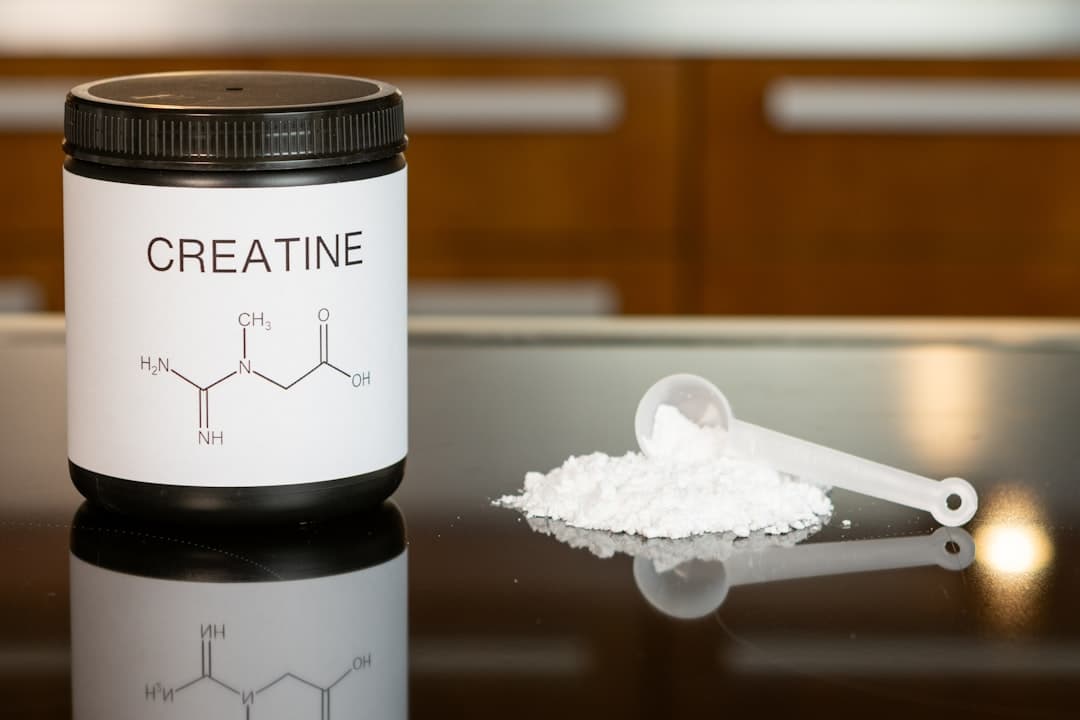
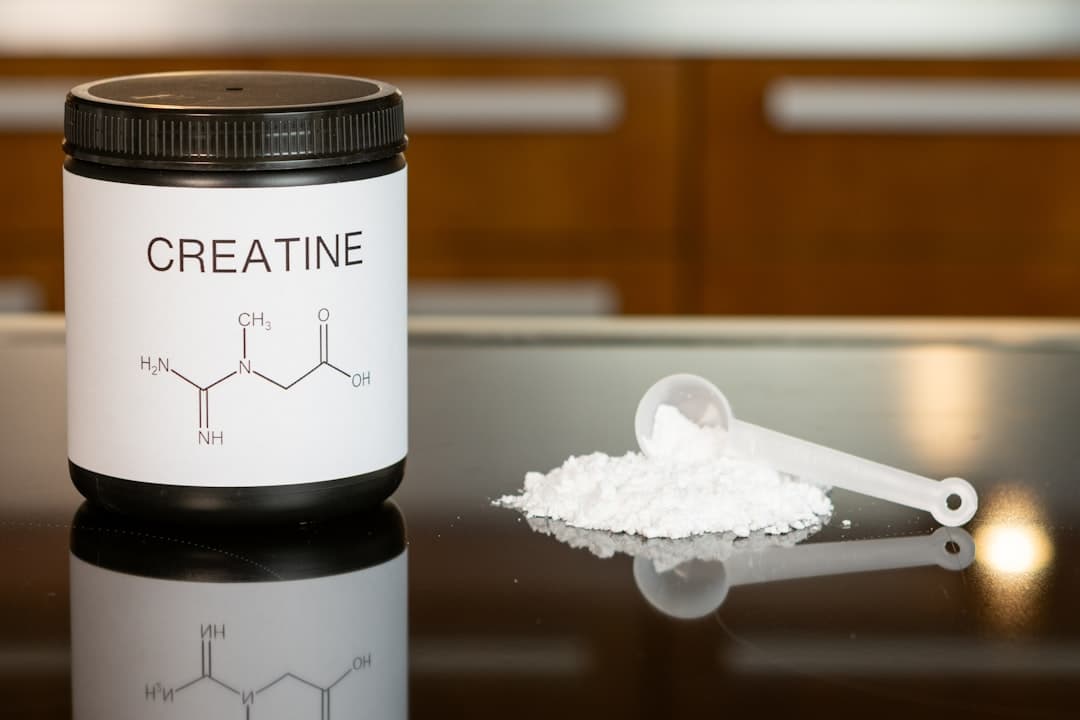
Creatine Monohydrate vs HCl: What to Choose
Summary
Creatine is often treated like a bodybuilding-only supplement, but this video frames it as a basic energy nutrient your body already stores, roughly 120 to 140 grams. The unique angle is the speaker’s shift from avoiding creatine to recommending it widely, then rethinking monohydrate after widespread complaints about bloating and stomach issues, especially among women. The discussion argues creatine HCl may absorb better, require smaller doses (around 750 mg), and feel easier on digestion. It also highlights an “amplification” idea: pairing creatine with magnesium and taurine may support harder training and better recovery.
🎯 Key Takeaways
- ✓Creatine is a naturally occurring compound your body stores, and the video frames it as foundational for energy, not a steroid substitute.
- ✓The speaker observed bloating and GI upset with creatine monohydrate, and says many women reported similar issues.
- ✓This perspective argues creatine HCl may be more bioavailable and can be taken in much smaller amounts (about 750 mg) than typical 5 g monohydrate dosing.
- ✓The video’s practical strategy is stacking creatine HCl with magnesium and taurine to “amplify” workout and recovery effects.
- ✓If you have kidney disease, are pregnant, or take medications that affect kidneys or fluid balance, it is smart to check with a clinician before using creatine.
Monohydrate vs HCl: why people get stuck on the question
“Should I buy creatine monohydrate or creatine HCl?”
That question sounds simple, but the video’s take is more interesting than a basic comparison chart. The core argument is that most people have been taught to default to monohydrate because it is “the most studied” and “has been around the longest,” yet those facts do not automatically make it the best fit for every body.
What makes this perspective unique is that it comes from someone who spent decades in the supplement industry, avoided creatine for years, then became a vocal advocate, and then had to reckon with real-world side effects reported by women. That arc matters because it shifts the discussion away from brand claims and toward tolerability, dosing logic, and what actually happens when thousands of people try a product.
Did you know? Creatine is stored mostly in skeletal muscle, and typical total body stores are often cited around 120 to 140 grams, depending on muscle mass and diet. This aligns with the video’s framing and is consistent with general physiology summaries like the NIH Office of Dietary Supplements creatine overviewTrusted Source.
Creatine is not a steroid: the misconception that blocks progress
The video opens with a confession: in the speaker’s 20s, training at Gold’s Gym in Venice, creatine monohydrate was everywhere, and it got mentally lumped in with steroids.
That misconception is common.
Creatine is a naturally occurring compound made from amino acids. Your body makes some, and you also get some from food, especially meat and fish. The key insight here is that creatine is framed less as a “hardcore bodybuilding add-on” and more as a basic energy support molecule, because it helps regenerate ATP, the body’s quick energy currency during short, intense efforts. The International Society of Sports Nutrition position standTrusted Source describes creatine monohydrate as one of the most studied and effective supplements for improving high-intensity exercise capacity and lean mass.
The video also highlights a practical angle for women: the speaker believes women “tend to be deficient” and therefore may benefit from paying attention to creatine status. While deficiency is not routinely diagnosed in clinics, lower creatine stores can occur in people who eat little or no animal foods, and creatine content is lower in vegetarian diets, as described in the NIH ODS creatine fact sheetTrusted Source.
Important: If you are pregnant, breastfeeding, have kidney disease, or take medications that affect kidney function or fluid balance, it is wise to talk with a clinician before using creatine. Safety is context dependent, even for widely used supplements.
The monohydrate problem highlighted here: bloating and GI upset
The video does not argue monohydrate “doesn’t work.” It argues that for many women, it can feel unpleasant.
The speaker’s personal trial is straightforward: creatine monohydrate seemed beneficial, but it also caused feeling “bloaty,” and GI issues increased. The speaker then recommended it broadly, and got significant blowback from women reporting weight gain, bloating, and stomach pain.
Intracellular vs extracellular water, why the distinction matters
A detailed point in the video is the water story. Creatine can increase water inside muscle cells (intracellular water). That is often considered part of the performance and muscle fullness effect, and it is not inherently “bad.” But the speaker emphasizes that water outside the muscle (extracellular fluid) can feel like uncomfortable bloating, and that experience can be a deal-breaker.
This is where the video’s lens is practical rather than theoretical: even if a supplement is effective in studies, people stop taking it if they feel puffy or their digestion is off.
Pro Tip: If you are trying monohydrate and it bothers your stomach, consider splitting the dose across meals and mixing thoroughly in fluid. Some people also do better when they avoid large single doses.
What the research shows: Creatine monohydrate is generally well tolerated for many people, and large reviews and position statements consider it safe for healthy individuals when used appropriately, including the ISSN position standTrusted Source. However, GI complaints and perceived water retention can still happen in real life, especially with higher doses or loading protocols.
Why this view favors creatine HCl: absorption and smaller dosing
The video’s turning point happens at an integrative healthcare symposium, when someone tells the speaker, “You need to know about creatine HCl. It’s a better creatine.”
Skepticism shows up immediately, and that is refreshing. The speaker had internalized the standard line: monohydrate is most studied, so you “should only take” monohydrate.
Then comes the argument: “most studied” does not equal “best.”
The dosing logic: “the math doesn’t math”
The speaker questions why people are commonly instructed to take 5 grams daily if a smaller amount should theoretically cover “foundational” needs. In the video, the claim is that monohydrate absorbs poorly (the speaker cites about 15 percent absorption), which is used to explain both the higher recommended dose and the bloating and GI symptoms.
Creatine HCl is positioned as the solution: in this telling, it is “seven times more bioavailable,” absorbed at “85 percent or more,” and therefore effective at much smaller doses.
The specific dose mentioned is about 750 milligrams for creatine HCl.
That smaller dose is central to the video’s unique perspective. It is not just “HCl is better,” it is “HCl lets you use less, feel better, and still get the effect.” Research on different creatine forms is less extensive than monohydrate overall, and monohydrate remains the reference standard in most sports nutrition guidance, including the NIH ODS creatine overviewTrusted Source. Still, the practical question for consumers is often tolerability, not academic volume.
A personal performance claim: jet lag
The speaker then describes increasing HCl dosing dramatically, “basically quadrupled,” specifically during frequent travel to Europe.
No side effects were noted in the story, and the speaker reports something striking: no jet lag for the first time ever.
It is important to treat this as an anecdote, not a guarantee. But it helps explain why the speaker became convinced enough to visit the manufacturing plant and develop a product around this form.
Resource callout: »MORE: If you want to test creatine systematically, create a simple 4-week tracker: dose, timing, workouts, perceived bloating (0 to 10), GI comfort (0 to 10), sleep quality, and body weight trend. Patterns show up fast when you track.
Making creatine “work harder”: pairing with magnesium and taurine
The video does not stop at HCl versus monohydrate. It adds a formulation philosophy: stack creatine with nutrients many people may be low in.
This argument centers on an “amplification effect.” The speaker claims creatine plus magnesium is more powerful than either alone, and the same is said for creatine plus taurine.
The product concept described combines creatine HCl, magnesium, and taurine (the transcript pronounces it “torine,” commonly spelled taurine). The rationale is simple: if creatine supports training output and cellular energy, and magnesium and taurine support muscle function and recovery pathways, then combining them may help you train harder and bounce back faster.
A key practical detail is dosing flexibility. The speaker describes a design where you can take one dose per day up to four doses per day.
Research-wise, magnesium is essential for muscle and nerve function, and many people do not meet recommended intakes. The NIH magnesium fact sheet outlines magnesium’s role in energy production and muscle function, and discusses shortfalls in intake in certain groups: NIH ODS magnesium fact sheetTrusted Source.
Taurine is an amino acid involved in osmoregulation and may play roles in exercise performance and recovery, although evidence varies by outcome and population. For a broad, reputable overview, see NIH NCCIH on dietary supplementsTrusted Source for how to evaluate supplement claims and evidence quality.
Expert Q&A
Q: If creatine pulls water into muscle, is “weight gain” always bad?
A: Not necessarily. Some early weight gain can reflect increased water stored in muscle, and that can be compatible with improved training performance. The more useful question is whether the change feels like comfortable muscle fullness or uncomfortable bloating, and whether it affects your digestion or confidence.
If you notice rapid swelling, shortness of breath, or significant fluid retention, it is a reason to pause and speak with a clinician.
Jordan Lee, RD (Registered Dietitian)
How to choose in real life (and when to ask your clinician)
Choosing between monohydrate and HCl is less about internet debates and more about your body’s feedback.
Here is a practical way to think about it, using the video’s logic while staying grounded in what’s known.
How to decide between monohydrate and HCl
A short note on expectations: creatine tends to be most noticeable in repeated high-intensity efforts, strength training volume, and lean mass gains when combined with training. The NIH ODS creatine overviewTrusted Source summarizes common performance uses and typical dosing strategies.
A step-by-step way to trial creatine without overcomplicating it
Pick one form and commit to a consistent trial. Choose monohydrate or HCl and stick with it for 3 to 4 weeks, so you can separate “random life noise” from supplement effects.
Use the smallest effective dose you can tolerate. The video’s anchor point is 750 mg for creatine HCl. For monohydrate, many protocols use around 3 to 5 g/day, but you can discuss dosing with a qualified professional if you are sensitive.
Track the outcomes that actually matter. Write down workout performance (reps, load, sets), recovery (soreness, readiness), and side effects (bloating, GI discomfort). If you are traveling, note sleep disruption and jet lag symptoms too.
Reassess and adjust, do not just “power through.” The speaker initially told women to push through side effects, then realized many would not. If symptoms are significant, it is reasonable to stop, reassess, or switch forms, and involve a clinician if needed.
Expert Q&A
Q: Can I take creatine if I have a sensitive stomach?
A: Some people find monohydrate bothers their stomach, especially at higher doses or when taken all at once. A smaller dose, splitting across the day, taking it with food, or trying a different form like creatine HCl may improve tolerability.
If you have ongoing GI symptoms, a history of kidney disease, or take prescription medications, check in with a clinician before experimenting.
Jordan Lee, RD (Registered Dietitian)
Key Takeaways
Frequently Asked Questions
- Is creatine monohydrate or creatine HCl better for bloating?
- The video’s viewpoint is that creatine HCl may be easier to tolerate because it can be used at smaller doses (about 750 mg). Many people still tolerate monohydrate well, so the best choice often depends on your personal GI response.
- Do I really need 5 grams of creatine per day?
- Many common monohydrate protocols use 3 to 5 grams daily, and monohydrate is the most studied form. The video argues that if a form absorbs better, like creatine HCl, a smaller dose may be enough for some people, but individual response varies.
- Can women take creatine for muscle and performance?
- Yes, creatine is used by women and men, and research supports performance benefits in high-intensity exercise when paired with training. If you are pregnant, breastfeeding, or have kidney concerns, it is smart to consult a clinician before starting.
- Why combine creatine with magnesium and taurine?
- The video suggests an “amplification effect,” meaning creatine may feel more effective when paired with magnesium and taurine for training and recovery. Evidence for specific stacks is less established than for creatine alone, so consider tracking your response.
Get Evidence-Based Health Tips
Join readers getting weekly insights on health, nutrition, and wellness. No spam, ever.
No spam. Unsubscribe anytime.