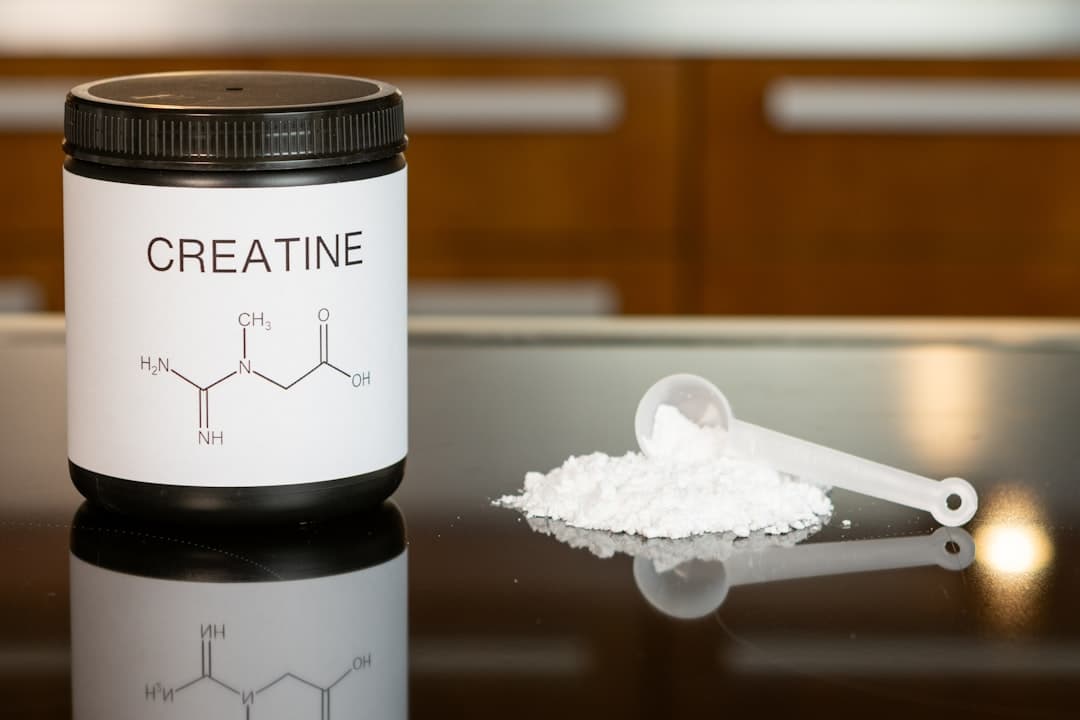
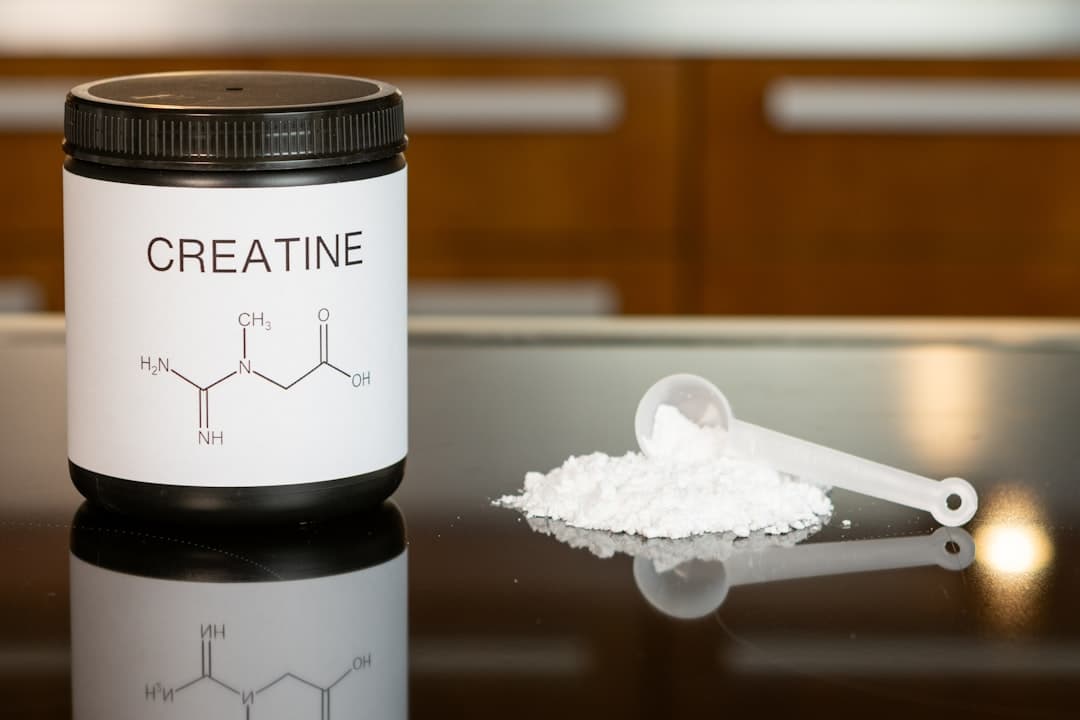
Creatine: The Overlooked Energy Nutrient for Muscle

Summary
Creatine is often treated like a “gym supplement,” but the video’s core message is broader and more practical: creatine is an energy buffer that helps your body recycle ATP, especially in high-demand tissues like skeletal muscle and the brain. The discussion connects creatine to strength, training performance, sleep deprivation, jet lag, and even hearing stress from loud concerts. It also argues that many adults fall short on dietary creatine, especially if they eat little red meat or fish. You will learn dosing ranges (2.5 to 5 g daily, plus optional loading), timing (often pre-workout), absorption considerations (electrolytes and movement), and key safety caveats to review with a clinician.
🎯 Key Takeaways
- ✓The video frames creatine primarily as an ATP “energy buffer,” not as a hormone or a direct anabolic muscle builder.
- ✓A practical dosing approach in the video is 2.5 g per day if you eat red meat, and about 5 g per day if you do not, with an optional 7-day loading phase of 20 g per day in 4 divided doses.
- ✓Timing is a major emphasis: creatine peaks about 2 hours after ingestion, so taking it before training or cognitively demanding tasks is highlighted.
- ✓Absorption is positioned as a real-world limiter, the video claims you may excrete a large portion, and pairing creatine with electrolytes and taking it around exercise may improve uptake.
- ✓Beyond muscle, the video spotlights creatine’s potential roles in sleep deprivation, jet lag, perimenopause and postmenopause, and brain health research, including early studies in Alzheimer’s disease.
Why this “energy nutrient” matters for muscle building
Muscle building is not just about “more protein” or “more intensity.” It is also about energy availability, meaning how reliably your cells can make and recycle ATP.
That is the unique angle of this video. Instead of treating creatine as a niche sports supplement, the discussion frames creatine as a conditionally essential energy nutrient that supports the mitochondria and the ATP system, especially when your body is under stress or demand.
If you train hard, work long hours, sleep poorly, travel, or juggle cognitively demanding tasks, the central question becomes simple: do you have enough cellular energy buffering to perform, recover, and adapt?
This perspective also explains why the speaker keeps coming back to one claim: a large portion of adults may be getting less creatine than recommended from diet alone.
Did you know? Some researchers have argued that many adults fall below suggested dietary creatine intake targets, especially people who eat little or no meat or fish. This has led to the idea of “creatine insufficiency” at a population level, which is different from rare genetic creatine deficiency syndromes.
Creatine’s real job: buffering ATP when demand spikes
The framing here is blunt: ATP is cash, and your cells spend it constantly.
Your brain spends ATP to think. Your muscle spends ATP to contract. Even your sensory organs depend on ATP to do their job.
Creatine’s core role is to act as an energy buffer. In plain language, it helps your body recycle ATP faster by donating a phosphate group through the creatine kinase system. That matters most when demand is high and immediate, like heavy sets, sprints, or explosive movements.
What is interesting about this approach is that it does not stop at “it helps performance.” It ties creatine into oxidative phosphorylation (the oxygen-based energy-making process in mitochondria). The argument is that creatine supports the mitochondrial energy gradient that helps drive ATP generation, not only the quick “phosphocreatine” recycling you hear about in gym talk.
This is consistent with broader scientific descriptions of creatine’s role as part of cellular energy homeostasis. For background, the NIH Office of Dietary Supplements creatine fact sheetTrusted Source summarizes how creatine is stored largely in muscle as phosphocreatine and how it supports rapid ATP regeneration.
Are most people really low in creatine?
“About 65% of US adults are not getting the recommended level of dietary creatine.”
That is the headline claim in the video, and it is used to shift creatine from “optional gym add-on” to “commonly under-consumed nutrient.” The emphasis is not on rare clinical deficiency syndromes, which are indeed uncommon, but on suboptimal intake due to modern eating patterns.
The practical point is easy to miss: if you do not regularly eat red meat or fish, you may not be bringing in much creatine at all. Poultry, eggs, and plant foods generally contain far less creatine than beef or certain seafoods.
This matters for muscle building because low creatine intake can mean lower baseline creatine stores, which may translate into less buffering capacity during training. People with lower starting stores also tend to show more noticeable performance changes when they supplement.
What the research shows: Creatine supplementation is one of the most studied ergogenic aids. Position statements from professional organizations have concluded that creatine monohydrate is effective for improving high-intensity exercise capacity and increasing lean mass when combined with training. See the International Society of Sports Nutrition position stand on creatineTrusted Source.
At the same time, it is worth keeping the video’s nuance: “not getting the recommended intake” is not the same thing as a medical diagnosis. It is better to think in terms of risk of low stores, especially for vegetarians, vegans, some older adults, and people who simply do not eat much meat or fish.
Timing: why the video pushes “pre” instead of “post”
Many people take creatine whenever they remember. The video argues timing can be more deliberate.
A key detail repeated in the discussion is that creatine peaks about 2 hours after ingestion. Based on that, the speaker’s routine is to take a 5 g bolus about an hour before filming or cognitively demanding work, aiming to have higher availability during the task.
For training, the argument is even more direct: if you want the performance-supporting effect, take creatine before exercise, not after.
This is not because post-workout creatine is “wrong.” It is because the goal in this framing is to have creatine available when ATP demand spikes.
The video’s practical timing scenarios
Here is how the timing advice is applied in everyday situations, using the examples given:
Pro Tip: If you are using creatine specifically for training performance, try taking it about 60 to 120 minutes before your session, then keep the habit consistent. Consistency is what builds and maintains tissue stores.
Dosing playbook from the video (maintenance and loading)
The dosing guidance in the video is simple, and it is tied to diet.
If you do not eat red meat or fish, the speaker suggests 5 grams per day.
If you do eat red meat, the suggestion is 2.5 grams per day.
That is presented as a practical baseline for most people, not a maximal protocol.
Loading phase (optional)
A loading phase is discussed as a way to saturate tissues faster.
The protocol described is:
The video also emphasizes you do not have to load, and if you do load once, you may not need to do it again for a long time.
This aligns with common sports nutrition guidance. Many research protocols use about 20 g per day for 5 to 7 days, then a lower maintenance dose. For a detailed overview, the ISSN position standTrusted Source summarizes dosing strategies and outcomes.
A practical “choose your dose” checklist
Use this as a discussion starter with a clinician, especially if you have medical conditions or take medications:
One more detail from the live Q and A: splitting doses is described as helpful, especially during loading.
Absorption and hydration: why electrolytes keep coming up
A repeated theme is that creatine is not always absorbed as efficiently as people assume.
The video claims that when people take creatine orally, they may excrete a large portion in urine. Whether the exact percentage applies to everyone is debatable, but the practical takeaway remains useful: absorption and uptake matter.
Two strategies are emphasized.
First, take creatine around exercise. The discussion claims that when skeletal muscle is active, it can absorb more creatine.
Second, pair creatine with electrolytes, which is presented as supporting the creatine transport process and hydration.
This is also where the video becomes very “no-nonsense.” Instead of treating electrolytes as a trendy add-on, the argument is that creatine and electrolytes match physiologically because creatine influences water distribution in muscle and because transport into cells is influenced by sodium-dependent mechanisms.
Important: If you have heart failure, chronic kidney disease, uncontrolled high blood pressure, or you are on medications that affect fluid balance (including certain diuretics), do not aggressively increase electrolytes or supplements without medical guidance.
How to combine creatine with fluids in a realistic way
This is not a prescription, but it reflects the practical strategy described:
Beyond the gym: brain, sleep deprivation, and jet lag
The video’s most distinctive move is how aggressively it ties creatine to the brain.
This is not framed as “biohacking.” It is framed as energy physiology.
A key study highlighted is a trial where a single dose of creatine improved cognitive performance and altered cerebral high-energy phosphates during sleep deprivation. The logic is straightforward: when sleep loss reduces cognitive function and increases stress hormones, providing an energy buffer may help the brain meet demand.
The speaker then turns that into practical advice: if you work night shifts, travel internationally, or have jet lag, creatine may be a tool to reduce the cognitive hit.
This is also where the discussion touches mental health trends, including rising rates of depression and anxiety, and mentions research suggesting creatine may help depressive symptoms in some contexts.
For readers who want to see the broader evidence base, the NIH fact sheet summarizes research on physical performance and emerging areas, including brain-related outcomes: Creatine, NIH ODSTrusted Source.
»MORE: If you want a simple tracking tool, create a one-page “energy audit” for two weeks: sleep hours, training days, travel days, and days you feel mentally foggy. Then discuss supplement choices with a clinician using real patterns, not guesses.
The “concert” and hearing angle
One of the more surprising claims is about loud noise exposure.
The video notes that the hair-like structures in the ear (often called stereocilia (italicized term on first use)) can be damaged by loud sound, and that creatine may help mitigate some of that stress.
This is not mainstream advice, and it should not replace hearing protection. Still, it fits the theme: sensory tissues are energy demanding.
If you are frequently exposed to loud environments, prioritize ear protection first, then consider whether overall nutritional support for energy metabolism is adequate.
Strength as a vital sign, and why creatine fits aging well
Strength is not just gym vanity.
The video calls strength a vital sign, meaning it reflects resilience and functional capacity as you age.
Grip strength and overall strength trends are associated with health outcomes in many studies. Clinicians and researchers often use strength as a marker because it correlates with disability risk and overall function.
Creatine fits into this because it supports training quality and may help people maintain or build strength, especially in combination with resistance exercise.
This matters for muscle building at any age, but it becomes especially relevant in midlife and older adulthood when muscle mass and strength can decline faster without deliberate training.
The evidence base for creatine and strength is broad. Professional reviews conclude that creatine monohydrate can improve strength and lean mass gains when combined with resistance training, particularly for repeated high-intensity efforts, see the ISSN position standTrusted Source.
Special populations the video calls out (kids, pregnancy, menopause)
The discussion does not keep creatine boxed into bodybuilding culture.
It points to several groups where energy demand is high or physiological change is significant.
Children and teens
The argument is practical: kids are building brains and bodies, and many do not eat creatine-rich foods.
The video contrasts red meat and fish with common kid staples like chicken nuggets and pop-tarts, which are not meaningful creatine sources.
If you are a parent, this is a situation to approach carefully. Children have different needs and medical considerations, and supplementation should be discussed with a pediatrician.
Pregnancy and lactation
Creatine is mentioned as “vitally important” during pregnancy and lactation, reflecting an interest in fetal and infant energy demands.
This is an area where you should be especially cautious about self-supplementing. Pregnancy is not the time for experiments.
If you are pregnant or trying to conceive, talk with an OB-GYN or qualified clinician before adding creatine or changing doses.
Perimenopause and postmenopause
The video highlights creatine for women in perimenopause and postmenopause, tying it to energy, brain changes, muscle, and bone health.
This is a useful framing because it connects creatine to training consistency and recovery during a time when sleep disruption and hormonal shifts can make training harder.
From a research standpoint, creatine has been studied in older adults and may support training adaptations. The NIH ODS creatine overviewTrusted Source discusses safety and evidence across populations.
Safety, kidneys, and product quality: practical cautions
Kidney questions come up immediately anytime creatine is mentioned, and the video addresses them head-on.
The key message is that typical supplemental doses, like 2.5 to 5 grams per day, are generally considered safe for healthy people, and that the body reabsorbs creatine.
However, the discussion also makes a strong product-quality argument. It warns against low-quality creatine with higher levels of contaminants and creatinine, and suggests choosing reputable sourcing.
Here is the balanced way to hold this information.
Creatine supplementation can raise blood creatinine, which is a lab marker often used to estimate kidney function. That does not automatically mean kidney damage, but it can complicate interpretation of labs. If you take creatine and have kidney disease, or you are being monitored for kidney function, you should tell your clinician so labs are interpreted correctly.
For safety summaries and known side effects, including GI upset and water retention, see the NIH Office of Dietary Supplements creatine fact sheetTrusted Source.
GI upset and formulation issues
The video notes that some people experience gastrointestinal distress with creatine monohydrate.
A practical workaround discussed is using micronized creatine monohydrate, which may dissolve better and be easier on the stomach for some people.
If you are prone to GI issues, consider:
Expert Q and A
Q: Should I worry about my kidneys if I take 5 grams of creatine a day?
A: Many healthy adults use creatine monohydrate at 3 to 5 grams per day without evidence of kidney harm in research trials, but individual risk depends on your health history and medications. If you have kidney disease, take nephrotoxic medications, or are being monitored for kidney function, discuss creatine with your clinician and make sure they know you are taking it so labs are interpreted appropriately.
Mike, health educator (as presented in the video)
Q: Is it better to take creatine all at once or split it up?
A: The video’s practical answer is that splitting can be helpful, especially during a loading phase (20 g per day split into 4 doses). For maintenance dosing, many people do fine with a single daily dose, but splitting may reduce GI upset for sensitive stomachs.
Mike, health educator (as presented in the video)
Key Takeaways
Frequently Asked Questions
- Is creatine only for bodybuilders?
- No. The video frames creatine as an energy buffer for ATP recycling, which matters for muscle and for other high-demand tissues like the brain. Research and clinical discussions also explore creatine in older adults and in situations like sleep deprivation.
- What dose does the video suggest if I do not eat red meat?
- The video suggests about 5 grams per day for people who do not eat red meat. It also describes an optional loading phase of 20 grams per day for 7 days, split into four doses, followed by a maintenance dose of 2 to 5 grams per day.
- Should I take creatine before or after workouts?
- The video favors taking creatine before workouts because levels peak roughly 2 hours after ingestion and the goal is to support performance during training. Post-workout use is not described as wrong, but the emphasis is on pre-workout timing for the ergogenic effect.
- Can creatine help with jet lag or night shift brain fog?
- The video highlights research where a single dose of creatine improved cognitive performance during sleep deprivation and suggests it may be useful during jet lag or night shifts. If you have medical conditions or take medications, it is wise to discuss supplementation with a clinician.
- Does creatine cause muscle gain by itself?
- The video argues creatine is not a hormone and not directly anabolic on its own, it supports energy availability so you can train better and recover. Muscle and strength gains generally come from training stimulus, nutrition, and adequate recovery, with creatine potentially supporting performance.
Get Evidence-Based Health Tips
Join readers getting weekly insights on health, nutrition, and wellness. No spam, ever.
No spam. Unsubscribe anytime.