Muscle Building

How to Do Cardio Without Losing Muscle

How to Do Cardio Without Losing Muscle
ByHealthy Flux Editorial Team
Reviewed under our editorial standards
Published 2/3/2026

Summary

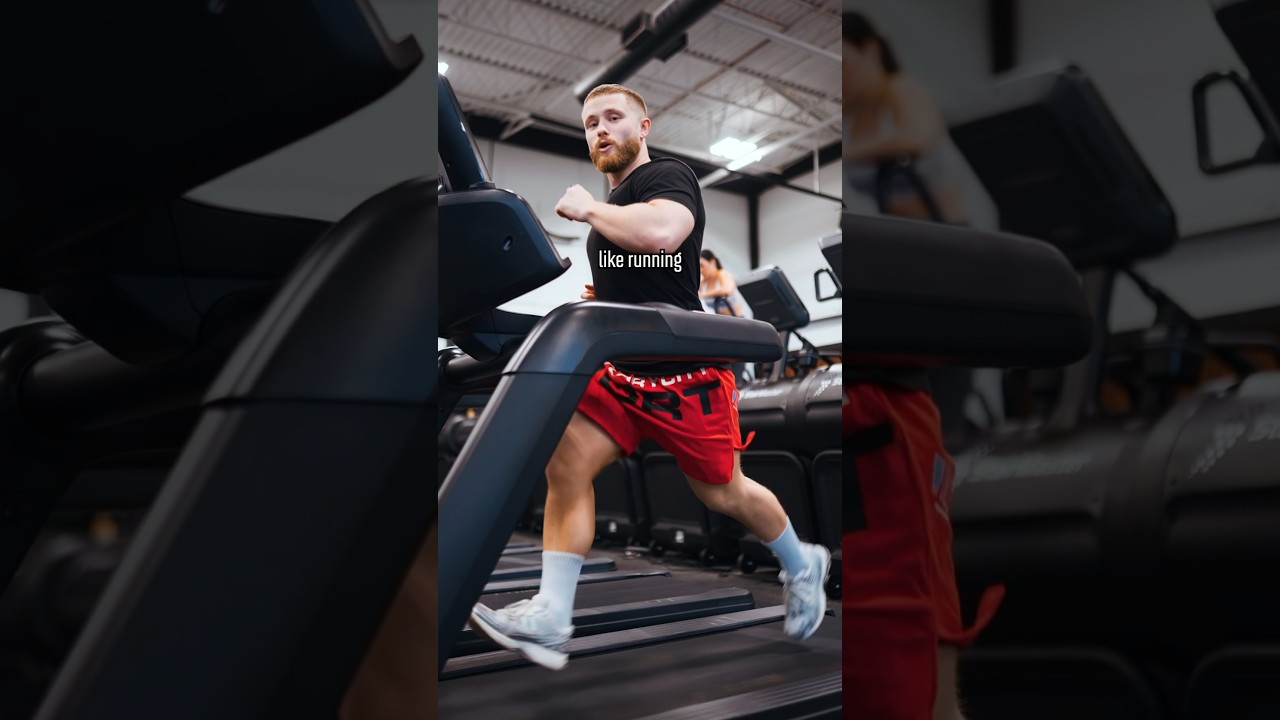
Worried cardio will “kill your gains”? This video’s core message is practical: you can build muscle and improve conditioning if you manage timing, impact, and recovery. Do most cardio after lifting or in a separate session, keep high-intensity work lower impact (like cycling or elliptical), and separate high-impact sports or running from leg days by 1 to 2 days. Then track your strength as a reality check. Even if there is a small interference effect, consistency with lifting, sleep, and eating enough often matters more for long-term progress.
How to Do Cardio Without Losing Muscle
▶️
▶️ Watch Video
⏱️1 min read

Cardio and muscle building, can you really do both without shrinking your hard-earned size?

This video’s perspective is refreshingly practical: the old “cardio is catabolic so it burns muscle” fear is overstated. What matters most is how you combine conditioning with strength work.

Will cardio kill your gains? The updated view

Early gym lore framed it like this: weight training is anabolic, cardio is catabolic, so pairing them must be a muscle-loss trap. The discussion highlights that higher-quality, longer-term research does not support that extreme conclusion, especially when training is programmed intelligently.

The key insight is not “never do cardio.” It is “control the variables that interfere with strength.” That means timing, impact, and recovery.

Did you know? The CDC reports only about 24% of U.S. adults meet both aerobic and muscle-strengthening guidelinesTrusted Source. Combining lifting and cardio can improve overall health, but the plan needs to be sustainable.

Rule 1: Time cardio so lifting stays the priority

If your goal is muscle and strength, protect the quality of your lifting session.

A quick 5 to 10 minute cardio warmup before weights is presented as totally fine. It can raise body temperature and help you feel ready to train.

The simple timing options

Do cardio after weights. This keeps your best energy and coordination for heavy sets, where performance matters most.
Or split sessions. A separate cardio session later in the day (or on another day) can reduce fatigue overlap.
Avoid full cardio before lifting when strength matters. The speaker notes you may take a strength hit if you do a full-blown cardio session first.

Pro Tip: If you must do both in one session, lift first, then keep cardio short and purposeful, so your weekly strength progression stays on track.

Rule 2: Match intensity with impact (save your legs)

High-intensity cardio is not automatically the enemy. The issue is the wear and tear it can add, especially to legs.

This approach favors low-impact high-intensity options like cycling or the elliptical. These can push your heart and lungs hard while often creating less joint stress and less soreness than repeated pounding.

What about running or basketball?

High-impact cardio like running and basketball is still framed as “great.” The practical adjustment is spacing.

Separate high-impact cardio from leg days by at least 1 to 2 days. This can help you show up to squats and deadlifts with better output.
Do not overdo it. Extra volume can quietly accumulate and show up as stalled strength or nagging aches.

What the research shows: A large review on concurrent training suggests strength gains can be reduced when endurance work is added, particularly with higher volumes and certain modes (like running), but smart programming can minimize this effect. See the concurrent training meta-analysisTrusted Source.

Rule 3: Use strength as your dashboard

Your program should produce results you can measure.

The video emphasizes monitoring your strength. If your numbers are dropping, that is a clue your cardio dose may be too high for your current recovery.

A quick self-check you can run weekly

Track 2 to 4 key lifts (for example, squat, bench, deadlift, row). Look at trends over 2 to 4 weeks, not one bad day.
Log cardio type and effort. Note whether it was low-impact intervals or high-impact running, plus duration.
Audit recovery basics. The speaker’s “most important” point is that gains still come from lifting consistently, sleeping well, and eating enough. If you are unsure how much to eat for your goals or you have a medical condition, consider consulting a registered dietitian or clinician.

Q: If cardio interferes even a little, should I skip it entirely?

A: Not necessarily. This perspective argues that even with some interference, you can still make great gains when lifting is consistent and recovery is solid.

Cardio also supports heart health, work capacity, and day-to-day energy. The trick is choosing the smallest effective dose that improves conditioning without dragging down your strength.

Video Expert, Fitness Educator

Key Takeaways

Do full cardio after lifting or in a separate session, keep pre-lift warmups to 5 to 10 minutes.
Use low-impact tools (bike, elliptical) for high-intensity work to reduce leg beat-up.
Keep running and basketball, but separate them from leg days by 1 to 2 days and avoid excess volume.
Watch your strength numbers, persistent drops can signal you are overdoing cardio or under-recovering.

Frequently Asked Questions

Can I do cardio before lifting if I only have one time slot?
A short 5 to 10 minute warmup is typically fine. If you do a full cardio session first, you may notice a strength hit, so consider lifting first when muscle and strength are the priority.
Is cycling better than running for keeping muscle?
This video favors low-impact options like cycling or the elliptical for high-intensity cardio because they can be easier to recover from. Running can still fit, but spacing it away from leg days by 1 to 2 days may help protect performance.
What is the easiest sign I am doing too much cardio?
A consistent drop in strength or stalled progression can be a practical warning sign. Tracking your key lifts alongside cardio volume can help you spot when recovery is being stretched too thin.

Get Evidence-Based Health Tips

Join readers getting weekly insights on health, nutrition, and wellness. No spam, ever.

No spam. Unsubscribe anytime.

More in Muscle Building

View all
The “Aging Powerfully” Muscle Blueprint After Menopause

The “Aging Powerfully” Muscle Blueprint After Menopause

Aging “gracefully” is not the goal in this approach, aging powerfully is. The video’s core argument is that muscle quality (strength plus power) is the best kept secret for protecting bones, brain, mood, and independence after menopause. The plan starts with mindset, then builds a daily movement floor (8,000 steps), hard resistance training with compound lifts, short HIIT intervals, and carefully scaled jumping for bone and fast-twitch power. Nutrition is framed as muscle “building blocks,” especially 100 grams of protein per day minimum and creatine HCl (about 750 mg to 1 g). Recovery, particularly sleep and heat, is treated as where you actually rebuild.

Creatine Best Practices, Attia Style, Simple and Safe

Creatine Best Practices, Attia Style, Simple and Safe

Creatine is framed here as a low-risk, modest-reward supplement with unusually strong safety data, but the details matter. The video’s unique angle is not a new “fancy” form of creatine, it is about doing the basics well: choose plain creatine monohydrate, keep the ingredient list clean, and consider pairing it with electrolytes (sodium, potassium, magnesium) to support uptake into working muscle. The discussion also flags a practical lab nuance: serum creatinine can be confusing, especially if you supplement, eat lots of meat, or have kidney concerns. If you have kidney disease or an unexplained high creatinine, involve your clinician before supplementing.

Creatine Quality Test: Micronized Powders Compared

Creatine Quality Test: Micronized Powders Compared

This video takes a hands-on approach to a question many lifters have after seeing creatine trends on Instagram: are all “micronized” creatines the same? Two products labeled micronized are compared in real time using a kitchen scale, a 9 cc scoop to reach 5 grams, and a simple water-mixing test. The key insight is not that one dissolves instantly and the other does not, but that bulk density, particle fineness, and how much powder settles over time can look very different. Research still supports creatine monohydrate as effective, but quality and tolerability can vary.

Creatine Source Matters, Purity, Solvents, and Dose

Creatine Source Matters, Purity, Solvents, and Dose

Creatine is one of the most used muscle building supplements, but this video argues the overlooked issue is not the label claim, it is the raw material source and how it is made. The key point is simple: people often take 5 to 20 grams a day, so even small impurities can matter more than they would in microgram dose supplements. The discussion contrasts end to end European, water-washed creatine (often sold as Creapure or similar European supply chains) with lower cost creatine commonly sourced from China, and explains creatine’s industrial synthesis from sarcosine and cyanamide derived from limestone.

We use cookies to provide the best experience and analyze site usage. By continuing, you agree to our Privacy Policy.