Make Your First Meal a Strength-Building Lever
Summary
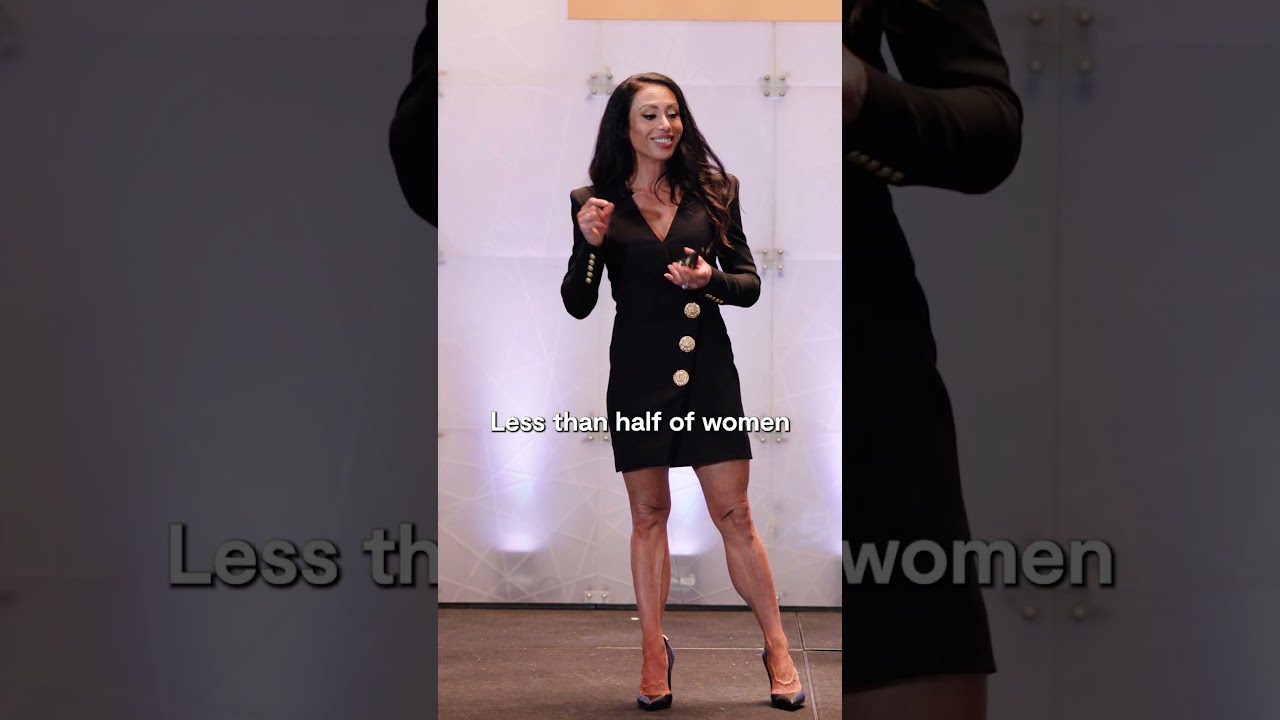
If you are trying to get stronger, the video’s core message is simple: stop treating breakfast like an afterthought. This perspective argues that the first meal after an overnight fast is the meal with the most meaningful research attention, and it should be prioritized, not replaced with coffee plus toast or a muffin. The bigger point goes beyond gym goals. Building muscle is framed as building physical infrastructure that may protect independence later in life, including after falls and during serious illness.
Is breakfast really that important for strength?
“Do I really need breakfast to build muscle, or is it just calories whenever?”
The video takes a strong stance: the first meal of the day is the one meal that has been studied “in a reasonable way,” and it deserves special attention. The framing is not about being perfect at every meal. It is about choosing one high leverage moment, right after an overnight fast, and getting it right.
That is a different message than the usual advice to distribute protein and calories evenly all day.
Did you know? Hip fractures in older adults are associated with serious health risks, including increased mortality in the year after the fracture, as described by trusted public health sources like the U.S. National Library of MedicineTrusted Source.
The video’s “first meal” rule (and why coffee plus pastry misses it)
The misconception called out is familiar: coffee and toast, or a muffin on the run.
The argument is blunt. If your goal is to be “sharper” and “stronger” day to day, starting with mostly refined carbs and minimal protein can make it harder to consistently support training and recovery.
Option A vs Option B (the video’s contrast)
Pro Tip: If mornings are chaotic, plan one “default” first meal you can repeat. Consistency beats novelty when you are trying to build strength.
Muscle as “infrastructure”, connecting today’s meal to future independence
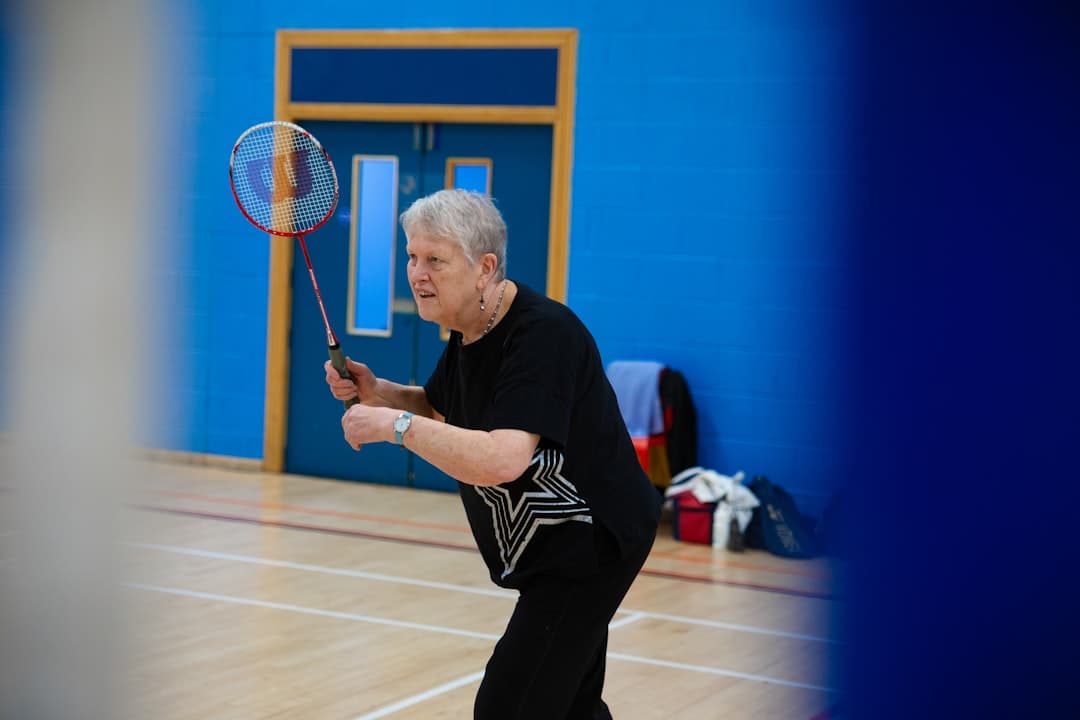
What’s unique here is the long view: building muscle is described as a choice that creates physical infrastructure for life. The speaker paints two paths, staying strong down the line, or ending up in a nursing home.
Falls are not framed as random bad luck. Poor balance and poor muscle strength are highlighted as contributors, along with vascular disease. The big claim is that many falls later in life could have been prevented by better muscle health in midlife.
Aging related diseases are also framed as starting earlier than people think, developing in your 30s, not suddenly appearing late in life. That is more motivation to treat strength habits, including eating patterns, as long-term investments.
What the research shows: Low muscle mass and strength, called sarcopenia, is linked with worse outcomes in several populations. For example, cancer related sarcopenia has been associated with higher mortality in research summaries such as those discussed by the National Cancer InstituteTrusted Source (nutrition and body composition considerations during cancer care can matter).
How to build a first meal that supports strength (simple steps)
You do not need a perfect macro plan to apply the video’s idea. You need a first meal you can execute.
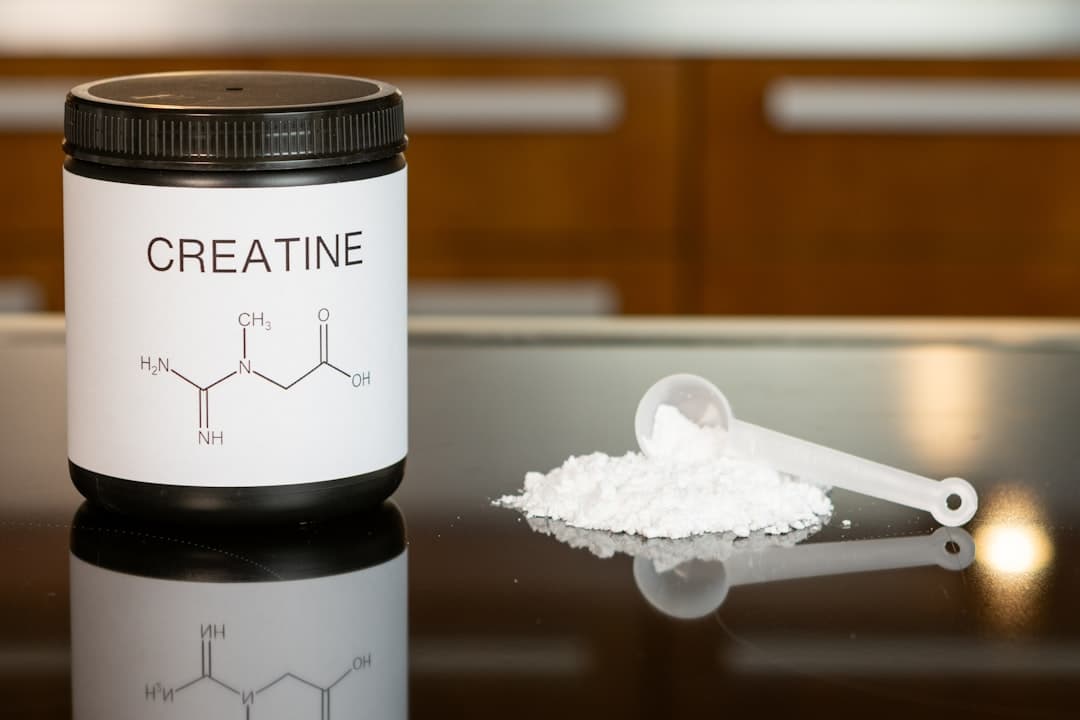
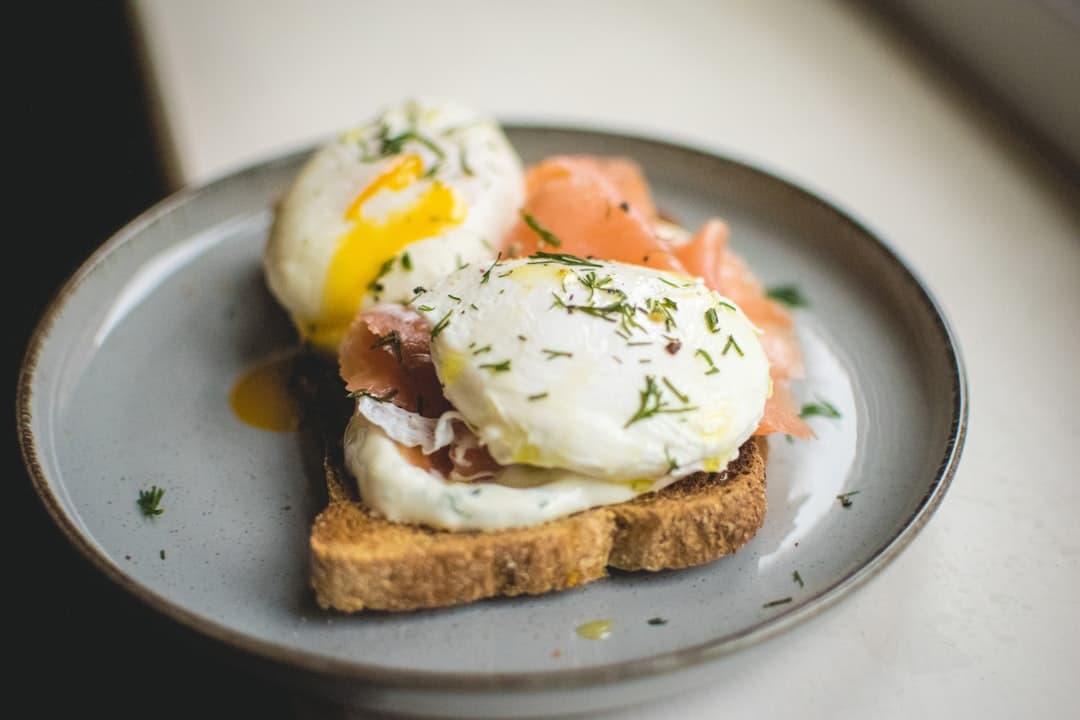
Start with protein as the anchor. Choose a protein you tolerate and can prepare quickly, such as eggs, Greek yogurt, cottage cheese, tofu scramble, or a protein smoothie. Many sports nutrition resources note that spreading protein across the day can support muscle protein synthesis, including guidance from the International Society of Sports NutritionTrusted Source.
Add a strength-friendly carbohydrate. Oats, fruit, potatoes, or whole grain bread can support training energy. If you have blood sugar concerns, ask a clinician or dietitian for individualized advice.
Include a “micronutrient signal.” Add color and minerals, berries, spinach, peppers, or nuts. This is not about perfection, it is about building a meal that looks like nourishment, not a snack.
Important: If you have diabetes, kidney disease, a history of disordered eating, or you are in cancer treatment, your best first meal may look different. Consider discussing protein targets and meal timing with your clinician or a registered dietitian.
Q: Do I have to eat early in the morning for this to work?
A: Not necessarily. The emphasis is on the first meal after your overnight fast, whenever that happens for you. If you train early, you may want that meal sooner, and if you take medications, meal timing should follow medical advice.
Health educator, MS
Key Takeaways
Frequently Asked Questions
- Is coffee and a muffin a bad breakfast for everyone?
- Not for everyone, but it is often low in protein and may not support strength-focused goals. If you have specific medical conditions or appetite issues, a clinician or dietitian can help tailor a first meal that works for you.
- What if I cannot eat much in the morning?
- A smaller first meal can still be intentional, for example yogurt, a smoothie, or eggs with fruit. If morning nausea, reflux, or medications affect eating, discuss timing and options with a healthcare professional.
Get Evidence-Based Health Tips
Join readers getting weekly insights on health, nutrition, and wellness. No spam, ever.
No spam. Unsubscribe anytime.