Brian Johnson’s Intense Morning Routine, Explained

Summary
Most longevity routines fail because they chase trendy hacks instead of building a measurable system. This video’s unique angle is that the routine is built like a performance program: measure daily, control the environment, then stack interventions that are judged by data. The morning starts at 4:30 a.m. with light exposure, body measurements, temperature, supplements, and a high-protein breakfast. Then comes training, a 20-minute 200°F sauna, red light, shockwave therapy, and a 90-minute hyperbaric oxygen session, followed by early, lighter eating to protect sleep. Not everything here is necessary or appropriate, but the “test and simplify” mindset is the main lesson.
🎯 Key Takeaways
- ✓The routine is framed as a system: daily measurement, clean inputs, then interventions that must “fight for their life” to stay.
- ✓Light exposure and early meal timing are treated as foundational levers for circadian rhythm and sleep, not optional extras.
- ✓Exercise is positioned as the core longevity tool, with strength, cardio, balance, and flexibility trained intentionally.
- ✓Heat exposure is specific: 20 minutes in a sauna at 200°F (93°C), followed by recovery-focused modalities like red and near-infrared light.
- ✓HBOT is presented as the highest-impact therapy in this protocol, but it is also the most medicalized and requires clinician oversight.
What most people get wrong about “longevity routines”
Most people treat longevity like a shopping list.
They collect gadgets, powders, and protocols, then hope the pile adds up to a longer life. The video’s perspective flips that logic: longevity is treated like an engineering problem, where you measure inputs and outputs, control the environment, and keep only what performs.
A defining line in this routine is the philosophy that “every calorie must fight for its life.” In other words, foods and supplements are not “healthy” because they sound healthy, they earn a spot by contributing to measurable goals like sleep quality, body composition, cardiovascular fitness, or lab markers.
That mindset also explains why the routine is described as “dramatically simplified” compared with earlier versions. The goal is not maximal biohacking, it is a streamlined set of habits that can be repeated daily and judged by data.
Pro Tip: If you copy anything from this routine, copy the method first. Pick 1 to 2 metrics you can track consistently (sleep timing, resting heart rate, weekly waist measurement, strength progression) before you add new interventions.
4:30 a.m. to 5:20 a.m., measure first, then set the clock
The morning starts at 4:30 a.m. with a sequence that is more “clinic plus lab” than “coffee plus scroll.” The first stop is the bathroom for measurement, then light exposure, then temperature.
Step 1: Body composition and hair protocol
A smart scale is used to track weight and body composition, including ratios of fat, muscle, bone, and water estimated via bioelectrical impedance. These devices can be useful for trends, but day-to-day readings can swing with hydration, salt, and recent exercise.
Hair care is treated like a targeted protocol: a genetics-tailored serum is applied at night, then a “custom 8 ingredient” serum is used in the morning, washed out shortly after with a peptide shampoo. A budget alternative is explicitly mentioned: 5% minoxidil applied daily.
A silicone scalp scrubber is used for gentle exfoliation and circulation, followed by a red light laser cap to “enhance absorption.” The video references a study claiming 25 minutes every other day for 16 weeks was associated with a 39% increase in hair growth. If you are considering minoxidil or laser devices, it is wise to discuss it with a dermatologist, especially if you have scalp irritation, pregnancy considerations, or underlying hair loss conditions.
Step 2: Light exposure to anchor circadian rhythm
Because waking happens before sunrise, a 10,000 lux light is turned on immediately to mimic daylight and signal “daytime” to the brain. This is framed as a practical solution for circadian rhythm alignment, especially for early wake times.
Morning light exposure is widely used in sleep medicine and may help regulate circadian timing in some people, including those with seasonal mood changes or delayed sleep schedules. Bright light therapy is discussed in clinical resources from the National Center for Complementary and Integrative HealthTrusted Source.
Important: Bright light therapy can trigger eye strain, headaches, or agitation in some people, and it may not be appropriate for certain eye conditions or bipolar disorder. If you have eye disease, take photosensitizing medications, or have a history of mania, check with a clinician before using high-intensity light devices.
Step 3: Temperature as a daily signal
An inner ear temperature check is used as a daily health indicator. The striking claim is that body temperature has dropped by almost 4°F over several years, and that lower basal body temperature may be helpful for longevity.
This is an intriguing idea, but it is also an area where interpretation matters. Body temperature varies by measurement site, time of day, illness, menstrual cycle, and device accuracy. If you notice a sustained, unexplained change in temperature, especially with fatigue, weight change, or cold intolerance, it is worth bringing to a healthcare professional rather than assuming it is a longevity win.
Supplements and breakfast: “every calorie must fight for its life”
By 5:20 a.m., the routine moves to the kitchen. The theme here is controlled inputs: filtered water, a consolidated supplement mix, and a repeatable breakfast.
Water, filtration, and the “clean inputs” idea
Water is filtered and remineralized using an under-counter reverse osmosis system, with the stated goal of reducing microplastics, heavy metals, and pharmaceutical residues. This highlights a broader point: the routine is not only about what you add, but also what you try to remove.
If you are curious about your local water quality, the most practical step is to review your municipality’s annual water report, then choose filtration based on what is actually present. For general context on contaminants and standards, see the US EPA drinking water informationTrusted Source.
A “longevity mix” instead of dozens of pills
A powdered mix replaces “about a dozen pills” and includes:
Additional morning supplements are mentioned, including “essential capsules,” “advanced antioxidants,” plus ashwagandha and rhodiola.
This is also where the video’s unique consumer critique shows up: sourcing is treated as a serious problem, and third-party lab results are framed as a minimum standard. That skepticism is reasonable. Supplements vary in quality, and independent verification can reduce (not eliminate) risks of contamination or label inaccuracy.
Did you know? In the US, dietary supplements are not approved like prescription drugs before they reach the market. Quality can differ by brand and batch, which is why looking for independent testing, such as USP or NSF programs, can be helpful. The FDA overview on supplements explains the regulatory basics: Dietary SupplementsTrusted Source.
Breakfast: protein, collagen, olive oil, berries
Breakfast is a blend of protein, collagen, and extra virgin olive oil, then topped with berries (strawberries, raspberries, blackberries, blueberries). The stated goals are skin and joint support, a complete amino acid profile, and high polyphenols to reduce oxidative stress.
A concrete target is given: 1.6 g of protein per kilogram (0.74 g per pound), equaling 130 g of protein per day for him. Protein targets can be individualized based on age, kidney function, activity level, and goals. If you have chronic kidney disease or other medical conditions, it is important to ask your clinician what range is appropriate.
Training plus heat: the routine’s highest value basics
At 5:35 a.m., the routine hits what is framed as the centerpiece.
“Exercise is meditation. Exercise is prayer.”
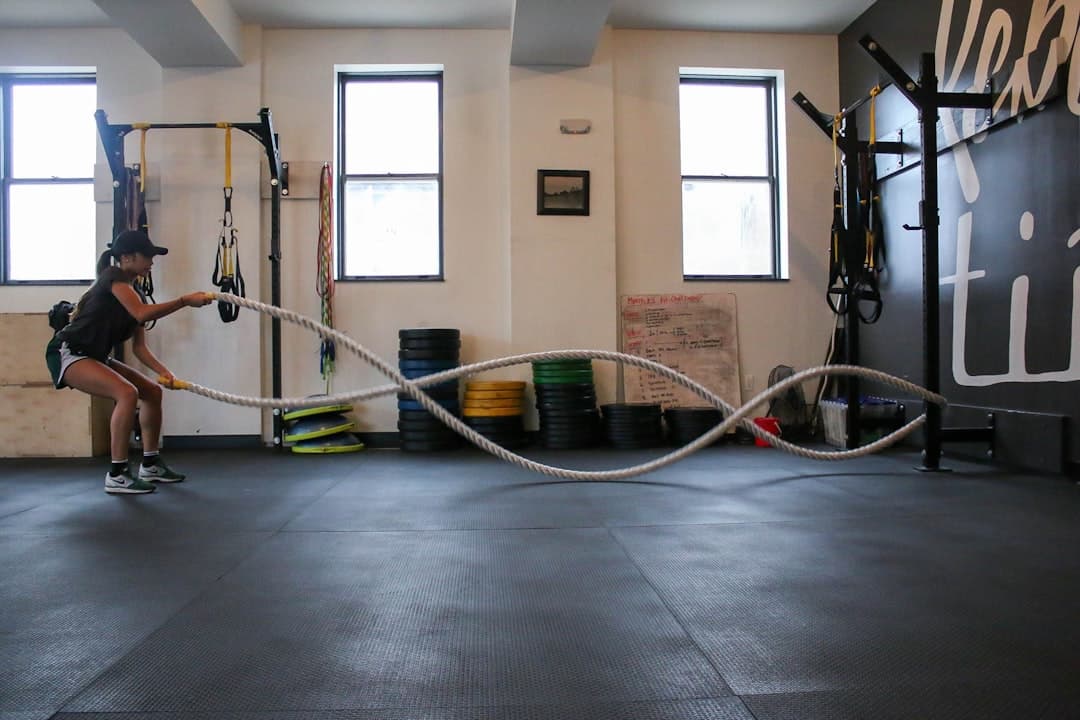
This is not presented as optional. The view here is that training is one of the best-supported longevity tools, and the rest of the stack builds around it.
The training plan emphasizes four domains:
Regular physical activity is consistently linked with better cardiometabolic health and lower all-cause mortality risk in population studies. For general guidance on recommended activity levels, see the World Health Organization physical activity guidelinesTrusted Source.
Sauna: specific dose, specific claim
Immediately after exercise comes the sauna, described as a “new favorite longevity tool.” The dose is specific: 20 minutes at 200°F (93°C).
Heat exposure is framed as improving heart health, metabolism, and inflammation, plus lowering toxins through sweating. Observational research has linked frequent sauna bathing with reduced cardiovascular and all-cause mortality risk in Finnish cohorts, although these studies cannot prove causation and may reflect lifestyle differences. A frequently cited example is the JAMA Internal Medicine cohort analysis: Sauna bathing and cardiovascular outcomesTrusted Source.
What the research shows: Sauna studies often find associations, not guarantees. If sauna use is safe for you, consistency may matter more than intensity.
A notable add-on is “strategically placing ice packs” on the genitals for contrast and cooling. If you experiment with cold exposure, avoid skin injury and numbness, and consider skipping this entirely if you have circulation issues, nerve problems, or fertility concerns.
Recovery stack: red light, shockwave, and the joint-first mindset
After heat, the routine pivots into recovery and tissue-focused therapies. This is where the protocol becomes less accessible for most people, but the underlying rationale is still useful: protect recovery so you can keep training.
Whole-body red and near-infrared light therapy follows the sauna, using panels with many emitters at specific wavelengths. The stated aims include skin health, reduced inflammation, faster recovery, and “cellular health.” Evidence for photobiomodulation is evolving, with some support for localized pain and inflammation outcomes, but optimal dosing and long-term benefits remain areas of active research.
Next is shockwave therapy for joints, described as proactive, whole-body, three sessions per week with 4,500 shocks per session. It is also described as painful, with the suggestion that pain is part of the goal.
Pain is not always a sign of benefit.
If you are considering shockwave therapy, it is worth discussing with a qualified clinician or physical therapist, especially if you have bleeding disorders, take anticoagulants, have neuropathy, or have an implanted device. Also ask what problem is being treated, what outcomes will be tracked, and how they will decide whether it is working.
The “strange” part: hyperbaric oxygen therapy and heavy testing
Two features make this routine stand out from typical wellness content: frequent testing and hyperbaric oxygen therapy (HBOT).
Environmental monitoring and at-home aging tests
The environment is treated like a health variable. Systems track carbon dioxide, temperature, humidity, airborne particles, and chemicals to keep air “as clean as possible.” For people with allergies, asthma, or poor sleep, indoor air quality can matter, but it is easy to overspend here. A practical first step is ventilation, humidity control, and a properly sized HEPA filter if needed.
Testing is frequent, including an at-home blood test to track “speed of aging.” A finger prick fills a blood spot card, which is said to estimate biological age and the health of 11 organ systems (heart, brain, liver, immune function, and more). The video cites a lowest “speed of aging” result of 0.48 and a best three-test average of 0.50, interpreted as aging about 50 percent slower than normal.
These tests can be motivating, but they can also create false certainty. Many “biological age” tools are still being validated, and results can shift with sleep, training load, illness, and lab variation. If you use them, treat them as trend data, not a diagnosis.
HBOT: the highest-claim intervention
The routine’s biggest claim is that HBOT is the most efficacious therapy used so far. The protocol shown is 90 minutes inside a chamber, described as “100% oxygen under high pressure,” while still being able to work because the chamber oxygen concentration is said to be 21 percent like the atmosphere.
A long list of benefits is claimed after 90 days, including telomere lengthening, reduced senescent cells, elimination of systemic inflammation, a reduced Alzheimer’s marker, microbiome rebuilding, and improved skin health.
HBOT is a real medical therapy with established uses (for example, certain non-healing wounds, radiation injury, decompression sickness), and it also has risks, including ear and sinus barotrauma and, rarely, oxygen toxicity. If you are considering HBOT for wellness or longevity, it should be done through a medical facility with appropriate screening and supervision. For a plain-language overview, see the Mayo Clinic HBOT descriptionTrusted Source.
Important: Do not use HBOT if you have untreated pneumothorax, and be cautious if you have lung disease, ear problems, or claustrophobia. Only a qualified clinician can tell you whether it is appropriate.
Meal timing as a sleep tool, and a simple “before vs after” plan
The routine ends the day’s eating early.
At around 11:00 a.m., the final meal is eaten, typically legumes, vegetables, nuts, seeds, berries, and extra virgin olive oil, such as a roasted vegetable bowl with lentils, zucchini, and cauliflower. The reason is not fat loss, it is sleep: finishing digestion well before an 8:30 p.m. bedtime is said to lower resting heart rate and “dramatically improve” sleep.
This framing is refreshingly practical. Instead of obsessing over one supplement, it asks you to watch a signal that is easy to feel and sometimes easy to measure, like overnight heart rate. Late, heavy meals can worsen reflux and sleep quality for some people, and earlier time-restricted eating patterns are being studied for metabolic effects, although ideal timing varies by person.
Before vs after: a realistic way to borrow the idea
Here is a grounded comparison that keeps the spirit of the routine without copying the entire lab-and-chamber lifestyle.
Resource Callout »MORE: Create a one-page “routine scoreboard.” List your daily anchors (wake time, morning light, exercise, last meal time) and one outcome metric (sleep quality, resting HR, energy). Review weekly and simplify.
How to try the “eat earlier and lighter” lever
Pick a target last-meal time you can repeat. Many people start with finishing dinner 2 to 3 hours before bed. Consistency matters more than perfection.
Make the last meal lower in heaviness, not just smaller. For some, that means fewer fried foods and less alcohol, for others it means reducing very high-fat or very spicy meals that trigger reflux.
Track one sleep-related signal for 14 days. You can use a wearable metric (overnight resting heart rate) or a simple note (time to fall asleep, awakenings, morning grogginess). If you have diabetes or take glucose-lowering medications, talk with your clinician before changing meal timing.
Key Takeaways
Frequently Asked Questions
- Is a 10,000 lux light box safe to use every morning?
- Many people use bright light therapy safely, but it can cause headaches, eye strain, or agitation in some individuals. If you have an eye condition, take photosensitizing medications, or have bipolar disorder, it is best to ask a clinician before starting.
- Do I need 130 grams of protein per day to support healthy aging?
- Protein needs vary by body size, age, activity level, and medical history. The video’s target is 1.6 g/kg for one individual, but if you have kidney disease or other conditions, your clinician can help you choose a safer range.
- Is sauna use at 200°F for 20 minutes appropriate for everyone?
- Not necessarily. Heat exposure can be risky if you have heart disease, low blood pressure, are pregnant, or are prone to fainting or dehydration, so it is wise to check with a healthcare professional and start with lower heat and shorter sessions.
- Does hyperbaric oxygen therapy slow aging?
- HBOT is a legitimate medical therapy for certain conditions, but its role in longevity is still uncertain and not established as a standard anti-aging treatment. Because it has real risks and requires medical screening, it should only be pursued through qualified medical care.
Get Evidence-Based Health Tips
Join readers getting weekly insights on health, nutrition, and wellness. No spam, ever.
No spam. Unsubscribe anytime.