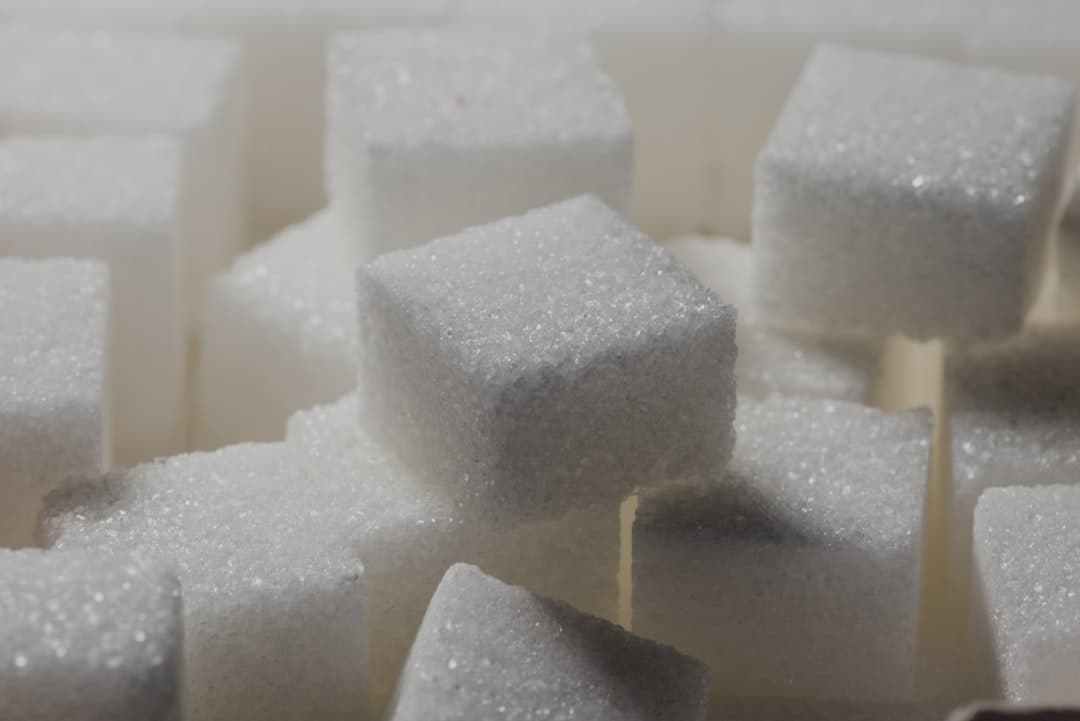
Only Water for 100 Hours, Blood Sugar and Body Changes

Summary
A 100-hour water fast, a little over 4 days, is framed as a sweet spot where many people may get most of the benefits of longer fasts. The timeline moves from glycogen use (day 1) to rising ketones (day 2) to deep ketosis and peak autophagy signals (day 3), then more repair-focused processes (day 4). The discussion emphasizes insulin lowering, improved insulin sensitivity, brain fuel shifting from glucose to ketones, and possible immune and gut effects. Electrolyte balance, especially sodium, is highlighted as the biggest practical issue to plan for.

A 100-hour water fast can drop blood glucose by roughly 30 to 40% while many people still report stable, even improved, mental performance.
That surprising combination is the core story here: the body can lower glucose and insulin, shift to fat-derived fuels, and keep the brain running, at least for a period of time, by changing which fuels and hormones are in charge.
This article follows the video’s day-by-day framing of a 100-hour, water-only fast (about 4 days). The emphasis is on blood sugar and diabetes-related physiology, especially insulin, glucagon, cortisol, ketones, and how symptoms often evolve as metabolism shifts.
Important: Multi-day fasting is not appropriate for everyone. If you have diabetes, take glucose-lowering medications, have a history of eating disorders, are pregnant, or have other medical conditions, it is wise to talk with a clinician before attempting a prolonged fast. Sudden medication mismatches during fasting can be dangerous.
Why 100 hours, the 4-day “sweet spot” for fasting benefits
The central claim is that about 4 days is long enough to reach many of the headline fasting milestones without needing to go into very long fast territory.
This framing matters because it challenges a common assumption: that “real” fasting benefits only happen with extreme durations. Here, the argument is that once you push beyond 24 hours and reach roughly 72 to 100 hours, you have already accessed a large portion of the metabolic and cellular changes people chase with longer fasts.
The benefits emphasized in the discussion include:
The tone is also practical: most people can tolerate four days “very safely” if they do not have health problems, but discomfort and risks often come down to electrolytes.
Did you know? The body’s switch from glucose-heavy fuel use to fat-heavy fuel use is not an on-off flip. It is a sliding scale. This is one reason two people can have very different fasting experiences even if they fast the same number of hours.
Day 1 (0 to 24 hours), glycogen depletion and the insulin drop
Day 1 is labeled the glycogen depletion phase.
Glycogen is stored carbohydrate. The key point is location: muscles store lots of glycogen, but that muscle glycogen is “earmarked” for the muscles, it is not released to maintain blood glucose. The liver’s glycogen is the important buffer for blood sugar early in a fast.
A useful nuance from the video is that you are not using 100% carbohydrate at the start. Even early on, energy use is described as closer to a mixed-fuel state, roughly 50% glucose and 50% fat, then gradually shifting toward more fat as liver glycogen declines.
The hormone trio that drives the early shift
Three hormones are highlighted as major movers:
This insulin drop is treated as a central benefit for people worried about insulin resistance and type 2 diabetes. The argument is straightforward: chronically high insulin contributes to insulin resistance and fat storage, so lowering insulin is positioned as a foundational metabolic reset.
Research generally supports the idea that reducing carbohydrate intake and weight loss can improve insulin sensitivity in many people, and that fasting can lower insulin levels, although responses vary and medication context matters. For background on insulin resistance and type 2 diabetes physiology, see the National Institute of Diabetes and Digestive and Kidney Diseases (NIDDK)Trusted Source.
Autophagy begins to ramp up
Autophagy, autophagy meaning “self-eating,” is framed as a major reason people fast.
The logic presented is resource-based: when no new building blocks arrive, the body treats existing materials as precious. Fat reserves cover energy, but protein and cellular components become valuable. So the body increases recycling and cleanup, breaking down worn-out proteins and dysfunctional cells and reusing the parts.
This is also linked to immunity and cancer prevention in the discussion. Autophagy is a real biological process, and researchers describe it as a cellular recycling system that can help remove damaged components. For a high-level overview, see the National Cancer Institute’s dictionary entry on autophagyTrusted Source.
What day 1 often feels like
Day 1 is portrayed as the hardest day for many people.
Hunger and cravings are expected, and symptoms like fatigue, lightheadedness, mood swings, and headaches are described as common during the metabolic transition. The key idea is that the body is switching pathways, and some people feel the “relearning” period more intensely than others.
Pro Tip: If you are considering a multi-day fast, planning for electrolytes before symptoms start is often easier than trying to fix dizziness after it appears.
Day 2 (24 to 48 hours), ketosis ramps up and the brain fuel shift begins
Day 2 is labeled the ketosis phase.
Ketosis may begin late on day 1, but day 2 is where it “ramps up.” With liver glycogen mostly depleted, the body becomes much better at using fat. From this point, energy use is described as roughly 90 to 95% from fat.
The brain is treated differently than the rest of the body. In the fed state, the brain relies heavily on glucose. During fasting, the brain gradually uses a mix of glucose and ketones, and the ketone share rises as the fast continues.
Growth hormone and BDNF, a brain-and-muscle storyline
Two signals are emphasized:
This is a distinctive angle: fasting is not only framed as weight-related, it is framed as a state that may support brain adaptability.
Research does suggest that ketones and fasting-related metabolic states can influence signaling pathways in the brain, and BDNF is widely recognized as important for synaptic plasticity. For a readable overview of BDNF’s role in the nervous system, see the NCBI Bookshelf discussion of BDNFTrusted Source.
Hunger shifts, not always in the direction you expect
A key claim is that the hunger hormone ghrelin (pronounced “greh-lin,” called “gin” in the transcript) rises on day 1 when eating stops, then trends down on day 2 as the body stops pushing hunger as aggressively.
This is one reason many people find day 2 more tolerable than day 1, even though they have gone longer without food.
Some people also notice mild coldness in hands and feet. The explanation offered is mild, temporary energy conservation. This is separated from the idea of “ruining metabolism,” which is argued to be unlikely in a 4-day fast for most people.
Day 3 (48 to 72 hours), deep ketosis, peak autophagy signaling, immune reset
Day 3 is portrayed as a turning point.
This is “full ketosis” plus deeper autophagy. For many fasters, this is when hunger is minimal and mental clarity is noticeably better.
The triglyceride detail that supports the muscle-sparing argument
One of the most distinctive, mechanism-heavy parts of the video is the explanation of how stored body fat can support blood glucose needs.
Body fat is stored as triglycerides. A triglyceride has a glycerol backbone plus three fatty acids. The fatty acids can be used for energy and can be turned into ketones. The glycerol portion is the key twist: glycerol has three carbons, glucose has six, so two glycerol units can be combined to make one glucose molecule.
The claim is that roughly 5% of stored triglyceride mass can contribute to glucose production through glycerol, while 95% becomes fatty acids.
This is used to explain why humans can often fast with relatively little muscle breakdown in the first several days. The brain can run increasingly on ketones, and the body can still make some glucose from glycerol for tissues that require it.
For background on gluconeogenesis and fuel use during fasting, see the overview of metabolic adaptation in fasting from the NCBI Bookshelf chapter on fasting physiologyTrusted Source.
Brain fuel percentages across the fast
The day-by-day brain fuel shift is described in approximate steps:
This is paired with the idea that ketones “burn cleaner,” potentially reducing oxidative stress and inflammation in the brain, which is used to explain improved focus.
Autophagy, peak and then shift
Autophagy is described as peaking around 48 to 72 hours. The nuance is important: “peak” does not mean it stops, it means the recycling intensity is highest, then the emphasis shifts more toward repair and rejuvenation.
Inflammation markers are described as dropping, including inflammatory cytokines. An “immune reset” is described as recycling old white blood cells and producing new ones.
What the research shows: In humans, fasting and fasting-mimicking diets have been studied for effects on immune cell dynamics and inflammation, but outcomes depend on duration, baseline health, and diet before and after. A well-known line of research has explored immune-related changes during prolonged fasting and refeeding, summarized in academic reviews such as those indexed by the NIHTrusted Source.
Day 3 experience clues, fruity breath and the glucose-ketone index
Two practical observations are highlighted:
If someone is measuring at home, it is worth remembering that home meters have variability, and interpreting numbers is especially important for anyone with diabetes.
Day 4 (72 to 100 hours), more repair, stem cell talk, and calm energy
Day 4 is framed as “less peak autophagy, more repair.”
Autophagy is said to slow a bit after its 48 to 72 hour high point, while repair processes become more prominent.
Stem cells are emphasized here. The idea is that increased stem cell activity supports regeneration and deeper tissue healing. The immune system is again described as rejuvenated, with older white blood cells replaced by newer ones.
Gut healing is highlighted as a specific target. The discussion mentions intestinal lining issues and “leaky gut” language, framing fasting as a period that may support restoration.
One nutrient is singled out: zinc L-carnosine, described as supporting gut repair and immune function. Research has examined zinc carnosine (often called polaprezinc) for gastric and mucosal support in certain contexts. For an overview of zinc’s role in immune function and general health, see the NIH Office of Dietary Supplements zinc fact sheetTrusted Source.
Sirtuins, DNA repair, and longevity language
Day 4 is also linked with “sirtuin gene activation,” described as supporting DNA repair and longevity.
Sirtuins are real proteins involved in cellular regulation and stress responses, and they have been studied in aging biology. The practical takeaway is not that fasting guarantees longevity, but that fasting is framed as a controlled stress that may activate repair-oriented pathways.
For a primer on sirtuins and aging biology, see the National Institute on Aging discussion of biological pathways in agingTrusted Source.
Many people who reach day 4 report very little hunger and a steady mood, sometimes described as deep calm or mild euphoria.
Pain and joint inflammation are also mentioned as commonly improving by this point, with people noticing less knee, shoulder, or back pain.
Blood sugar mechanics, why glucose can fall yet you can feel okay
The blood sugar story in this 100-hour fast is not “glucose crashes and you pass out.” It is “glucose trends down, and the body uses backups.”
A specific numeric example is given: someone might start around 90 to 100 mg/dL and drift down to 50 to 60 mg/dL after 3 to 4 days. That is a large drop, and it is one reason people on glucose-lowering medications need medical guidance.
Still, the argument is that many people can maintain stable brain function because the brain increasingly uses ketones.
Why some tissues still need glucose
Even in deep ketosis, glucose is not optional for every cell.
Red blood cells, for example, lack mitochondria and rely heavily on glucose metabolism. So the body maintains a baseline glucose supply through glycogen early on and gluconeogenesis later. In this perspective, glycerol from triglycerides is a major contributor, and cortisol-driven gluconeogenesis from amino acids is described as present but not dominant in the first several days.
This is also where the muscle-preservation storyline fits. If ketones supply more brain fuel and glycerol supplies some glucose, the body can reduce the need to break down muscle protein for glucose.
For readers who want a mainstream overview of ketones and their role, the Cleveland Clinic explanation of ketosisTrusted Source is a helpful starting point.
Common symptoms across the 100 hours and what may be behind them
Symptoms are not treated as “failure.” They are treated as signals.
Some are metabolic transition effects, some are hydration and electrolyte effects, and some can be warning signs that a fast is not going well for you.
Here are the symptoms emphasized across the timeline, with the mechanisms suggested in the video.
A small but practical detail is that some people interpret “I feel off” as “I need food,” when it may actually be “I need electrolytes.” That distinction is central to the video’s risk-management approach.
Resource Callout: Want a simple tracking sheet? Create a one-page log with morning and evening entries for symptoms, resting heart rate, standing dizziness, water intake, and any electrolytes used. Patterns often show up by day 2.
Risks and who should be extra cautious with multi-day fasting
The biggest risk emphasized is electrolyte imbalance.
When you stop eating, you stop getting sodium and other minerals from food. Sodium is described as the most sensitive, flushed out early, and low sodium can contribute to dizziness, fatigue, cramps, and palpitations.
Orthostatic hypotension is specifically mentioned: blood pressure drops when you stand up, making you lightheaded or even causing fainting. Two contributors are suggested: adrenal response and low fluid volume related to electrolyte loss.
Muscle loss, when it is more likely
The discussion argues humans are unusually good at fasting compared with many animals because humans can run the brain on ketones to a significant degree.
Still, muscle breakdown risk is not zero. Two situations are highlighted:
This is one reason the video suggests repeating a 100-hour fast periodically (for example, every couple of months) rather than pushing to a much longer fast.
Important: If you have diabetes, especially if you use insulin or sulfonylureas, fasting can raise the risk of hypoglycemia. The American Diabetes Association guidance on hypoglycemiaTrusted Source is a useful safety reference to review with your clinician.
How to prepare and make a 100-hour water fast more tolerable
This section is where the video becomes most actionable. The goal is not to “tough it out,” it is to reduce avoidable friction.
Preparation, the “fat adapted” strategy
The first strategy is to become more fat adapted before the fast.
The simplest approach suggested is eating a low-carb diet for 3 to 4 days beforehand. A concrete target is given: less than 50 grams, or even less than 30 grams of net carbs per day.
The reasoning is mechanical. If you are already using mostly fat at baseline, the shift during day 1 is smaller. Glycogen lasts longer, ketosis arrives sooner, and the transition is smoother.
Electrolytes, the practical cornerstone
The most emphasized tactic for fasting over 24 hours is electrolyte supplementation.
The minerals listed, in priority order:
A specific product is mentioned in the video, a fasting electrolyte powder designed with these minerals plus trace minerals. The dosing described is:
Because supplements vary widely, it is smart to read labels carefully and discuss electrolyte strategies with a clinician if you have kidney disease, heart failure, uncontrolled high blood pressure, or take medications that affect potassium or sodium balance.
For evidence-based background on electrolyte roles and safe intake ranges, see the NIH Office of Dietary Supplements magnesium fact sheetTrusted Source and the NIH potassium fact sheetTrusted Source.
A step-by-step approach that matches the 100-hour plan
Taper carbs for 3 to 4 days before the fast. Aim for under 50 g, or under 30 g net carbs, to reduce the day 1 shock. Keep protein and healthy fats steady so you do not start the fast already depleted.
Plan electrolytes from hour 0, not hour 48. Many people wait until dizziness hits. The practical lesson here is that prevention is easier than correction, especially for sodium.
Use symptoms as feedback, not a scoreboard. If you feel unwell, the rule offered is simple: try salt or electrolytes first. If you still do not feel better, consider ending the fast and trying again later with better preparation.
Refeed thoughtfully. The transcript does not detail refeeding, but it is a major safety and comfort factor after multi-day fasting. Many clinicians advise restarting with smaller, gentle meals and monitoring how you feel, especially if you have diabetes.
Expert Q&A
Q: Is it normal to feel dizzy on day 3 of a water fast?
A: It can happen, and in this 100-hour framework dizziness is often linked to electrolytes and blood pressure changes, especially when standing up. If dizziness is persistent, severe, or comes with palpitations, confusion, chest pain, or fainting, it is a reason to stop fasting and seek medical advice.
Health Educator, MPH
Expert Q&A
Q: Does a 4-day fast automatically cause muscle loss?
A: This perspective argues that ketones and rising growth hormone help preserve muscle during the first several days, and that glycerol from stored triglycerides can support some glucose needs. Still, individual risk varies, especially if you are very lean, older, or have medical conditions, so it is reasonable to get personalized guidance.
Health Writer, MS
Key Takeaways
Frequently Asked Questions
- How much can blood sugar drop during a 100-hour water fast?
- In the video’s example, blood glucose may fall about 30 to 40%, such as from around 90 to 100 mg/dL down to about 50 to 60 mg/dL by day 3 to 4. If you take diabetes medications, this kind of drop can be risky, so clinician guidance is important.
- When does ketosis usually start in a multi-day fast?
- Ketosis may begin toward the end of day 1, then ramps up during day 2 as liver glycogen runs low. People who are already eating low carb often enter ketosis sooner than those coming from a high-carb diet.
- Why do some people feel mentally clearer on day 2 or 3?
- The explanation given is that ketones rise and become a major brain fuel, and ketones are described as a cleaner-burning fuel with less oxidative stress. Stress hormones like adrenaline and cortisol may also increase alertness in some people.
- What is the most common issue during a 4-day water fast?
- Electrolyte imbalance is emphasized as the biggest problem, particularly sodium loss. Dizziness, cramps, fatigue, and palpitations can be signs that electrolytes and blood pressure regulation are not keeping up.
- Does fasting increase autophagy right away?
- Autophagy is described as starting to ramp up toward the end of day 1, accelerating through day 2, and peaking around 48 to 72 hours. After that peak, the focus is described as shifting more toward repair and rejuvenation.
Get Evidence-Based Health Tips
Join readers getting weekly insights on health, nutrition, and wellness. No spam, ever.
No spam. Unsubscribe anytime.