10 Kidney-Harming Foods, and What to Eat Instead
Summary
Kidney damage can creep up quietly, and this video’s perspective is that the biggest threats are not just salt or diabetes, but modern processed foods and additives that create chemical, inflammatory, or crystal-forming stress. The list runs from high-sodium packaged foods to artificial sweeteners, phosphate additives, seed oils, and sugar, especially fructose. A key nuance is that salt itself is not the only issue, it is sodium without potassium. Another is that protein is not automatically harmful, except in extreme or high-risk situations. Below is a practical, step-by-step guide to the video’s top 10, why they matter, and realistic swaps.
🎯 Key Takeaways
- ✓The sodium problem is often sodium without potassium, common in packaged foods, not salt on real food paired with potassium-rich plants.
- ✓Sugar, especially fructose, is framed as the top kidney stressor because it can raise uric acid, which may contribute to crystals and kidney scarring.
- ✓Green smoothies can be a surprise risk if they are spinach-heavy daily, due to oxalate load and stone-forming potential in susceptible people.
- ✓Protein is not automatically kidney-damaging, processed meats are the bigger concern due to phosphate preservatives, nitrates, and other compounds.
- ✓NSAIDs are included because they can reduce kidney blood flow, which can be risky with frequent use or dehydration.
Why “kidney-safe eating” feels confusing
If you have ever tried to “eat for your kidneys,” you have probably run into a frustrating problem: the advice sounds overly simple.
People say “avoid salt” or “avoid protein,” but real life is messier. You still need to eat, you still want food to taste good, and you may not even feel anything wrong because kidney stress can build quietly.
This video’s unique framing is that kidney damage is not only about classic villains like salt and diabetes. The argument is that kidneys are “silently attacked” by modern foods and additives that clog, inflame, and chemically irritate kidney tissue, with harm accumulating slowly and often without pain.
That perspective leads to a practical question: if the issue is not just one nutrient, what patterns in the food supply create the most kidney workload?
A quick kidney refresher: what gets kidneys into trouble
Your kidneys are filtration and balancing organs. They filter waste products, help regulate fluid levels, and help manage electrolyte balance.
One detail highlighted in the video is how hard-working kidneys are from a blood-flow standpoint. They are about 1 percent of body weight, yet they receive roughly 20 percent of the heart’s output. That constant high-throughput workload is part of why anything that increases “filtering stress” can matter.
From the video’s viewpoint, kidney strain tends to come from a few repeat themes:
Did you know? Chronic kidney disease is common and often underdiagnosed. The CDC estimates that about 1 in 7 U.S. adultsTrusted Source have CKD, and many do not know it.
This does not mean every person needs a strict “kidney diet.” It does mean that long-term dietary patterns can matter, especially if you have high blood pressure, diabetes, recurrent kidney stones, or reduced kidney function. If any of those apply, it is wise to review changes with your clinician or a renal dietitian.
The video’s Top 10 foods that strain kidneys (and the trade-offs)
The list below follows the video’s reverse countdown from 10 to 1. The goal is not to label foods as morally “bad,” but to clarify why certain modern products may be harder on kidneys, and what a realistic alternative could look like.
10) High-sodium packaged and fast foods
This category includes canned soups, frozen meals, TV dinners, and fast food.
The key nuance is that the concern is not simply “salt is evil.” The argument is that processed foods often deliver a lot of sodium without potassium, and that imbalance makes sodium a bigger burden. The kidneys then have to work harder, fluid retention can rise, blood pressure may increase, and tiny kidney blood vessels can take more friction-related stress.
Trade-off to consider: if you remove all salt but keep eating packaged foods, you may still be missing potassium-rich whole foods that help balance electrolytes.
Practical swap: choose mostly whole foods, then salt them to taste, especially alongside potassium-rich plants like leafy greens and non-starchy vegetables.
9) Coffee creamers (non-dairy “chemical” creamers)
This is a surprisingly specific callout.
The point made is that many coffee creamers contain little to no real cream. Instead, they can include additives like emulsifiers, artificial colors and flavors, and compounds such as titanium dioxide. The video frames long-term use as potentially contributing to “leaky kidney membranes” and structural interference in kidney tissue, with a possible downstream sign being protein in the urine.
Trade-off: many people rely on creamer to make coffee tolerable. Removing it can reduce coffee enjoyment, which can backfire.
Practical swap options:
8) Alcohol (especially when combined with sugar or additives)
Alcohol is positioned as harmful mainly through dehydration and toxic load, which can increase kidney workload because there is less fluid available for filtration.
A key mechanism emphasized is uric acid formation. Uric acid is described as sharp, glass-like crystals that can irritate tissues and contribute to kidney stones. Kidneys must clear uric acid, so anything that increases it can increase kidney burden.
The video also stresses a trade-off: “pure” alcohol in moderation is framed as less concerning than mixed drinks. Combine alcohol with sugar (especially fructose), artificial sweeteners, or additives, and the kidney burden may rise.
Important: If you have kidney disease, gout, recurrent kidney stones, liver disease, or take medications that interact with alcohol, ask your clinician what amount is safe for you, if any.
7) Green smoothies (when they become an oxalate overload)
This is the big surprise in the list.
Green smoothies are often viewed as peak health, but the video highlights a specific risk: many smoothies are built around high-oxalate ingredients like spinach, almonds, and beets. In large daily doses, that can create an oxalate overload, increasing the chance of oxalate crystals and kidney stones in susceptible people.
Trade-off: many people feel better on smoothies because they increase vegetable intake. The issue is not “greens are bad,” it is the dose and the ingredient pattern.
Practical swap: rotate greens (for example, not spinach every day), vary ingredients, and consider pairing with calcium-containing foods if appropriate for you.
6) Artificial sweeteners (aspartame, sucralose, acesulfame potassium)
This section is blunt in the video: artificial sweeteners are described as a “really bad idea” for kidneys.
Three are named:
Trade-off: some people use diet drinks to reduce sugar. From this perspective, switching from sugar to artificial sweeteners may not be the kidney-friendly upgrade people hope for.
What research can add here: safety debates vary by sweetener and dose, and regulatory agencies consider approved sweeteners safe within acceptable daily intake. Still, some observational research links high intake of artificially sweetened beverages with health risks, and the video’s stance is clearly cautious. If you use these daily, consider discussing alternatives with a clinician, especially if you have kidney concerns.
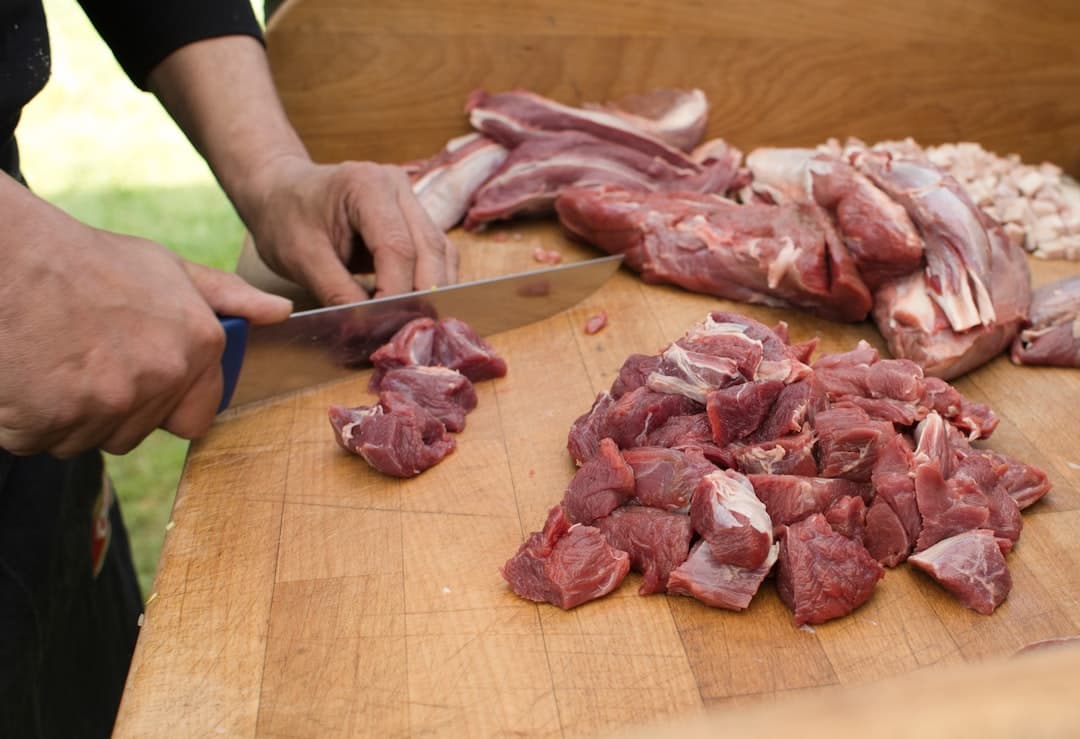
5) Processed meat (not protein itself)
This is one of the most important distinctions in the video.
The argument is that protein itself is not automatically bad for kidneys. Protein creates nitrogen waste, and kidneys filter nitrogen-containing waste products. But in the video’s view, normal amounts of protein from “real meat” are not inherently damaging.
The exception given is extreme intake of very lean protein without enough fat or carbohydrate, described as “rabbit starvation,” for example eating 300 to 400 grams of protein with basically nothing else. That extreme can create an overwhelming nitrogen load.
So why are processed meats singled out? Because they add extra kidney stressors, including:
The video frames these as increasing acid load, calcification, and scarring.
What research supports: processed meat intake is associated with higher chronic disease risk overall, and dietary patterns emphasizing minimally processed foods are widely recommended. If you have CKD, many guidelines advise individualized protein targets and limiting certain additives. For CKD nutrition basics, the National Kidney Foundation offers patient-friendly guidance on diet and kidney diseaseTrusted Source.
4) Phosphate-laden processed foods
Phosphate is not painted as “evil.” It is essential, and phosphate plus calcium are major bone minerals.
The concern here is inorganic phosphate additives in processed foods like processed cheese slices, sodas, frozen meals, and fast food. The video argues that phosphate additives are absorbed at about 90 percent, while naturally occurring phosphates in whole foods may be absorbed around 30 to 40 percent.
That high absorption can create overload and imbalance, contributing to phosphate accumulation in soft tissues such as kidneys and arteries. The video uses the term renal osteodystrophy (kidney-related bone and mineral disorder) to describe how kidney dysfunction and mineral imbalance can lead to abnormal calcification patterns.
What research supports: phosphate additives are a recognized issue in kidney disease management, and many renal nutrition plans emphasize limiting foods with “PHOS” additives. The National Kidney Foundation discusses phosphorus management and food choices in kidney disease education materials, including phosphorus and CKDTrusted Source.
3) NSAIDs (ibuprofen, naproxen) as a kidney stressor
This is not food, but it is included for a reason.
The video explains that NSAIDs block prostaglandins, chemical messengers that help maintain kidney blood flow. When prostaglandins are blocked, kidney blood flow can decrease. The kidneys still have the same workload, but with less oxygen delivery, which can increase injury risk.
Occasional use may be fine for many people, but frequent use, dehydration, older age, or existing kidney disease can raise risk. For a research-backed overview, the National Kidney Foundation explains how pain medicines like NSAIDs can harm kidneysTrusted Source.
Pro Tip: If you need an over-the-counter pain reliever often, treat that as a signal to check in with a clinician. Recurrent pain has a cause, and frequent NSAID use can be risky for some people.
2) Seed oils (industrial processing and oxidized byproducts)
Seed oils are framed as harmful mainly because of processing.
The video describes common store “vegetable oils” such as corn, canola, and soybean oil as being extracted with high heat, high pressure, and sometimes solvents. This processing can oxidize fats and create byproducts like aldehydes, which are described as directly toxic to kidney cells.
The specific kidney structures mentioned are the glomeruli (the tiny filtering units) and tubules, with claims of scarring and membrane degradation over time.
Trade-off: seed oils are everywhere, especially in restaurant and packaged foods. Avoiding them often means cooking more at home.
Practical swaps can include using less processed fats for cooking, depending on your dietary needs and clinician guidance.
1) Sugar (especially fructose) as the top kidney threat
The number one spot is unequivocal: sugar and its derivatives.
This includes sweetened drinks, candy, sweet coffee drinks, cookies, cakes, desserts, and sweeteners like high fructose corn syrup. The video also calls out “health halo” sweeteners like agave, which can be very high in fructose, and notes that honey is also fructose-rich. The framing is dose-dependent, a teaspoon of honey in a metabolically healthy person is different from a high-sugar daily pattern.
The most distinctive mechanism in the video is the focus on fructose and uric acid. Fructose is processed primarily by the liver, and the video argues that fructose metabolism uses up ATP (the body’s energy currency), leading to ATP breakdown and increased uric acid production. Uric acid is then framed as one of the most damaging kidney stressors because it can form sharp crystals, contribute to stones, and drive scarring.
What research supports: high intake of sugar-sweetened beverages is linked to metabolic disease risk, and CKD risk is higher in people with diabetes and hypertension. The CDC notes diabetes and high blood pressure as leading causes of CKD and highlights prevention strategies in its CKD informationTrusted Source.
The salt nuance: sodium is not the whole story
Salt advice is where many people get stuck.
This video’s stance is that you should not automatically fear salt. The key problem is often high sodium in processed foods with very little potassium.
That is a different message than “never salt your food.” It is more like: do not let packaged food be your electrolyte strategy.
Here is a practical way to apply the trade-off thinking:
What the research shows: Blood pressure control is one of the most important kidney-protective strategies. Managing sodium intake is a standard recommendation for hypertension, and hypertension is a major CKD risk factor. The CDC summarizes the kidney connection in its CKD prevention guidanceTrusted Source.
The “healthy” smoothie trap: oxalates and kidney stones
Green smoothies can be helpful. They can also be repetitive.
The risk described is not “one spinach smoothie.” It is the habit of loading large amounts of spinach, almonds, and beets into a daily drink, then assuming it is automatically kidney-protective.
Why oxalates can become a problem
Oxalates are natural compounds in many plant foods. The video’s explanation is that oxalates become an issue when they are absorbed into the bloodstream and then form crystals that can end up in the kidneys.
This perspective highlights three “control points” that affect whether oxalates become a problem:
Then come the practical risk multipliers mentioned: low stomach acid (which can impair mineral utilization), mineral deficiency, weak microbiome diversity, leaky gut, dehydration, and constipation.
A more kidney-aware smoothie approach
You do not necessarily need to quit smoothies. You may need to build them differently.
Q: Should everyone avoid spinach because of kidney stones?
A: Not necessarily. Many people tolerate oxalate-containing foods without issues, and kidney stone risk depends on multiple factors such as hydration, genetics, gut health, and overall diet pattern. If you have a history of calcium oxalate stones, ask a clinician or dietitian about an individualized oxalate plan.
Jordan Patel, RD (Registered Dietitian)
For stone prevention in general, the National Kidney Foundation provides an overview of kidney stones and dietTrusted Source, including hydration and dietary considerations.
»MORE: Want a simple label-reading checklist? Create a one-page “kidney stress scan” for your pantry: circle added sugars, “PHOS” ingredients (phosphate additives), and sweeteners like sucralose or acesulfame potassium, then prioritize replacing the top 3 items you buy most.
Protein vs processed meat: the distinction that matters
It is easy to hear “protein is bad for kidneys” and panic.
This video takes a more nuanced position: protein creates nitrogen waste, but that does not automatically mean protein damages kidneys. The kidneys filter nitrogen-containing waste products, and in most people, reasonable protein intake is compatible with health.
The bigger issue raised is context.
When protein might become a burden
The “rabbit starvation” example is an extreme case of very high lean protein with little else, described as 300 to 400 grams of protein with basically no balancing energy sources. That could create a very high nitrogen load.
The video also notes that if someone already has kidney problems, is dehydrated, or has metabolic disease, they may not handle higher protein as well. In those situations, pulling back could be reasonable, but that decision should be individualized.
For people with diagnosed CKD, protein targets are often tailored by stage and labs. The National Kidney Foundation outlines common approaches to protein and CKD nutritionTrusted Source.
Why processed meats are singled out
Processed meats are framed as a “stacking” problem. You get protein plus preservatives and compounds that can increase acid load and calcification risk.
If you want a simple rule that matches the video’s logic, it is this: choose protein sources that look like food, not like shelf-stable chemistry.
A practical kidney-friendlier swap plan (simple steps)
You do not need to overhaul everything in one week.
This approach works better when you reduce the biggest stressors first, then make smaller upgrades that stick.
Step 1: Remove the top two “stealth” drivers
Cut sweetened drinks and sweet coffee drinks first. Liquid sugar is easy to overconsume, and the video’s main kidney concern is fructose-driven uric acid. Try unsweetened coffee or tea, sparkling water, or gradually reduce sweetener.
Reduce ultra-processed meals that combine sodium plus phosphate additives. Frozen meals, fast food, processed cheese slices, and packaged soups are common sources. Aim for a simple dinner template a few nights a week, such as a protein, a vegetable, and a starch you tolerate.
Step 2: Make your “daily defaults” safer
Step 3: Address the stone-prone pattern (if it applies)
If you have had kidney stones, or if you are doing spinach-heavy smoothies daily, focus here.
Important: If you have diagnosed kidney disease, do not increase potassium, magnesium, or citrate supplements without medical advice. Some people with CKD need to limit potassium, and supplement choices should match your labs and medications.
A quick “kidney stress audit” you can do today
Use this as a fast check, not a perfection test.
Q: If I have normal labs, do I need to worry about these foods?
A: If your kidney function and blood pressure are normal, you may not need strict avoidance, but your long-term pattern still matters. Using this list as a way to reduce ultra-processed foods and added sugars can support overall metabolic health, which is strongly tied to kidney health.
Alicia Gomez, MD (Internal Medicine)
Key Takeaways
Frequently Asked Questions
- Is salt always bad for your kidneys?
- Not always. This video’s perspective is that sodium becomes more burdensome when it comes from processed foods without potassium-rich whole foods. If you have kidney disease or are on certain medications, ask your clinician what sodium and potassium levels are appropriate for you.
- Are green smoothies bad for everyone?
- No. The concern is repeated, high-oxalate smoothies that rely heavily on spinach, almonds, and beets, which may raise stone risk in susceptible people. Rotating ingredients and staying well hydrated can be a practical risk-reduction step.
- Is protein harmful to kidneys?
- Protein creates nitrogen waste that kidneys filter, but it is not automatically damaging for most people. The video argues the bigger issue is processed meat additives and extreme, very high lean-protein intake, especially in people who are dehydrated or already have kidney problems.
- Why does the video rank sugar as the worst for kidneys?
- The video focuses on fructose, which is processed by the liver and may increase uric acid through ATP breakdown. Uric acid is described as crystal-like and abrasive, potentially contributing to stones and kidney scarring over time.
- Do artificial sweeteners affect kidneys?
- The video takes a strongly cautious stance on aspartame, sucralose, and acesulfame potassium, describing potential effects on kidney tubules and oxidative stress. If you use them daily, consider discussing alternatives with a clinician, particularly if you have kidney risk factors.
Get Evidence-Based Health Tips
Join readers getting weekly insights on health, nutrition, and wellness. No spam, ever.
No spam. Unsubscribe anytime.