A Science-Based Fridge Setup for Fat Loss Cutting
Summary
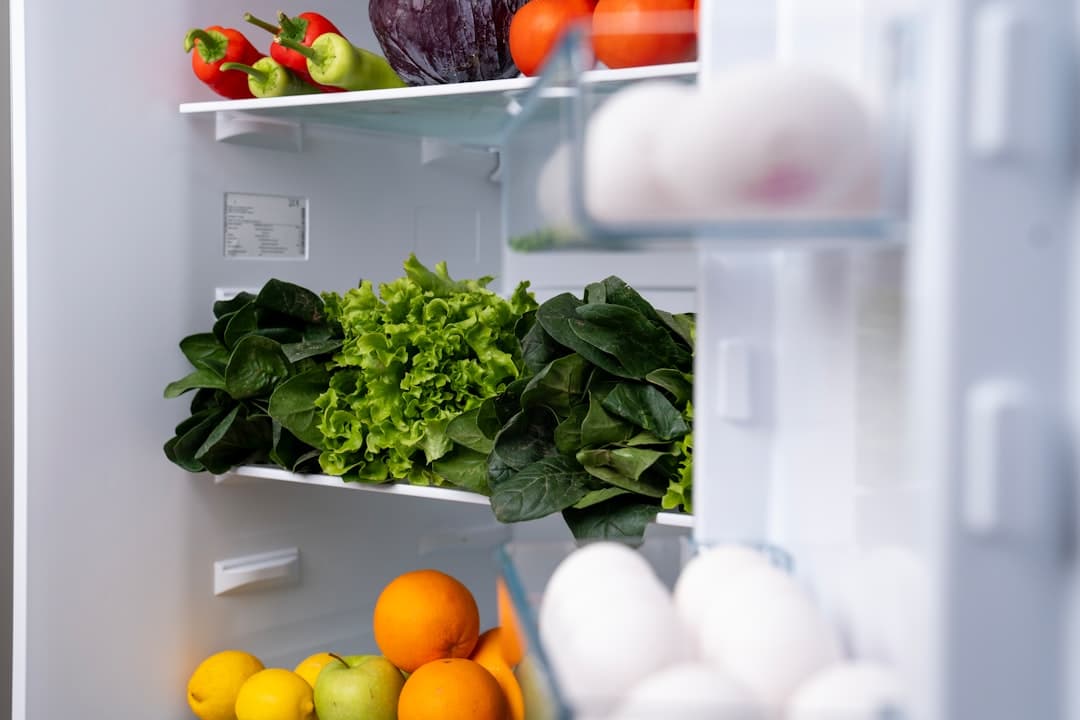
Cutting for fat loss often fails because the environment makes overeating easy. This video’s unique angle is simple and practical: stock the fridge like a science-based lifter so high-protein meals are automatic, low-calorie volume foods are always available, and cravings have a low-impact outlet. The core staples are egg whites and turkey bacon for breakfast, ground turkey with rice, chicken breasts, and ready-to-drink protein shakes. Carbs center on berries and kiwis, plus nightly big salads with low-calorie dressing. For cravings, zero sugar Jell-O and diet soda are used strategically. Fats come from goat cheese and sunflower seeds.
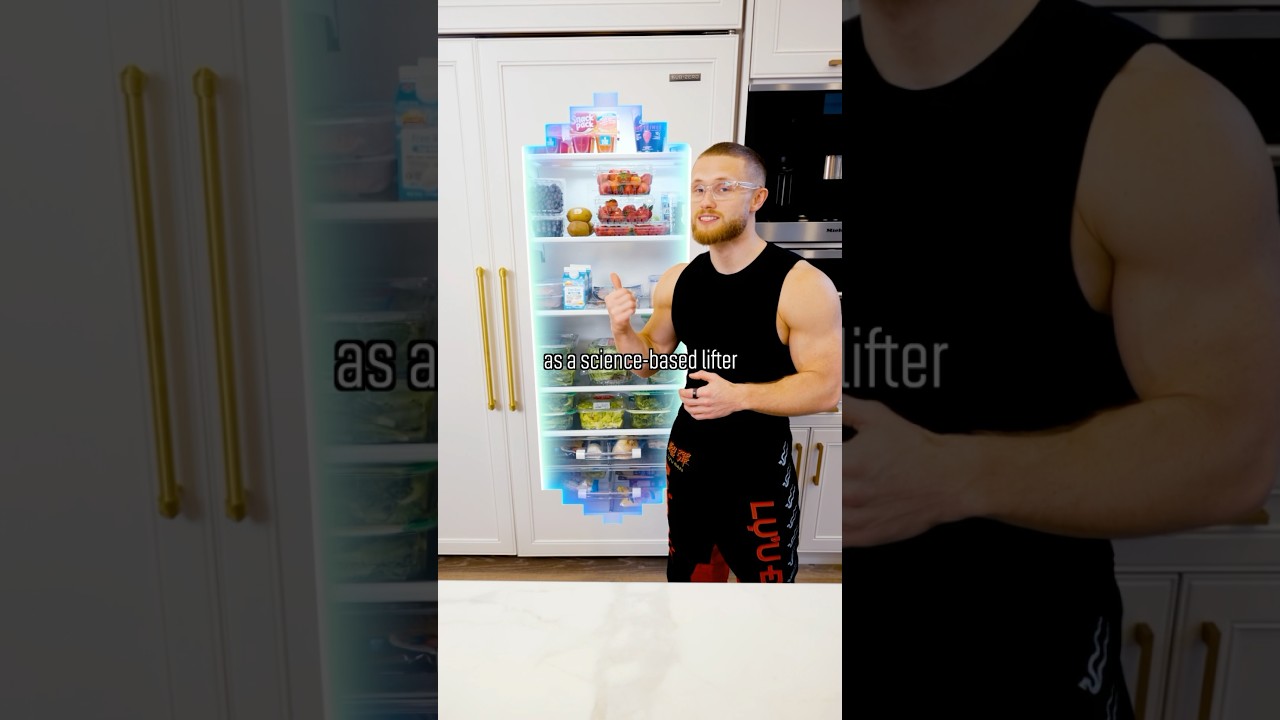
Cutting for fat loss is not just about willpower. It is about making the next choice easier than the last.
This fridge setup is built around a science-based lifter’s reality on a cut: keep protein effortless, keep volume foods visible, and keep craving fixes ready so you do not “freehand” snacks when hunger hits.
Why your fridge setup matters for fat loss
Fat loss requires a sustained calorie deficit (eating fewer calories than you burn), but adherence is usually the hard part. A well-stocked fridge reduces decision fatigue and makes the “default” meal lower-calorie and higher-protein.
The key insight here is environmental: if the easiest foods to grab are lean proteins, fruit, and salad ingredients, your day tends to drift toward better macros without constant tracking.
Did you know? Most adults in the US do not meet fruit and vegetable intake recommendations, which can make it harder to get enough fiber and volume for fullness. The CDC summarizes this gap in its fruit and vegetable intake dataTrusted Source.
Protein first, the cut-friendly anchor
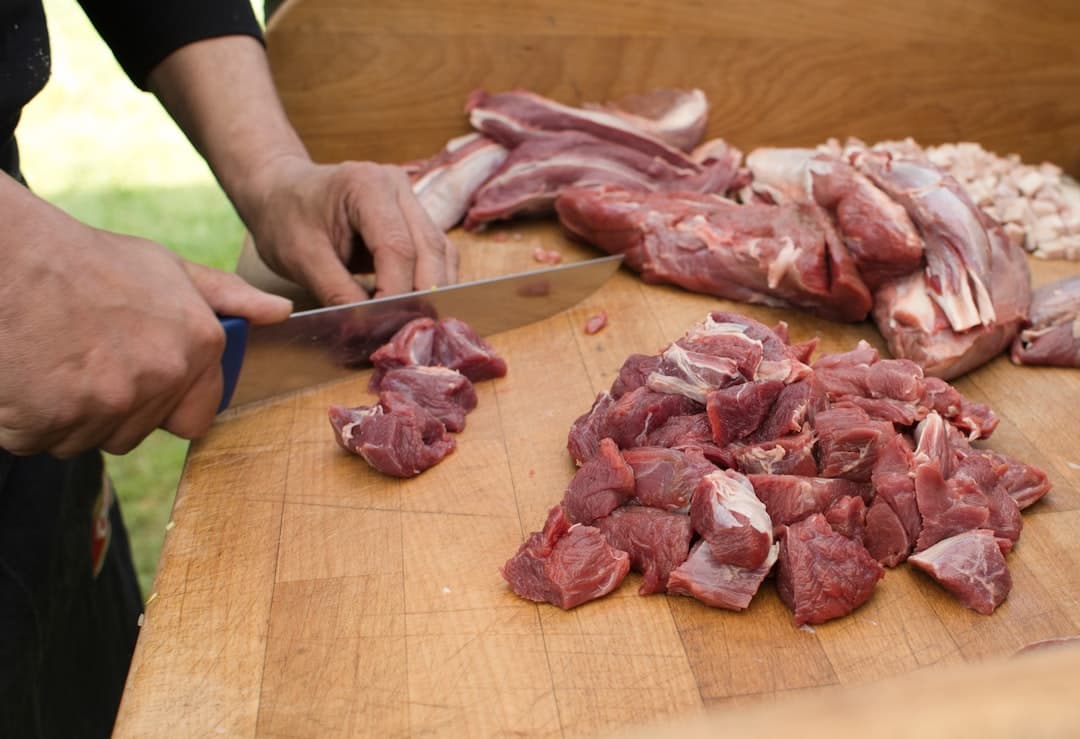
Protein is treated as the foundation. The fridge staples are egg whites and turkey bacon as a go-to breakfast, plus ground turkey (often mixed with rice), chicken breasts, and ready-to-drink protein shakes for rushed days.
Why protein helps during a cut
Higher-protein diets can support fullness and help preserve lean mass during weight loss, especially when combined with resistance training. This aligns with broader evidence that protein influences satiety hormones and reduces later snacking for many people, although individual response varies. For an overview of how protein needs change with goals, the NIH Office of Dietary Supplements explains protein basics and requirements in its protein fact sheetTrusted Source.
Action steps from this fridge approach:
Pro Tip: If you use shakes, scan the label for protein per calorie and added sugars. Two shakes can differ a lot in energy density.
Carbs for volume, training, and adherence
Carbs here are not framed as the enemy. They are chosen for volume and routine.
The fridge is stocked with berries (strawberries, blueberries, blackberries, raspberries) and kiwis, plus lettuce for a big salad every night. This pattern emphasizes high-water, high-fiber produce that can help you feel fuller for fewer calories. The USDA’s MyPlate guidance highlights how fruits and vegetables support healthy eating patterns, including weight management, in its fruitTrusted Source and vegetableTrusted Source resources.
The “nightly big salad” tactic
A consistent evening salad acts like a behavioral guardrail. It gives you a predictable, filling meal, and it helps prevent the late-night snack spiral.
To keep it cut-friendly, the salad dressing choice is a 10-calorie option, which reflects a deliberate focus on calorie control.
Craving control without blowing calories
Cravings are treated as a normal part of dieting, not a personal failure.
The strategy used here is substitution: zero sugar Jell-O and diet soda are described as “huge” for killing cravings while dieting. For some people, sweet-tasting, low-calorie options reduce the urge to snack, and that can improve adherence.
Important: If you have diabetes, kidney disease, migraines triggered by certain sweeteners, or a history of disordered eating, talk with a clinician about how low-calorie sweeteners and “diet foods” fit into your plan.
Expert Q&A
Q: Is diet soda “bad” if I am trying to lose fat?
A: For many adults, diet soda can be a practical swap that lowers total calorie intake, which is the main driver of fat loss. The bigger issue is whether it helps you stick to your plan without increasing cravings or displacing water and nutrient-dense foods.
Jordan Lee, RD (Registered Dietitian)
Fats, small amounts, big impact
Fats are not eliminated, they are targeted.
This fridge setup includes goat cheese as a favorite fat source, added to eggs in the morning and to the bedtime salad. Sunflower seeds (kept outside the fridge) are the go-to snack fat.
Because fats are calorie-dense, the practical move is portion awareness. A small sprinkle of seeds or a measured amount of cheese can improve satisfaction, but it can also quietly add hundreds of calories if it becomes a “handful habit.”
Ways to keep fats helpful on a cut:
»MORE: If you track macros, create a one-page “default meals” list (breakfast, lunch, dinner, snack) so your fridge staples map directly to repeatable portions.
Key Takeaways
Frequently Asked Questions
- Do I have to eat the same foods to lose fat?
- No. The video’s point is about building a repeatable environment, not copying exact foods. Choose proteins, fruits, and vegetables you like, then keep them consistently available so your default choices support a calorie deficit.
- Is eating a big salad every night helpful for weight loss?
- It can be, especially if it increases volume and fiber while keeping calories reasonable. The key is watching calorie-dense add-ons like cheese, seeds, and dressings so the salad stays aligned with your goals.
- Are berries better than other carbs during a cut?
- Berries are often lower in calories per cup and high in water and fiber, which can help with fullness. Other carbs can also fit, the practical advantage here is that berries are easy to portion and snack on.
- Are protein shakes necessary for fat loss?
- They are not necessary, but they can be convenient when you are rushed and might otherwise skip protein. If you use them, treat them like a food choice and check calories, protein amount, and added sugars.
Get Evidence-Based Health Tips
Join readers getting weekly insights on health, nutrition, and wellness. No spam, ever.
No spam. Unsubscribe anytime.