Best No-Carb, No-Sugar Snacks for Real Life
Summary
In “The BEST Snacks With No Carbs & No Sugar,” No Carbs frames ultra low carb snacking as a practical tool for staying full, avoiding blood sugar crashes, and keeping variety on a restrictive plan. The core idea is simple: staying under about 50 g of carbs per day may shift the body toward using fat and ketones for fuel, which some people find reduces between-meal hunger. This article walks through the video’s 12 snack ideas and zero-carb drink swaps, plus the real-world trade-offs to consider, like hidden sugars in jerky, portion creep with “fat bombs,” and when to check with a clinician.
🎯 Key Takeaways
- ✓The video’s strategy is variety without carbs: crunchy (zucchini chips), creamy (chia pudding), and savory (shrimp, halloumi) so the plan feels livable.
- ✓Staying under about 50 g carbs per day is presented as a threshold that may promote ketone production, which some people report helps appetite control and focus.
- ✓“No sugar” requires label scrutiny, especially for jerky and drinks where maltodextrin and syrups can sneak in.
- ✓Several snacks are nutrient-dense but energy-dense, so portions matter, especially for chocolate bark, cheese, olives, and cream-based ice cream.
- ✓Electrolytes and fiber are practical weak spots on very low carb plans, the video addresses this with chia for gut regularity and zucchini for potassium and hydration.
A snack problem, solved the “No Carbs” way
The scene is familiar. You want something crunchy or sweet between meals, but you also want to stay “no carbs, no sugar.”
In this video, No Carbs treats that moment as the make-or-break point for consistency. The focus is not gourmet dieting, it is building a short list of snacks that feel like real food, have satisfying textures, and do not trigger the classic cycle of craving, snacking, and crashing.
What’s unique about this perspective is how practical it is. Instead of saying “just don’t snack,” the approach is to keep variety high while keeping carbs and sugars close to zero.
Pro Tip: If you are trying a very low carb pattern, keep 2 to 3 “default snacks” ready (eggs, jerky, cheese-pepper poppers). Decision fatigue is where most plans fail.
The under-50 g carb frame, benefits and trade-offs
The central claim is straightforward: eating less than 50 grams of carbs per day can shift the body into “fat burning mode.” In physiology terms, very low carbohydrate intake can increase fat oxidation and may raise ketone bodies (ketones), which some people experience as steadier appetite and energy.
This framing matches how ketogenic diets are often described in clinical and sports nutrition contexts. A well-formulated ketogenic diet is typically very low in carbohydrate, moderate in protein, and higher in fat, which can lead to nutritional ketosis for many people. For background, the Cleveland Clinic overview of the keto dietTrusted Source describes ketosis and common benefits and side effects in plain language.
But there are trade-offs.
A “no carb, no sugar” snack list can reduce exposure to refined carbs, but it can also raise the risk of under-consuming fiber, certain micronutrients, and total calories that quietly climb through cheese, nuts, oils, and cream. This is why the video repeatedly leans on texture and satiety, not unlimited portions.
Important: If you take insulin or medications that can cause low blood sugar (for example, sulfonylureas), changing carbohydrate intake can be risky. It is sensible to consult your clinician before going very low carb, especially if you have diabetes, kidney disease, are pregnant, or have a history of eating disorders.
What the research shows: In a 2021 meta-analysis of randomized trials, low-carbohydrate diets were associated with greater weight loss at 6 months, but differences versus other diets tended to diminish by 12 months, suggesting adherence is a major driver of results (BMJ, 2021Trusted Source).
The 12 no-carb, no-sugar snacks (with why they work)
This list is built around a simple principle: satiety comes from protein, fat, and texture, while cravings often come from sweetness and ultra-processed convenience.
1) Nutty chocolate bark
This is the “sweet tooth” solution, built to avoid the typical post-candy crash.
The recipe is specific: melt 100 g sugar-free dark chocolate sweetened with stevia, stir in crushed macadamia nuts, pecans, Brazil nuts (or a mix), spread on a tray or mold, then freeze 10 to 15 minutes.
The trade-off is energy density. Nuts and chocolate can be easy to overeat, even if they are low in sugar. If weight loss is your goal, consider breaking the bark into small pieces before storing it.
2) Chia seed pudding
Chia pudding is positioned as a gut-friendly anchor snack.
The method: mix 2 tablespoons chia seeds with 1/2 cup unsweetened liquid milk kefir, then add vanilla extract, cinnamon, or stevia. Refrigerate overnight.
The key insight is the gel. Chia absorbs liquid and forms a pudding texture that can feel more filling than its calorie count suggests. Fiber may also support bowel regularity, which matters because constipation is a common complaint when people sharply reduce carbohydrate and change food volume. For fiber basics and why it matters, see Harvard T.H. Chan’s overview of dietary fiberTrusted Source.
3) Cheese pepper poppers
This snack is about comfort food without the flour.
Use mini sweet peppers or jalapenos, halve and de-seed, fill with mozzarella, then bake 10 to 15 minutes at 350°F until soft and melty. The add-ons (herbs, chili flakes, garlic powder) are doing real work here, they keep the snack interesting.
The video highlights fat-soluble vitamins (A, D, E, K2) in dairy as supportive for bones, brain, and hormones. The practical trade-off is sodium and calories, which can be fine or not fine depending on your overall pattern.
4) Keto chicken tenders
This is the “I miss crunchy breading” fix.
Chicken breast strips get coated in crushed pork rinds plus parmesan, then seasoned (paprika, garlic, black pepper). Bake or air fry until crisp. Dips suggested include homemade mayo, guacamole, or mustard.
The upside is high protein with near-zero carbs. The trade-off is that pork rind coatings can be high in sodium, and parmesan adds more salt, so hydration and electrolytes matter.
5) Berry yogurt bowl
This is the most nuanced snack on the list, because it is not truly “no carb.” It is “low sugar, low carb enough for many people.”
The build: full-fat unsweetened Greek yogurt, a small handful of chopped strawberries or raspberries, then cinnamon plus optional xylitol or erythritol to boost sweetness.
The practical point is craving management. For some people, a small portion of berries prevents a later binge on sweets. For others, any sweet taste can increase cravings. You have to test your own response.
Did you know? Many flavored yogurts contain significant added sugar, even when they look “healthy.” The CDC added sugars guidanceTrusted Source explains where added sugars hide and why they add up quickly.
6) Beef jerky (only the right kind)
Jerky is presented as a true no-carb travel snack, with a warning built in.
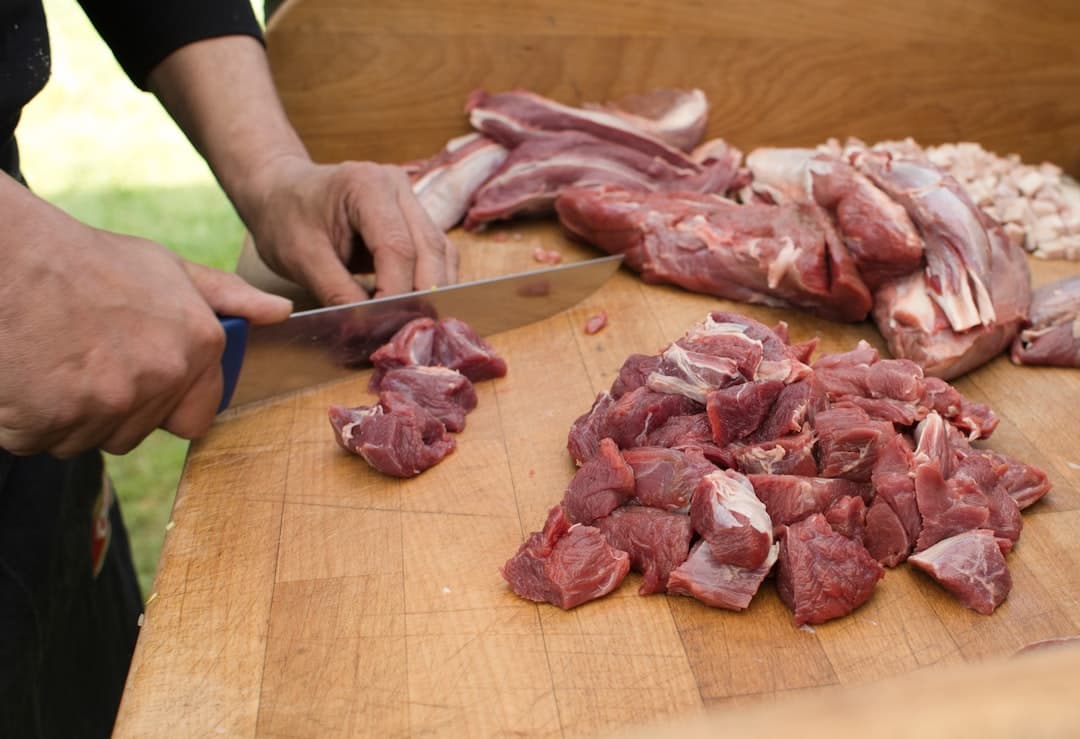
Avoid added sugars, soy sauce, and especially maltodextrin, described here as a filler that can spike blood sugar quickly. Look for minimal-ingredient jerky made from beef, salt, and spices.
This is one of the most useful everyday tips in the video: “no sugar” is often broken by the ingredient list, not by taste.
7) Marinated mozzarella and olives
These are called “little fat bombs,” and the recipe is very specific.
Toss mini mozzarella balls with Kalamata or green olives, add extra virgin olive oil, dried oregano, and crushed garlic. Then marinate 1 to 2 hours.
This snack is framed as rich in oleic acid, calcium, and fat-soluble vitamins, and as a grazing option that feels indulgent while staying ultra low carb.
8) Grilled halloumi bites
Halloumi is the texture play: crispy outside, chewy inside.
Slice and grill or pan-fry until golden. Serve warm with lemon and herbs like rosemary.
It is high in protein and calcium, which can support fullness. The trade-off is that halloumi is typically salty, so it is wise to balance it with fluids and lower-sodium meals.
9) Garlic butter shrimp
This is the “fast protein” snack.
Saute peeled shrimp in grass-fed butter, add garlic powder, sea salt, and lemon. Cook 2 to 3 minutes per side until pink.
Shrimp is highlighted for iodine and selenium, nutrients involved in thyroid function. If you have thyroid disease, it may be worth asking your clinician how iodine-rich foods fit into your plan.
10) Boiled eggs
Boiled eggs are the no-prep backbone.
The storage tip is practical: keep them in the shell in the fridge for up to 5 days. The video emphasizes choline and B vitamins for brain function, hormones, and liver processes.
The speaker also calls out pasture-raised eggs as higher quality than standard eggs, which is a preference some people choose for animal welfare and nutrient profile reasons.
11) No-carb ice cream
This is the “dessert without sugar” option.
You can buy keto ice cream sweetened with erythritol or monk fruit, or make it: blend full-fat cream (or coconut cream) with vanilla and sweetener, then freeze 2 to 3 hours in small tubs. Strawberries can be added for a keto-friendly strawberry version.
The trade-off is that sugar-free does not mean calorie-free, and some sugar alcohols can cause GI upset in sensitive people.
12) Crispy zucchini chips
This is the crunchy replacement for crackers and chips.
Slice zucchini very thin, toss with olive oil and sea salt (plus paprika, chili, or garlic powder), then bake at 110° for 1.5 to 2 hours, flipping halfway.
Zucchini is framed as hydrating and a potassium source, which matters because electrolyte shifts can happen on very low carb patterns. For potassium’s role in the body, see the NIH potassium fact sheetTrusted Source.
Zero-carb drinks, plus the hidden-carb traps
The video makes a point many people miss: drinks can quietly sabotage a “no sugar” plan.
Even when food is tight, coffee shop add-ins, bottled teas, flavored waters, and “healthy” smoothies can add carbs quickly. The strategy here is to stick to drinks with less than 2 g net carbs per 12 oz serving, and to flavor them yourself.
Here are the cold options described:
Warm and functional drinks mentioned include peppermint tea (digestion), lemon balm tea (stress), green tea (energy and focus), butterfly pea flower tea (blood sugar support), hot chocolate with unsweetened almond milk plus cocoa and stevia, turmeric latte with coconut milk plus turmeric, cinnamon, black pepper and stevia, bone broth, and plain black coffee.
Resource callout: »MORE: Make a “no hidden sugar” checklist for drinks. Start with ingredient red flags like syrup, honey, maltodextrin, rice syrup solids, milk powder, and “fructose,” then keep it in your notes app for shopping.
How to make this practical, portions, labels, and gut comfort
This way of eating can feel simple, until you try to live it on a Tuesday.
The most workable interpretation of the video is not perfection. It is building a repeatable system: keep a few high-protein defaults, rotate textures, and treat sweet substitutes as tools, not a free-for-all.
A simple “snack decision tree”
Use this when cravings hit, especially in the late afternoon.
Short and strict rules often break. Systems hold.
Q: Are “no carb” snacks always better for weight loss?
A: Not automatically. Many no-carb snacks are high in fat and calories (cheese, nuts, oils, cream), so weight loss still depends on overall intake and consistency.
A practical approach is to use no-carb snacks to prevent blood sugar swings and reduce impulsive eating, then keep portions intentional, especially with “fat bomb” style snacks.
No Carbs, nutrition educator (video perspective)
Label-reading: the video’s biggest real-world win
The jerky warning applies to more than jerky.
If a product claims “keto” or “no sugar,” scan for ingredients that often raise carbs or undermine goals, including maltodextrin, syrups, starches, and sweetened coatings. Sugar alcohols (xylitol, erythritol) may fit some plans but can cause bloating or diarrhea in others.
Gut comfort and constipation on low carb
The video specifically calls out constipation as common on low carb and uses chia pudding as the fix.
That is a practical choice, because fiber and fluid often drop when people remove fruit, grains, and legumes. If you are changing your diet quickly, it can help to increase fiber gradually and prioritize hydration. Some people also do better with a mix of soluble-fiber foods (chia, certain vegetables) and adequate electrolytes.
What the research shows: Average fiber intake in the US is far below recommendations, and many adults do not meet targets for digestive and cardiometabolic health (USDA Dietary Guidelines 2020-2025Trusted Source).
Q: Do keto sweeteners like xylitol or erythritol affect everyone the same way?
A: No. Some people tolerate sugar alcohols well, while others get gas, bloating, or urgent diarrhea, especially with larger portions.
If you are experimenting, start with small amounts at home, not on a travel day, and consider discussing frequent GI symptoms with a clinician.
Registered Dietitian (general guidance)
Key Takeaways
Frequently Asked Questions
- Can I do “no carbs, no sugar” and still have something sweet?
- The video’s approach is to use non-sugar sweeteners and small portions to manage cravings, for example stevia-sweetened chocolate bark or homemade no-sugar ice cream. If sweet tastes increase cravings for you, consider cinnamon-forward options like chia pudding instead.
- What is the easiest no-carb snack to prep for the week?
- Boiled eggs are the simplest, because they are portable and need no recipes. The video suggests keeping them in their shells in the fridge for up to 5 days after boiling.
- Why does the video warn about jerky?
- Many jerkies include added sugars and fillers like maltodextrin. The recommendation is to choose minimal-ingredient jerky made from beef, salt, and spices to avoid hidden carbs.
- Are berries allowed on a no-carb plan?
- Berries are not zero-carb, but the video includes small amounts of strawberries or raspberries as a lower-sugar option in a Greek yogurt bowl. Whether that fits depends on your carb target and how your body responds.
Get Evidence-Based Health Tips
Join readers getting weekly insights on health, nutrition, and wellness. No spam, ever.
No spam. Unsubscribe anytime.