Detox Microplastics: Simple Daily Steps That Help
Summary
Can you actually do anything about microplastics in your body? This video’s perspective is practical: reduce what you take in, and support the body’s built-in exit routes. The approach focuses on gut lining support (glutamine), “soluble fiber flush” to move particles out in stool, hydration for kidney filtration, lymph movement, sulfur foods for liver phase 2 detox, deep sleep for brain cleanup, autophagy through occasional 18-hour fasts, beta-glucans, sweating, and microbiome support. It also emphasizes kitchen and home swaps to lower ongoing exposure so your body can catch up.
🎯 Key Takeaways
- ✓The core strategy is two-part: reduce incoming microplastics while supporting the body’s main clearance routes (stool, urine, sweat, lymph).
- ✓Gut barrier support plus soluble, fermentable fiber is framed as a front-line step because many microplastics enter through food and drink.
- ✓Deep sleep is treated as a detox tool for the brain via the glymphatic system, with a target of 7 to 9 hours nightly.
- ✓Occasional 18-hour fasts (once or twice weekly) are presented as a way to activate autophagy, potentially helping the body recycle pollutants.
- ✓Simple home changes (glass storage, no plastic in microwave, HEPA filtration, natural fibers) aim to reduce the exposure load so clearance can outpace intake.
Can you really “detox” microplastics, or is it too late once they are inside you?
This video’s answer is surprisingly simple and also very specific: your body already has multiple cleanup systems. The goal is to (1) lower how much plastic you take in each day, and (2) support the pathways that move particles and plastic associated chemicals out through stool, urine, sweat, and lymph.
Microplastics are typically defined as plastic particles smaller than 5 mm. This framing matters because tiny particles can behave differently than larger debris, they can be swallowed, inhaled, and potentially interact with tissues in ways researchers are still working to understand.
Did you know? Microplastics have been detected in human blood and in tissues, and health impacts are still being actively studied. Reviews note concerns around inflammation, oxidative stress, and endocrine disruption, but also emphasize major knowledge gaps in exposure levels and long-term outcomes (Impact of Microplastics and Nanoplastics on Human HealthTrusted Source).
Why are microplastics in the body, and why does “detox” matter?
Plastic is everywhere, and it sheds. Packaging, bottles, bags, and microfibers from carpets and clothing can all contribute to the background “plastic dust” in modern life.
What’s striking in this perspective is the shift from fear to logistics. If microplastics can be detected in blood and tissues (including brain, lungs, and arteries), then the practical question becomes: how do you reduce absorption and increase excretion without doing anything extreme?
The discussion highlights a simple model.
Important: If you have kidney disease, liver disease, an eating disorder history, are pregnant, or take medications that affect hydration or electrolytes, talk with a clinician before trying fasting protocols, sauna routines, or major supplement changes.
Start where most exposure happens: the gut barrier and the “fiber flush”
A big part of this video’s approach centers on the digestive tract. Many microplastics enter when you eat or drink them, and the claim here is that their tiny size may allow them to slip through the gut’s tight junctions and move into the bloodstream.
That is why the first two steps target the gut directly: strengthen the barrier, then bind and move particles out.
Glutamine to support the gut lining
The speaker’s first pick is glutamine, an amino acid often discussed in the context of gut barrier support. The idea is not that glutamine “kills” microplastics, but that it may help maintain the integrity of the intestinal lining, which could theoretically reduce how much you absorb.
Practical options mentioned include:
If you are considering a glutamine supplement, it is reasonable to ask a clinician about fit and dosing, especially if you have liver disease or are on complex medication regimens.
The soluble fiber flush (a key mechanism in this video)
This is the most “mechanical” part of the strategy. A study cited in the video notes microplastics in the vast majority of stool samples, which supports the common-sense point that stool is one way the body eliminates what you ingest.
The key insight here is how soluble, fermentable fiber behaves in the gut. When it binds with bile, it can form a gel-like matrix. This gel may trap particles so they pass through the digestive tract instead of being absorbed.
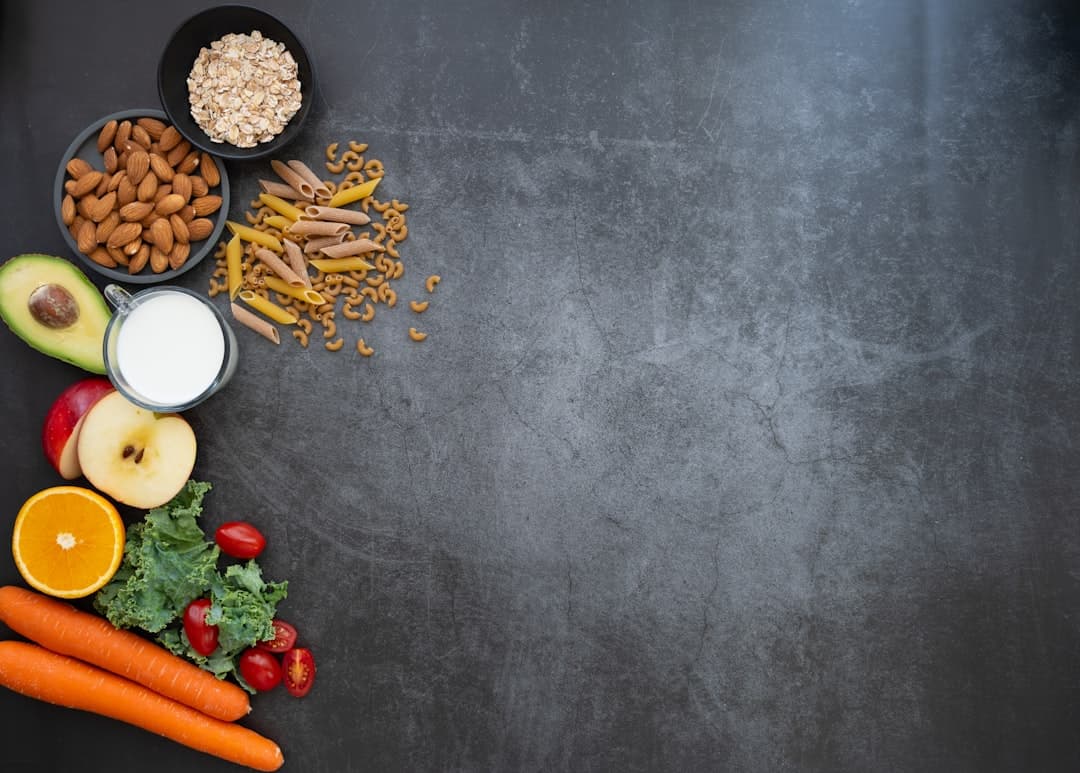
Foods highlighted for soluble fiber include:
Pro Tip: If you increase soluble fiber quickly, gas and bloating can happen. Many people do better by increasing slowly over 1 to 2 weeks and pairing fiber with adequate water.
Support the exit routes: kidneys, lymph, liver, and sweat
This approach treats “detox” as plumbing. If the pipes are supported, the body can move waste out more efficiently.
Hydration for kidney filtration
Your kidneys filter blood all day. The argument is straightforward: without enough water, filtration and waste removal can slow.
Aim mentioned here is a minimum of 2 liters of clean water per day. The speaker also suggests using stainless steel or glass bottles rather than plastic when possible, which is less about detox and more about reducing ongoing exposure.
What the research shows: Reviews on microplastics and human health describe multiple exposure routes and raise concerns about chemical additives like BPA and phthalates, reinforcing why reducing exposure sources is a sensible part of the plan (Impact of Microplastics and Nanoplastics on Human HealthTrusted Source).
Lymphatic drainage through movement
The lymphatic system helps move fluid and immune byproducts from tissues, but it relies heavily on muscle movement.
This video emphasizes simple daily actions rather than specialized treatments:
Increase sulfur to support liver phase 2 detoxification
The video frames certain plastic associated chemicals (BPA, phthalates, PFAs) as behaving like fat-soluble toxins. The liver converts many compounds into more water-soluble forms so they can leave via urine or bile.
This is described as phase 2 detoxification, and the practical lever here is dietary sulfur, which supports glutathione, often called a master antioxidant.
Sulfur-rich foods listed include:
If cruciferous vegetables worsen symptoms for you (for example, with IBS), consider speaking with a dietitian about portioning and preparation.
Sweat it out (and replace electrolytes)
A notable point in this video is that BPA, phthalates, and some heavy metals have been detected in sweat in situations where they were not detected in urine. That supports the idea that sweating can be a meaningful clearance route for some substances.
Options suggested include hot baths, regular exercise, or sauna use (infrared or traditional).
One caution is specific and practical: sweat contains salt. The speaker notes you can lose up to 1 gram of salt per liter of sweat, and suggests adding it back with water and a low microplastic salt such as Himalayan or Celtic sea salt.
Brain and cellular cleanup: deep sleep plus autophagy
Microplastics in the brain is the part that tends to grab attention.
This video highlights data suggesting brain concentrations can be much higher than in organs like the liver or kidneys, and that levels have increased over time. Whether or not every detail holds in future research, the practical recommendation that follows is low-risk for most people and high-upside: protect sleep.
Deep sleep and the glymphatic system
The brain has a waste-clearance pathway often referred to as the glymphatic system (italicized on first use). This system is more active during sleep, helping move metabolic waste out of brain tissue.
The recommendation is clear: 7 to 9 hours of high-quality, uninterrupted sleep.
Small changes suggested:
Expert Q&A
Q: If microplastics can accumulate in the brain, is sleep really a “detox” tool?
A: Sleep is one of the few daily behaviors that reliably supports brain housekeeping. Deep sleep helps the brain clear metabolic byproducts, and while research is still developing on microplastics specifically, prioritizing 7 to 9 hours is a practical, low-cost step with broad health benefits.
If you have loud snoring, morning headaches, or daytime sleepiness, consider discussing sleep apnea screening with a clinician, because untreated sleep disorders can undermine sleep quality even if you are in bed for long hours.
Jordan Lee, RD, Registered Dietitian (Nutrition Education)
Activate autophagy (the video’s “speed it up” lever)
Some plastic associated chemicals are described as “forever chemicals” because they can persist in the body for long periods.
The proposed tool here is autophagy, a cellular recycling process that breaks down damaged proteins and cellular debris. The speaker suggests the most effective trigger is an 18-hour fast, done once or twice per week.
A second lever is dietary: reducing starches and carbohydrates may increase autophagy, and polyphenol-rich foods are highlighted, including green tea, turmeric, capers, and berries.
Fasting is not appropriate for everyone. If you have diabetes, are pregnant, are underweight, have a history of disordered eating, or take medications that require food timing, get individualized medical guidance.
Microbiome and targeted foods: beta-glucans and fermented staples
This view holds that your gut bacteria are not just passive passengers. Some early research suggests certain microbes may degrade specific plastics like polystyrene or polyethylene.
That does not mean you can “eat a probiotic and erase plastic.” It does support a practical aim: protect and diversify the microbiome so it can do its jobs, including maintaining the gut barrier and interacting with bile and fiber.
The video calls out common disruptors: stress, antibiotics, alcohol, and junk foods.
Two food-based strategies are emphasized.
Beta-glucans (a specific fiber type)
Beta-glucans are described as a type of soluble fiber that, in animal studies, may increase excretion of certain pollutants.
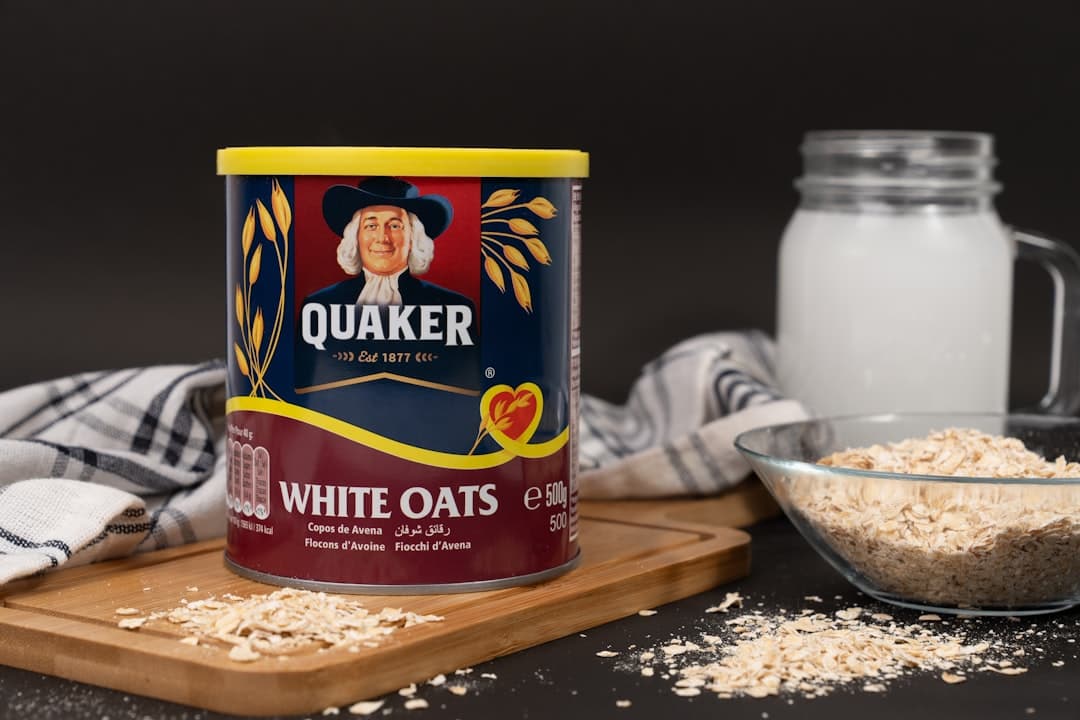
Natural sources listed:
If you rely heavily on oats, it may help to vary your fiber sources, and to ensure adequate mineral intake overall.
Resource Callout
»MORE: Build a “microplastic-aware” grocery list. Include one soluble fiber (chia or konjac), one sulfur food (garlic or broccoli sprouts), one fermented food (kimchi or kefir), and one polyphenol (berries or green tea) each day.
Reduce the load: safer kitchen and home swaps (before vs after)
The theme here is exposure reduction. If you keep adding more microplastics daily, your body has to run uphill just to stay even.
This section is where the advice becomes very concrete, especially in the kitchen.
Before vs after: simple swaps that reduce exposure
Option A (Before): higher plastic contact in daily routines
Option B (After): lower plastic contact with the same routines
A further step mentioned is water filtration. Whole-home filters can be installed in plumbing, or you can boil mineral water and pour it through a plastic-free coffee filter to help remove particles.
Additional swaps called out:
Home and personal-care swaps (including skin contact)
Some evidence suggests microplastics may be absorbed through skin, so the video suggests reducing contact where feasible.
Practical swaps include:
Expert Q&A
Q: Do I need an extreme cleanse to remove microplastics?
A: Extreme cleanses often focus on rapid weight loss, laxatives, or restrictive protocols, and they can create risks without clear evidence of microplastic removal. A steadier plan that supports stool, urine, sweat, lymph movement, and sleep is more aligned with how the body actually eliminates waste.
If you are considering fasting, sauna, or supplements, a clinician can help you match the plan to your medical history and medications.
Jordan Lee, RD, Registered Dietitian (Nutrition Education)
A final research note adds perspective. Some experimental approaches, like therapeutic apheresis, have been discussed as potential ways to remove microplastics from blood, but this is not a do-it-yourself strategy and remains an emerging area (Therapeutic apheresis as a method to remove microplasticsTrusted Source).
Key Takeaways
Sources & References
Frequently Asked Questions
- What is the simplest first step to reduce microplastics?
- Start with kitchen exposure: switch plastic storage to glass and stop microwaving food with plastic lids or containers. This lowers daily intake so your natural clearance routes can catch up.
- How does soluble fiber help with microplastic “detox”?
- Soluble, fermentable fiber can form a gel-like matrix in the gut that may trap particles and help them pass out in stool. Chia, glucomannan (konjac), carrots, and chicory root are examples highlighted in the video.
- Is drinking more water enough to flush microplastics out?
- Hydration may support kidney filtration and urine output, but the video treats it as one part of a broader plan. Stool elimination (fiber), sweat, lymph movement, and exposure reduction are also emphasized.
- Is an 18-hour fast safe for everyone?
- No. People who are pregnant, have diabetes, have a history of eating disorders, are underweight, or take medications that require food timing should talk with a clinician before trying fasting.
Get Evidence-Based Health Tips
Join readers getting weekly insights on health, nutrition, and wellness. No spam, ever.
No spam. Unsubscribe anytime.