Healthy Junk Food, GLP-1s, and the New Snack Boom

Summary
Trying to lose weight can feel like you have to give up “fun” foods forever. In this video, Dr argues something unexpected: widespread weight loss could actually benefit food companies, not just by selling less junk food, but by selling a new kind of snack, high-protein, “healthy junk food.” The idea is that newer weight loss medications can make people feel full sooner, so they may still want chips or sweets, but in smaller amounts, and with more focus on protein and overall nutrition. This article explores that viewpoint, the appetite mechanisms behind it, and how to shop for these products without getting misled by marketing.
The frustration: wanting fun food while losing weight
Trying to lose weight often comes with a familiar worry: “Do I have to give up chips and snack foods forever?”
This video leans into that tension. The point is not that cravings disappear, it is that the amount you can comfortably eat may change, and the market will adapt.
Pro Tip: Build your day around protein and fiber first, then decide where a “fun” snack fits. This can make treats feel intentional instead of impulsive.
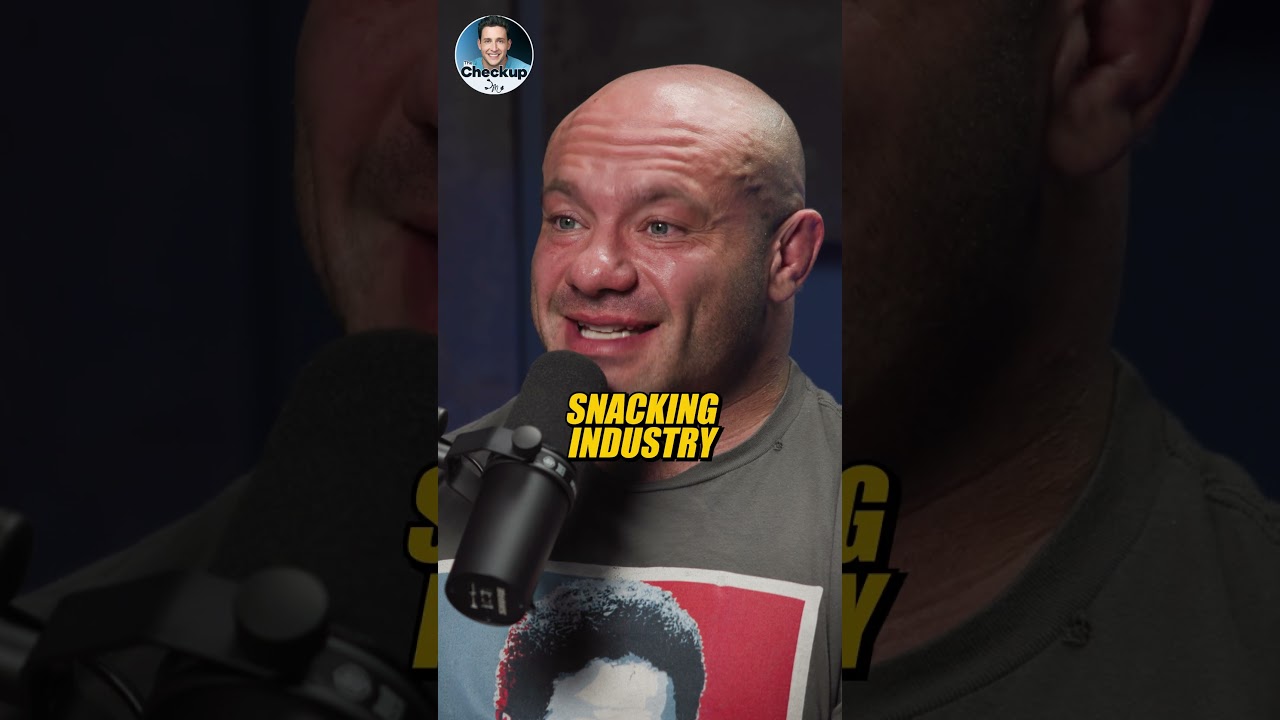
Dr’s disagreement, weight loss can boost snack profits
The discussion opens with a provocative question: “Name one industry that benefits from societal significant weight loss.” Dr’s answer is blunt: the junk food industry benefits, hugely.
Here is the unique twist. Instead of “people lose weight, so they stop buying junk,” this framing suggests the opposite: if you are losing weight and feel more in control, you might allow yourself snack foods again because it “doesn’t matter” in the same way. Not because nutrition stops mattering, but because portions and total calories may be easier to manage.
The “healthy junk food” boom
Dr predicts an industry that will “absolutely blow up,” the high-protein healthy food but fun snacking industry. The idea is that people feel empowered by “beautiful new drugs,” still want “fun foods,” and start looking for “potato chips that aren’t going to kill me.”
That is a marketing gold mine, “healthy junk food is just glazed with glory and profit,” as he puts it.
Did you know? Many popular weight loss medications work by mimicking gut hormones involved in appetite and fullness, such as glucagon-like peptide-1 (GLP-1), which can reduce hunger and slow stomach emptying in some people, according to the NIDDKTrusted Source.
Why these drugs can change snacking behavior
Feeling full sooner is the mechanism that makes this whole snack trend plausible.
GLP-1 based medications used for weight management can influence appetite regulation in the brain and slow gastric emptying, which may help people eat less and feel satisfied with smaller portions, as described by the Mayo ClinicTrusted Source. If “you fill up so fast,” as the video describes, then even if chips are still on the menu, the portion may shrink.
That creates a new consumer preference: snacks that feel indulgent but also help you hit a priority like protein.
Important practical caution
A “high protein” label does not automatically mean “health-promoting.” Some products are still ultra-processed, high in sodium, or calorie dense, and they can still crowd out fruits, vegetables, and minimally processed proteins.
Important: If you are using a GLP-1 medication and struggling with nausea, low appetite, or rapid weight change, consider checking in with your clinician or a registered dietitian so your nutrition, hydration, and protein intake stay adequate.
How to shop the “healthy junk food” wave
A practical way to use Dr’s idea is to treat these snacks as a bridge, not a destination.
How to use fun snacks without letting them take over
Q: If I am on a GLP-1 medication, do I need to eat high-protein snacks?
A: Not everyone needs specialty snacks, but prioritizing protein can help maintain muscle and support fullness when appetite is lower. If eating is difficult due to side effects, a clinician or dietitian can help you find tolerable options and appropriate targets.
Health writer summary, based on Dr’s discussion
»MORE: Want a simple label checklist? Create a note on your phone with “protein, fiber, sodium, calories per serving,” and use it when comparing snack options in the aisle.
Key Takeaways
Frequently Asked Questions
- What does “healthy junk food” usually mean in practice?
- It typically refers to snack foods designed to feel indulgent while adding protein or reducing sugar. They can still be highly processed, so it helps to check calories, sodium, and fiber rather than relying on the label.
- Why might GLP-1 medications change how much I snack?
- These medications may reduce appetite and increase feelings of fullness, sometimes by slowing stomach emptying. That can make smaller portions more comfortable, which may shift preferences toward more filling snacks.
- Are high-protein chips or bars automatically better for weight management?
- Not automatically. They may help some people feel fuller, but total calories, portion size, and overall diet quality still matter, so comparing labels and keeping treats in a balanced pattern is important.
Get Evidence-Based Health Tips
Join readers getting weekly insights on health, nutrition, and wellness. No spam, ever.
No spam. Unsubscribe anytime.