Food Fixes for Vitamin Gaps and Supplement Mistakes

Summary
It is frustrating when nutrition advice feels either overly simplistic or wildly confident, especially online. This case-based article follows the video’s playful but practical puzzle format: a pirate-like diet leading to scurvy risk, gluten hiding in “healthy” foods for celiac disease, supplement-driven kidney stone concerns, and a severe sunburn that changes calorie and protein needs. The unique takeaway is not “take more supplements.” It is learning how real-world food choices, label reading, and a few targeted nutrients can support wellbeing, while avoiding common traps like hidden wheat in sauces or high-oxalate add-ons.
Nutrition advice gets messy fast.
One person swears energy drinks are “basically vitamins.” Another insists sunscreen is dangerous. And then there is the influencer who recommends “a lot of supplements” without explaining who actually benefits, or what could go wrong.
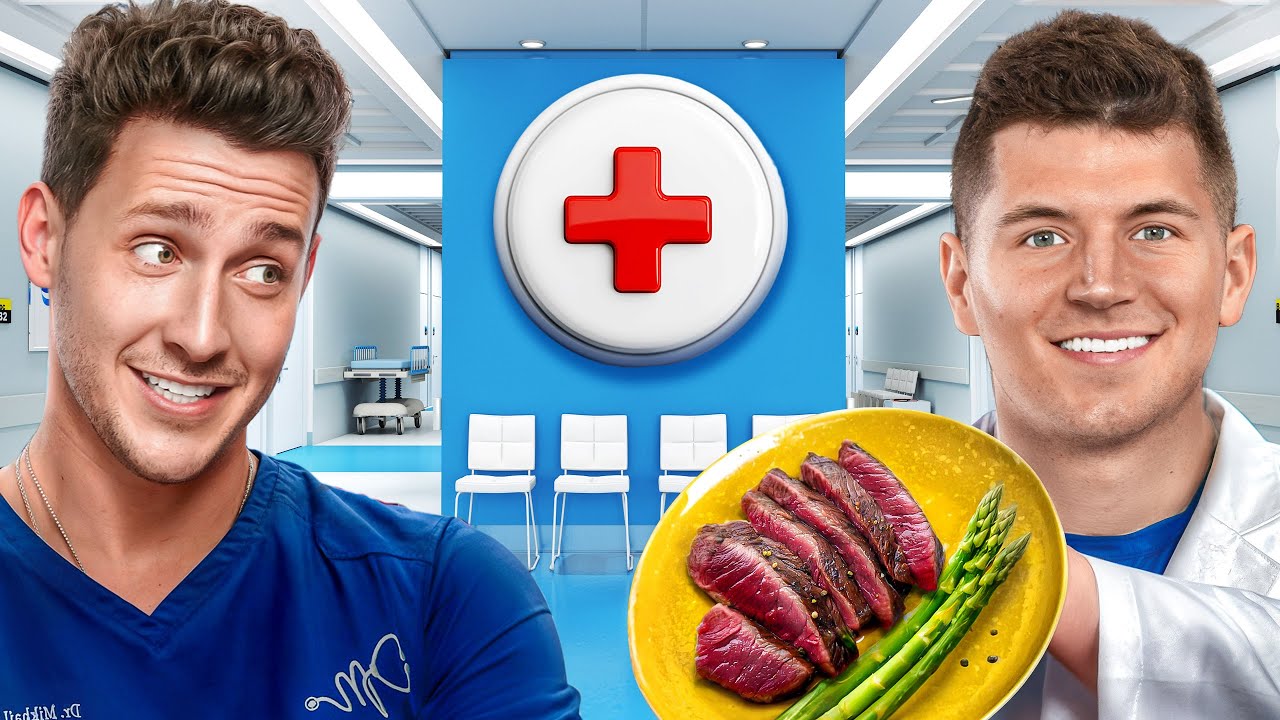
The video “Doctor Mike vs Nick DiGiovani | Food Challenge” turns that chaos into something surprisingly useful: a set of mini medical mysteries solved with food. A clinician presents symptoms, a chef builds a meal, and the point is not perfection. The point is learning how specific nutrients, ingredients, and label details connect to real symptoms and overall wellbeing.
Below is a science-forward, plain-language breakdown of the video’s unique perspective, plus a small layer of research context to help you apply it safely.
Important: Sudden severe pain, blistering burns, blood in stool, rapid weight loss, or dehydration are not “nutrition content.” They are reasons to seek urgent medical care.
Why nutrition feels like a health puzzle
The most helpful framing in the video is that food problems are often pattern problems.
A single meal rarely causes months of fatigue, bleeding gums, or unintentional weight loss. But repetitive habits can. The “pirate ship” patient is not sick because he skipped an orange once, he is sick because his routine has been instant ramen, chicken nuggets, and a huge amount of energy drinks for months.
The puzzle approach also exposes a second issue: modern diets can be simultaneously high-calorie and low-nutrient. Ultra-processed staples can keep you full while quietly starving you of key micronutrients.
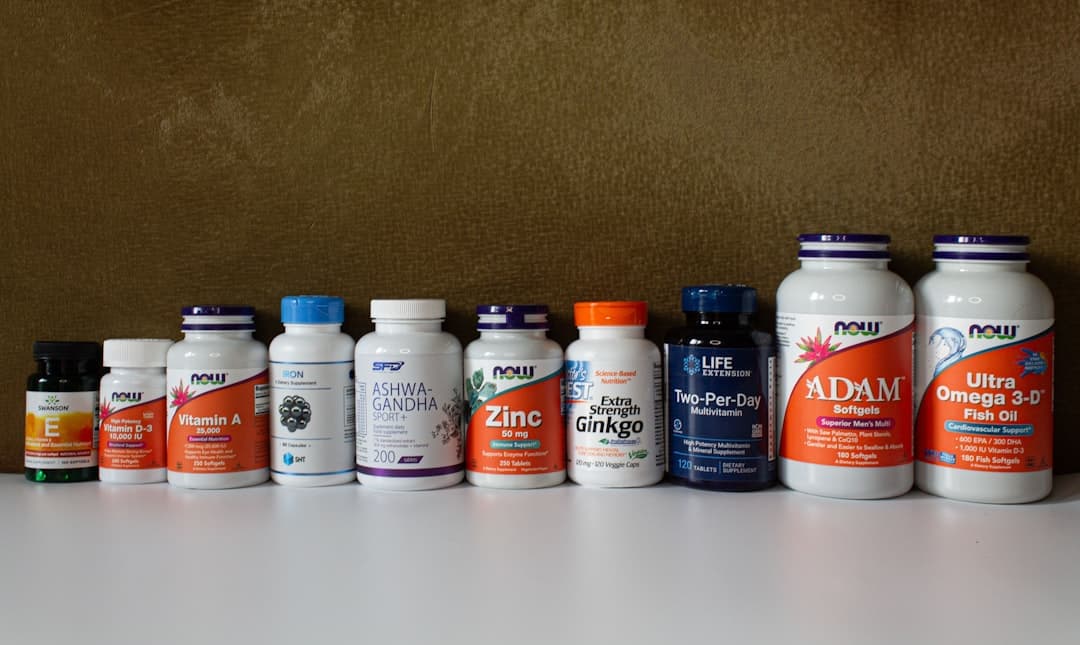
And the third thread, which matters in a supplements and vitamins niche, is that supplements are not automatically safe just because they are sold as “health.” The kidney pain scenario highlights a real-world risk: adding high-dose products on top of a normal diet can shift your body’s chemistry in ways you did not intend.
Did you know? Vitamin C deficiency is still seen today, especially in people with very limited diets. The classic disease is scurvy, and it can show up with fatigue, gum changes, and joint pain. The NIH notes vitamin C is essential for collagen formation and tissue repair, which helps explain why gums and skin can be affected (NIH Office of Dietary Supplements: Vitamin CTrusted Source).
Case 1: The “pirate diet” and vitamin C (scurvy risk)
The first case is intentionally dramatic: a 34-year-old man “washed ashore from a pirate ship” with months of fatigue, aching joints, and gums that bleed. His “diet history” is the diagnosis clue, ramen, nuggets, and energy drinks, and he laughs when asked about fruits and vegetables (“Do french fries count?”).
That combination points to vitamin C deficiency, which the chef correctly guesses as scurvy.
Why vitamin C shows up as bleeding gums and fatigue
Vitamin C supports collagen, a structural protein your body uses in gums, skin, blood vessels, and connective tissue. When vitamin C intake is consistently too low, tissues that rely on collagen maintenance can become fragile. That can look like gum bleeding, easy bruising, poor wound healing, and generalized aches.
This is not just trivia. The video’s underlying message is that “nutrition” is sometimes a missing building block, not a vague wellness concept.
Research context helps here: vitamin C is an essential nutrient, meaning you must get it from diet or supplements. The NIH fact sheet summarizes food sources and the role vitamin C plays in collagen synthesis and immune function (NIH Office of Dietary Supplements: Vitamin CTrusted Source).
The meal challenge: vegetarian taco salad, maximize vitamin C
Nick is asked to make a vegetarian taco salad that maximizes vitamin C. He chooses grapefruit for tartness, adds corn, black beans for fiber, peppers, lime zest, olive oil, honey, chili powder, lettuce, and crushed chips as a crouton-like topping.
It is a very “chef” solution. He is thinking about flavor balance, texture, and getting produce into a meal that someone might actually eat.
Then comes the key twist: Doctor Mike points out he did not choose the most vitamin C rich ingredient on the table, kiwi.
That moment is more than a joke. It illustrates a common nutrition trap: you can build a meal that feels healthy and still miss the most efficient nutrient sources.
Pro Tip: If you are trying to correct a likely nutrient gap, pick one “anchor food” that is reliably high in that nutrient (for vitamin C, think kiwi, citrus, strawberries, bell peppers), then build the meal around it.
Practical takeaways from the taco salad scene
Case 2: Celiac disease and the gluten that sneaks in
The second case is a 32-year-old woman with chronic diarrhea, bloating, fatigue, progressive symptoms over six months, and unintentional weight loss. She is also a “huge fan of Domino’s,” a detail that nudges the viewer toward wheat exposure.
Nick suggests lactose intolerance or celiac disease, then Doctor Mike confirms it is celiac.
This case has a very specific educational point: gluten-free eating is not intuitive. It is procedural.
The meal challenge: Asian noodle meal, gluten-free
The chef starts scanning noodle options. Some “sound” safe (soba can be buckwheat), but he catches a critical label detail: organic wheat flour in a soba product. He switches to rice noodles that explicitly say gluten-free.
Then another classic trap appears: soy sauce. Many soy sauces contain wheat. He reads the ingredient list out loud (soybeans, water, wheat, salt) and swaps to coconut aminos.
That is the video’s unique value for a supplements and vitamins audience. It shows how “hidden ingredients” can sabotage health goals even when you think you are doing everything right.
Research context: the only current treatment for celiac disease is a strict lifelong gluten-free diet, and even small amounts of gluten can trigger intestinal damage in people with celiac. The NIH NIDDK overview emphasizes diagnosis and dietary management (NIDDK: Celiac DiseaseTrusted Source).
What “gluten-free” really demands (beyond vibes)
A gluten-free diet is not just avoiding bread.
It means learning where wheat can hide (sauces, marinades, seasoning blends, noodles, and cross-contact in kitchens). It also means recognizing that symptoms like diarrhea and weight loss deserve medical evaluation, not just a self-imposed elimination diet.
What the research shows: For people with celiac disease, intestinal healing and symptom improvement generally require strict gluten avoidance, and ongoing exposure can raise risk of nutrient deficiencies due to malabsorption (NIDDK: Celiac DiseaseTrusted Source).
Quick label-reading checklist inspired by the video
Case 3: Supplement hype and kidney stone concerns
Then the video shifts into the supplements theme directly.
A 38-year-old man (played by Doctor Mike) presents with sudden, severe right-sided pain, sharp and intermittent, unable to find a comfortable position. The key clue is behavioral: he recently started following a famous health influencer who recommended taking a lot of supplements, including one “for strong bones.”
Nick quickly connects the dots to calcium and kidney stones.
That is the core message: supplement choices can change risk, especially when they are high-dose, unnecessary, or layered on top of calcium-rich diets.
Research context: kidney stones are often calcium oxalate stones. Risk is influenced by hydration, sodium intake, certain supplements, and dietary patterns. The National Institute of Diabetes and Digestive and Kidney Diseases discusses stone types and prevention strategies, including diet and fluid intake (NIDDK: Kidney StonesTrusted Source).
The meal challenge: low-oxalate meal
Doctor Mike asks for a meal low in oxalates, which is a very specific request. The chef lands on a French omelette with butternut squash and finishes with arugula microgreens.
The funniest and most educational moment is the spinach debate. Nick asks to add spinach, and Doctor Mike stops him because spinach is “one of the most oxalate rich.” Nick admits he guessed.
That exchange captures a real-life problem: many people assume “leafy green” automatically equals “good for everyone.” But for some stone-prone individuals, certain greens can be worth limiting.
Q: Should everyone avoid oxalates to prevent kidney stones?
A: Not necessarily. Many oxalate-containing foods are nutritious, and kidney stone prevention is individualized based on stone type, urine chemistry, hydration, sodium, and overall diet. If you have had stones, ask a clinician what type they were and whether a targeted low-oxalate approach is appropriate.
Health education summary based on NIDDK guidance
A detailed, practical step-by-step: how to think about supplements (video-inspired)
Start with the “why,” not the bottle. In the video, the supplement was for “strong bones,” which immediately points to calcium, vitamin D, and weight-bearing exercise. Before adding pills, it helps to ask what problem you are trying to solve (osteoporosis risk, dietary gap, lab abnormality, or just anxiety).
List what you already get from food and drinks. Calcium can come from dairy, fortified beverages, tofu set with calcium, and some greens. If your diet already provides a lot, adding high-dose calcium supplements may be unnecessary for you, and in some people it could contribute to stone risk. A clinician can help weigh benefits and risks based on your history.
Check “hidden” ingredients and stacking. People often take a multivitamin, a bone supplement, and a pre-workout, then accidentally stack overlapping minerals. The video’s theme is that hidden details matter, the same way wheat hides in soy sauce, calcium can hide in multiple products.
Match the plan to your personal risk factors. If you have had kidney stones, gout, chronic kidney disease, or take certain medications, supplement choices deserve extra caution. This is where lab work and professional guidance are more useful than influencer certainty.
Reassess after a set period. Supplements should not be “forever by default.” If you started something due to a temporary situation, revisit whether it is still needed.
Case 4: Severe sunburn, higher protein, and recovery food
The final case is a 22-year-old man with a severe painful rash after a day at the beach, with redness, swelling, and blistering. The video calls out the misinformation driver: he follows an influencer who claims the sun is a friend and sunscreen is dangerous.
Nick identifies a severe sunburn, and Doctor Mike clarifies that blistering suggests a second-degree burn.
One of the most distinctive points in the video is the nutrition prescription for burn recovery: increase calories by about 50 percent for the day and increase protein by about 100 percent to support tissue repair.
That is not everyday advice. It is situational advice for a significant injury.
Research context: sunburn is a skin injury from ultraviolet radiation. Prevention strategies include sunscreen, protective clothing, and avoiding peak sun. The CDC summarizes sun safety and skin cancer prevention recommendations (CDC: Sun SafetyTrusted Source).
The meal challenge: “calories calories calories” steak
Nick responds with steak, seasoning, avocado oil, and adds calorie-dense extras like cheese. The running joke is him chanting “calories calories calories,” while cooking.
The deeper point is valid: healing requires energy and amino acids. If you significantly under-eat during recovery from a burn, your body may have fewer resources available for tissue repair.
Still, there is nuance. If you have a severe burn with blistering, fever, spreading redness, dehydration, or signs of infection, you should get medical care. Nutrition can support recovery, but it is not a substitute for wound care, pain control, and hydration.
Important: Blistering sunburn in children, severe pain, confusion, fainting, or dehydration symptoms (very dark urine, dizziness) warrant urgent medical evaluation.
What to prioritize if you are recovering from a burn (food-first)
How to use this video’s approach in real life
The most practical takeaway is a mindset shift: treat symptoms plus diet history like a clue trail.
You do not need to be a chef to do this. You need a repeatable method.
»MORE: Create a one-page “label check” sheet for your kitchen. List your common sauces, seasonings, and supplements, then note which ones contain wheat, high sodium, or overlapping vitamins and minerals.
A simple “case file” method you can try at home
Expert Q&A: energy drinks, vitamins, and the “I’m fine” trap
Q: If my energy drink has vitamins, does that cover my nutrition?
A: Fortified drinks can add specific vitamins, but they do not replace whole foods that provide fiber and a broad mix of nutrients. They also often add caffeine and acids, and heavy use can crowd out meals, which increases the chance of missing nutrients like vitamin C and potassium. If fatigue is persistent, consider discussing it with a clinician rather than assuming you just need more caffeine.
General health guidance, not individualized medical advice
A short list of “video lessons” that apply broadly
Key Takeaways
Frequently Asked Questions
- What foods are highest in vitamin C for someone who rarely eats produce?
- Foods like kiwi, citrus, strawberries, and bell peppers are reliable vitamin C sources. If you are making a small change, add one of these daily and build meals around it, then discuss persistent symptoms with a clinician.
- Is soy sauce gluten-free?
- Many soy sauces contain wheat, so they are not gluten-free. If you need to avoid gluten, read the ingredient list and look for products labeled gluten-free, or consider alternatives like coconut aminos.
- Do calcium supplements cause kidney stones?
- Kidney stone risk is individualized and depends on factors like stone type, hydration, sodium intake, and total calcium from food plus supplements. If you have had stones or take high-dose calcium, it is worth discussing your regimen with a clinician.
- Should I avoid spinach if I have kidney stones?
- Spinach is high in oxalates, which can matter for people who form calcium oxalate stones. Ask your clinician what type of stones you have had and whether a targeted low-oxalate plan is appropriate for you.
- Does eating more protein help sunburn heal faster?
- Protein and adequate calories support tissue repair after injuries, including burns, but they do not replace proper burn care or hydration. Blistering sunburn can be serious, and medical evaluation may be needed depending on severity and symptoms.
Get Evidence-Based Health Tips
Join readers getting weekly insights on health, nutrition, and wellness. No spam, ever.
No spam. Unsubscribe anytime.