Muscle: Complete Guide
Muscle is far more than “strength” or aesthetics. It is a metabolically active tissue that powers movement, protects joints, supports glucose control, and helps you stay capable as you age. This guide explains how muscle works, why it matters for health, how to build and maintain it safely, and what modern research suggests about training, nutrition, and recovery.
What is Muscle?
Muscle is a specialized body tissue that produces force. That force moves your skeleton, propels blood through your vessels, and powers digestion through the gut. In everyday terms, muscle is what lets you stand up from a chair, carry groceries, climb stairs, and react quickly when you trip.
There are three main types of muscle tissue:
- Skeletal muscle: Attached to bones via tendons and controlled mostly voluntarily. This is the muscle you train with resistance exercise and the type most people mean when they say “build muscle.”
- Cardiac muscle: The heart muscle. It contracts rhythmically and automatically to pump blood.
- Smooth muscle: Found in blood vessels and organs like the intestines and bladder. It controls functions like blood pressure regulation and digestion.
A helpful way to think about skeletal muscle is as a multi-purpose organ. It stores carbohydrate as glycogen, uses fat and glucose for fuel, secretes signaling molecules (myokines), stabilizes joints, and acts as a functional “reserve” that protects you when life gets stressful, illness hits, or aging reduces capacity.
> Key idea: Muscle is not only for performance. It is a core health tissue that influences mobility, metabolism, and resilience across the lifespan.
How Does Muscle Work?
Skeletal muscle works through a tightly coordinated system that spans the brain, nerves, muscle fibers, connective tissue, and energy metabolism.
From brain to movement: motor units and recruitment
Your brain sends signals down the spinal cord to motor neurons, which connect to groups of muscle fibers called motor units. When a motor neuron fires, its fibers contract together.- Small motor units control fine movements (for example, fingers).
- Large motor units generate high force (for example, quadriceps).
The sliding filament mechanism: actin and myosin
Inside each muscle fiber are myofibrils composed of repeating units called sarcomeres. Contraction occurs when two proteins, actin and myosin, slide past each other.- Calcium release inside the muscle cell enables cross-bridge cycling.
- ATP (cell energy) powers the cycle.
Muscle fiber types and what they mean
Muscle fibers are often described on a spectrum:- Type I (slow-twitch): More fatigue-resistant, higher oxidative capacity, generally lower peak power. Important for posture, endurance, and repeated submaximal work.
- Type II (fast-twitch): Higher force and power potential, fatigue faster. Important for sprinting, jumping, heavy lifting, and rapid balance corrections.
Hypertrophy: how muscle grows
Muscle growth (hypertrophy) is primarily an increase in muscle fiber size. The most supported drivers include:- Mechanical tension: High force production through a range of motion, especially near challenging joint angles.
- Sufficient training volume: Enough hard sets over time to stimulate adaptation.
- Progressive overload: Gradually increasing demands (load, reps, sets, or difficulty).
- Adequate protein and energy: Raw materials and calories to support repair and growth.
- Recovery: Sleep and rest that allow remodeling.
Muscle as an endocrine and metabolic organ
Skeletal muscle is a major site for glucose disposal. When muscle contracts, it increases glucose uptake through insulin-independent pathways, and over time improves insulin sensitivity. Muscle also releases myokines that influence inflammation, vascular function, and cross-talk with liver, fat tissue, and brain.This is one reason why maintaining muscle is strongly tied to metabolic health and why resistance training is recommended alongside aerobic activity.
Benefits of Muscle
Building and maintaining muscle supports both performance and long-term health. Many benefits are dose-responsive, meaning more is not always better, but too little is clearly harmful.
Strength, function, and independence
More muscle usually means greater potential for strength, power, and work capacity. Functionally, this translates to:- Easier daily tasks (lifting, carrying, standing, climbing stairs)
- Better balance recovery and lower fall risk
- Higher tolerance for travel, long workdays, and life stress
Metabolic health and glucose control
Skeletal muscle is a large “sink” for glucose. More muscle mass and better-trained muscle can:- Improve insulin sensitivity
- Reduce post-meal glucose spikes
- Support healthier fasting glucose over time
> Practical connection: If your goal is better blood sugar control, muscle is part of the solution, but so is daily movement. Many people benefit from combining strength training with higher step counts.
Bone health and joint resilience
Muscle pulls on bone. That loading helps maintain or improve bone density, especially when training includes progressive resistance and impact where appropriate. Stronger muscles also stabilize joints, potentially reducing pain and injury risk when technique and progression are sensible.Body composition and energy regulation
Muscle is metabolically active, though resting calorie burn differences are often smaller than people expect. The bigger advantage is that muscle:- Supports higher training capacity (more total activity)
- Improves nutrient partitioning (more energy used for work and repair)
- Helps maintain body composition during weight loss (preserving lean mass)
Brain and mood benefits
Resistance training is associated with improved mood, reduced anxiety symptoms in many people, and better cognitive outcomes in older adults. Mechanisms likely include improved sleep, myokine signaling, vascular benefits, and increased self-efficacy.Longevity and “healthspan” associations
Observational research consistently links higher strength and healthier lean mass with lower all-cause mortality risk and better aging outcomes. While correlation is not causation, the relationship is biologically plausible: muscle supports mobility, metabolic stability, and resilience during illness.Potential Risks and Side Effects
Muscle itself is not “dangerous,” but the pursuit of muscle gain, intense training, and certain supplements can carry real risks. The goal is not fear, it is smart implementation.
Musculoskeletal injuries
Common issues include tendon irritation, muscle strains, low back flare-ups, and shoulder or knee pain. Risk increases with:- Rapid jumps in volume or load
- Poor technique under fatigue
- Inadequate warm-up or limited mobility for the task
- Ignoring pain signals and training through sharp pain
Overreaching vs. true overtraining
Many people worry they are “overtraining” when they are actually under-recovering due to sleep loss, stress, or inconsistent nutrition.- Functional overreaching: short-term performance dip that rebounds after deloading.
- True overtraining syndrome: prolonged performance decline lasting weeks to months, often seen in extreme endurance or very high-volume contexts.
> Callout: If performance, sleep, and motivation are steadily worsening for weeks, it is usually a sign to reduce training load and improve recovery, not to “push through.”
Relative energy deficiency and hormonal disruption
Aggressive dieting while training hard can lead to low energy availability. Consequences may include:- Reduced performance and impaired recovery
- Menstrual dysfunction in women
- Low libido, mood changes, and fatigue
- Increased injury risk and poorer bone health
Cardiovascular considerations
Resistance training is generally safe and beneficial, including for many people with controlled hypertension or stable cardiovascular disease, but caution is warranted:- Uncontrolled high blood pressure
- Recent cardiac events
- Chest pain, fainting, or unexplained shortness of breath with exertion
Supplement and medication interactions
Some muscle-related supplements can be problematic in certain contexts:- High-dose vitamin D can cause hypercalcemia if misused, especially when combined with calcium or certain conditions.
- Stimulants can raise heart rate and blood pressure.
- Creatine is generally safe for healthy adults, but those with kidney disease should consult a clinician.
How to Build and Maintain Muscle (Best Practices)
This section translates physiology into an actionable plan. The best program is the one you can do consistently for months and years.
Training fundamentals: the “minimum effective dose” and the “best dose”
For many adults, a strong baseline approach is:- Strength training 2 to 3 days per week (full-body or upper/lower split)
- 8 to 20 hard sets per muscle group per week as a broad hypertrophy range (many people do well in the middle)
- 6 to 15 reps per set for most work, with some heavier (3 to 6) and some lighter (15 to 30) sets if tolerated
- 1 to 3 reps in reserve (RIR) on most sets, occasionally closer to failure for isolation work
Exercise selection: prioritize patterns
Rather than obsessing over perfect exercises, cover major movement patterns:- Squat or knee-dominant (squat, leg press, split squat)
- Hinge or hip-dominant (RDL, hip thrust, deadlift variations)
- Horizontal push (push-up, bench press)
- Horizontal pull (row variations)
- Vertical push (overhead press)
- Vertical pull (pull-up/lat pulldown)
- Loaded carries and trunk stability (farmer carries, Pallof press)
Progression: how to overload safely
Use one or more progression methods:- Add reps within a rep range (for example, 8 to 12)
- Add small amounts of load (microloading helps)
- Add a set (volume progression)
- Improve range of motion or control (tempo, pauses)
Walking and daily movement: the underrated muscle multiplier
Muscle gain is not only about lifting. Higher daily movement supports:- Better recovery via circulation
- Improved insulin sensitivity
- Higher total energy expenditure (useful for recomposition)
Nutrition for muscle: protein, energy, and timing
Protein is the most important nutrition lever for muscle.- Most active adults do well around 1.6 to 2.2 g/kg/day of protein.
- Older adults often benefit from the higher end due to anabolic resistance.
- Distribute protein across 3 to 5 meals, aiming for a meaningful dose per meal (often 25 to 45 g depending on body size and age).
- Use a small surplus (often 200 to 300 kcal/day) if you are already lean.
- If you have higher body fat, you can often recomp with maintenance calories plus high protein and progressive training.
Hydration and electrolytes
Hydration affects strength, endurance, and perceived effort. For people who sweat heavily, plain water alone may not be ideal if sodium intake is too low. Practical options:- Add salt to meals and consider electrolytes during long or hot sessions
- Monitor urine color and thirst (not perfect, but useful)
- Be cautious with extreme fluid intake without electrolytes
Recovery: sleep, deloads, and stress
Muscle is built during recovery.- Aim for 7 to 9 hours of sleep for most adults.
- Use deload weeks or lighter sessions every 4 to 10 weeks depending on fatigue.
- If life stress is high, reduce volume before reducing frequency. Two short sessions can maintain momentum.
What the Research Says
Modern muscle science is robust, but it is also nuanced. Here is what the broader research landscape supports as of current consensus.
Strong evidence
Resistance training increases muscle size and strength across ages and sexes. This is supported by decades of randomized trials and meta-analyses.Protein intake supports hypertrophy and lean mass retention, especially when combined with resistance training. Higher protein is particularly helpful during fat loss.
Older adults can build muscle. While rates may be slower and recovery needs may be higher, studies consistently show meaningful gains in strength and function even when starting later in life.
Training close to failure is not mandatory. Many studies show similar hypertrophy when sets are taken near failure, provided volume is sufficient, and effort is high.
Moderate evidence and practical consensus
Volume is a key driver, but the “optimal” volume varies widely. Meta-analytic work suggests a dose-response up to a point, but individual recovery capacity, exercise selection, and lifestyle determine where that point is.Exercise variety can help by distributing stress across joints and training muscles at different lengths. Lengthened-position training and controlled eccentrics are receiving attention because they may produce strong hypertrophy signals, though joint tolerance matters.
Walking and general activity improve health outcomes and may complement lifting for cardiometabolic health. Large observational studies show step count is associated with lower mortality risk, with diminishing returns at higher counts.
Emerging areas and what we do not fully know
Muscle as a longevity lever: Higher strength and lean mass are strongly associated with better outcomes, but the exact causal contribution versus overall lifestyle remains debated.High-dose vitamin D and muscle signaling: Mechanistic and animal data suggest potential effects on myostatin and leptin signaling, but human intervention trials supporting supraphysiologic vitamin D targets for hypertrophy are not definitive. The practical takeaway is to correct deficiency and avoid megadosing without monitoring.
Individual response variability: Genetics, sleep, stress, and training history strongly influence outcomes. The field is improving at personalization, but there is no universal “best” plan.
How to interpret muscle research realistically
- Short studies (6 to 12 weeks) can show hypertrophy, but long-term adherence and injury rates matter.
- Many studies use supervised training, which often produces better results than real-world programs.
- Nutrition studies can be confounded by total calories, baseline protein intake, and measurement limitations.
Who Should Consider Prioritizing Muscle?
Almost everyone benefits from maintaining healthy skeletal muscle, but some groups should treat it as a top-tier health priority.
Adults over 30 to 40 (and especially 60+)
Muscle mass and power tend to decline with age, accelerated by inactivity. Resistance training 2 to 3 times per week can meaningfully slow or reverse this trend and improve daily function.People with sedentary jobs or low step counts
If your day is mostly sitting, muscle and aerobic capacity both decline over time. A combined plan of lifting plus walking is often the highest return approach.People with insulin resistance, prediabetes, or metabolic syndrome risk
Because trained muscle improves glucose handling, building muscle and increasing daily movement can complement nutrition changes and medical care.People dieting for fat loss
High protein plus resistance training helps preserve lean mass while losing weight, improving the odds that weight loss is mostly fat rather than muscle.Postpartum and perimenopausal women (with appropriate progression)
Life stages that affect sleep, recovery, and hormones can change how training feels. Strength training supports bone health, function, and body composition, but programming should respect fatigue and pelvic floor considerations.Athletes and active people
Muscle supports performance, injury resilience, and training volume tolerance. Even endurance athletes benefit from targeted strength work.Common Mistakes, Related Metrics, and Practical Tracking
Building muscle is simple in principle, but easy to derail in practice. These are the most common pitfalls and the most useful ways to track progress.
Common mistakes that slow muscle gain
1) Training inconsistently Two good months followed by two months off rarely beats a year of steady training.2) Doing “random workouts” without progression If loads, reps, or sets do not trend upward over time, hypertrophy is less likely.
3) Major calorie deficits while expecting muscle gain Recomposition can happen, but severe restriction often reduces training quality and recovery.
4) Neglecting legs, pulling movements, and trunk stability Imbalances can create pain and limit progress.
5) Mislabeling normal fatigue as overtraining Hard training feels hard. The goal is to manage fatigue, not eliminate it.
Useful health and performance metrics
Beyond the mirror, track what predicts real-world capability:- Grip strength (simple and predictive of outcomes in aging research)
- Sit-to-stand performance (lower body function)
- Walking pace or 6-minute walk distance (work capacity)
- Key lifts (for example, 5 to 10 rep strength on squat pattern, hinge, press, row)
Muscle and metabolic labs: connecting the dots
Muscle-friendly habits often improve metabolic markers. Some people track:- Fasting glucose and triglycerides (and derived indices like TyG)
- Waist circumference
- Blood pressure
Internal linking opportunities (related articles)
If you are building a content hub, these related pieces fit naturally:- The Hidden Life-Saving Benefits of Muscle Mass (muscle as metabolic protection)
- Transforming Dad Bod to D.I.L.F.: A Journey to Fitness (practical strength training frequency and motivation)
- Overtraining Is Rare, Here’s What It Actually Looks Like (fatigue management and recovery)
- Why 10,000 Daily Steps May Matter More Than Lifting (daily movement as a health lever)
- How Simple Fitness Tests Can Predict Your Health Risks (functional tracking)
- Is Tap Water Really Dehydrating You? Exploring the Claims (hydration nuance)
- High-Dose Vitamin D for Muscle, Leptin, and Fat (emerging evidence and caution)
- Forget LDL: Try the Triglyceride Glucose Index (metabolic risk marker tied to lifestyle)
Frequently Asked Questions
How fast can I gain muscle?
Beginners can often gain muscle noticeably within 8 to 16 weeks, especially with consistent training and adequate protein. The rate slows over time. Sleep, training quality, and calorie intake strongly influence results.Do I need to lift heavy to build muscle?
Not strictly. Muscle can grow with moderate and even lighter loads if sets are taken close enough to failure and volume is sufficient. Heavier lifting is efficient for strength and can be useful, but it is not the only path.Is it true you lose muscle as you age?
Yes, muscle mass and especially power tend to decline with age, accelerated by inactivity. The good news is resistance training can slow, stop, or partially reverse this decline at almost any age.Can I build muscle while losing fat?
Often yes, especially if you are newer to training, returning after a break, or have higher body fat. Prioritize progressive resistance training, high protein, and a modest calorie deficit rather than aggressive restriction.How much protein do I really need?
A common evidence-based target for active adults is about 1.6 to 2.2 g/kg/day. Older adults and people dieting may benefit from the higher end. Distributing protein across meals helps.What matters more for health: steps or lifting?
They are complementary. Lifting builds strength and preserves muscle, while steps improve daily energy expenditure and cardiometabolic health. Many people get the best results by doing both: 2 to 3 lifting sessions per week plus higher daily steps.Key Takeaways
- Muscle is a health tissue, not just an aesthetic feature. It supports movement, metabolism, and resilience.
- Skeletal muscle adapts to mechanical tension, sufficient training volume, progressive overload, and recovery.
- Benefits include strength, functional independence, better glucose control, improved body composition, and support for bone and joint health.
- Main risks come from poor programming, rapid progression, inadequate recovery, and misguided dieting or supplement use.
- Best-practice baseline: strength train 2 to 3 times per week, progressively overload, walk more, eat adequate protein, and prioritize sleep.
- Research strongly supports resistance training plus adequate protein across ages, with emerging but not definitive evidence for some supplement strategies.
Related Articles
6 articles
Low Muscle Mass and Early Death Risk, What to Do
Most people think “health” means doing more cardio and getting leaner. This video flips the focus, low muscle mass may be one of the strongest predictors of earlier death, including cardiovascular related mortality. Using large US (NHANES) and South Korean (K-NHANES) datasets, the discussed study links low muscle mass with higher major adverse cardiovascular event mortality, and even higher risk when paired with insulin resistance. The practical takeaway is action-oriented, train all major muscle groups with enough weekly sets, use mostly compound lifts, aim for challenging rep ranges, and support training with adequate protein and sensible supplementation.

How to Do Cardio Without Losing Muscle
Worried cardio will “kill your gains”? This video’s core message is practical: you can build muscle and improve conditioning if you manage timing, impact, and recovery. Do most cardio after lifting or in a separate session, keep high-intensity work lower impact (like cycling or elliptical), and separate high-impact sports or running from leg days by 1 to 2 days. Then track your strength as a reality check. Even if there is a small interference effect, consistency with lifting, sleep, and eating enough often matters more for long-term progress.

Make Your First Meal a Strength-Building Lever
If you are trying to get stronger, the video’s core message is simple: stop treating breakfast like an afterthought. This perspective argues that the first meal after an overnight fast is the meal with the most meaningful research attention, and it should be prioritized, not replaced with coffee plus toast or a muffin. The bigger point goes beyond gym goals. Building muscle is framed as building physical infrastructure that may protect independence later in life, including after falls and during serious illness.

GLP-1 Weight Loss: The Muscle Loss Catch to Know
GLP-1 receptor agonists can be game-changing for weight loss because they reduce appetite at the brain level. The catch is that when appetite drops, people often eat less of everything, including protein. This perspective emphasizes that inadequate protein, especially without resistance training, can lead to meaningful muscle loss alongside fat loss, with trials suggesting a large share of weight lost may be lean mass. The practical fix is simple but not easy: prioritize protein (about 1.6 g per kg of target body weight) and lift weights 2 to 4 times per week, with your clinician’s guidance.

Why Muscle, Not Body Fat %, May Predict Health
If you have ever seen someone with a higher body fat percentage but “perfect labs,” you have bumped into the puzzle this video tackles. The core idea is muscle-first health: skeletal muscle is framed as the key system you can voluntarily improve, and doing so may support metabolic, cardiovascular, cognitive, and sexual health. The twist is not “fat does not matter,” but that location may matter more, especially *intramuscular adipose tissue* (fat within muscle). Because it is hard to measure, it is often ignored, yet it may track metabolic dysfunction trajectories in conditions like PCOS.
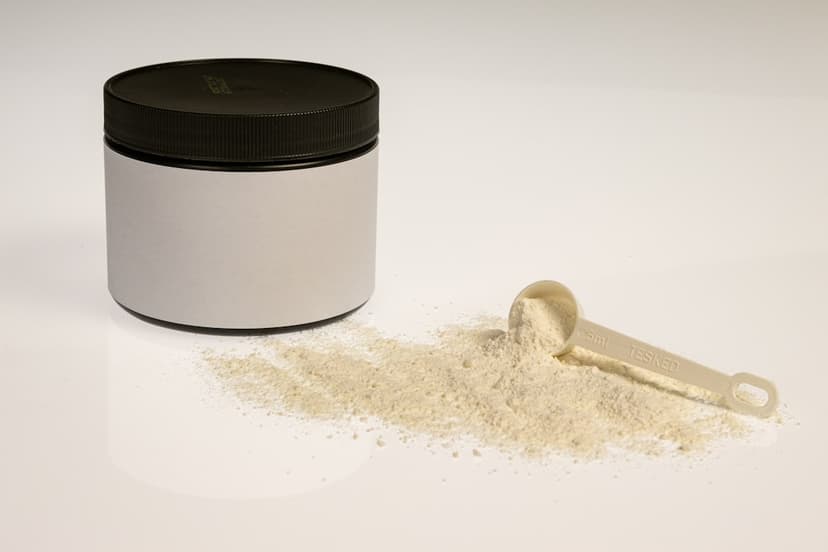
Creatine Quality Test: Micronized Powders Compared
This video takes a hands-on approach to a question many lifters have after seeing creatine trends on Instagram: are all “micronized” creatines the same? Two products labeled micronized are compared in real time using a kitchen scale, a 9 cc scoop to reach 5 grams, and a simple water-mixing test. The key insight is not that one dissolves instantly and the other does not, but that bulk density, particle fineness, and how much powder settles over time can look very different. Research still supports creatine monohydrate as effective, but quality and tolerability can vary.
Glossary Definition
Muscle is a type of tissue in the body that allows for movement and strength.
View full glossary entryHave questions about Muscle: Complete Guide?
Ask Clara, our AI health assistant, for personalized answers based on evidence-based research.