Why Muscle, Not Body Fat %, May Predict Health

Summary
If you have ever seen someone with a higher body fat percentage but “perfect labs,” you have bumped into the puzzle this video tackles. The core idea is muscle-first health: skeletal muscle is framed as the key system you can voluntarily improve, and doing so may support metabolic, cardiovascular, cognitive, and sexual health. The twist is not “fat does not matter,” but that location may matter more, especially *intramuscular adipose tissue* (fat within muscle). Because it is hard to measure, it is often ignored, yet it may track metabolic dysfunction trajectories in conditions like PCOS.
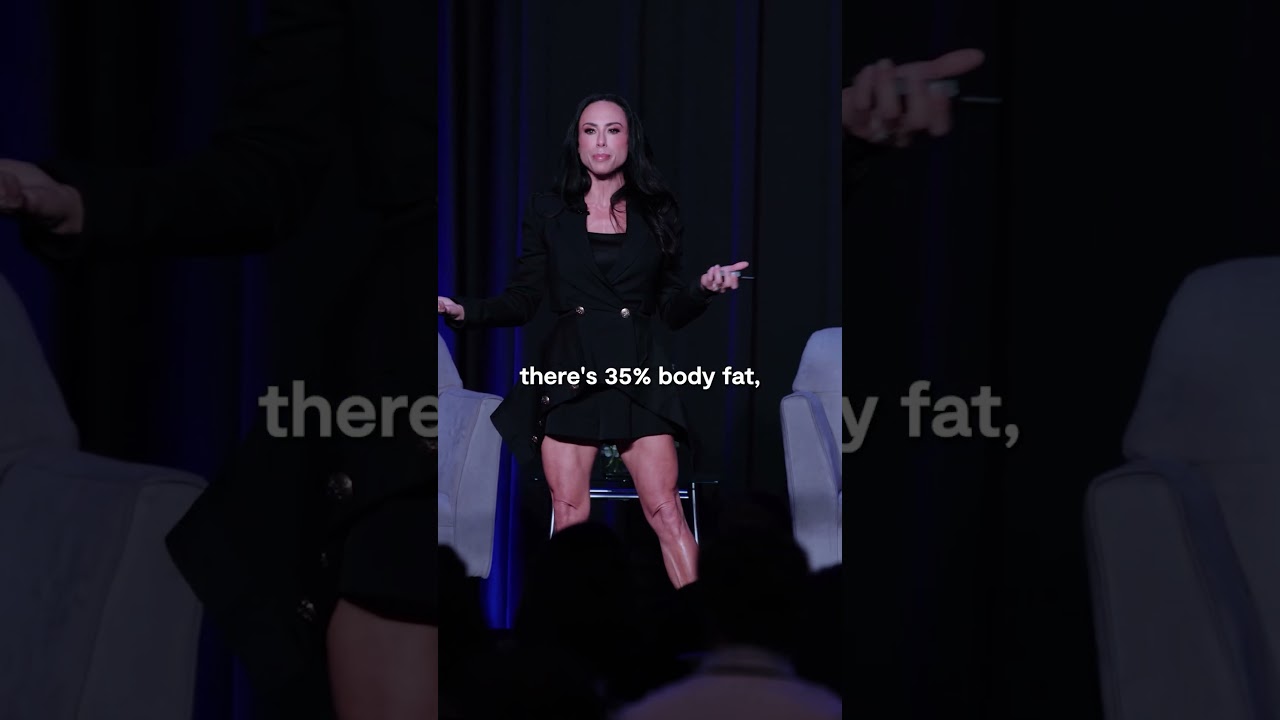
You step on a smart scale, see a body fat percentage you do not like, and assume your health future is set.
Then you meet someone who “looks” higher body fat, yet their blood markers look great. That mismatch is the puzzle this video tries to solve.
The health puzzle: when body fat % does not match your labs
The discussion challenges a common shortcut, using body fat percentage as the headline metric for health. The argument is not that fat never matters, but that body fat percent can be a noisy signal that misses where risk is building.
A vivid example is the “lineman” archetype, someone who might appear 35% body fat while showing excellent metabolic markers. This perspective uses that scenario to question whether total body fat is the main driver, or whether something else is happening inside the muscle itself.
Did you know? Body composition can be assessed in many ways, and some tools estimate fat and lean mass more accurately than others. Methods like DXA are often used in research and clinical settings, while consumer bioimpedance scales can vary in accuracy depending on hydration and other factors (NIH, Body Composition MethodsTrusted Source).
Why this view puts skeletal muscle at the center
Skeletal muscle is framed as the “pinnacle” organ system for health, because it is tightly linked to metabolic function and is one of the few systems you can change voluntarily through training.
This muscle-forward framing also connects outward: improve muscle, and you may support cardiovascular health, cognitive health, and sexual health. That is a big claim, so it helps to ground it in what muscle does. Muscle is a major site for glucose disposal and insulin sensitivity, and resistance training can improve glycemic control in many people (American Diabetes Association, exercise guidanceTrusted Source). Muscle also influences functional capacity as you age, and low muscle mass and strength are linked with higher risk of adverse outcomes in older adults (CDC on older adult strength and functionTrusted Source).
Pro Tip: If you are overwhelmed, start by training the “big rocks,” legs, hips, back, chest. More total muscle involvement usually means more bang for your time.
Q: If muscle is so important, should I ignore weight or body fat %?
A: Not necessarily. This viewpoint suggests those numbers can be incomplete, especially if they distract from building and maintaining muscle. If you have cardiometabolic risk factors, a clinician can help you choose measurements that fit your situation, including waist circumference, blood pressure, and lab markers.
Health educator, MS
»MORE: If you want a simple starting point, ask for a “strength training basics” handout from your clinic, or look for a program aligned with the Physical Activity Guidelines for AmericansTrusted Source.
The “wrong fat” idea: intramuscular adipose tissue
The key prediction in the video is that the fat that matters most may be intramuscular adipose tissue, meaning intramuscular adipose tissue (fat stored within muscle tissue). The claim is that “pathology begins” there, and that focusing only on total body fat misses early metabolic dysfunction.
A practical barrier is measurement. The speaker notes that intramuscular fat is “really difficult to measure,” contrasting routine practice in the US with settings where imaging is used more readily, mentioning Japan and low cost MRI access. In research and some specialty care, MRI and ultrasound can estimate muscle fat infiltration, but these are not standard screening tools for most people.
The video also ties this idea to PCOS through a conversation with clinician researcher Melanie Cree, described as a leading PCOS expert. The key point was trajectory, people with higher intramuscular adipose tissue on ultrasound were described as more likely to follow a path toward metabolic dysfunction.
Important: If you have PCOS, prediabetes, diabetes, or unexplained changes in energy, weight, or cycles, consider discussing metabolic screening with a licensed clinician. Imaging for intramuscular fat is not routine, but standard labs and blood pressure checks can still provide actionable information.
How to train for muscle-forward health (practical, not perfect)
This approach is less about chasing a single number and more about building capacity.
A simple weekly template
Key Takeaways
Frequently Asked Questions
- What is intramuscular adipose tissue?
- Intramuscular adipose tissue is fat stored within skeletal muscle. The video’s perspective is that higher levels may be linked with worse metabolic trajectories, even when overall body fat percentage is not extreme.
- Can someone have high body fat and still be metabolically healthy?
- Yes, it can happen, at least for a period of time. The video uses this mismatch to argue that muscle quality and where fat is stored may matter as much as total body fat percentage.
- How do I focus on muscle without obsessing over numbers?
- Use performance markers like strength gains, improved walking pace, or better stamina. Pair that with routine health checks with a clinician, especially if you have PCOS, prediabetes, or other risk factors.
Get Evidence-Based Health Tips
Join readers getting weekly insights on health, nutrition, and wellness. No spam, ever.
No spam. Unsubscribe anytime.