Maintain Great Bone Health With 4 Daily Anchors
Summary
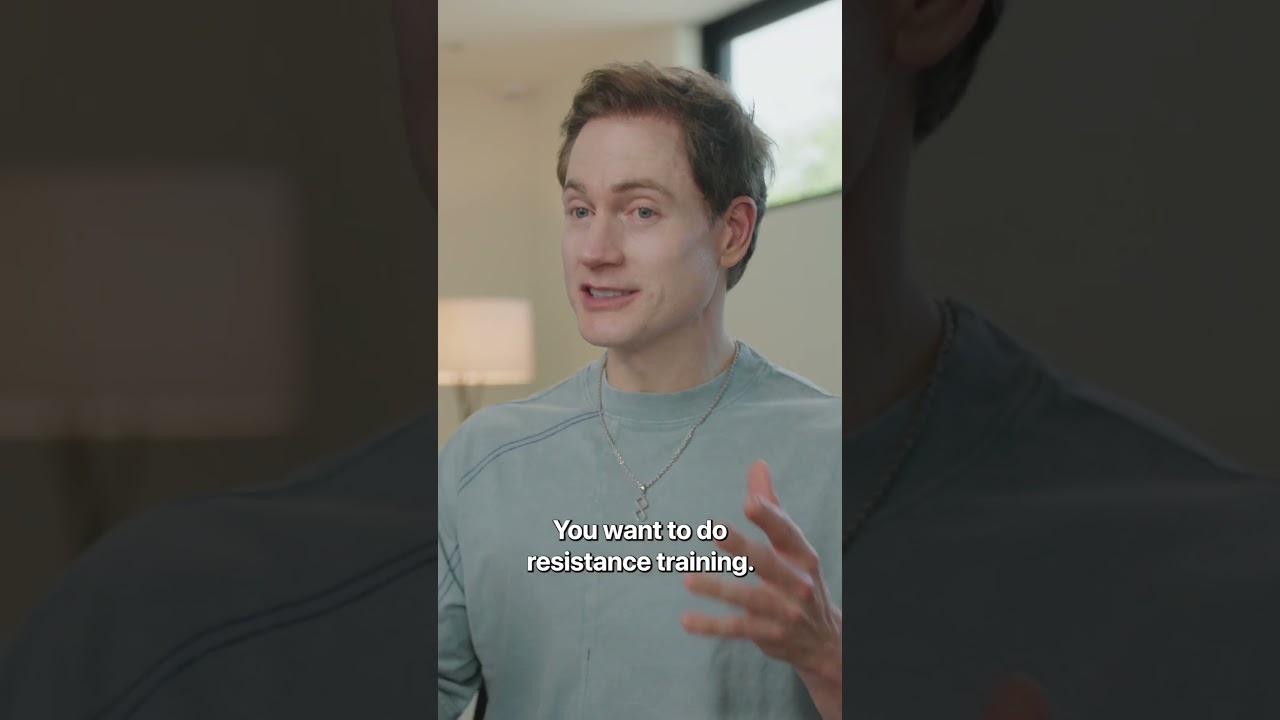
Weak bones rarely stay a “bone-only” problem. The video frames bone health as a foundation that can trigger a chain reaction: a fracture can limit exercise, then muscle loss and declining ability can follow. The expert’s no-nonsense solution is built around four anchors you can revisit daily: a highly nutritious diet, load-bearing and high-impact exercise (including plyometrics and resistance training), long-term stress reduction to avoid chronically high cortisol, and prioritizing sleep because remodeling happens overnight. The goal is simple: invest early so you can keep moving well for life.
You tweak your ankle stepping off a curb, and suddenly your week changes. You skip your usual walks. You sit more. You feel weaker faster than you expected.
That is the video’s core point: weak bones can start a chain reaction. A break can make you stop exercising, then you lose muscle, then you lose ability, and the slide continues. Bone strength is not just about avoiding a cast, it is about protecting your independence.
The chain reaction: why bone health is a foundation
The framing here is refreshingly blunt: bone health is an “invest now or pay later” system. The speaker even reminds you that your skeleton is not inert, it is a constant living process.
One line lands hard: your skeleton “rebuilds itself every 10 years.” The exact timing varies by bone and age, but the big idea is accurate, bone remodeling is continuous. That is why daily habits matter.
Did you know? Bone is living tissue that constantly breaks down and rebuilds through remodeling, and lifestyle factors like activity and nutrition help shape that process over time (NIH Osteoporosis overviewTrusted Source).
Anchor 1: Nutrition, build the raw materials
A “highly nutritious diet” is the first anchor because bones need building blocks every day.
What “highly nutritious” can look like in real life
Pro Tip: If you are unsure where you stand, ask your clinician whether checking vitamin D and reviewing calcium intake makes sense for you, especially if you have fracture risk factors.
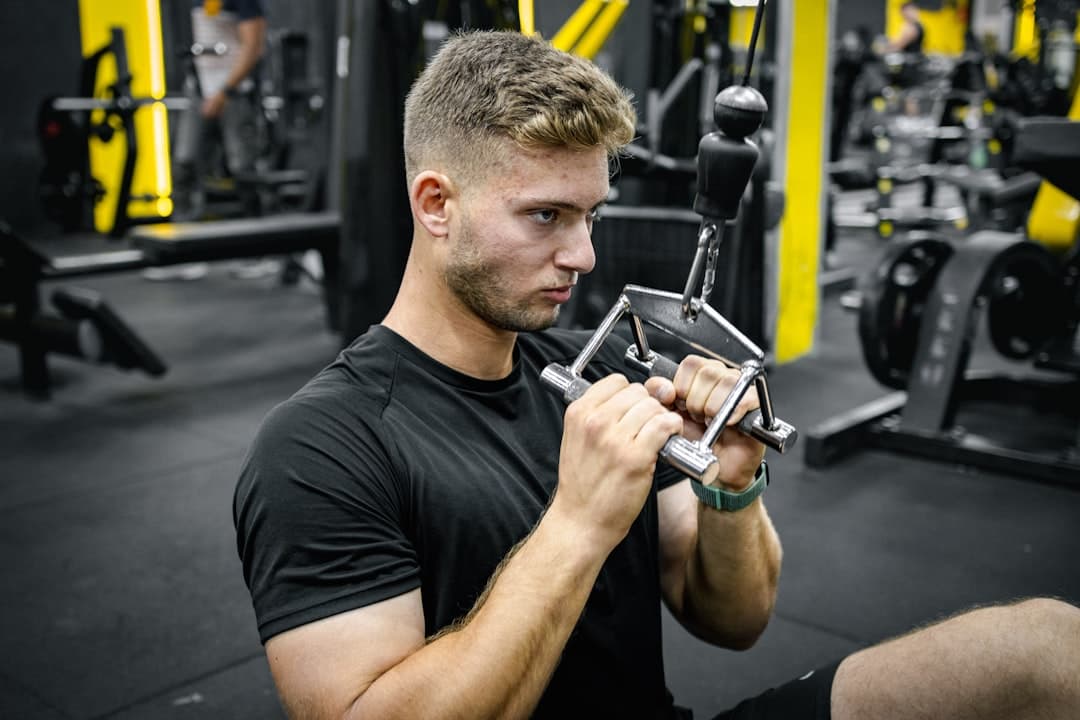
Anchor 2: Exercise, load your bones on purpose
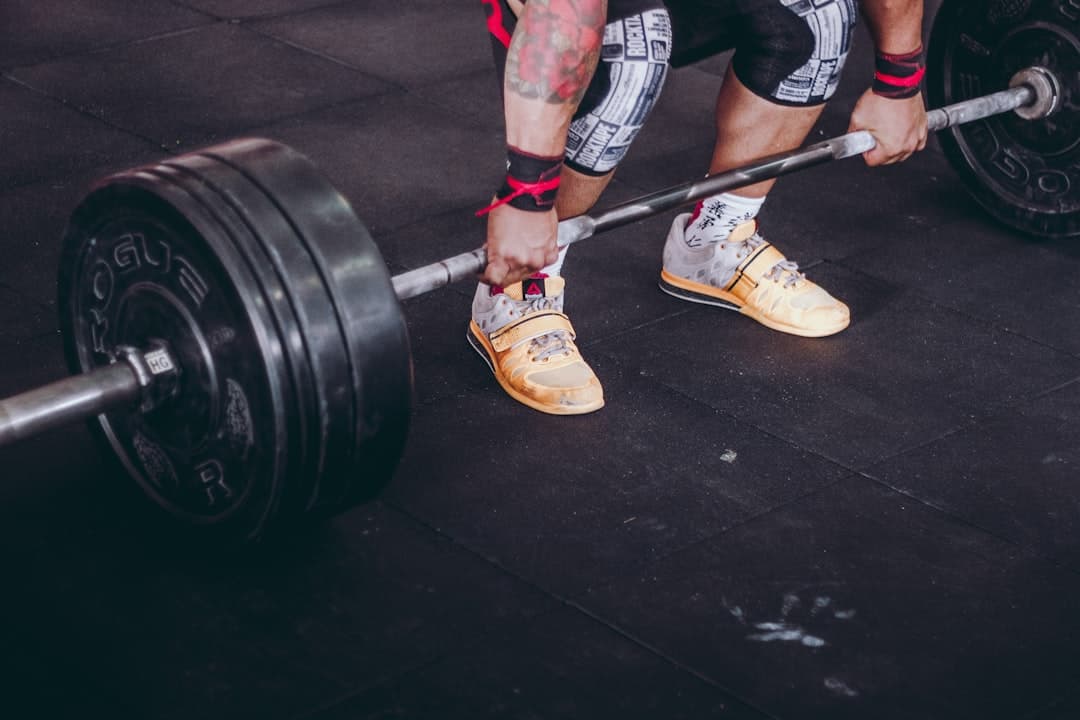
This perspective is direct: do load-bearing exercise, add resistance training, and use high-impact work like plyometrics when appropriate.
Bones respond to mechanical stress. Weight-bearing and resistance exercise are commonly recommended approaches to help maintain bone density, especially as we age (NIH Osteoporosis guidanceTrusted Source).
A practical “bone-loading” menu
Important: If you have osteoporosis, prior fractures, dizziness, or take medications that affect balance, talk with a clinician or physical therapist before starting high-impact or jumping drills.
Q: I have low bone density, should I avoid impact exercise completely?
A: Not always. Many people can do some form of weight-bearing and strengthening safely, but the right level of impact depends on fracture history, spine health, balance, and technique. A physical therapist can help you choose movements that load bone while reducing fall and twisting risk.
Dr. Maya Patel, MD, Family Medicine
Anchor 3 and 4: Stress down, sleep up
Chronic stress is not just “in your head.” The video highlights cortisol as a long-term bone problem, and research links excess glucocorticoids (including chronic exposure) with bone loss and fracture risk (NIH Osteoporosis overviewTrusted Source).
Sleep is the other non-negotiable. A lot of remodeling happens while you sleep, and observational research has found associations between poor sleep and lower bone density in some groups (NIH Osteoporosis overviewTrusted Source).
A simple nightly reset (no perfection required)
Q: If I only fix one thing first, should it be exercise or sleep?
A: Start with the one you can sustain this week. If you are sleeping poorly, improving sleep can make workouts safer and easier to stick with. If sleep is decent, adding two days of strength training is a strong first move for bones and for fall prevention.
Dr. Lena Morris, DO, Internal Medicine
Key Takeaways
Frequently Asked Questions
- What are load-bearing exercises for bone health?
- Load-bearing exercises are activities where your body works against gravity while you are on your feet, such as brisk walking, stair climbing, and many strength-training moves. They create mechanical stress that can help maintain bone density over time.
- Do plyometrics help bones, and are they safe?
- Plyometrics are jumping or quick-impact drills that can increase bone loading, which may support bone strength. They are not right for everyone, so it is smart to ask a clinician or physical therapist if you have osteoporosis, joint pain, or a fracture history.
- How does stress affect bone health?
- Chronic stress can raise cortisol over time, and long-term exposure to high glucocorticoid levels is linked with bone loss and higher fracture risk. Stress reduction is a practical bone strategy because it supports both sleep and recovery.
- Why is sleep important for bone remodeling?
- Bone is living tissue that constantly remodels, and the video emphasizes that much of this rebuilding happens during sleep. Research also links poor sleep with lower bone density in some populations, making sleep a key lifestyle lever.
Get Evidence-Based Health Tips
Join readers getting weekly insights on health, nutrition, and wellness. No spam, ever.
No spam. Unsubscribe anytime.