Budget Muscle Building: Achieve Your Fitness Goals for $8 a Day

Summary
This video’s core takeaway is practical: muscle building does not have to be expensive if you anchor your day around a few high-protein staples and keep “extras” minimal. The $8-a-day framework stacks protein across five moments, a smoothie breakfast (48 g), a chicken wrap lunch (43 g), a turkey stir fry post-workout (46 g), and a Greek yogurt snack before bed (27 g). It also budgets for 5 g creatine, a multivitamin, low-cost caffeine, an inexpensive gym membership, and a macro-tracking app. The bigger point is consistency, not perfection.

Building muscle can be cheaper than people assume.
This video’s unique perspective is that a muscle-building routine is mostly a budgeting problem: pick a few high-protein staples, repeat them, and keep the “nice-to-haves” inexpensive.
The $8-a-day idea, consistency beats fancy
The framing is analytical: the plan itemizes costs down to cents and treats muscle gain like a daily system you can sustain. Instead of chasing trendy foods, it leans on milk and whey as “most affordable protein sources,” then builds the rest of the day around common grocery items.
What’s interesting about this approach is that it also budgets for the environment that makes muscle possible, caffeine for training, a low-cost gym, and even diet tracking. That matters because adherence is often the real bottleneck.
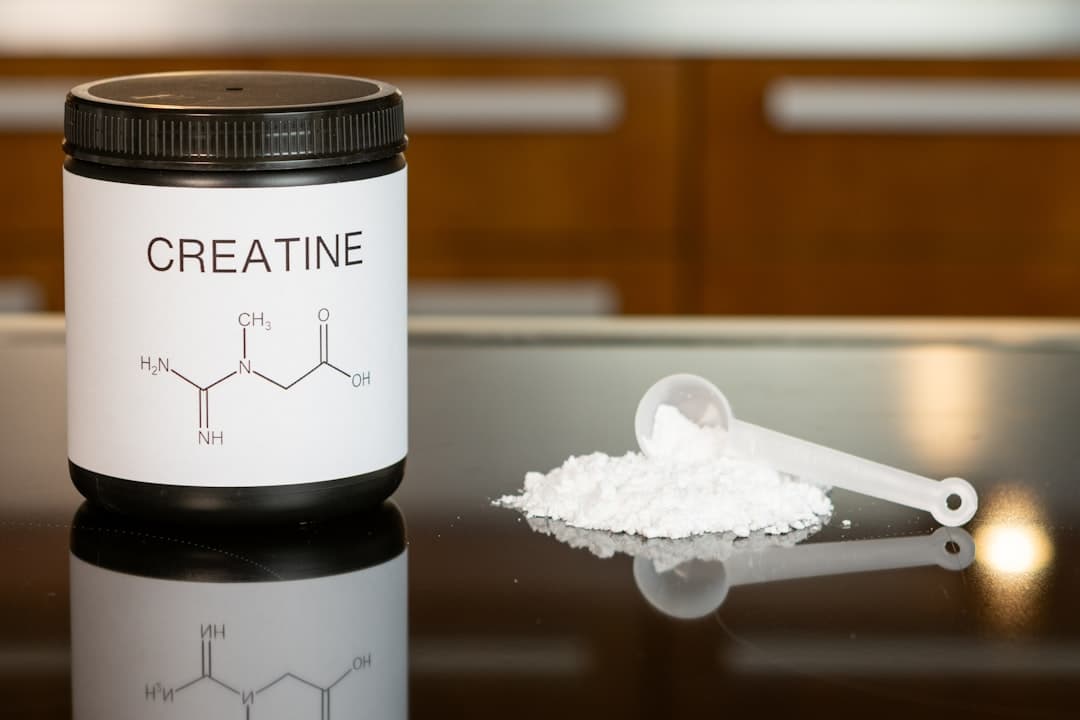
Did you know? Creatine is one of the most studied sports supplements, and research suggests it can improve strength and lean mass gains when paired with resistance training (International Society of Sports Nutrition position standTrusted Source).
The day of eating, built around protein anchors
The day starts with an “anabolic” smoothie: milk, peanut butter, whey, banana, and oats, listed at 48 g protein for about $1.50. It is a high-protein, high-calorie base that is easy to repeat.
Lunch is positioned as pre-workout fuel: a chicken wrap with brown rice, spinach, cheese, salsa, sour cream, and a whole wheat tortilla, estimated at 43 g protein. It is not “clean eating,” it is a portable, repeatable meal that hits protein and carbs.
Post-workout is a turkey and veggie stir fry at 46 g protein. Then the day closes with a bedtime snack: Greek yogurt and peanut butter dip with apple slices and sunflower seeds for 27 g protein.
Pro Tip: If the smoothie feels too heavy, keep the same structure but reduce oats or peanut butter, then add them back as your training volume increases.
Supplements and performance on a budget
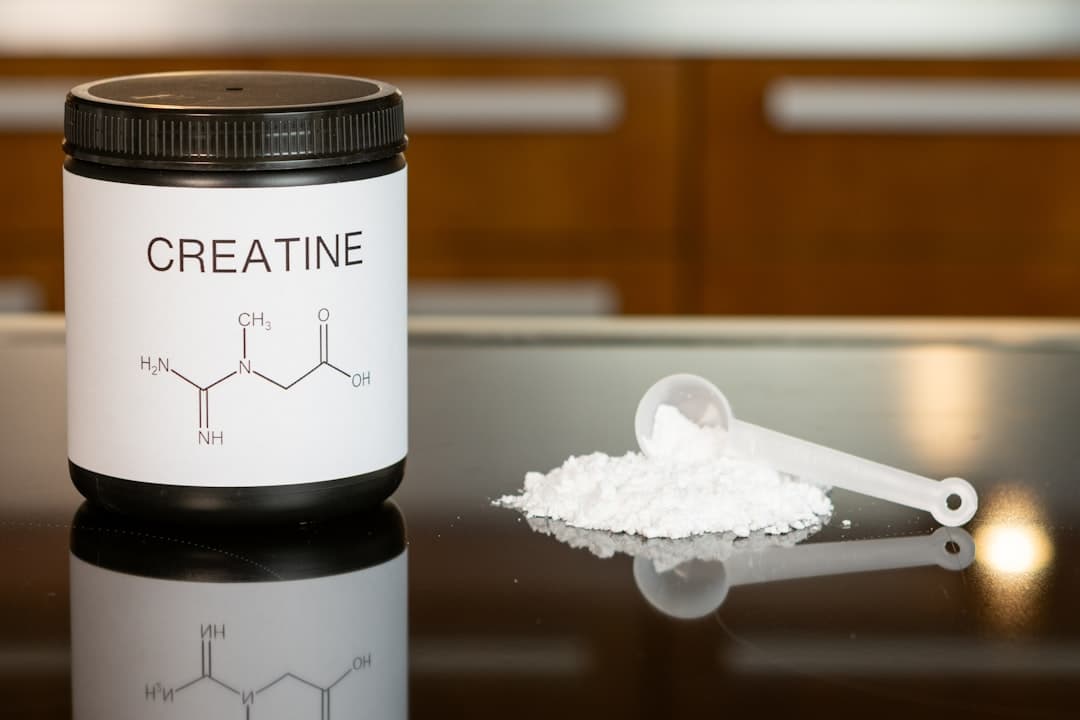
The supplement stack is intentionally minimal: 5 g creatine (priced at about $0.15) plus a multivitamin (about $0.05). The expert’s point is not that supplements replace food, but that a small, evidence-based add-on can fit the budget.
Caffeine is treated as a tool, not a ritual: a cup of coffee (about $0.02) or a caffeine pill (about $0.05). Caffeine can improve exercise performance for many people, but sensitivity varies and higher doses can worsen anxiety, reflux, or sleep (NIH Office of Dietary Supplements, CaffeineTrusted Source).
Important: If you are pregnant, have heart rhythm issues, uncontrolled blood pressure, or take stimulant medications, ask a clinician before using caffeine pills or higher caffeine doses.
Make it work in real life: swaps, safety, and adherence
A key practical claim is that training access can be cheap: gyms in the US and Canada can run $10/month, roughly $0.33/day. The plan also budgets MacroFactor tracking at about $0.20/day on an annual plan, reflecting the belief that visibility drives consistency.
How to run this plan for one week
Q: Do I need whey to build muscle on a budget?
A: No. Whey is convenient and often cost-effective per gram of protein, but you can use milk, eggs, canned fish, beans plus rice, or more poultry instead. The bigger lever is meeting your daily protein target consistently.
Jordan Lee, RD (Registered Dietitian)
Q: Is 5 g creatine every day necessary, and is it safe?
A: Many studies use 3 to 5 g daily, and it is generally considered safe for healthy adults when used as directed, but it is not appropriate for everyone. If you have kidney disease or unexplained kidney issues, check with your clinician before using creatine (ISSN creatine position standTrusted Source).
Jordan Lee, RD (Registered Dietitian)
Key Takeaways
Frequently Asked Questions
- Can I follow this $8-a-day approach if I do not eat meat?
- You can keep the same structure and swap chicken and turkey for budget proteins like beans, lentils, tofu, tempeh, eggs, and Greek yogurt, if tolerated. Aim for a consistent daily protein target and use tracking for a week to see if you are actually hitting it.
- Will caffeine pills work better than coffee for workouts?
- They can be more precise for dosing, but they may also increase the risk of taking too much too quickly. If you use caffeine, consider starting with a lower amount and avoid late-day use if it disrupts sleep.
- Is a multivitamin required for muscle building?
- Not necessarily. A multivitamin can be a low-cost “insurance” in some diets, but it does not replace protein, calories, training, sleep, or fruits and vegetables.
Get Evidence-Based Health Tips
Join readers getting weekly insights on health, nutrition, and wellness. No spam, ever.
No spam. Unsubscribe anytime.