High-Dose Creatine and Brain Function in Dementia

Summary
If you have watched a loved one struggle to find words or follow a story, you know how badly we want simple tools that might help. This video spotlights a small but intriguing 8-week pilot study in clinically diagnosed dementia: 20 grams of creatine per day (10 g twice daily) was linked to better performance on standardized cognition tests compared with baseline. The discussion also tackles a common fear, kidney harm, and points to possible brain energy mechanisms. It is promising, but not proof, because the study did not include a placebo group.
🎯 Key Takeaways
- ✓A single-arm 8-week pilot study gave people with clinically diagnosed dementia 20 g/day creatine (10 g twice daily) and reported improved cognitive test scores vs baseline.
- ✓Improvements were seen across multiple standardized measures, including aggregated total cognition, short-term working memory, picture vocabulary, and oral reading recognition.
- ✓The video highlights that 65% of participants had one APOE4 allele, raising the question of whether genotype could matter for who responds.
- ✓Kidney lab concerns are addressed: serum creatinine rose modestly (0.95 to 1.25 mg/dL) while BUN did not change over 8 weeks at 20 g/day.
- ✓Proposed mechanisms include shifts in brain creatine to phosphocreatine balance that may support mitochondrial energy and possibly reduce inflammation and oxidative stress.
A familiar puzzle: can a muscle supplement help the brain?
You are reading a sentence out loud to a parent, and halfway through, they lose the thread. Later, they ask the same question again, not to be difficult, but because the memory did not “stick.”
This video explores a surprising angle on that painful puzzle: creatine, a supplement most people associate with muscle building, might also relate to brain energy and cognition.
The key insight is not that creatine “treats” dementia. It is that a small, early study saw measurable improvements on standardized cognitive tests after a short period of high-dose creatine.
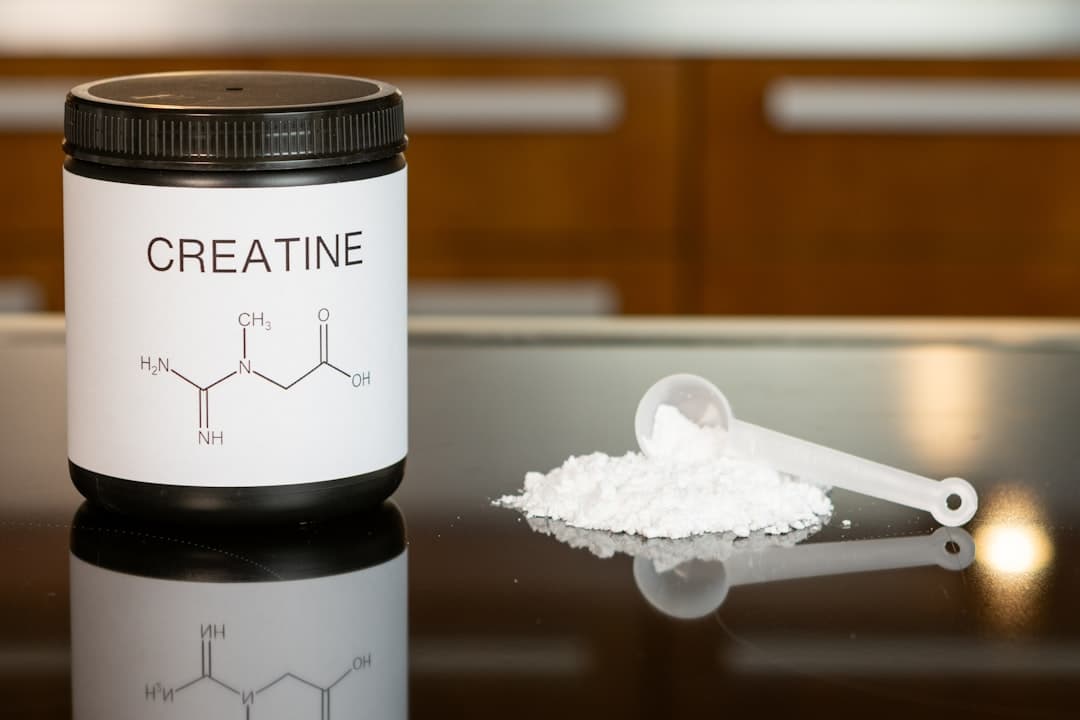
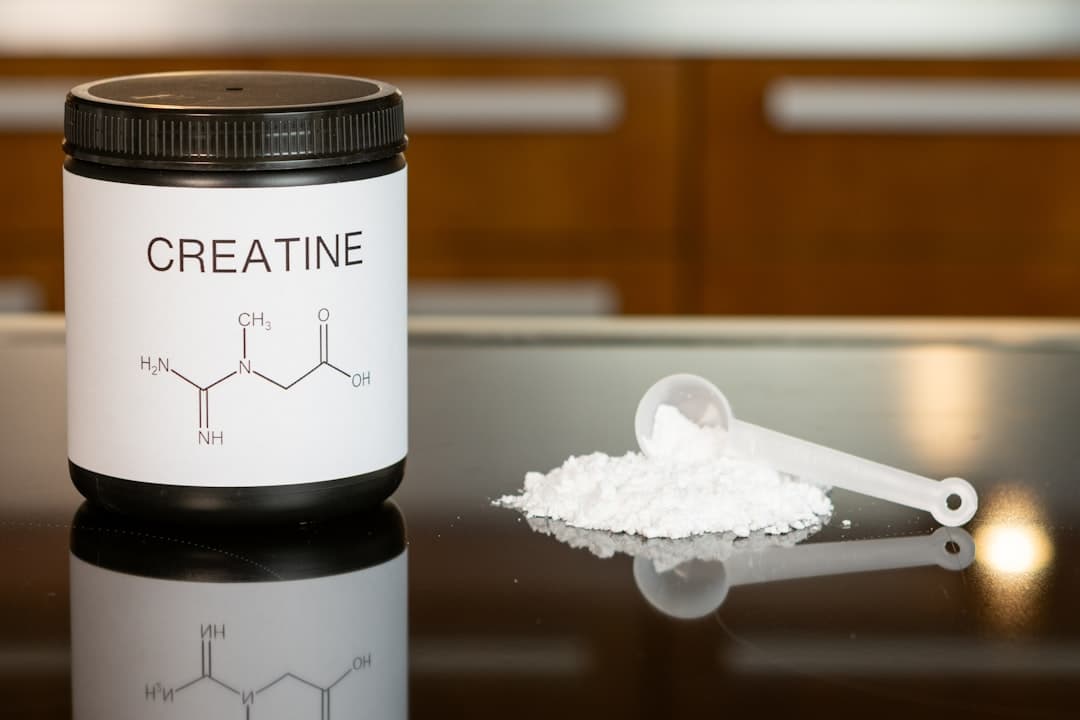
Did you know? Creatine is naturally found in meat and is also made in the body, then stored largely in muscle, but it is used in the brain too for cellular energy buffering via phosphocreatine.
What the 8-week dementia creatine pilot actually did
This discussion centers on a single-arm, 8-week pilot study from the University of Kansas in people with clinically diagnosed dementia. Participants took 20 grams per day, split as 10 grams twice daily, for 8 weeks.
No placebo group was included, which matters. Without a comparison group, improvements could reflect practice effects on tests, changes in routine, or other factors.
What improved, according to the video
The investigators measured “before and after” performance using objective, standardized assessments:
What the research shows: Creatine is widely studied for strength and high-intensity performance, with a strong safety record at typical doses in healthy adults, according to the International Society of Sports Nutrition position standTrusted Source.
Why APOE4 shows up in this conversation
One detail the speaker emphasizes is that 65% of participants had one APOE4 allele. APOE4 is a genetic variant associated with higher Alzheimer’s risk in many populations, and it may influence brain metabolism and resilience.
This framing leads to a practical question some viewers will ask: if you know your APOE status, could that help identify who might be worth studying with higher-dose creatine? It is still a hypothesis, not a clinical recommendation, but it is part of what makes this video’s perspective feel targeted rather than generic.
Q: If I have APOE4, should I take 20 g/day creatine?
A: The study described was small and did not include a placebo group, so it cannot tell us who “should” take a high dose. If you are considering creatine, especially at 20 g/day, it is smart to discuss it with a clinician who knows your kidney history and medications.
Health educator perspective, based on the study details discussed in the video
Kidney fears, creatinine labs, and what changed in the study
Creatine makes many people nervous because it can raise serum creatinine, a lab marker often used to estimate kidney function.
The video points to an older case report that fueled concern, then contrasts it with the pilot’s lab changes. Even at a “super-physiologic” intake of 20 g/day, serum creatinine increased from 0.95 mg/dL to 1.25 mg/dL, while blood urea nitrogen (BUN) did not change over 8 weeks.
A practical way to think about labs
Important: If you already have chronic kidney disease, are dehydrated, or take medicines that affect kidney function, high-dose supplements deserve extra caution and medical supervision. For general kidney health context, see the National Kidney FoundationTrusted Source.
How creatine might support cognition (the working theory)
The proposed mechanism is about energy. The investigators speculate that brain creatine to phosphocreatine ratios may help support mitochondrial bioenergetics, and potentially reduce inflammation and oxidative stress.
This fits with why creatine has shown up in other brain-related contexts mentioned in the video, including a sleep deprivation study and a depression study where 5 to 10 g/day was used alongside cognitive behavioral therapy.
Pro Tip: If you and a clinician decide to try creatine, ask about a plan that covers dose, hydration, and when to recheck labs, especially if you are considering amounts above the common maintenance range of 3 to 5 g/day discussed in sports nutrition guidance like the ISSN position standTrusted Source.
Key Takeaways
Frequently Asked Questions
- Is 20 grams of creatine per day a typical dose?
- No. The video focuses on a research pilot using 20 g/day (10 g twice daily), which is higher than the common maintenance range often discussed for fitness. Higher doses should be considered only with clinician input and appropriate lab monitoring.
- Does creatine raise creatinine, and does that mean kidney damage?
- Creatine supplementation can raise serum creatinine because creatinine is a breakdown product, but that does not automatically mean kidney damage. If you have kidney disease risk factors, it is important to discuss interpretation and monitoring with a healthcare professional.
- What cognitive areas improved in the dementia pilot described?
- The video describes improvements compared with baseline in aggregated total cognition and specific measures such as short-term working memory, picture vocabulary, and oral reading recognition. Because there was no placebo group, the findings need confirmation in larger controlled trials.
Get Evidence-Based Health Tips
Join readers getting weekly insights on health, nutrition, and wellness. No spam, ever.
No spam. Unsubscribe anytime.