Muscle-Building Diet Over 50, A Nutritionist’s Day

Summary
If you are over 50 and feel like fat loss is harder while energy and muscle are slipping, this nutritionist’s approach focuses on two levers, protein and timing. The day starts with a high-protein breakfast (not skipping), then a simple leftover-based lunch built around protein, vegetables, healthy fats, and a small amount of slow carbs. Dinner is a smaller repeat of lunch, finished early enough to protect sleep and blood sugar. The “satiety trifecta” (protein, fat, fiber) and a consistent 12 to 14 hour overnight fast are the backbone, with practical rules for caffeine, wine, and shutting the kitchen down.
🎯 Key Takeaways
- ✓A high-protein breakfast (about 30 to 40 g) is positioned as a cornerstone for appetite control and better choices later in the day.
- ✓Aim for a higher daily protein intake after 50, roughly 0.7 to 1.0 g per pound of target body weight, then distribute it across meals.
- ✓Build meals with the “satiety trifecta”, protein first, then fiber-rich non-starchy vegetables, plus healthy fats, and optional slow carbs.
- ✓Eat earlier to match circadian rhythm, finish dinner 2 to 4 hours before bed, then “shut the kitchen down” for a simple 12 to 14 hour overnight fast.
- ✓Alcohol and late caffeine can quietly disrupt sleep, and sleep disruption can feed hunger and metabolic struggles, so track your response and experiment with cutoffs.
“Should I skip breakfast after 50?” The controversy this plan rejects
“Do I have to eat breakfast to lose weight, or is intermittent fasting better?”
That question shows up again and again for women over 50, especially if you are trying to lose body fat without feeling drained, and you also want to build or keep muscle. The viewpoint in this video is unusually direct: skipping breakfast is a no-go for this goal.
The argument is not that fasting is always “bad.” It is that for many women in midlife, skipping the first meal can backfire by increasing cravings, pushing you toward higher-carb convenience foods later, and making it harder to hit protein targets that support muscle.
A key detail from the discussion is the contrast between three common mornings:
What the research shows: Higher-protein meals tend to improve satiety (feeling full) compared with lower-protein meals, which can support weight management over time. This aligns with broader findings on protein and appetite regulation discussed by sources like the Harvard T.H. Chan School of Public HealthTrusted Source.
The video also leans on a circadian framing: eat when your body is most prepared to handle food. In plain terms, that means more of your calories earlier in the day, and less late at night.
Light exposure is part of that story too. Morning light helps regulate your body clock, which can influence sleep and metabolic rhythms. Research suggests that bright light exposureTrusted Source is one cue that helps coordinate circadian timing.
Breakfast as a protein “bonanza”, the satiety trifecta in action
Breakfast is treated like a lever. Pull it the right way, and the rest of the day gets easier.
The core breakfast concept is what she calls the satiety trifecta: protein, healthy fats, and fiber. The goal is a slow, steady blood sugar response, fewer cravings, and a calmer appetite.
This perspective also highlights something called the “first meal effect,” meaning the first meal can set the tone for hunger, energy, and choices later. Whether or not you use that exact phrase, the practical takeaway is simple: if breakfast is mostly refined carbs, the rest of the day often turns into damage control.
A specific breakfast example from the video
One of her go-to breakfasts is intentionally simple:
That is the trifecta in a bowl.
Pro Tip: If you struggle to eat enough protein early, add protein to foods you already eat. Stir protein powder into yogurt, blend it into a smoothie, or pair eggs with a higher-protein side.
Timing matters, not just food
The day is structured around waking, light, and then eating.
The plan described looks like this: wake up, give your body time to “turn on,” get some sunshine, then eat breakfast about 2 hours after waking. The underlying idea is that your body is more insulin-sensitive and more active earlier in the day, so you may handle calories better then.
Research on time-restricted eating suggests that earlier eating windows may have metabolic advantages for some people, although results vary and lifestyle matters a lot. A helpful overview from the National Institutes of HealthTrusted Source discusses emerging findings and limitations.
Did you know? Sleep disruption is linked with changes in hunger hormones and appetite regulation. The NHLBITrusted Source notes that insufficient sleep can affect metabolism and increase hunger, which is one reason this plan protects sleep by avoiding late eating.
Q: I do not feel hungry in the morning, do I still need breakfast?
A: Some people genuinely have low morning appetite, especially if they eat late at night. This approach would first look at whether dinner timing, alcohol, or evening snacking is blunting morning hunger. If you want to try breakfast, start small but protein-forward, for example yogurt plus added protein, or eggs, then see how it affects cravings and energy later.
Video perspective summarized for readers, not individualized medical advice
»MORE: Want a one-page template? Create a “satiety trifecta” checklist for your fridge: protein first, then non-starchy veg, then healthy fats, then optional slow carbs.
Your protein target after 50, and why distribution matters
If breakfast is the lever, protein is the hinge.
The plan pushes protein higher than many women are used to, especially after 50. The reasoning is that you are trying to counter age-related muscle loss, support training, and avoid drifting into a low-protein pattern that is easy to maintain but hard to thrive on.
Here are the specific targets stated:
That is a meaningful amount. For someone with a 140 lb target weight, that is roughly 98 to 140 g per day.
The video also notes you may need to push toward the higher end if you are:
From a research standpoint, many experts agree protein needs can increase with age to help preserve lean mass, especially alongside resistance training. Reviews often discuss older adults benefiting from higher protein intakes than the minimum RDA. The International Society of Sports Nutrition position standTrusted Source summarizes evidence on protein amounts and distribution for active people.
Why “protein distribution” shows up in this plan
The strategy is not only about hitting a daily number. It is about spreading protein across meals so you keep giving your muscles building blocks throughout the day.
Breakfast and dinner are described as “bumper meals,” meaning they reinforce that 30 to 40 g level to keep you in a more anabolic (building) state longer.
A practical way to think about it:
Lunch made easy, leftovers, canned fish, and a smart carb add-on
Lunch is where the plan gets very real-world.
Cooking motivation is not assumed. The main “hack” is to cook extra protein at dinner so lunch is basically done the next day.
This is less about culinary creativity and more about consistency. When lunch is easy, you are less likely to grab a pastry, skip the meal, or under-eat protein and then overeat at night.
The lunchtime formula, built from the satiety trifecta
Lunch is framed as:
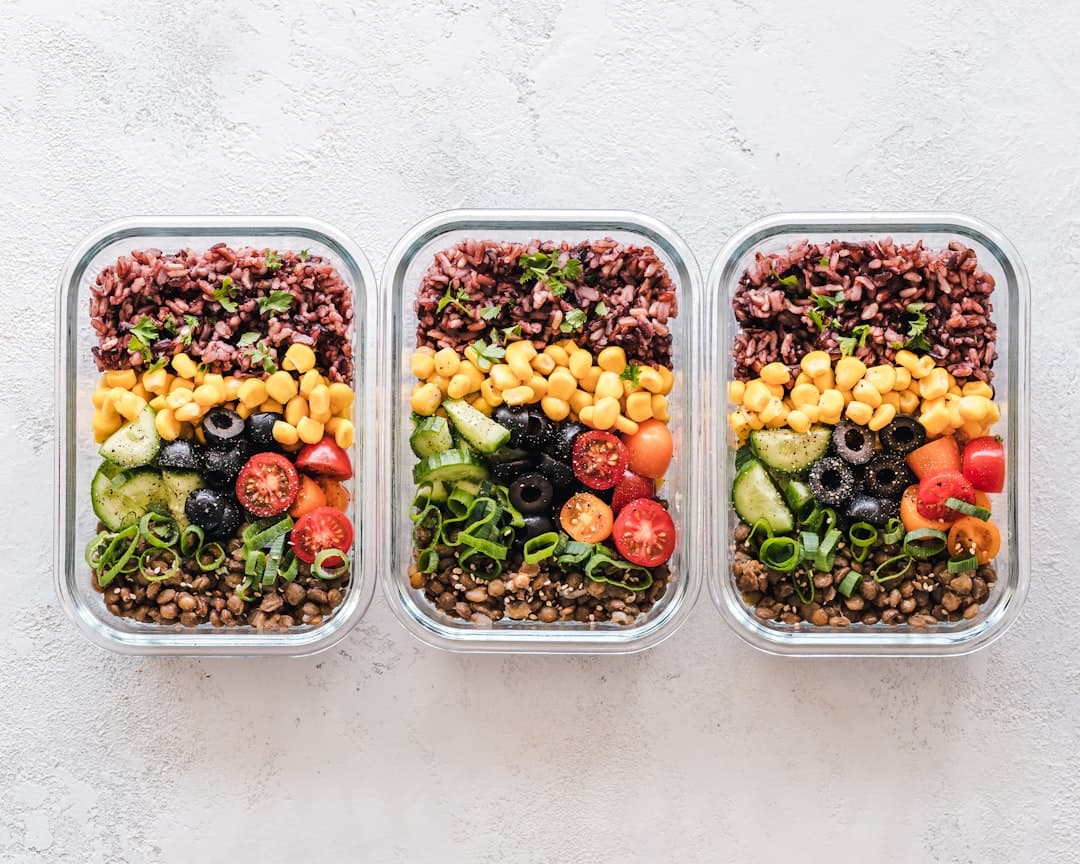
Examples used in the video include:
If there is no leftover protein, the backup plan is simple: open a can.
She mentions canned salmon or tuna as a convenient option.
Important: If you choose tuna often, consider varying your seafood choices to limit mercury exposure, especially if you are pregnant or could become pregnant. The FDA’s advice on mercury in fishTrusted Source can help you pick lower-mercury options.
The workout connection, carbs with a purpose
Carbs are not treated as the enemy here. They are treated as a tool.
After a workout, she likes adding slow, low carbs at lunch, often berries, to help replenish muscle glycogen so energy is better for the next session. That is a different framing than “cut carbs to lose weight,” and it is one reason this approach feels athlete-minded rather than purely diet-minded.
A balanced sports nutrition view from the American College of Sports MedicineTrusted Source discusses how carbohydrate needs vary with training volume and goals.
Dinner, smaller, earlier, and built for sleep and recovery
Dinner is not where you “make up for the day.”
This plan treats dinner like a closing routine that protects sleep.
The memorable phrase used is the old saying: eat breakfast like a king, lunch like a prince, dinner like a pauper. The point is not to undereat at dinner, it is to stop dinner from becoming an all-night event.
The timing rule that drives everything
Finish dinner at least 2 hours before bed, and ideally 3 to 4 hours before bed.
That spacing is framed as helpful for digestion, overnight blood sugar, and sleep quality. Late eating can worsen reflux for some people and can disrupt sleep, even when the meal is not huge.
Research suggests meal timing can influence sleep, and alcohol timing can as well. For sleep basics and factors that disrupt it, the NHLBI sleep health resourcesTrusted Source are a solid starting point.
What dinner looks like in this household
Dinner is described as similar to lunch, just a smaller version.
Protein is a centerpiece, with examples like:
Vegetables are made easy by keeping options on hand:
For slow carbs at dinner, she mentions choices that also feel sleep-friendly for her:
There is also a convenience pantry angle: legumes, wild rice, and specialty noodles like shirataki noodles.
The after-dinner “kitchen closed” ritual
The key behavioral rule is straightforward: shut that kitchen down after dinner.
If you want something later, the video offers two practical substitutes:
That ritual matters because it makes a 12 to 14 hour overnight fast almost automatic. If you eat breakfast about 2 hours after waking and stop eating 2 to 4 hours before bed, the fasting window happens without white-knuckling.
Caffeine, wine, and the hidden sleep and hunger feedback loop
Many plans talk about macros. This one keeps circling back to sleep.
The underlying trade-off is clear: you can chase fat loss harder, or you can protect sleep harder. For women over 50 who want energy and muscle, the sleep-protection strategy often wins.
Coffee: know your cutoff
The speaker describes herself as a fast caffeine metabolizer, but still chooses to stop caffeine at noon.
For someone who is more sensitive, she suggests a much earlier cutoff, around 9:00 a.m., then adjusting based on sleep and how you feel.
Caffeine timing is highly individual. Caffeine has a half-life that can keep it in your system for hours, and sensitivity varies. A science-based overview from the Sleep FoundationTrusted Source explains how caffeine can affect sleep quality and latency.
Wine: the “monitor it like a grown-up” approach
Wine is handled with unusual honesty.
The video’s framing is not moralistic. It is experimental: if you drink, keep it to one glass, avoid having it right before bed, and watch what it does to your sleep metrics (she mentions the Oura Ring).
There is also a practical suggestion: if you want wine, having it earlier in the day or with lunch may be less disruptive than having it at bedtime, although she notes that wine at lunch can make some people sleepy.
She also describes a personal shift: from one or two glasses a day to one or two glasses a month, after seeing a “massive change” in sleep tracking.
Quick Tip: If you want to know whether alcohol is quietly sabotaging your sleep, try an “elimination experiment.” Take a full week off, then reintroduce one drink with dinner (not at bedtime) and compare sleep and next-day hunger.
Alcohol is well known to disrupt sleep architecture even if it helps you fall asleep faster. The National Institute on Alcohol Abuse and AlcoholismTrusted Source describes how alcohol can reduce sleep quality and increase nighttime awakenings.
Why this matters for fat loss and muscle
Sleep disruption can change appetite, cravings, and how hard workouts feel.
If you sleep poorly, you may feel hungrier, reach for quick carbs, and have less motivation to train. Over time, that can make it harder to maintain a calorie deficit without losing muscle.
This is the loop the video keeps pointing to: protect sleep to protect metabolism, then nutrition becomes easier.
Q: Is a 12 to 14 hour overnight fast the same as intermittent fasting?
A: It is a form of time-restricted eating, but it is gentler than many fasting protocols. In this approach, the fasting window happens naturally by eating breakfast a couple hours after waking and finishing dinner a few hours before bed. If you have diabetes, a history of disordered eating, or take glucose-lowering medications, it is wise to discuss timing changes with your clinician.
Video perspective summarized for readers, not individualized medical advice
Key Takeaways
Frequently Asked Questions
- What is a “high-protein breakfast” in this approach?
- It means aiming for about 30 to 40 grams of protein at breakfast, often paired with healthy fats and fiber. One example from the video is Greek-style yogurt mixed with protein powder, plus flax meal and berries.
- How much protein per day does the video suggest for women over 50?
- The video suggests at least 100 grams per day, with a more individualized target of about 0.7 to 1.0 grams per pound of target body weight. Needs may be higher if you are training hard or eating more plant-based.
- Why does the plan emphasize finishing dinner early?
- Finishing dinner 2 to 4 hours before bed is meant to support digestion, steadier overnight blood sugar, and better sleep. Better sleep can make appetite and energy easier to manage the next day.
- What does the “satiety trifecta” mean?
- It is the combination of protein, healthy fats, and fiber in a meal. The goal is to feel full longer and avoid sharp blood sugar spikes and crashes.
- Can I still drink wine if I am trying to lose fat after 50?
- The video suggests limiting wine to one glass, having it with dinner rather than at bedtime, and monitoring how it affects your sleep. If you notice worse sleep or higher next-day hunger, reducing or pausing alcohol may be worth discussing with your clinician.
Get Evidence-Based Health Tips
Join readers getting weekly insights on health, nutrition, and wellness. No spam, ever.
No spam. Unsubscribe anytime.