What a Good Breakfast Looks Like for Athletes
Summary
Many popular breakfasts, like avocado toast, fruit, sweetened yogurt, cereal with milk, or a muffin and latte, can look healthy but still leave out a key piece: protein. This video’s core message is simple, break your overnight fast with protein, ideally around 30 grams, to support muscle protein synthesis, feel fuller, and keep blood sugar steadier for more consistent energy. This article unpacks that perspective, shows practical ways to reach 30 grams, and covers edge cases like early workouts, low appetite mornings, and medical considerations.
🎯 Key Takeaways
- ✓Common “healthy” breakfasts can be carb heavy and low in protein, which may leave you less satisfied.
- ✓This approach emphasizes breaking your fast with protein, with a practical target of about 30 g at breakfast.
- ✓A higher protein breakfast may support *muscle protein synthesis*, satiety, and steadier blood sugar and energy.
- ✓You can keep favorite foods like avocado toast or fruit, but pair them with a protein anchor to hit the target.
- ✓Edge cases matter, early training, low morning appetite, and medical diets may require individualized adjustments.
Why breakfast matters beyond “healthy vibes”
Breakfast can set the tone for your training day, not just your mood.
If your first meal leaves you hungry an hour later, or foggy by midmorning, it can quietly affect practice quality, recovery, and even food choices later in the day. For athletes and active people, breakfast is also one of the easiest times to consistently hit protein goals.
Did you know? Protein needs are often higher for people who train, and sports nutrition guidance commonly suggests distributing protein across the day in multiple meals, not saving it all for dinner. The International Society of Sports Nutrition summarizes this approach in its position stand on proteinTrusted Source.
The video’s main point: many breakfasts miss protein
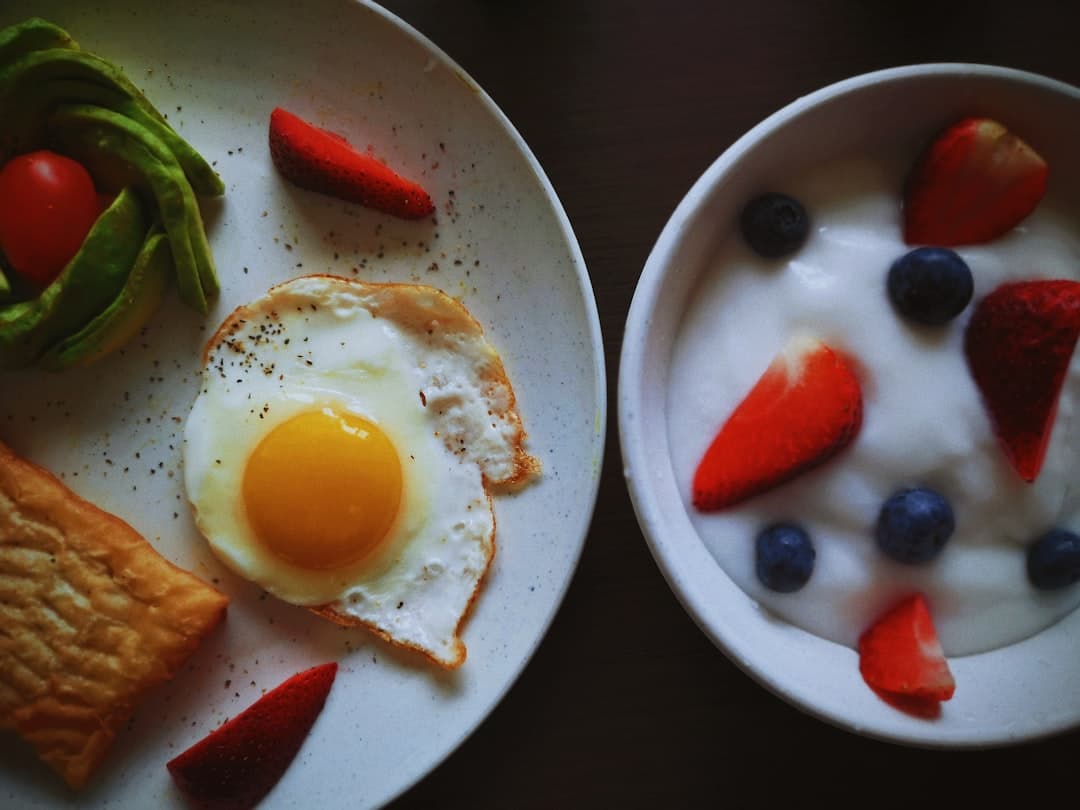
The breakfast line up in the video is familiar: avocado toast, a bowl of fruit, sweetened yogurt with fruit on the bottom, cereal with milk, or the muffin and a latte.
The critique is not that these foods are “bad.” The issue is that, as a pattern, they can be light on protein and heavy on quick carbs or added sugars, especially sweetened yogurt, pastries, and many cereals. This framing emphasizes one missing lever that can change how breakfast feels in your body: protein.
Here’s the key insight: “break your fast with protein.” In other words, make protein the anchor, then build the rest of the plate around it.
Pro Tip: Keep your usual breakfast, but add a “protein plug in.” If you love avocado toast, add 2 to 3 eggs, cottage cheese, smoked salmon, or a side of Greek yogurt so the meal reaches about 30 g protein.
Why 30 grams at breakfast is the “mission critical” number
The speaker calls out a specific target: at least 30 g of protein when you break your fast.
This perspective ties that number to three outcomes: turning on muscle protein synthesis (your body’s process of building and repairing muscle proteins), improving satiety (feeling full), and supporting blood sugar balance for steadier energy. Research suggests higher protein meals can increase fullness and reduce hunger compared with lower protein meals, partly through appetite hormones and slower gastric emptying. For a broader evidence based overview, see Harvard T.H. Chan’s discussion of protein and healthTrusted Source.
What the research shows: Sports nutrition literature commonly supports protein distribution across meals, and many athletes benefit from regular protein doses rather than a single large serving late in the day. See the ISSN protein position standTrusted Source.
How to build a 30 g protein breakfast (without overthinking it)
You do not need a perfect meal, you need a repeatable template.
A simple “protein first” checklist
3 quick breakfast builds that often land near 30 g
Nuances and edge cases: workouts, appetite, and health needs
Early training can change the plan. Some people cannot tolerate 30 g protein immediately before a hard session, so a smaller pre workout bite followed by a higher protein breakfast afterward may be more comfortable.
Low appetite mornings are common, especially with stress or early practices. In that case, a drinkable option can be easier than chewing, and you can gradually increase protein over time.
Important: If you have kidney disease, are pregnant, have diabetes using insulin or sulfonylureas, or have a history of disordered eating, talk with a clinician or sports dietitian before making big protein or timing changes. Individual targets and medication timing matter.
Q: Do I really need 30 g of protein at breakfast if I am not trying to build muscle?
A: The video’s argument is that protein at breakfast supports more than muscle, it may also help with fullness and steadier energy. Even if muscle gain is not your goal, a higher protein breakfast may still be useful, but the best amount depends on your body size, activity level, and health needs.
Sports nutrition professional perspective
Key Takeaways
Frequently Asked Questions
- Is avocado toast a bad breakfast?
- Avocado toast can be a nutritious base, but the video’s point is that it often lacks protein on its own. Pairing it with a protein source can make the meal more filling and supportive of training goals.
- What counts as 30 grams of protein at breakfast?
- A protein focused breakfast often reaches 30 grams using foods like Greek yogurt, eggs, cottage cheese, tofu, or a protein shake. Exact amounts vary by brand and portion size, so checking labels can help.
- Can a high protein breakfast help with energy crashes?
- It may help some people by improving satiety and supporting steadier blood sugar after the meal. If you take glucose lowering medication or have diabetes, it is smart to discuss meal changes with your clinician.
Get Evidence-Based Health Tips
Join readers getting weekly insights on health, nutrition, and wellness. No spam, ever.
No spam. Unsubscribe anytime.