Nutrition & Diets

100 Days to a Healthier Physique: A Practical Plan

100 Days to a Healthier Physique: A Practical Plan
ByHealthy Flux Editorial Team
Published 12/30/2025 • Updated 12/30/2025

Summary

If you have ever wanted a clear deadline to finally follow through on nutrition and training, a 100-day transformation window can be a powerful motivator. This article breaks down the video’s unique angle, a “100K in 100 days” challenge that rewards visible change but also values muscle gain and improved health, not just looks. You will learn how to set realistic goals, take fair before-and-after measurements, use food tracking to support consistency, and build habits that are safer and more sustainable than crash dieting.
100 Days to a Healthier Physique: A Practical Plan
▶️
▶️ Watch Video
⏱️1 min read

You start strong on day 1, then life happens. A missed workout turns into a missed week, and your “fresh start” quietly disappears.

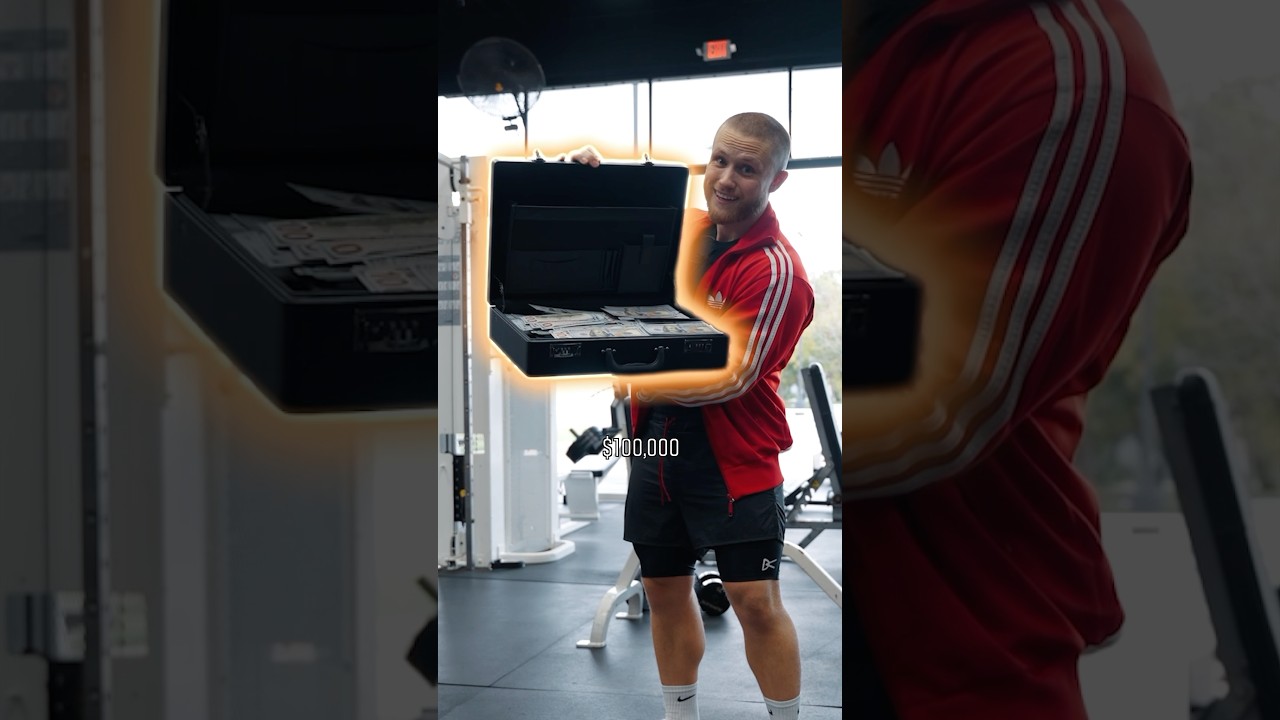
This video’s hook is simple: commit to a 100-day physique transformation, with a $100,000 giveaway attached. The framing is not subtle, a big deadline, a big incentive, and a clear finish line.

A 100-day deadline can change your follow-through

A short, defined window can make habits feel urgent.

The challenge is presented as “100K in 100 days,” with entries open from January 1 through January 10, then a winner selected 100 days later. That structure matters because it reduces the endless “I’ll start next Monday” loop and replaces it with a measurable season of effort.

What is interesting about this approach is that it treats consistency like a project. You do not need to be perfect every day, but you do need enough repeatable actions that your body composition can shift over time.

Pro Tip: Pick a daily “minimum standard” you can do even on bad days, for example, hit your protein target and take a 20-minute walk. Minimums protect momentum.

What counts as a “transformation” in this challenge

The discussion highlights that visual transformations are a major factor, but it also “counts other goals like building muscle or improving your health.” That is a useful reminder for real life, because scale weight alone can miss meaningful changes.

Health wins to track alongside photos

Strength and performance markers. Add a simple lift log, even just push-ups, squats, or machine weights. Muscle gain can happen alongside fat loss, especially for newer lifters, and tracking performance makes progress visible.
Energy, sleep, and recovery. If your plan leaves you exhausted, it may be too aggressive. Research suggests adults generally benefit from adequate sleep duration for metabolic and recovery support, and the American Academy of Sleep Medicine recommends 7 or more hours per nightTrusted Source for most adults.
Waist and fit of clothing. A tape measure and how clothes fit can reflect changes in body fat distribution, which sometimes shifts before the scale does.

Did you know? Losing even a modest amount of weight can improve certain cardiometabolic risk factors in many people, and the CDC notes that 5% to 10% weight lossTrusted Source can bring health benefits for some adults.

How to set up your 100 days (without crash dieting)

A transformation contest can tempt people into extremes. The safer play is boring consistency.

How to build a practical 100-day plan

Define your primary goal and two secondary goals. For example, “reduce waist size” plus “add 10 pounds to my squat” and “improve blood pressure readings.” If you take medications or have medical conditions, check in with a clinician before making major diet or training changes.
Choose a sustainable calorie approach. A modest calorie deficit often supports fat loss while preserving training quality. For protein, evidence-based ranges commonly land around 1.6 to 2.2 g/kg/dayTrusted Source for many people aiming to maintain or gain lean mass while training, although needs vary.
Train for the body you want to show. Resistance training supports muscle retention and can improve body composition. The WHO recommends adults do muscle-strengthening activities at least 2 days per weekTrusted Source, alongside regular activity.

Important: Rapid weight loss methods, dehydration tactics, or severe restriction can increase risk of dizziness, binge eating, gallstones in some people, and training injuries. If you have a history of disordered eating, consider avoiding competitive transformation challenges and seek professional guidance.

Using nutrition tracking as your consistency tool

The speaker’s entry method centers on downloading a nutrition app (“Maca”) and going to “macrofaunal,” emphasizing tracking as the gateway behavior.

Tracking works best when it is used for awareness, not self-punishment. You are looking for patterns, like low protein at breakfast, mindless snacking at night, or weekend calories that erase weekday progress.

What the research shows: Self-monitoring, including food logging, is frequently associated with better weight management outcomes in behavioral programs, likely because it increases awareness and supports course correction. One widely cited National Weight Control Registry paper notes consistent self-monitoring patterns among successful maintainers (NWCR overviewTrusted Source).

Q: Do I have to track every day for 100 days to see results?

A: Not necessarily. Many people do well with tracking most days, then using a simpler structure on busy days, like repeating a “default” breakfast and lunch.

The key is that your weekly average intake aligns with your goal, and tracking is just one tool to help you notice when it does not.

Jordan Lee, MPH

Key Takeaways

A 100-day deadline can improve follow-through by turning vague goals into a defined season of consistent actions.
This challenge values visible change, but also recognizes muscle gain and health improvements, not just looks.
A safer transformation plan emphasizes sustainable nutrition, adequate protein, resistance training, and recovery.
Nutrition tracking can be used as a practical feedback tool to spot patterns and adjust week to week.

Frequently Asked Questions

What should I measure during a 100-day physique transformation?
Consider progress photos, waist circumference, strength numbers, and a few health markers like resting heart rate or blood pressure if you already track them. If you have health conditions, ask a clinician which metrics are safest and most meaningful for you.
Is rapid fat loss a good idea for a transformation challenge?
Rapid changes can be risky and may backfire by increasing fatigue, injury risk, or rebound eating. A steadier approach that supports training performance and recovery is often more sustainable.
Do I need a macro-tracking app to change my physique?
No, but tracking can make your intake more visible so you can adjust sooner. Some people prefer simpler methods like consistent meals, portion guides, or plate-based planning.

Get Evidence-Based Health Tips

Join readers getting weekly insights on health, nutrition, and wellness. No spam, ever.

No spam. Unsubscribe anytime.
More in Nutrition & Diets

View all
10 signs you may need more dietary fat

10 signs you may need more dietary fat

If you have been told for years to fear fat, it can be confusing when you feel hungry, tired, foggy, or stuck with blood sugar swings. This article unpacks a specific perspective from the video “10 Signs You NEED To Eat MORE FAT”, focusing on how EPA and DHA, saturated fat, monounsaturated fat, and cholesterol support skin, hormones, brain signaling, energy stability, and more. You will also see the video’s suggested macro ranges, food sources, and a fish oil target (2,000 to 3,000 mg EPA plus DHA per day) for people who do not eat fatty fish regularly.

RFK Jr’s “Banned Foods” List, What It Means for Your Plate

RFK Jr’s “Banned Foods” List, What It Means for Your Plate

Most people think “banned foods” means a simple list of bad items to avoid. The presenter’s point is different and more practical, he frames it as a policy and incentives problem that shapes what ends up in schools, SNAP purchases, and everyday grocery carts. In his view, modern food is often “not food anymore,” because it is packed with artificial colors, industrial sweeteners, seed oils, and preservatives that keep products shelf-stable. He argues tax-funded programs should promote health, not disease, and questions why government money would subsidize soda, candy, and ultra-processed foods. He also highlights a less discussed issue, the GRAS loophole, where companies can self-certify new chemicals as safe without notifying the FDA. The article below translates his 10-item focus into realistic shopping, cooking, and label-reading steps, while noting trade-offs and who should be careful with higher-risk choices like raw milk.

Doctor-Favorite OTC Picks That Actually Make Sense

Doctor-Favorite OTC Picks That Actually Make Sense

Over-the-counter aisles can feel like a wall of hype, so this video takes a refreshingly practical approach: ask medical specialists what they personally “swear by.” The picks are not flashy, they are functional. Think nasal saline for congestion, preservative-free thicker eye drops for dry eye, psyllium husk fiber for smoother bowel movements, lubricant for comfort during sex, Vicks VapoRub as a budget toenail option, a home blood pressure cuff for self-tracking, tea as a long-standing wellness habit, fluticasone spray used creatively for adhesive itch, and topical diclofenac for joint pain. The throughline is simple: choose tools with clear, realistic benefits.

The “Sugar Diet” Claim: Can Pure Sugar Get You Lean?

The “Sugar Diet” Claim: Can Pure Sugar Get You Lean?

The viral “sugar diet” idea claims that eating mostly pure sugar in a calorie deficit can improve energy, reduce “crashes,” and even help you get lean, partly by triggering liver signals like FGF-21. This video takes an investigative, skeptical view: yes, high carbs can temporarily increase muscle fullness and vascularity, especially in already lean lifters, but most adults are not metabolically healthy enough for a high liquid-sugar approach to be a smart bet. The discussion emphasizes testing rather than guessing, and warns that what works for a highly trained person may not translate to the average person.

We use cookies to provide the best experience and analyze site usage. By continuing, you agree to our Privacy Policy.